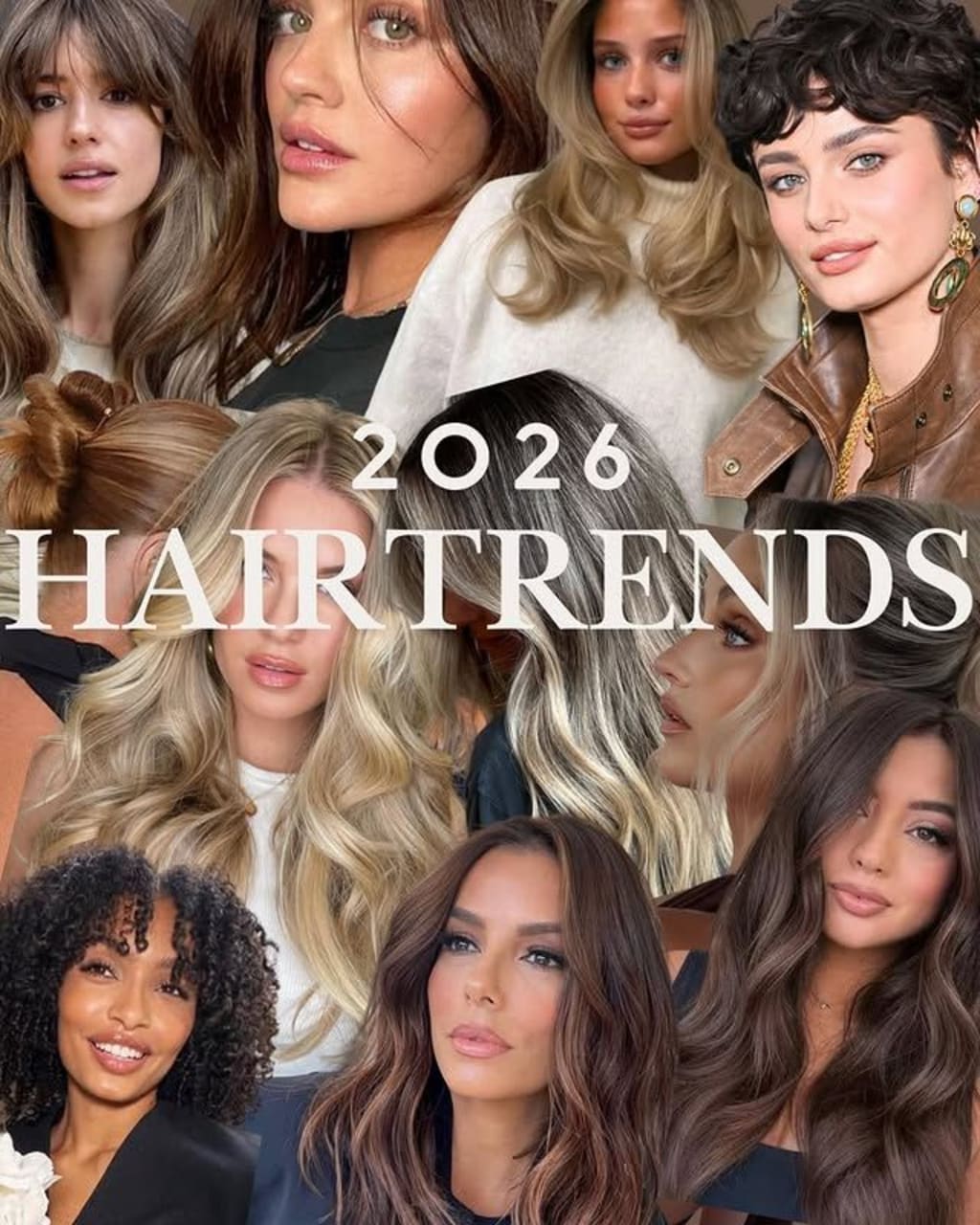
An actress’s hairstyle serves as a foundational element of character development and personal branding, acting as a non-verbal cue that signals status, psychological state, and period accuracy. By manipulating length, texture, and color, performers and their creative teams can instantly alter audience perception, bridge the gap between human identity and fictional persona, and establish a memorable public image that balances versatility with brand consistency.
The Intersection of Character Design and Visual Storytelling
In professional filmmaking, a character’s hair is rarely a matter of personal preference; it is a critical instrument of visual storytelling. Before a camera rolls, hair stylists and costume designers analyze the script to determine how a character’s grooming habits reflect their socio-economic status, historical context, and personality traits. A tightly coiffed, symmetrical bob often communicates order, rigidity, or high social standing, while unkempt, loose waves can signify rebellion, emotional distress, or a disregard for societal norms.
When an actress transitions into a role, her hair serves as a bridge. For period dramas, precise historical silhouettes are required to maintain immersion. Conversely, in contemporary narratives, the hairstyle must remain believable within the world of the film. Directors often use a drastic change in hair—such as a sudden chop or a transition from dark to light—to signify a character’s "turning point," a structural device that provides the audience with a visual marker for emotional growth or degradation.
Strategic Public Branding: The Red Carpet and Beyond
While roles require constant transformation, an actress must also manage her public image. This creates a duality: the need to appear malleable for casting directors versus the need to maintain a recognizable "star brand." Many A-list actresses employ a signature look—a specific cut or color palette—that remains consistent during downtime. This consistency ensures the actress remains easily identifiable in media, fashion campaigns, and promotional interviews.
When an actress departs from this signature style, it is often a calculated move. It may signal a "rebranding" phase, a transition from youth-oriented roles to more mature or dramatic characters, or simply a desire to shed the associations of a previously iconic role. Public relations teams track these shifts closely, as media outlets often interpret hair changes as personal statements or professional pivots. The "power bob," for example, is frequently adopted by stars aiming to project a more serious, executive, or refined image during high-stakes career transitions.
Technical Considerations: Wigs, Extensions, and Hair Health
The physical reality of an actress’s hair often differs from the screen appearance. Because shooting schedules are grueling and lighting equipment can cause significant heat damage, many actresses rely on high-end custom wigs, hair pieces, and extensions to protect their natural hair while achieving the required look for a specific character.
From an industry standpoint, the use of lace-front wigs has revolutionized character work. These provide a natural-looking hairline, allowing for styling versatility that would otherwise be impossible without repeatedly processing the actress’s natural hair. Understanding the maintenance requirements of these tools is a prerequisite for long-term roles. Actresses and their teams must manage the "hair budget"—a mix of time, product, and physical toll—to ensure the health of the actor’s natural hair is not compromised during the production of a long-running series or a multi-year franchise engagement.
Comparative Analysis: Styling Choices and Their Perceived Impact
The following table categorizes common hairstyle archetypes and their traditional associations within film and television production:
| Hairstyle Archetype | Typical Character Archetype | Narrative Function |
|---|---|---|
| Precision Bob | High-status, controlled, analytical | Signal of intelligence or cold ambition |
| Long, Unbound Waves | Romantic, youthful, free-spirited | Symbol of femininity and vulnerability |
| Dramatic Pixie Cut | Transitional, defiant, modern | Signifies shedding the past and self-discovery |
| Period-Accurate Updo | Formal, restricted, traditional | Indicates social obligation or historical era |
| Severely Slicked Back | Aggressive, powerful, minimalist | Conveys dominance or focus under pressure |
The Impact of Color on Psychological Perception
Color is arguably the most potent tool in the hairstyle arsenal. Scientific color theory, often applied in cinematography, influences how an audience perceives the "vibe" of a character. Blonde tones are traditionally linked with light, youth, or perceived approachability in Western media, while deeper, darker hues are often utilized to project mystery, danger, or intellectual depth.
When an actress shifts her hair color for a role, it is rarely subtle. The move to a harsh black or a vibrant, unnatural shade is designed to disrupt the audience's existing perception. In biographical roles, color is essential for physical mimicry; however, in fictional character work, it is used to anchor the character in a specific mood. A character undergoing a psychological breakdown might be depicted with darkening roots or unmaintained color, visually documenting their internal decay for the viewer.
Managing the Career Pivot: Hair as a Career Marker
Transitions in career trajectories are often marked by shifts in grooming. When an actress decides to move away from lighthearted comedy toward gritty dramas or period epics, a change in hair is often the first step in that shift. This helps the industry view the actress through a new lens, effectively "resetting" the professional expectation.
- The Assessment Phase: The actress and her team evaluate the current "marketable image" versus the "desired roles."
- The Visual Prototype: Stylists test variations of cut and color to determine which best fits the intended aesthetic for upcoming projects.
- The Public Unveiling: A major event or a strategic photoshoot reveals the new look, allowing for media coverage that frames the hair change as a serious commitment to a new artistic direction.
Frequently Asked Questions
Why do actresses often use wigs instead of cutting their natural hair for a role?
Actresses use wigs to preserve the health of their natural hair and maintain versatility. Since filming schedules often involve multiple projects, the ability to switch between "looks" for different sets is essential. Wigs also prevent the permanent damage associated with constant bleaching, heat styling, and chemical treatments required to maintain a specific character’s look for months at a time.
How does a hairstyle influence casting decisions?
Casting directors look for visual consistency with a character's description. If an actress has a look that inherently signals the traits of the role (e.g., strength, vulnerability, or historical accuracy), she is more likely to be perceived as a natural fit. While acting range is paramount, a hairstyle that aligns with the character's core identity reduces the "mental friction" an audience experiences when identifying with a role.
Is there a specific "power" hairstyle for actresses in 2026?
As of 2026, the trend leans toward "organic precision"—hair that looks intentional and high-quality but retains natural texture. Actresses are increasingly moving away from heavy, processed extensions toward healthier, blunt-cut styles that communicate authenticity. This aligns with a broader industry push for transparency and naturalism in performance.
How often should an actress change her hairstyle to remain relevant?
There is no fixed frequency, but meaningful changes usually coincide with a change in career phase. Over-changing can lead to "brand dilution," where the audience loses the connection to the actress's identity. Most successful performers maintain a "core" look for 2–3 years, with temporary adjustments via wigs used for specific projects.
Can a hairstyle choice hinder an actress's career?
Yes, if a hairstyle becomes so synonymous with a character that it prevents the audience—and casting directors—from seeing the actress as anyone else. This is often called "typecasting by look." To overcome this, actresses must perform a "visual reset," which often involves a significant change in hair to signal that they are ready for a new range of roles.
Strategic Next Actions for Professional Branding
For actresses looking to refine their professional image, the priority should be alignment between their hair choices and their career objectives. Begin by creating a "look book" that maps current styles to desired future roles. If you find your current hairstyle limits the perception of your range, consult with a high-level colorist and stylist to develop a "bridge style"—a versatile cut that can be easily manipulated with styling tools to appear more professional, casual, or dramatic without requiring permanent structural changes. Always prioritize hair health as an operational asset; the ability to change quickly and safely is a competitive advantage in the industry.