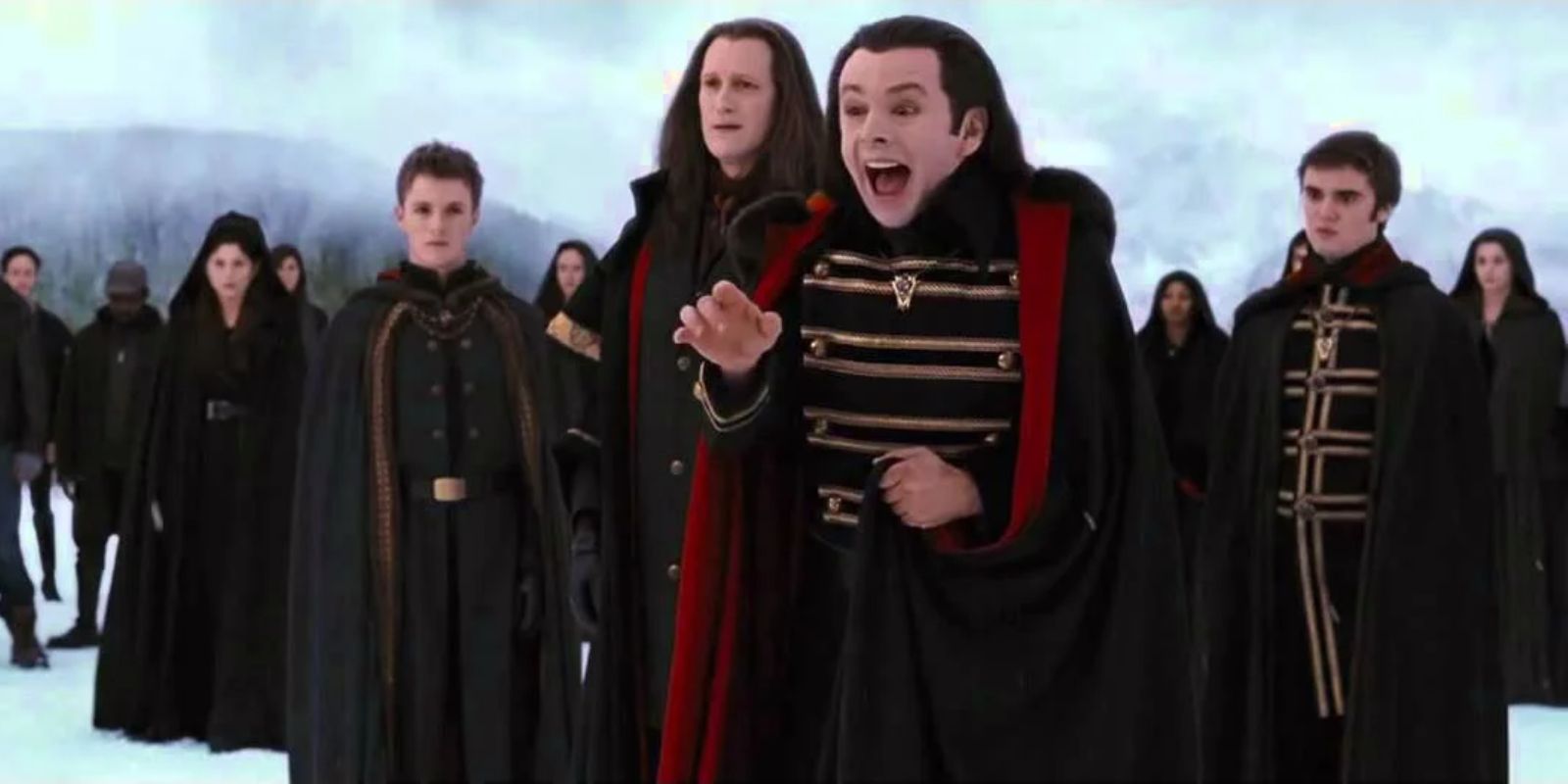
The cinematic adaptation of Stephenie Meyer’s bestselling vampire romance novel reached its dual-part conclusion with The Twilight Saga: Breaking Dawn, directed by Bill Condon. This cinematic finale brought forward an extensive ensemble of established stars and new performers who embodied the complex vampire clans, human loved ones, and volatile werewolf pack members central to the narrative arc.
The Narrative Foundation and Cinematic Structure of Breaking Dawn
The narrative scope of The Twilight Saga: Breaking Dawn required a structural split into Part 1, released in 2011, and Part 2, released in 2012. This division allowed filmmakers to capture the expansive subplots, shifting alliances, and high-stakes supernatural politics that defined the final book. The story centers heavily on the marriage between human Bella Swan and vampire Edward Cullen, an event that triggers unexpected consequences when Bella becomes pregnant with a human-vampire hybrid child. This pregnancy threatens an uneasy peace between the Olympic coven, local werewolf packs, and the ruling Italian Volturi vampire regime.
Adapting this material demanded careful casting choices to anchor both emotional intimacy and sweeping action sequences. The core cast had spent years growing into their roles, allowing for a natural evolution of character dynamics. Meanwhile, the introduction of fresh factions—such as the nomadic vampires, the Volturi enforcement guard, and the expanded werewolf coalition—broadened the thematic weight of loyalty, family protection, and self-sacrifice. Understanding these performances requires examining how individual actresses navigated their specific narrative constraints, character motivations, and the cultural footprint of the franchise.
Key Cast Members and Primary Character Dynamics
At the center of the ensemble are the central female characters whose decisions drive the entire conflict of the narrative. Their roles transition from teenage uncertainty and protective instinct to formidable motherhood and ancient supernatural diplomacy. Each actress brought distinct physical and emotional preparation to interpret characters shaped by years of supernatural lore.
| Actress | Character | Faction / Affiliation | Core Story Role |
|---|---|---|---|
| Kristen Stewart | Bella Swan / Cullen | Olympic Coven / Human-turned-Vampire | Transitions from a vulnerable human bride to a mother protecting her hybrid child and mastering newborn vampire restraint. |
| Ashley Greene | Alice Cullen | Olympic Coven | Uses prophetic visions to anticipate Volturi threats and orchestrates the gathering of global witnesses. |
| Nikki Reed | Rosalie Hale | Olympic Coven | Protects Bella's pregnancy out of a fierce maternal longing, acting as an emotional anchor and physical defender. |
| Dakota Fanning | Jane | The Volturi | Serves as the lethal, telepathic torture weapon of the ruling vampire kings, enforcing archaic laws. |
| Mackenzie Foy | Renesmee Cullen | Hybrid (Human-Vampire) | The catalyst for the central conflict; her rapid growth and unique heritage spark a global supernatural crisis. |
Kristen Stewart as Bella Swan
Kristen Stewart’s portrayal of Bella Swan anchors the emotional core of both Breaking Dawn films. In Part 1, Bella navigates a high-profile human wedding, a tense honeymoon on the fictional Isle Esme, and a rapidly progressing, life-threatening pregnancy. Stewart’s physical performance during the pregnancy sequence—utilizing specialized makeup, digital thinning effects, and restrained body movement—visualized the deteriorating health of a human body carrying an immortal fetus.
In Part 2, Stewart’s interpretation shifts dramatically. Having undergone the agonizing transformation into a vampire, Bella must suppress her predatory instincts, learn to control her newfound physical strength, and master her mental shield—an ability that protects those around her from psychic manipulation. This evolution required Stewart to portray a character who has finally gained the eternity, confidence, and protection she sought, while simultaneously stepping into the role of a fierce mother ready to face the Volturi army.
Supporting Female Cast: Family, Allies, and Adversaries
Beyond the immediate protagonist, the supporting actresses in Breaking Dawn populate an intricate web of supernatural factions. Their respective character arcs establish the world-building scale of Meyer’s universe, moving the narrative from a localized romance to an international confrontation.
Ashley Greene returns as Alice Cullen, whose precognitive visions provide the tactical foresight necessary to survive the impending Volturi conflict. Greene balances serene warmth with intense urgency, particularly when Alice realizes she must leave clues for the family to ensure their survival before the final confrontation. Nikki Reed portrays Rosalie Hale, whose steadfast defense of unborn Renesmee stems from her own tragic mortal history and unfulfilled maternal desires. Reed captures Rosalie's fierce, uncompromising loyalty, highlighting the internal ideological divisions within the Cullen family.
On the opposing side, Dakota Fanning reprises her role as Jane, a core member of the Volturi guard. Fanning portrays chilling authority through minimal physical movement, relying on fixed stares and calculated vocal delivery to project the illusion of pain upon her victims. Her presence establishes the oppressive weight of ancient law.
Additionally, the introduction of Mackenzie Foy as Renesmee Cullen presented a unique casting and technical challenge. Foy portrayed the rapidly aging hybrid child, blending live-action performance with digital facial mapping during her early toddler scenes to reflect her accelerated maturation.
Thematic Context and Supernatural Lore
The context of Breaking Dawn rests heavily on the concept of family preservation against institutional dogmatism. The Volturi represent a rigid, totalitarian legal system that views any deviation—such as an undocumented hybrid child—as an existential threat to vampire secrecy. The actresses embodying the female characters across various clans embody different facets of this conflict.
Nomadic vampires and international witnesses, played by an expanded ensemble of actresses, add cultural diversity and varied moral frameworks to the climax. Characters like the Amazonian Zafrina, played by Judi Shekoni, and the Egyptian Tia, played by Angela Sarafyan, contribute unique tactical abilities and perspectives. Zafrina’s power to project illusions becomes vital in training Bella to shield others, demonstrating how female mentorship and solidarity play critical survival roles in the narrative.
This network of characters underscores the broader literary and cinematic themes of the saga: bodily autonomy, the redefining of motherhood, and the rejection of predetermined fates. Bella’s choice to carry her child despite mortal peril challenges traditional expectations, while the collective gathering of vampire witnesses asserts that strength lies in diverse alliances rather than centralized tyranny.
Practical Next Steps for Enthusiasts and Researchers
For viewers, literary analysts, and film historians examining the production and cultural impact of The Twilight Saga: Breaking Dawn, several research and engagement steps offer deeper insight:
- Compare Source Material: Read Stephenie Meyer's original novel Breaking Dawn to analyze how screenplay adaptations altered character sequences, particularly the staging of the climactic vision battle in Part 2.
- Examine Behind-the-Scenes Production: Review official documentary features and director commentaries by Bill Condon to understand the technical challenges of digital aging, physical transformation makeup, and on-set green screen integration.
- Analyze Critical Reception: Consult contemporary film reviews from 2011 and 2012 across major entertainment publications to evaluate how critics perceived the evolution of the female cast and the resolution of the franchise.