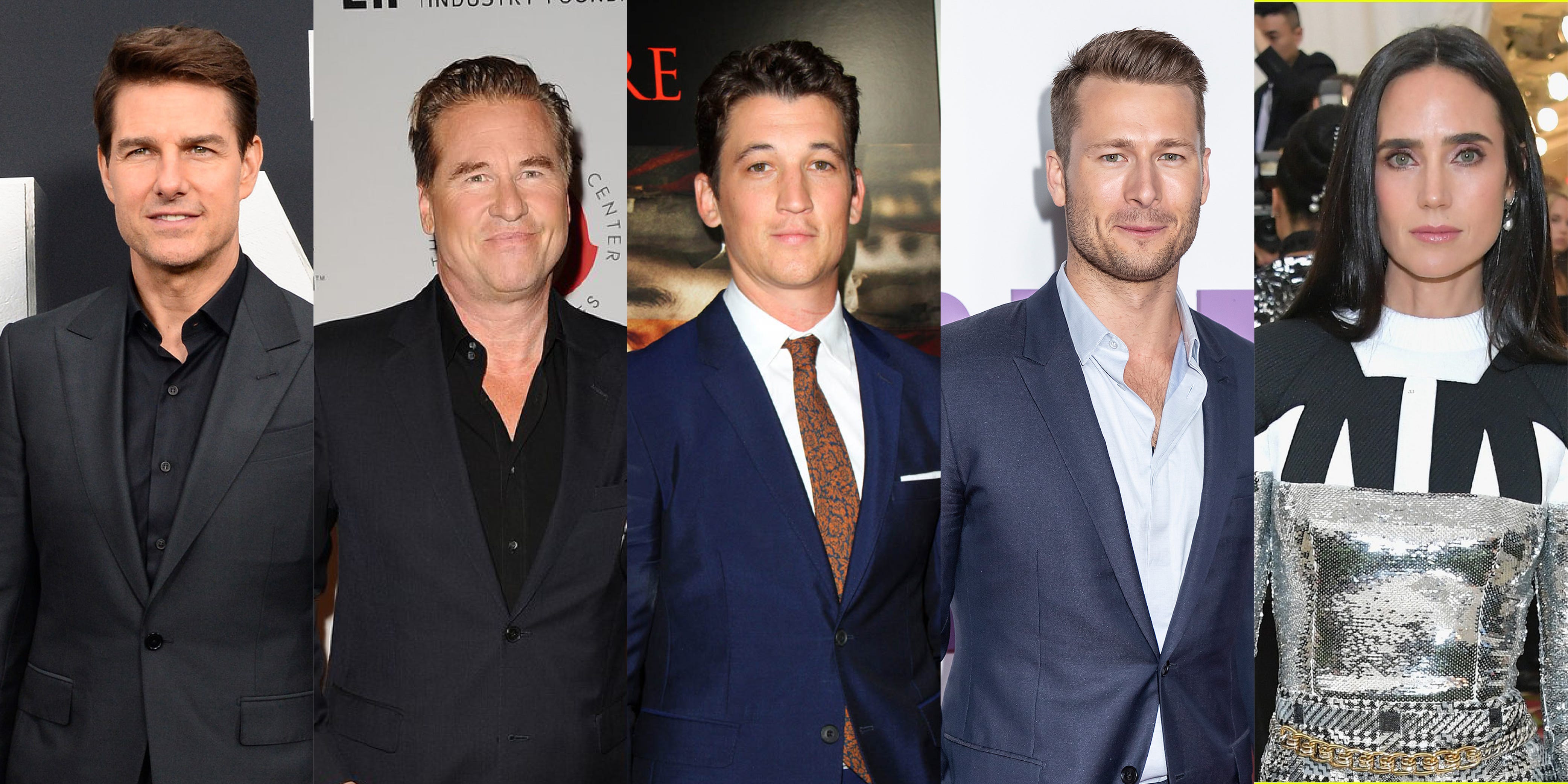
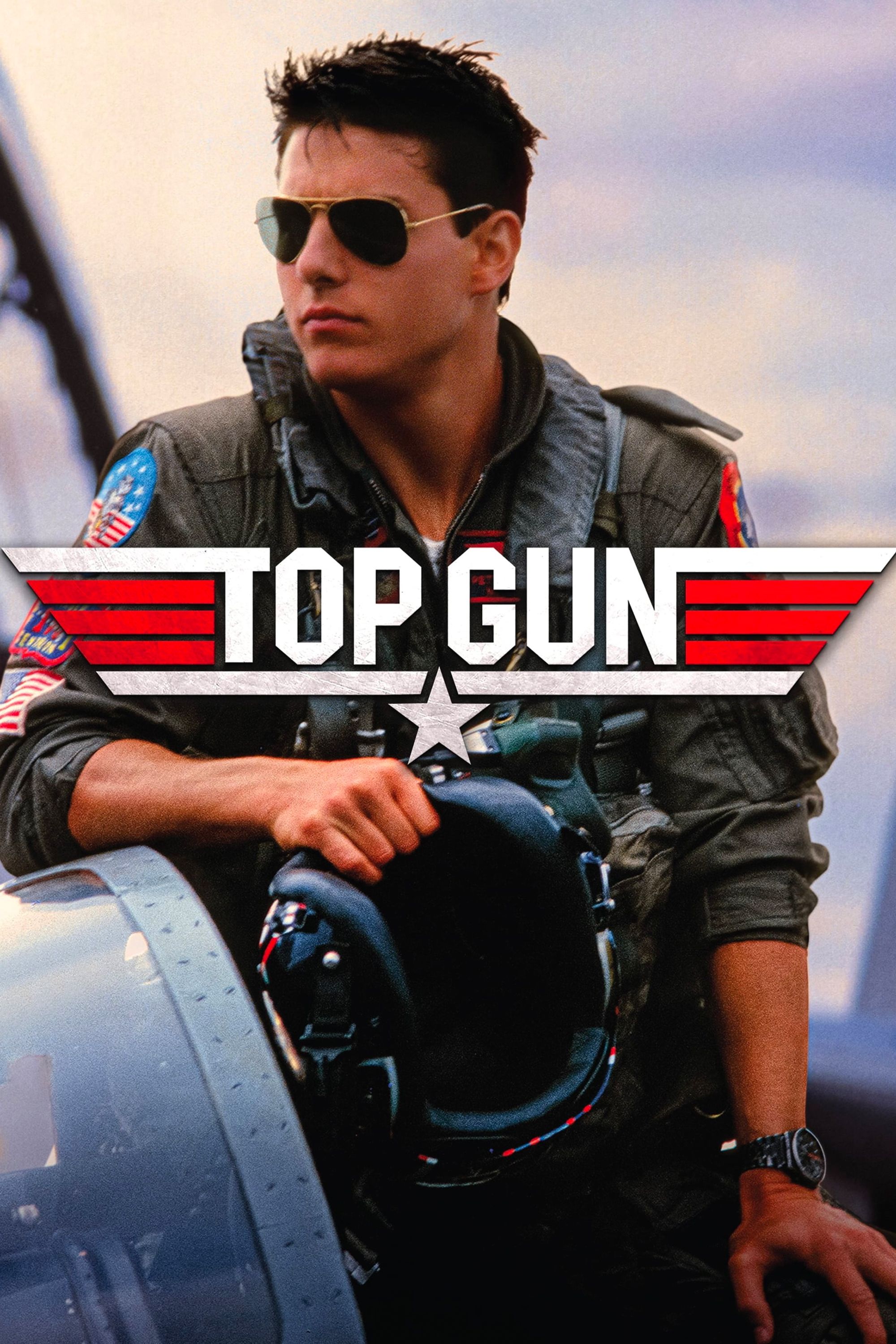
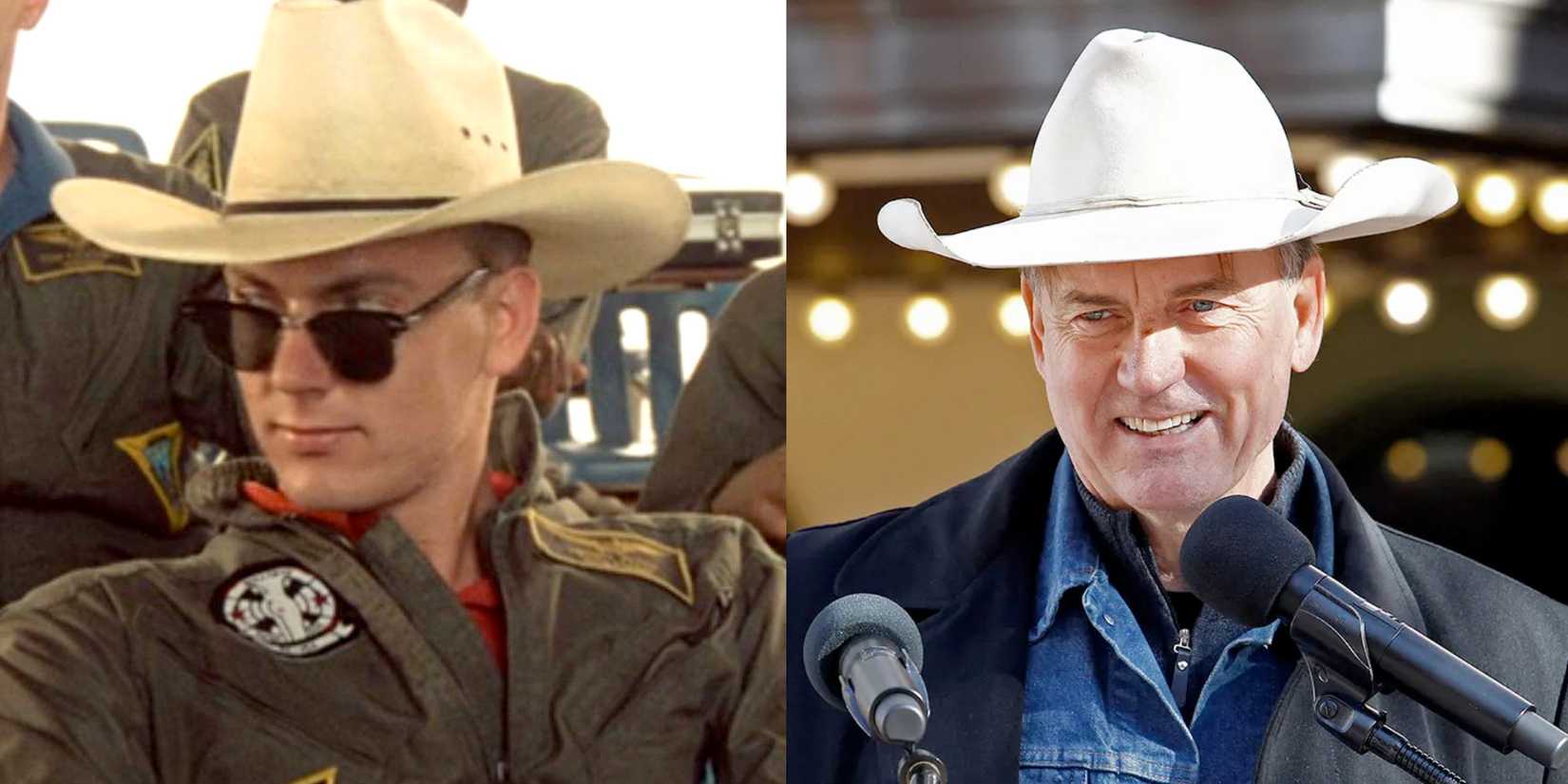
The 1986 film Top Gun, directed by Tony Scott, stands as a defining piece of American action cinema that launched several careers to global superstardom. The cast is anchored by Tom Cruise as the audacious Pete "Maverick" Mitchell, supported by a diverse ensemble representing the technical and emotional stakes of the United States Navy Fighter Weapons School. Understanding the cast profile requires examining both the legendary status of the lead roles and the critical supporting performances that provided the film’s narrative gravity.
The Lead Protagonist: Tom Cruise as Pete "Maverick" Mitchell
Tom Cruise’s portrayal of Pete "Maverick" Mitchell is the primary engine of Top Gun. At the time of production, Cruise was already a rising star, but this role solidified his transition into an A-list action hero. Maverick is characterized by his reckless flying style, deep-seated trauma regarding his father’s disappearance, and an innate, boundary-pushing aptitude for aerial combat.
Cruise’s performance is defined by a blend of swagger and vulnerability. Throughout the film, the character’s trajectory—from a talented but insubordinate pilot to a disciplined leader—serves as the emotional backbone of the story. The role required significant physical preparation, including training sessions with actual Navy pilots, which set a precedent for the "method-lite" approach Cruise would later take with his action roles.
The Supporting Ensemble: Rivals and Mentors
The film functions as a high-pressure pressure cooker for its characters, primarily through the intense rivalry between Maverick and Tom "Iceman" Kazansky, played by Val Kilmer. Iceman acts as the perfect foil: cold, calculating, and strictly adherent to the rules. Kilmer’s performance was lauded for its subtlety; he does not play Iceman as a villain, but rather as a highly skilled professional who views Maverick’s emotional volatility as a liability to the safety of the squad.
The romantic subplot features Kelly McGillis as Charlotte "Charlie" Blackwood, a civilian instructor and astrophysicist. Unlike many love interests in 1980s action films, Charlie is positioned as an intellectual peer to the pilots, providing a necessary counterbalance to the hyper-masculine environment of Miramar. Anthony Edwards, playing Nick "Goose" Bradshaw, serves as the moral compass of the film. His chemistry with Cruise establishes the stakes of the aerial sequences; Goose is not just a Radar Intercept Officer (RIO), but the grounded partner whose presence humanizes Maverick’s aggressive instincts.
Key Cast and Character Roles
The efficacy of Top Gun lies in its distinct character archetypes. Each actor was cast to fit a specific niche within the hierarchy of the Navy’s elite flight school. The following table highlights the central players and their respective call signs and roles.
| Actor | Character | Role/Call Sign |
|---|---|---|
| Tom Cruise | Pete Mitchell | Maverick |
| Val Kilmer | Tom Kazansky | Iceman |
| Kelly McGillis | Charlotte Blackwood | Charlie (Instructor) |
| Anthony Edwards | Nick Bradshaw | Goose |
| Tom Skerritt | Mike Metcalf | Viper (Instructor) |
| Michael Ironside | Rick Heatherly | Jester (Instructor) |
| Meg Ryan | Carole Bradshaw | Goose's Wife |
| Rick Rossovich | Ron Kerner | Slider |
The Tactical Impact of Mentorship Roles
While the focus remains on the students, the portrayals of the instructors provide the film with its professional legitimacy. Tom Skerritt, playing Commander Mike "Viper" Metcalf, represents the wisdom and experience of a combat veteran. Viper is instrumental in the third act of the film, providing Maverick with the closure he needs regarding his father’s history.
Michael Ironside, as Lieutenant Commander Rick "Jester" Heatherly, provides the necessary antagonism in the training sequences. Jester is arguably the most grounded character in the film; he is a career officer whose interactions with Maverick reflect the harsh reality of aerial warfare. These performances ensured the film maintained a degree of military-professional tension, preventing the narrative from devolving into pure spectacle.
Performance Dynamics and On-Screen Chemistry
The rapport between the cast members was not merely a result of scriptwriting but was heavily influenced by the intensive environment created on set. The actors, particularly the flight school cohort, underwent significant physical conditioning to simulate the G-forces experienced by pilots. This shared experience contributed to the palpable tension during the locker room and briefing room scenes.
The rivalry between Maverick and Iceman is often cited as one of the most effective rivalries in cinema. It is built on mutual respect despite fundamental philosophical differences regarding pilot conduct. Because both Cruise and Kilmer committed to the reality of their characters' competitiveness, the dialogue feels more like genuine confrontation than standard cinematic posturing. This authenticity remains a hallmark of the film and is frequently studied by those interested in ensemble dynamics within high-concept action features.
Legacy and Career Trajectories
The impact of Top Gun on its cast was profound, cementing the status of the leads while providing a robust platform for the supporting actors. For Anthony Edwards, the role of Goose became an iconic part of his early career, serving as a catalyst for his later transition into television success. For Val Kilmer, Iceman became a defining archetype that allowed him to secure more complex dramatic roles in the years following the film's 1986 release.
The film also served as a cultural touchstone for the United States Navy. The casting and subsequent portrayal of these pilots were so effective that the film is often credited with a surge in recruitment for the Navy’s aviation programs. This intersection of Hollywood casting and real-world institutional impact is a rare occurrence, highlighting the success of the directors and producers in selecting actors who could embody the perceived "cool" of naval aviation while maintaining the necessary intensity for a drama.
Frequently Asked Questions
Did the actors actually fly in the F-14 jets?
No. The actors were not permitted to pilot the F-14 Tomcats. While they were filmed inside the cockpits for close-up shots during flight simulations, the high-performance aerial maneuvers were conducted by real Navy pilots. The actors were, however, trained to endure significant G-force pressures to ensure their physical reactions during the flight sequences were realistic.
Why was Anthony Edwards’ character, Goose, so important to the narrative?
Goose represents the human cost of the protagonist's choices. Maverick’s arc is defined by his transition from individualistic arrogance to disciplined responsibility, a shift triggered entirely by the tragic accident involving Goose. Without this character, Maverick’s transformation would lack the necessary emotional weight to justify his eventual redemption.
Was Kelly McGillis’ character based on a real person?
Charlie Blackwood was inspired by Christine Fox, a civilian mathematician and flight instructor who worked at the Miramar Naval Air Station. While the romantic elements of the film were fictionalized for dramatic purposes, the character’s position as a brilliant civilian expert within the military framework was modeled after Fox’s real-world contributions to naval strategy.
How did the cast prepare for their roles?
The primary cast members underwent a rigorous orientation that included lectures on naval aviation, flight simulator sessions, and extensive physical conditioning. This was intended to familiarize them with the terminology, posture, and internal culture of the Top Gun program, ensuring that the dialogue regarding maneuvers and combat scenarios sounded authentic to the audience.
Which actor played the primary antagonist, Iceman?
Val Kilmer played Tom "Iceman" Kazansky. His performance is characterized by his cool-headed approach to flight and his rigid adherence to protocol. Kilmer’s portrayal provided the necessary friction to force character development in Maverick, making him the central antagonist in the context of the flight school ranking system.
Recommendations for Further Study
To gain a deeper understanding of how these performances contributed to the film’s success, audiences should view the "making-of" documentaries included in the 2026 digital and physical re-releases. These materials contain original interviews with the cast members reflecting on their training at the Naval Air Station Miramar. Furthermore, researching the historical context of the 1980s Cold War atmosphere will clarify why the specific character archetypes—the "cowboy" versus the "professional"—resonated so strongly with audiences during that era. If you are interested in the technical aspects of the film, examine the production logs regarding the coordination between the filmmakers and the Department of Defense, which provided the necessary aircraft and access for the production.