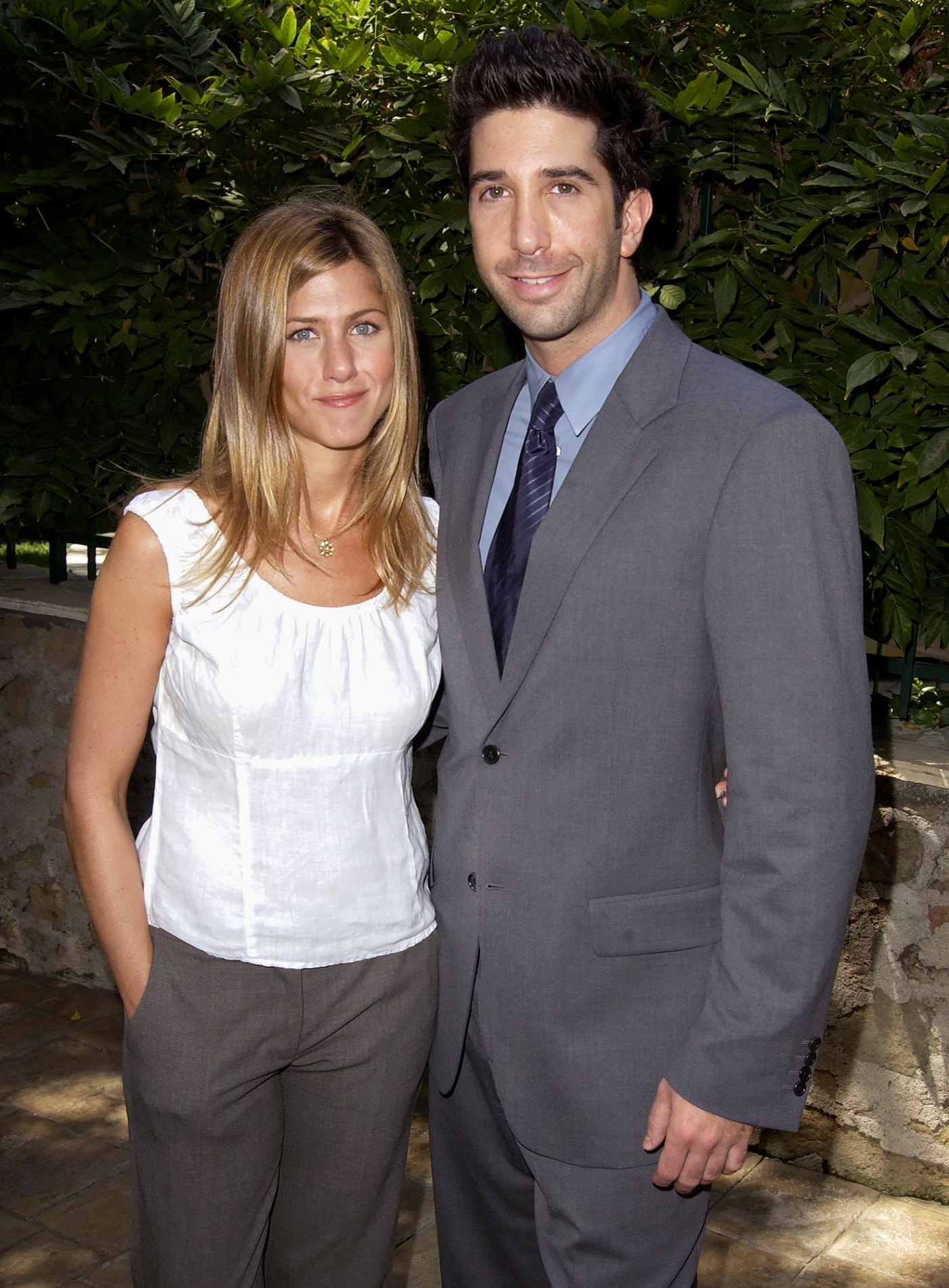
Real-life relationships between actors often develop through "showmances," where the intense proximity and shared emotional vulnerability of a production lead to genuine off-screen bonds. While some couples successfully transition from co-stars to long-term partners, others face significant challenges due to the "blurring of lines" between fiction and reality, high-pressure filming schedules, and unrelenting public scrutiny.
The Mechanics of the "Showmance": Why Actors Fall for Co-stars
In the entertainment industry, the term "showmance" describes a romantic relationship that develops between actors during the production of a film, television series, or stage play. This phenomenon is not merely a product of physical attraction but is often the result of unique environmental and psychological factors inherent to the acting profession.
The primary driver is the "production bubble." When actors are cast in a project, they are frequently uprooted from their normal lives and transported to remote locations for months at a time. Within this isolated environment, their social circle shrinks to include only their cast and crew. They spend 12 to 16 hours a day together, often engaging in deep emotional work that requires a high level of trust. This forced proximity accelerates the bonding process, making a few months on set feel like years of a traditional relationship.
Furthermore, the nature of the work itself facilitates intimacy. Actors are tasked with exploring complex emotions and, in many cases, simulating romantic or physical attraction. The psychological concept of the misattribution of arousal plays a significant role here. When actors experience heightened physiological states—such as a racing heart or adrenaline during an intense scene—their brains may misinterpret these sensations as genuine romantic attraction to their scene partner rather than a reaction to the performance environment.
Transitioning from Scripted Love to Real Life
Moving a relationship from the controlled environment of a set into the complexities of "real life" is where many actor couples face their first major hurdle. On set, the relationship is supported by a shared goal and a lack of mundane responsibilities. Once the production wraps, the couple must navigate the logistical realities of different shooting schedules, long-distance requirements, and the sudden reintroduction of outside influences.
Psychologically, the transition requires a "de-roling" process. For actors who practice certain immersive techniques, such as Method acting, the boundary between their personal identity and their character's emotions can become thin. If a couple falls in love while playing characters who are in love, they must eventually determine if their feelings are rooted in their own personalities or the scripted dynamics they were portraying.
Successful long-term couples in Hollywood often cite the importance of "intentional grounding." This involves making a conscious effort to separate work from home life, such as refusing to discuss scripts during dinner or ensuring they have hobbies and social circles independent of the film industry. Without these boundaries, the relationship risks becoming an extension of the job, leading to burnout and emotional exhaustion.
Iconic On-Screen Couples Who Became Real-Life Partners
As of 2026, several high-profile couples continue to serve as benchmarks for how to navigate a relationship born on set. These examples highlight different strategies for balancing public interest with private stability.
Tom Holland and Zendaya
Perhaps the most prominent example in the 2020s, the Spider-Man stars transitioned from friends to partners after meeting on the set of Spider-Man: Homecoming. Their approach has been characterized by a strict "privacy-first" policy. By rarely discussing their relationship in interviews and limiting their public appearances together to professional obligations, they have managed to protect the sanctity of their bond from the "shipping" culture that often consumes young stars.
Blake Lively and Ryan Reynolds
Meeting on the set of Green Lantern (2011), this couple has become an industry standard for longevity. Their strategy involves a "non-overlapping" work schedule. They reportedly made a pact early in their relationship not to work at the same time, ensuring that one parent is always present for their children and that they can travel together as a family unit. This logistical sacrifice is a significant factor in their decade-plus success.
Table: Comparison of Notable Actor Relationships (Status as of 2026)
| Couple | Project Where They Met | Year Met | Relationship Status (2026) | Primary Strategy for Longevity |
|---|---|---|---|---|
| Tom Holland & Zendaya | Spider-Man: Homecoming | 2016 | Long-term Partnership | Extreme privacy and separate public personas. |
| Blake Lively & Ryan Reynolds | Green Lantern | 2010 | Married | Staggered work schedules; prioritizing family travel. |
| Penélope Cruz & Javier Bardem | Jamón, Jamón | 1992 | Married | Maintaining a life outside of Hollywood (residing in Spain). |
| Kirsten Dunst & Jesse Plemons | Fargo (TV Series) | 2015 | Married | Mutual respect for "acting craft" and shared creative values. |
| Rooney Mara & Joaquin Phoenix | Her / Mary Magdalene | 2012 | Long-term Partnership | Shared commitment to social activism and low-key lifestyle. |
Professional and Contractual Challenges
When actors enter a real-life relationship, the implications extend beyond their personal lives and into their professional contracts. Studios and production companies often view lead-actor chemistry as a marketable asset, but they also recognize it as a potential liability.
- The "Breakup Risk": If two leads in a multi-season television show or a film franchise break up, it can create a hostile working environment. In some cases, studios have implemented "morality clauses" or professional conduct agreements that stipulate actors must remain professional regardless of their personal status.
- Publicity Obligations: Contractual "EPK" (Electronic Press Kit) interviews often require actors to discuss their chemistry. For real-life couples, this can lead to invasive questions. Publicists must carefully curate media tours to ensure the focus remains on the film rather than the relationship.
- The "Couple Brand": There is a financial temptation to lean into the "power couple" narrative. However, actors who choose to work together repeatedly (e.g., John Krasinski and Emily Blunt in A Quiet Place) must ensure that their personal brand does not overshadow their individual artistic identities.
The Impact of Public Scrutiny and Social Media
The digital landscape of 2026 has intensified the pressure on actor relationships. "Shipping"—the act of fans rooting for a fictional or real-life romantic pairing—has evolved into a complex parasocial phenomenon. While fan support can boost an actor's profile, it also leads to intense scrutiny of every social media "like," public appearance, or perceived "coldness" between partners.
This scrutiny often leads to the "curse of the public relationship," where the weight of expectations causes a couple to fracture. To combat this, many modern actors use social media as a tool for "controlled transparency." Instead of allowing paparazzi to dictate the narrative, they share curated glimpses of their lives on their own terms. This creates an illusion of accessibility while maintaining a firm boundary around their most private moments.
Managing Boundaries: The Industry Standard in 2026
By 2026, the entertainment industry has institutionalized several practices to help actors manage the emotional and physical boundaries of their work. The most significant of these is the universal adoption of Intimacy Coordinators.
Originally introduced to ensure safety during simulated sex scenes, intimacy coordinators now play a broader role in helping actors navigate the emotional "aftercare" of romantic scenes. They facilitate discussions about boundaries and consent, which helps prevent the accidental "blurring of lines" that often leads to impulsive showmances. By treating romantic scenes as choreographed stunts rather than spontaneous emotional outbursts, the industry has made it easier for actors to separate their professional performance from their personal feelings.
Additionally, many agencies now provide "relationship counseling" or "media boundary training" as part of their talent management services. These resources help actors understand the pitfalls of high-profile dating and provide them with the tools to communicate effectively with their partners under the pressure of fame.
FAQ
Do most actors' relationships start on set?
While a significant number of actor relationships begin during production, it is not the only way they meet. Many actors meet through mutual friends, at industry events like award shows, or even through specialized dating apps for high-profile individuals. However, the "on-set" origin remains the most common narrative because the intense environment provides a natural catalyst for deep emotional connections.
Why do so many actor relationships end in divorce or breakups?
The high failure rate is often attributed to "competing careers." When both partners are successful, they may spend months apart on different continents, leading to emotional distance. Additionally, the constant presence of public scrutiny and the temptation of meeting new co-stars on every project creates a uniquely challenging environment for long-term commitment.
How do actors handle breakups when they still have to work together?
Professionalism is usually the priority, as breaking a contract can lead to lawsuits and a damaged reputation. Actors typically use "segmentation," a psychological technique where they focus strictly on the character's requirements during filming and minimize contact with their ex-partner between takes. In some cases, production schedules are altered to film their scenes separately or use body doubles where possible.
Are "PR relationships" real in 2026?
"PR relationships" or "stunt dating"—where two actors pretend to date to promote a project—do exist, but they have become rarer and more sophisticated. Modern audiences are highly skeptical and skilled at spotting inauthentic interactions. Most modern "PR moves" involve strategic public appearances together rather than full-scale fake relationships, as the risk to an actor's "authenticity" brand is too high.
How do intimacy coordinators affect real-life relationships?
Intimacy coordinators help protect real-life relationships by providing a professional barrier. By de-mystifying the process of filming romantic scenes and turning them into technical exercises, they reduce the likelihood of actors developing "accidental" feelings for their co-stars, thereby helping actors remain faithful to their off-screen partners.
Establishing Professional Boundaries for Longevity
For actors and those entering high-profile careers, the key to a successful real-life relationship lies in the establishment of non-negotiable boundaries. This involves a three-pronged approach:
- Physical Boundaries: Utilizing intimacy coordinators and ensuring that romantic scenes are strictly professional and choreographed.
- Temporal Boundaries: Implementing "blackout periods" where the couple prioritizes time together, regardless of career opportunities, and avoiding back-to-back projects that require long-distance separation.
- Digital Boundaries: Deciding early on how much of the relationship will be shared on social media and sticking to that agreement, regardless of pressure from fans or publicists.
Ultimately, the most successful actor relationships in 2026 are those that treat the partnership as a private sanctuary, separate from the performance, the production, and the public eye.