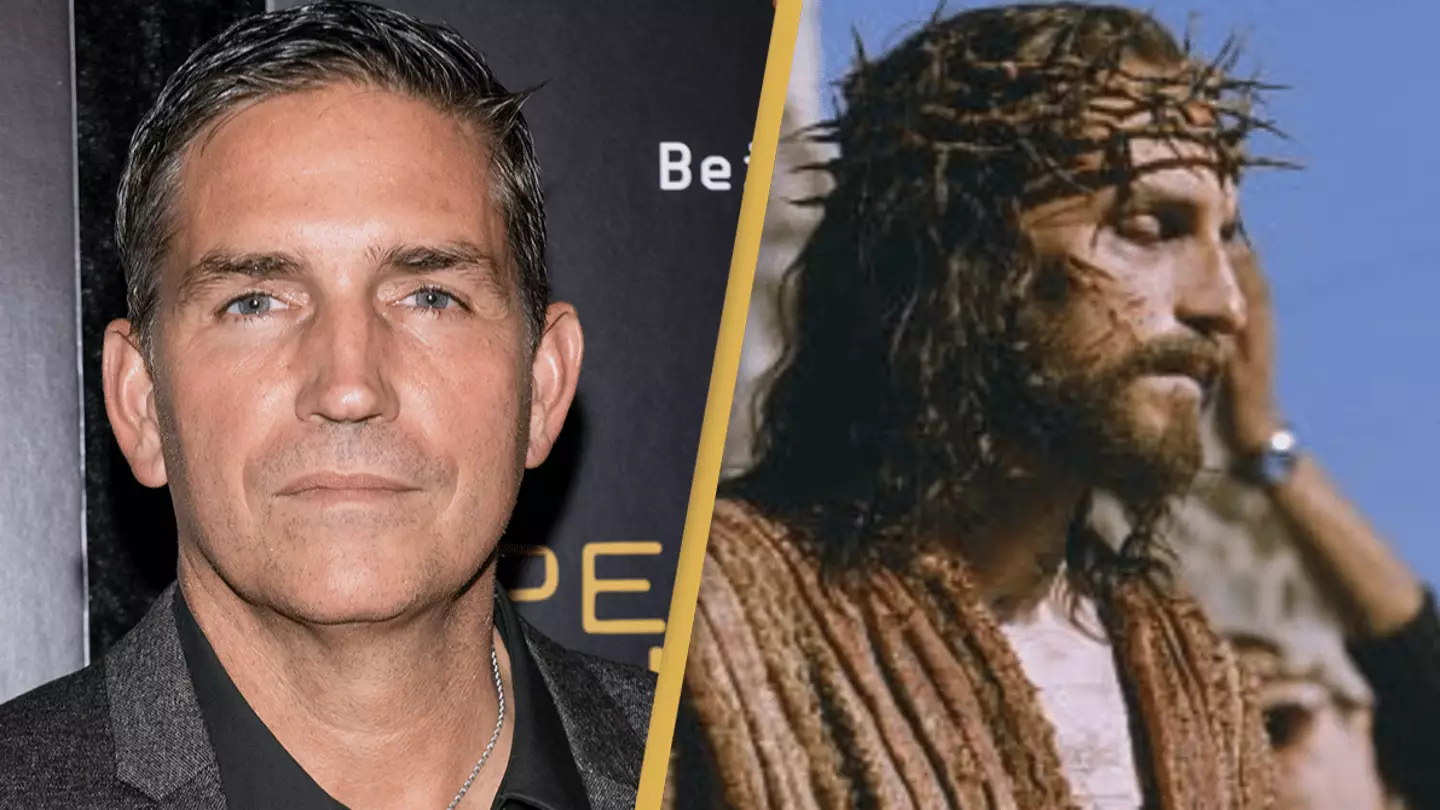
While several actors who portrayed Jesus Christ suffered untimely deaths or career-ending typecasting, there is no evidence of a supernatural "curse." The "sacrificial hollywood list" typically refers to actors like Jeffrey Hunter, who died young, and others like Jim Caviezel or Robert Powell, whose lives or professional reputations were fundamentally altered by the role.
The Legend of the "Jesus Role Curse" in Cinema
For decades, a persistent urban legend has circulated through the film industry suggesting that portraying Jesus of Nazareth carries a spiritual or professional weight so heavy it manifests as tragedy. This phenomenon, often dubbed the "Jesus Role Curse," implies that those who step into the sandals of the Messiah are marked for a "sacrificial" path. As of 2026, film historians and cultural critics continue to debate whether these occurrences are merely a series of unfortunate coincidences or a byproduct of the intense psychological and physical demands associated with the role.
The narrative of the "sacrificial list" gained momentum during the mid-20th century, a time when Hollywood began producing massive biblical epics. Producers and actors alike grew wary of the role, not just because of the reverence required, but because of the perceived pattern of misfortune that followed the production of these films. To understand this list, one must distinguish between literal death, physical injury, and the "professional death" caused by extreme typecasting, where an actor's identity becomes so entwined with the Christ figure that they can never play another character convincingly.
Jeffrey Hunter: The Face of the Tragic Narrative
Jeffrey Hunter is perhaps the most frequently cited name on the "sacrificial hollywood list." In 1961, Hunter starred as Jesus in Nicholas Ray’s King of Kings. At the time, Hunter was a rising star with a rugged, leading-man profile. However, his casting was met with some derision; critics mockingly referred to the film as "I Was a Teenage Jesus" due to Hunter’s youthful appearance, despite him being 33 years old—the traditional age of Jesus at the time of the crucifixion.
The tragedy associated with Hunter did not occur during filming, but in the years that followed. His career, which many expected to skyrocket, began to falter. In 1969, only eight years after the film’s release, Hunter suffered an on-set explosion while filming in Spain, which resulted in a concussion. Shortly after returning to the United States, he suffered a stroke, fell in his home, and died following emergency surgery. He was only 42. The "33" connection—Hunter being 33 when he played the 33-year-old Jesus—coupled with his early death, cemented his place as the primary example of the Hollywood Jesus curse.
Jim Caviezel: Physical Sacrifice and Survival
If Jeffrey Hunter represents the tragic end of the spectrum, Jim Caviezel represents the "sacrificial" physical toll of the role. While filming Mel Gibson’s The Passion of the Christ (2004), Caviezel endured a series of medical calamities that many on set described as borderline miraculous or biblically plagued.
During the production, Caviezel was struck by lightning while filming the Sermon on the Mount. He also suffered a dislocated shoulder while carrying the heavy wooden cross, contracted a lung infection (pneumonia), and endured skin infections from the grueling daily application of prosthetic makeup. Most notably, Caviezel has spoken openly about the "professional sacrifice" he made. In the years following 2004, he claimed that playing Jesus resulted in him being "blacklisted" by major studios, forcing him to find work in independent films and television series like Person of Interest. As of 2026, Caviezel remains the most vocal actor regarding the personal and professional cost of portraying the central figure of Christianity.
The "Career Death" of Robert Powell
Robert Powell, who starred in Franco Zeffirelli's 1977 miniseries Jesus of Nazareth, provides a different perspective on the sacrificial list. Powell did not die young, nor was he struck by lightning; however, his career experienced a "death" of its own. Powell’s performance was so iconic—specifically his piercing blue eyes and ethereal presence—that his image became the de facto representation of Jesus in households worldwide.
This level of immersion became a professional cage. Powell found it nearly impossible to secure roles in other genres because audiences could no longer see him as anything other than the Son of God. He famously stated in later interviews that he couldn't even walk down the street in some parts of the world without people treating him as a deity. For Powell, the "sacrifice" was the loss of his identity as a versatile character actor, a trade-off for a singular moment of cinematic immortality.
Comparative Analysis of Notable "Jesus" Actors
The following table outlines the diverse outcomes for actors who have taken on the role, illustrating that while some faced tragedy, many others enjoyed long and prosperous lives.
| Actor | Film/Production | Year | Age at Casting | Primary "Outcome" |
|---|---|---|---|---|
| Jeffrey Hunter | King of Kings | 1961 | 33 | Died at 42 (Stroke/Fall) |
| Robert Powell | Jesus of Nazareth | 1977 | 32 | Severe typecasting; career shift |
| Jim Caviezel | The Passion of the Christ | 2004 | 33 | Multiple injuries; professional "blacklisting" |
| Max von Sydow | The Greatest Story Ever Told | 1965 | 35 | Lived to 90; prolific, legendary career |
| Graham Chapman | Life of Brian (Satire) | 1979 | 38 | Died at 48 (Cancer) |
| Ted Neeley | Jesus Christ Superstar | 1973 | 29 | Lifelong career performing the role on stage |
| Christian Bale | Mary, Mother of Jesus | 1999 | 25 | Won an Oscar; massive Hollywood success |
| Willem Dafoe | The Last Temptation of Christ | 1988 | 32 | Continued success in diverse, edgy roles |
Statistical Realities vs. Hollywood Myth
When examining the "sacrificial hollywood list" through a critical lens in 2026, the data suggests that confirmation bias plays a significant role in sustaining the legend. For every Jeffrey Hunter or Graham Chapman (who played a Jesus-like figure in a satirical context and died young), there are actors like Max von Sydow, Willem Dafoe, and Christian Bale who went on to have some of the most successful and enduring careers in cinema history.
The "curse" narrative often ignores the high-stress environment of film production and the natural statistical likelihood of illness or accidents over many decades. Furthermore, the 1960s and 70s were eras where health and safety protocols on sets were significantly less stringent than they are today. Many of the "sacrifices" cited were the result of the industry's historical working conditions rather than the specific subject matter of the films.
The Psychological Weight of the Role
The "sacrificial" element is perhaps most real in the psychological realm. Playing Jesus is unlike playing any other historical figure. Actors often report a profound sense of responsibility that can lead to isolation or an identity crisis. When an actor takes on the role, they are not just representing a person, but an ideal held sacred by billions.
The intense scrutiny from religious groups, the media, and the public can be overwhelming. This pressure, combined with the industry's tendency to typecast, creates a situation where an actor may feel they have "sacrificed" their future for a single performance. In the case of Jim Caviezel, this was exacerbated by the controversial nature of Gibson's film, which added a layer of political and social tension to his professional life.
Evaluating the Legend in 2026
As we look back from 2026, the list of actors who played Jesus remains a fascinating study in the intersection of faith, fame, and fate. While the "curse" makes for a compelling Hollywood ghost story, it serves more as a cautionary tale about the risks of iconic roles in the entertainment industry. The "sacrificial" label remains a mix of tragic early deaths, career-altering typecasting, and the physical dangers of high-intensity filmmaking.
FAQ
Did Jim Caviezel die while filming The Passion of the Christ?
No, Jim Caviezel is alive as of 2026. While he suffered significant injuries, including being struck by lightning and having a shoulder dislocated, he survived the production. The rumors of his death are part of the broader "Jesus curse" urban legends that often exaggerate on-set incidents.
Who is the actor that died shortly after playing Jesus?
Jeffrey Hunter is the most notable actor to die shortly after his portrayal. He died at the age of 42 in 1969, approximately eight years after starring in King of Kings. His death from a stroke and fall is the cornerstone of the "sacrificial list" theory.
Why is the role of Jesus considered "career suicide" for some?
The role is considered risky due to "extreme typecasting." Because the image of Jesus is so powerful, audiences often struggle to accept the actor in other roles—especially villains or highly sexualized characters. This often leads to a decline in diverse casting opportunities for the actor.
Are there any actors who played Jesus and became more successful?
Yes, many. Christian Bale, who played Jesus in the 1999 TV movie Mary, Mother of Jesus, went on to become one of Hollywood's most acclaimed actors and a box-office star. Willem Dafoe also maintained a highly successful career after The Last Temptation of Christ.
Practical Advice for Evaluating Film Legends
When researching Hollywood "curses" or "sacrificial lists," it is important to cross-reference film production dates with the actual biographical data of the actors. Many legends rely on "33" coincidences (referencing Jesus's age at death) that are often factually stretched. Always look for official medical reports or verified biographies to separate industry folklore from factual history.