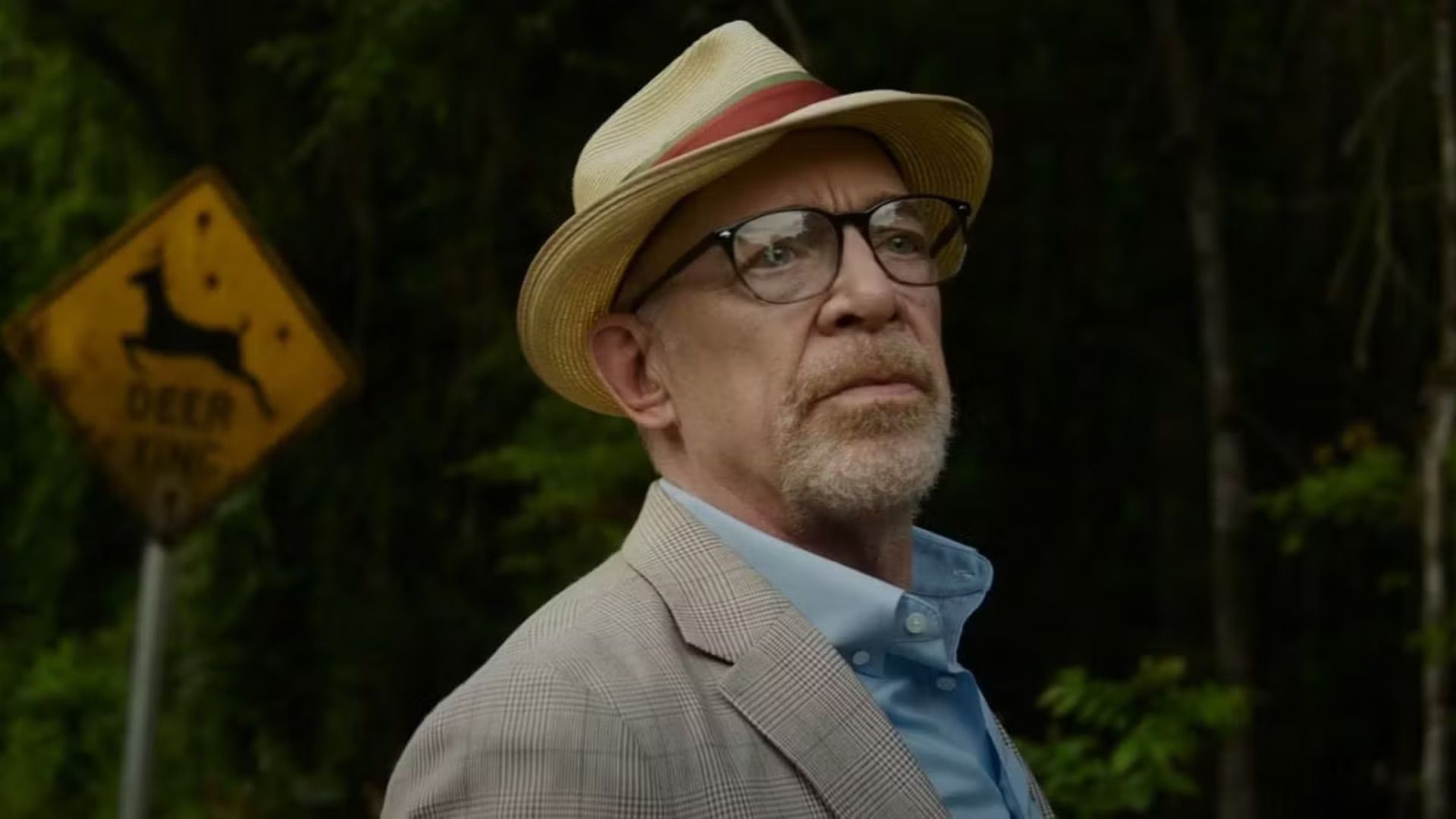
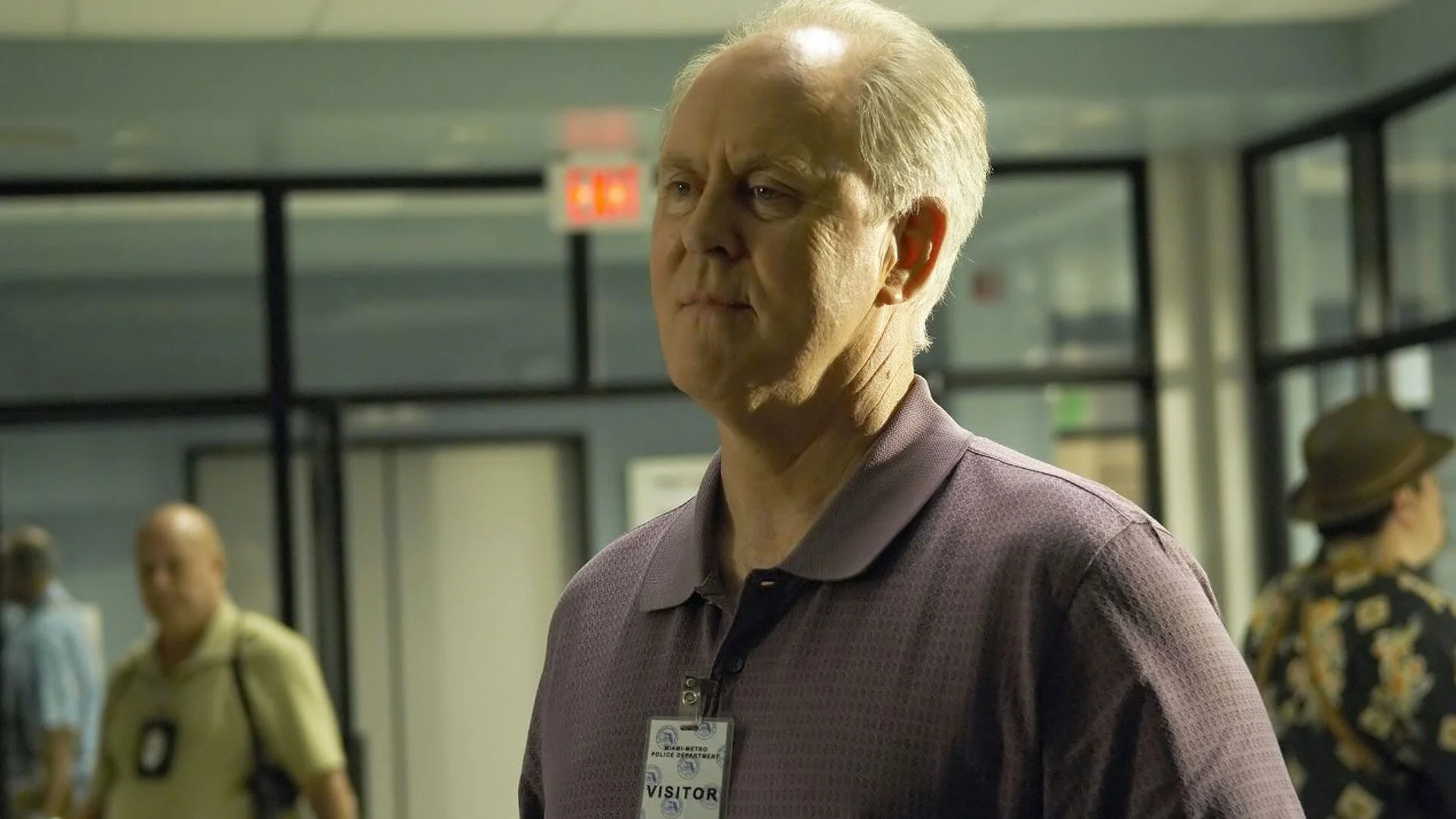
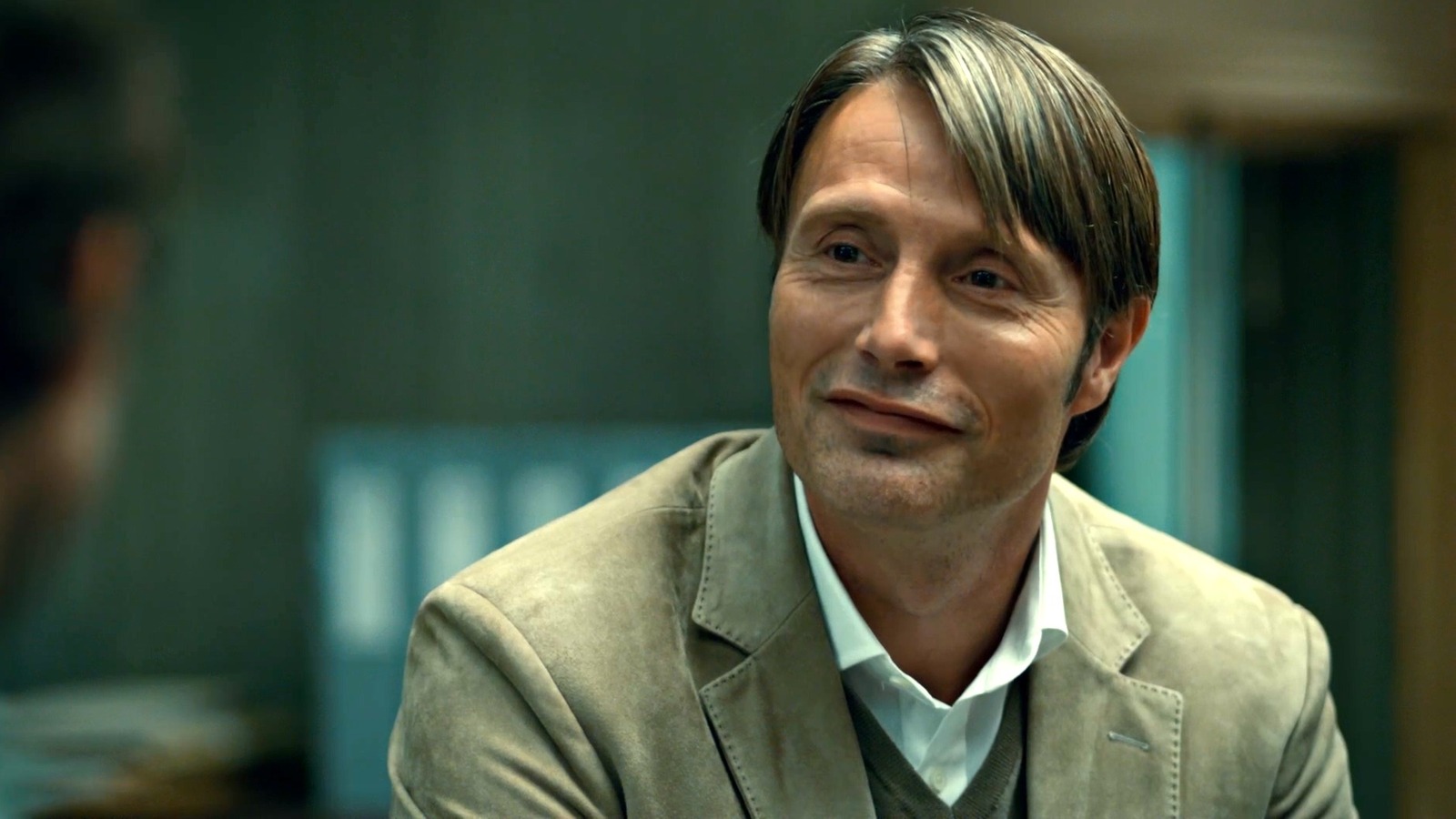
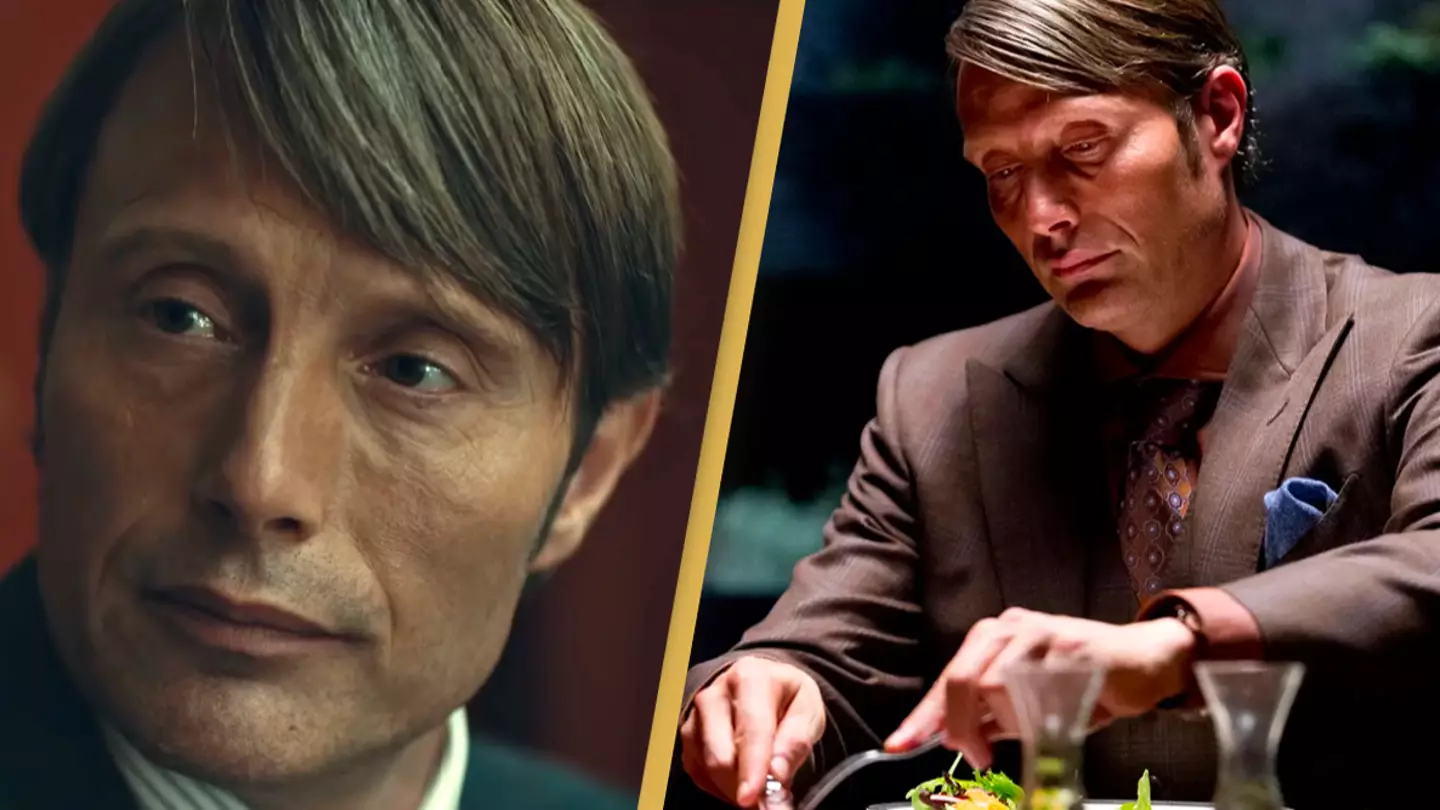
To date, four primary actors have portrayed the character of Hannibal Lecter in major film and television productions: Brian Cox, Anthony Hopkins, Gaspard Ulliel, and Mads Mikkelsen. While several actors have voiced the character in radio plays and stage adaptations, these four men define the cinematic and televised legacy of Thomas Harris’s infamous cannibal.
Hannibal Lecter is more than just a fictional serial killer; he is a cultural phenomenon. Created by novelist Thomas Harris in the 1981 book Red Dragon, Lecter transitioned from a terrifying peripheral figure into a complex protagonist. Over the decades, different actors have interpreted his "refined monstrosity" through various lenses, ranging from the cold, clinical detachment of the 1980s to the high-fashion, psychological intimacy of the 21st century. As of 2026, the character remains one of the most sought-after roles in Hollywood, representing a unique blend of high intellect and primal horror.
Brian Cox: The First to Don the Persona in Manhunter (1986)
Before the character became a household name, Brian Cox was the first actor to bring Hannibal Lecter—spelled "Lecktor" in this production—to the silver screen. Directed by Michael Mann, Manhunter was an adaptation of Harris’s first novel, Red Dragon. At the time of its release, the film was a modest critical success but failed to ignite the box office, leading many to overlook Cox’s foundational performance for years.
Cox’s portrayal is markedly different from the theatrical versions that followed. He played the doctor with a flat, Midwestern-adjacent accent and a chillingly casual demeanor. There were no grand monologues or flamboyant gestures. Instead, Cox’s Lecktor was a man who looked like any other prisoner, making his sharp intellectual superiority even more unsettling. His performance focused on the mundane nature of evil; he didn't need to snarl to be dangerous.
In Manhunter, the relationship between Lecter and Will Graham (played by William Petersen) is presented as a professional rivalry turned personal nightmare. Cox emphasized the "boredom" of a genius behind bars, using the phone and mail to manipulate the outside world with terrifying ease. While often overshadowed by later iterations, Cox’s work is now hailed by film historians for its grounded, realistic approach to a sociopath.
Anthony Hopkins: Defining the Modern Monster
If Brian Cox introduced the character, Anthony Hopkins immortalized him. Hopkins played Hannibal Lecter in three films: The Silence of the Lambs (1991), Hannibal (2001), and Red Dragon (2002). His performance in the 1991 film is legendary, earning him an Academy Award for Best Actor despite only appearing on screen for approximately 16 minutes.
Hopkins brought a Shakespearean gravity to the role. He famously drew inspiration from various sources to create Lecter’s unsettling presence, including the controlled stillness of a reptile and the voice of a "controlled" predator. One of his most famous technical choices was his refusal to blink while on camera, a trait he believed would make the audience feel like they were being watched by a predator rather than a human.
The 1990s and early 2000s saw Hopkins evolve the character. In The Silence of the Lambs, he was the caged beast acting as a mentor to Clarice Starling. By the time of Hannibal (2001), directed by Ridley Scott, Lecter was a free man in Florence, acting as a dark anti-hero. Finally, in the 2002 prequel Red Dragon, Hopkins returned to the cell to revisit the character's earlier interaction with Will Graham. Across these films, Hopkins established the "Lecter standard": a combination of high culture, exquisite manners, and sudden, explosive violence.
Gaspard Ulliel: Exploring the Trauma of a Young Hannibal
In 2007, the franchise attempted to explore the origin story of the character with Hannibal Rising. The late French actor Gaspard Ulliel was tasked with the daunting challenge of playing a young Hannibal Lecter during his formative years in World War II-era Lithuania and post-war France.
Ulliel’s performance focused on the transition from a traumatized child to a calculating killer. Unlike Hopkins’ Lecter, who is a fully formed monster, Ulliel’s version is fueled by grief and a desperate need for revenge following the horrific death of his sister, Mischa. The film delves into the "why" of his cannibalism, attributing it to a specific, traumatic event involving deserters.
While Hannibal Rising received mixed reviews from critics, Ulliel’s performance was often cited as a highlight. He managed to capture some of the predatory stillness Hopkins pioneered while adding a layer of youthful vulnerability and simmering rage. Ulliel’s portrayal serves as a bridge, showing how a refined young man with an appreciation for art and anatomy could be warped into the "Chesapeake Ripper."
Mads Mikkelsen: A Sophisticated Reimagining for the Small Screen
The most significant contemporary evolution of the character came in 2013 with the NBC series Hannibal, developed by Bryan Fuller. Danish actor Mads Mikkelsen took on the role, presenting a version of Lecter who had not yet been caught. This "working" version of the doctor allowed for a much deeper exploration of his psychological manipulation.
Mikkelsen’s Hannibal is often described as a "fallen angel." He is impeccably dressed, a master chef, and a respected psychiatrist. The performance is highly nuanced; Mikkelsen uses micro-expressions to convey a sense of amusement or curiosity about human behavior. Unlike the caged Lecter of the films, this Hannibal is an active socialite, making his secret life as a serial killer even more jarring.
The "Mikkelsen era" emphasized the intimate, almost romantic obsession between Hannibal and FBI profiler Will Graham (Hugh Dancy). By 2026, the series has maintained a massive cult following, with fans—known as "Fannibals"—regularly citing Mikkelsen’s performance as the most complex and multi-dimensional version of the character. His portrayal moved away from the "pulp horror" elements and into the realm of psychological gothic drama.
Comparative Overview of Hannibal Lecter Portrayals
The following table summarizes the primary actors who have played the character across major film and television history.
| Actor | Project Title | Release Year(s) | Primary Medium | Key Characteristics |
|---|---|---|---|---|
| Brian Cox | Manhunter | 1986 | Film | Grounded, casual, clinical. |
| Anthony Hopkins | The Silence of the Lambs, Hannibal, Red Dragon | 1991, 2001, 2002 | Film | Theatrical, predatory, iconic. |
| Gaspard Ulliel | Hannibal Rising | 2007 | Film | Vengeful, vulnerable, formative. |
| Mads Mikkelsen | Hannibal (TV Series) | 2013–2015 | Television | Aesthetic, manipulative, intimate. |
Hannibal Lecter in Other Media: Radio and Stage
While the four actors mentioned above are the most recognized, the "complete list" of those who have voiced or played the character includes performers from other artistic mediums. These adaptations often lean more heavily on the prose of Thomas Harris.
- Bill Wallis: Provided the voice for Hannibal Lecter in the 1984 BBC Radio 4 adaptation of Red Dragon. This was actually the very first time the character was portrayed in any media, predating Brian Cox by two years.
- Roger Allam: Voiced Lecter in a highly acclaimed BBC Radio adaptation of The Silence of the Lambs.
- Robert Glenister: Took on the role for the BBC Radio 4 "Classic Serial" adaptation of Hannibal.
- Stage Actors: Various actors have played the role in Silence! The Musical, a satirical off-Broadway parody of the 1991 film. Notable actors in this comedic role include Brent Barrett and Tom Hewitt.
It is important to note that the 2021 television series Clarice did not feature Hannibal Lecter at all. This was due to complex licensing agreements between MGM and the Dino de Laurentiis Company, which split the rights to characters between the novels The Silence of the Lambs and the other books in the series (Red Dragon, Hannibal, Hannibal Rising).
Why Hannibal Lecter Remains a Cultural Phenomenon
The enduring appeal of Hannibal Lecter lies in his contradiction. He is a monster who appreciates the finest things in life: art, music, literature, and culinary excellence. This "refined evil" challenges the audience's perception of what a villain should be. In each portrayal, the actor must balance the character's extreme intellect with his underlying savagery.
From a technical perspective, the role is a "masterclass" opportunity for actors. Because Lecter is a master of masks—what Mads Mikkelsen famously called his "person suit"—the actor must play a character who is himself "playing" a character. This layers the performance, allowing for subtle cues that the audience picks up on, even if the other characters in the story do not.
Furthermore, the character serves as a mirror to the protagonists. Whether it is Will Graham’s empathy or Clarice Starling’s ambition, Lecter finds the "cracks" in their psyche and exploits them. This makes the role inherently interactive, requiring a strong screen presence to dominate the psychological landscape of the story.
Frequently Asked Questions
Which Hannibal Lecter actor won an Oscar for the role?
Anthony Hopkins is the only actor to win an Academy Award for playing Hannibal Lecter. He won the Best Actor Oscar in 1992 for his performance in The Silence of the Lambs. His win is particularly notable because he had less than 20 minutes of total screen time in the film, making it one of the shortest performances to ever win a lead acting Oscar.
Is the Hannibal in Manhunter the same character as in The Silence of the Lambs?
Yes, the character is the same, based on the novels by Thomas Harris. However, in Manhunter (1986), the character's last name was spelled "Lecktor" instead of "Lecter." This was a creative choice by the filmmakers, though the character’s backstory and profession as a murderous psychiatrist remained identical to the source material.
Why wasn't Mads Mikkelsen's Hannibal in the Clarice TV show?
The absence of Hannibal Lecter in the 2021 series Clarice was due to a legal "rights" split. The rights to the characters from The Silence of the Lambs (like Clarice Starling) were owned by MGM, while the rights to the characters from the other novels (like Hannibal Lecter and Will Graham) were held by the Dino De Laurentiis Company. Because the producers of Clarice could not reach an agreement to use the Lecter character, they were legally forbidden from even mentioning his name.
Who is the youngest actor to play Hannibal Lecter?
Gaspard Ulliel was the youngest actor to portray the character in a major production. He was approximately 21–22 years old during the filming of Hannibal Rising (2007). His performance depicted the character from his late teens into his early twenties, focusing on the character's origin story in the aftermath of World War II.
Did Brian Cox and Anthony Hopkins ever talk about the role together?
While there is no widely publicized "summit" between the two, Brian Cox has spoken respectfully of Hopkins' interpretation in various interviews. Cox has often noted that his version was a "prototype" and that the franchise didn't truly become a cultural juggernaut until Hopkins brought his specific brand of charisma to the role in the 1990s.
Recommended Viewing Order for the Hannibal Franchise
For those looking to experience the full evolution of the character as of 2026, a chronological "narrative" order is often recommended over the release order. This allows you to see the character's development from his youth to his final appearances.
- Watch Hannibal Rising (2007): See Gaspard Ulliel's portrayal of the origins.
- Watch the Hannibal TV Series (2013–2015): Witness Mads Mikkelsen’s era of the "Chesapeake Ripper" at large.
- Watch Manhunter (1986) or Red Dragon (2002): Compare Brian Cox and Anthony Hopkins in the same story (the capture of Francis Dolarhyde).
- Watch The Silence of the Lambs (1991): Experience the peak of the Hopkins era and the character's most famous interactions.
- Watch Hannibal (2001): See the conclusion of the cinematic storyline with Lecter in exile.
By following this sequence, viewers can appreciate how each actor built upon the foundations laid by Thomas Harris, creating a cohesive yet varied portrait of one of cinema’s most enduring villains.