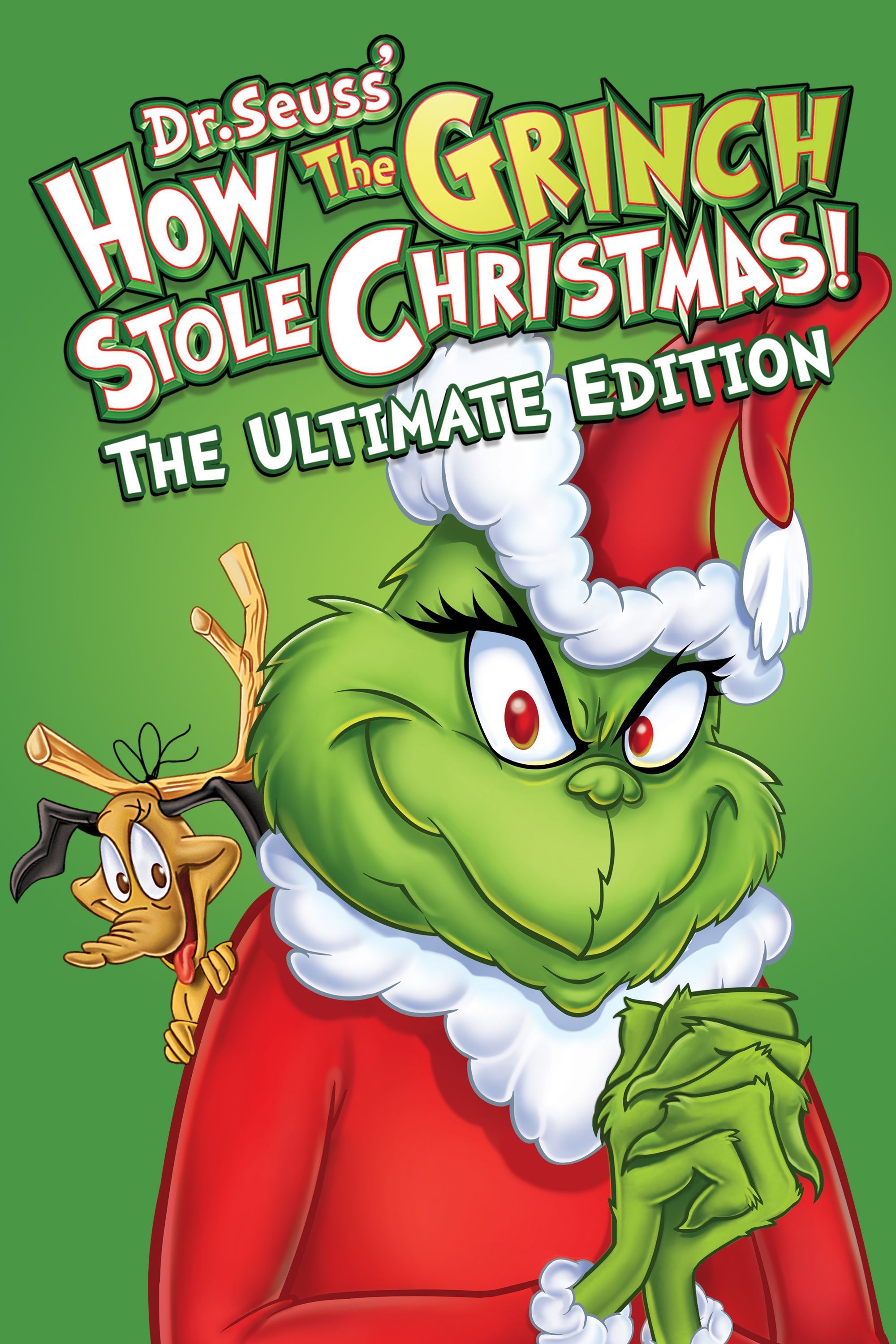
Since Dr. Seuss first introduced the curmudgeonly creature in 1957, several prominent actors have brought the Grinch to life through voice acting, live-action performance, and musical theater. Major portrayals include Boris Karloff’s 1966 vocal performance, Jim Carrey’s 2000 live-action turn, and Benedict Cumberbatch’s 2018 animated version.
The Grinch has become a cornerstone of holiday media, evolving from a simple line drawing in a children's book to a multi-dimensional character explored across various genres. As of 2026, the character remains a perennial favorite, with each major portrayal offering a distinct interpretation of the Grinch’s psychological shift from festive cynicism to communal belonging. Understanding the lineage of these actors requires looking at the technical demands of the role, from grueling prosthetic applications to the specific vocal gymnastics required to capture the character’s "termite-infested" soul.
The Foundation of the Character: Boris Karloff (1966)
The definitive blueprint for the Grinch was established by Boris Karloff in the 1966 television special How the Grinch Stole Christmas!, directed by Chuck Jones. Karloff, primarily known for his legendary status in horror cinema—most notably as Frankenstein’s monster—provided both the narration and the voice of the Grinch. His performance is categorized by a gravelly, aristocratic menace that shifts into a warm, resonant tone during the story's redemption arc.
A significant technical detail often misunderstood by audiences is that Karloff did not sing the famous song "You're a Mean One, Mr. Grinch." While Karloff provided the dialogue, the bass-heavy musical performance was delivered by Thurl Ravenscroft. Karloff’s contribution was purely narrative and character-based, focusing on the rhythmic, rhyming scheme of Dr. Seuss’s prose. His portrayal is credited with humanizing the character; he managed to make the Grinch’s hatred of "the noise, noise, noise" feel grounded in a relatable, if exaggerated, sensory overload.
Karloff's Grinch remains the standard against which all subsequent versions are measured. The 1966 special established the iconic lime-green color palette—a detail not present in the original black-and-white-and-red book—and Karloff’s vocal performance gave the character a specific "vocal weight" that suggested years of isolation.
Expanding the Animated Universe: Hans Conried and Bob Holt
Following the success of the 1966 special, two lesser-known but official sequels were produced, featuring different voice actors who attempted to maintain the Karloff lineage while adding their own nuances.
In the 1977 special Halloween Is Grinch Night, the role was taken over by Hans Conried. Conried, perhaps best known for voicing Captain Hook in Disney’s Peter Pan, brought a more frantic, theatrical energy to the character. Unlike Karloff’s cold and calculating Grinch, Conried’s version felt more like a mischievous warlock. This portrayal is notable for its exploration of the Grinch's "spookier" side, aligning with the Halloween theme, and demonstrated that the character could exist outside the strict confines of the Christmas holiday.
In 1982, The Grinch Grinches the Cat in the Hat featured Bob Holt as the titular character. Holt’s performance leaned heavily into the "grumpiness" of the role, mirroring the raspy qualities of Karloff but with a slightly higher pitch. These mid-century portrayals are essential to the character's history because they solidified the Grinch as a franchise entity rather than a one-off literary figure. They bridged the gap between the classic animation era and the modern blockbuster era.
The Live-Action Transformation: Jim Carrey (2000)
The most physically demanding and culturally dominant portrayal of the Grinch belongs to Jim Carrey in Ron Howard’s 2000 live-action adaptation. This version shifted the character from a 26-minute animated short to a feature-length protagonist with a detailed backstory involving childhood trauma and social ostracization in Whoville.
Carrey’s performance is a masterclass in physical acting under extreme conditions. The actor wore a suit made of dyed yak hairs and spent roughly 8.5 hours in the makeup chair for the initial applications. The prosthetics were so restrictive and uncomfortable that Carrey reportedly consulted a CIA specialist who trained agents to endure torture, helping him manage the psychological stress of the suit.
From a technical standpoint, Carrey’s Grinch is unique because he integrated his signature rubber-faced elasticity into the latex mask. He didn’t just voice the character; he inhabited it with a manic, improvisational energy that added a layer of adult-skewing humor to the Seussian world. This portrayal also introduced a more sympathetic version of the character, providing a "why" for his mountain-top exile that went beyond having a heart "two sizes too small."
The Modern Animated Revival: Benedict Cumberbatch (2018)
In 2018, Illumination Entertainment reimagined the character for a new generation in The Grinch. Benedict Cumberbatch was cast to provide the voice, steering the character away from the gravelly menace of Karloff and the manic energy of Carrey. Instead, Cumberbatch’s Grinch is more of a sardonic introvert—someone whose "meanness" feels like a defense mechanism rather than innate villainy.
Cumberbatch used an American accent for the role, a departure from his natural British inflection, to ground the character in the specific mid-century Americana aesthetic of the film. This version of the Grinch is technically the most "advanced" in terms of animation, with the character’s fur and facial expressions rendered with hyper-realistic textures. The 2018 portrayal focuses on the Grinch’s technical aptitude (his gadgets and inventions) and his domestic life with his dog, Max, portraying him as a lonely individual rather than a monster.
Comparative Profile of Major Grinch Portrayals
The following table summarizes the primary verified portrayals of the Grinch across film and television.
| Actor | Year | Production Type | Medium | Notable Characteristic |
|---|---|---|---|---|
| Boris Karloff | 1966 | TV Special | Animation | The original vocal blueprint; aristocratic and cold. |
| Hans Conried | 1977 | TV Special | Animation | More theatrical and mischievous; Halloween theme. |
| Bob Holt | 1982 | TV Special | Animation | Grumpy and raspy; featured in a crossover with Dr. Seuss's Cat. |
| Jim Carrey | 2000 | Feature Film | Live Action | Highly physical; used prosthetic-heavy "torture-resistant" acting. |
| Benedict Cumberbatch | 2018 | Feature Film | Animation | Modern, sardonic, and technically inventive; American accent. |
| Matthew Morrison | 2020 | TV Musical | Live Stage/TV | Broad theatricality; emphasized the "performer" aspect of the character. |
| David Howard Thornton | 2022 | Feature Film | Live Action (Parody) | Silent, slasher-inspired horror portrayal in The Mean One. |
The Grinch on the Musical Stage: Patrick Page and Others
Beyond the screen, the Grinch has had a robust life in musical theater, specifically in Dr. Seuss's How the Grinch Stole Christmas! The Musical. The most acclaimed stage portrayal is arguably that of Patrick Page, who originated the role on Broadway.
Page, a veteran Shakespearean actor with a deep bass-baritone voice, brought a "classical villain" weight to the role. Unlike the screen versions, the stage Grinch must interact directly with a live audience, often breaking the fourth wall to insult the "Whos" in the front row. This requires a specific blend of improv skills and vocal stamina, as the actor must sing multiple high-energy numbers while wearing a heavy, heat-retaining costume. Other notable stage Grinches include Stefán Karl Stefánsson (of LazyTown fame), who toured with the production for years, and Matthew Morrison, who brought a more controversial, stylized version of the character to a 2020 televised musical event.
Subversive Interpretations: The Horror Parody
In 2022, the Grinch entered the realm of "unofficial" but culturally significant portrayals with The Mean One, a horror parody. Actor David Howard Thornton, known for playing Art the Clown in the Terrifier series, portrayed "The Mean One"—a thinly veiled version of the Grinch.
Thornton’s performance is entirely silent, relying on mime and exaggerated facial expressions to convey malice. While not a "verified" Dr. Seuss enterprise (it was produced as a parody to navigate copyright laws), it represents a major cultural shift in how the character is perceived. This portrayal strips away the redemption arc entirely, leaning into the character’s potential as a slasher icon. It serves as a testament to the character’s recognizable silhouette and personality that it can be successfully parodied in such a disparate genre.
Technical Requirements of Portraying the Grinch
Playing the Grinch is widely considered one of the most physically and vocally demanding roles in the holiday "canon." Actors must navigate three primary challenges:
- Vocal Strain: The "Grinch voice" typically requires a rasp or a deep tonal resonance that can damage vocal cords if not executed with proper technique. Boris Karloff and Benedict Cumberbatch both utilized specific placements in the throat to achieve the character’s "dry" sound.
- Prosthetic Endurance: For live-action actors like Jim Carrey and David Howard Thornton, the role requires wearing full-body suits and facial appliances. These inhibit natural movement and heat dissipation, requiring the actor to over-act through the latex to ensure expressions are visible to the camera.
- The "Mean-to-Kind" Arc: Every actor (excluding parody versions) must successfully navigate the "change of heart." If the character is too mean, the ending feels unearned; if he is too soft early on, the stakes are too low. Balancing the Grinch's misanthropy with his eventual vulnerability is the core acting challenge of the role.
Frequently Asked Questions
Who was the first actor to play the Grinch?
The first actor to play the Grinch was Boris Karloff in the 1966 animated television special How the Grinch Stole Christmas!. Karloff provided both the narration and the voice of the Grinch, though he did not perform the singing parts of the production.
Did Jim Carrey really have to undergo torture training for the role?
Yes. To cope with the extreme discomfort of the green prosthetic suit and the yellow contact lenses, which he had to wear for up to 16 hours a day, Jim Carrey worked with a specialist who trained CIA operatives to endure various forms of sensory and physical torture. This allowed him to remain composed during the lengthy filming process.
Who sang the Grinch song if it wasn't the actors?
In the original 1966 special, Thurl Ravenscroft sang "You're a Mean One, Mr. Grinch." In the 2000 live-action film, Jim Carrey performed his own version of the song. In the 2018 film, the song was updated and performed by Tyler, The Creator, though the original lyrics were largely preserved.
Is there a "horror" version of the Grinch?
Yes. In 2022, actor David Howard Thornton played a slasher version of the character in a film titled The Mean One. While it is an unofficial parody, it has become a major part of the character's cinematic history by reimagining the Grinch as a silent killer in a mountain town.
Which actor voiced the Grinch in the 2018 movie?
Benedict Cumberbatch voiced the Grinch in the 2018 Illumination Entertainment film. He opted for an American accent and a more "misunderstood loner" persona rather than the overtly villainous tone used by previous actors.
Selecting Your Preferred Portrayal
When choosing which Grinch portrayal to watch, consider the tone you prefer. For the classic, poetic experience, the 1966 Boris Karloff version remains the definitive choice. If you prefer high-energy comedy and physical performance, the 2000 Jim Carrey film is the most suitable. For a softer, modern family-friendly experience, the 2018 Benedict Cumberbatch version provides a gentler take on the legend. Each actor has contributed a unique layer to the Grinch’s legacy, ensuring the character remains relevant well into the mid-21st century.