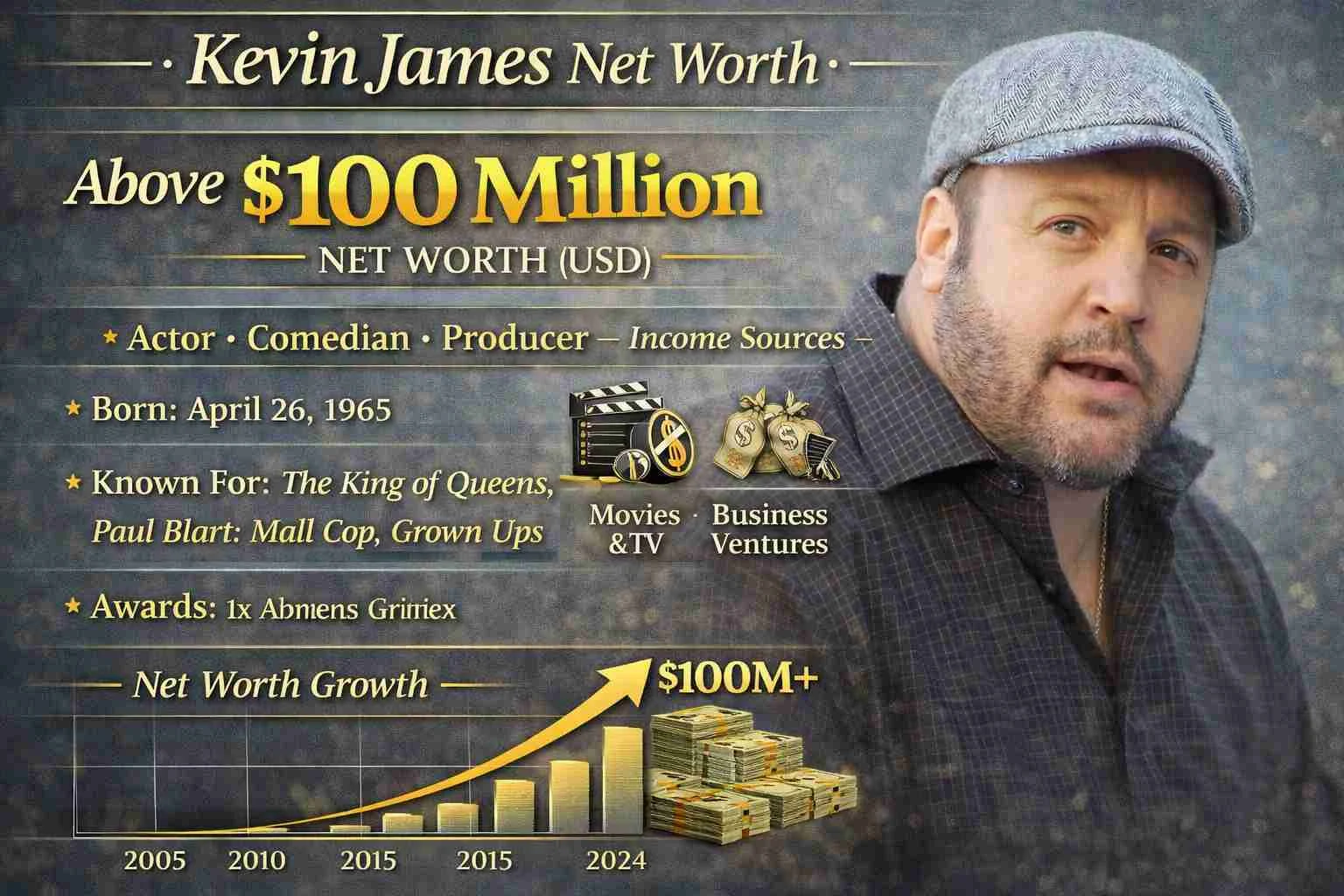
While headline-grabbing figures often suggest that top-tier movie stars take home tens of millions of dollars per project, the financial reality is significantly more complex. In 2026, a movie star’s "net worth" is rarely a reflection of liquid cash; instead, it is a combination of gross earnings, backend participation, brand equity, and diversified investments, all of which are subject to aggressive taxation and high overhead costs.
The Anatomy of a Movie Star Paycheck: Gross vs. Net
When a trade publication reports that an actor is earning $20 million for a single film, that figure represents the gross salary. For the elite tier of Hollywood, this number is merely the starting point of a complex filtration process. By the time the money reaches the actor’s personal bank account, it has usually been reduced by 50% to 60% due to professional commissions and government obligations.
The standard "team" for a high-profile actor typically includes an agent, a manager, and a lawyer. In the current 2026 landscape, the commission structure remains relatively standardized:
- Talent Agent: Generally receives 10% of the gross. Agents are responsible for finding work and negotiating the primary terms of the contract.
- Manager: Usually takes 10% to 15%. Managers focus on long-term career trajectory, branding, and personal logistics.
- Entertainment Lawyer: Typically bills 5% of the gross or an hourly rate. They handle the minutiae of the long-form contract.
- Publicist: Unlike the percentage-based roles, publicists usually work on a monthly retainer, which can range from $5,000 to $15,000 depending on the intensity of a film’s promotional cycle.
Beyond these professional fees, taxes are the most significant deduction. Most high-earning actors live in California or work in jurisdictions with high tax rates. After federal income tax (roughly 37% for top earners) and state taxes, an actor may only retain about 40 cents of every dollar reported in the media.
The Shift in Compensation: Back-end Deals and Streaming Residuals
In the traditional studio model, a "movie star" earned a significant portion of their wealth through backend participation, often referred to as "points." There are two primary types of backend: "First-dollar gross" and "Net profits." First-dollar gross is reserved for the absolute upper echelon—stars like Tom Cruise or Margot Robbie—allowing them to earn a percentage of every dollar the movie makes from its first ticket sale. Net profits, however, are notoriously difficult to collect due to "Hollywood accounting," where studios apply various overhead costs to ensure a film technically never shows a profit on paper.
As of 2026, the rise of streaming services has fundamentally altered this structure. Because streaming films do not have a traditional box office run, there is no "gross" to share. To compensate for the loss of backend earnings, streamers now pay "buyouts." This involves a much larger upfront fee—sometimes as high as $30 million to $50 million—to "buy out" the actor’s potential residuals and profit participation. While this provides immediate wealth, it removes the long-term "lottery ticket" effect of a massive global hit like Avatar or Top Gun: Maverick.
Diversified Income Streams and Brand Equity
For many movie stars, the salary earned from acting is only one component of their total net worth. The most successful actors treat themselves as a brand, leveraging their fame into high-margin business ventures. This trend has accelerated into 2026, as stars seek to insulate themselves from the volatility of the box office.
- Brand Endorsements: Luxury fashion houses, watchmakers, and fragrance brands pay top-tier talent anywhere from $2 million to $15 million annually for global campaigns.
- Production Companies: Many stars, such as Reese Witherspoon or Brad Pitt, have founded production companies (e.g., Hello Sunshine, Plan B). These companies allow actors to earn "producer fees," "overhead allowances," and a larger share of the project's ownership.
- Venture Capital and Startups: Following the lead of actors like Ryan Reynolds and Ashton Kutcher, many stars now take equity stakes in tech startups, beverage companies, or consumer goods instead of cash fees. This equity is often what drives their "net worth" into the hundreds of millions.
Comparing Earnings Across Industry Tiers
The disparity between a "movie star" and a "working actor" is vast. While the top 1% earn eight-figure salaries, the median income for members of SAG-AFTRA (Screen Actors Guild - American Federation of Television and Radio Artists) is surprisingly modest.
| Actor Tier | Typical Per-Project Salary | Primary Income Source | Major Expense |
|---|---|---|---|
| A-List Star | $15M - $40M | Upfront Fee + Backend | Management Team (25%) + Taxes |
| Established Lead | $2M - $7M | Salary + Streaming Buyouts | Taxes + PR + Travel |
| Supporting/Character | $150k - $750k | Scale + Residuals | Agent (10%) + Self-Tape Costs |
| Working Actor | $50k - $150k (Annual) | Day Player Rates + Commercials | Union Dues + Health Insurance |
For the "Working Actor" tier, income is often sporadic. A single guest star role on a television series might pay several thousand dollars for a week's work, but the actor may not book another role for six months. In 2026, the cost of living in production hubs like Los Angeles, New York, or Atlanta often consumes a significant portion of these earnings.
The Role of Residuals in Long-term Wealth
Residuals are payments made to actors for the reuse of their work, such as reruns on television, DVD sales, or appearances on streaming platforms. Historically, residuals were the "pension" of the acting world, providing a steady stream of income long after a project was completed.
Following the landmark labor negotiations of 2023, the 2026 landscape includes more transparent data sharing from streaming platforms. While residuals from streaming are generally lower than those from traditional broadcast syndication, they remain a vital part of a movie star's net worth calculation. For a star with a deep catalog of successful films, annual residuals can total in the hundreds of thousands, or even millions, of dollars without the actor having to step foot on a set.
Hidden Costs: The Price of Being a Movie Star
High net worth in Hollywood comes with high maintenance costs. To maintain the level of visibility required to stay "bankable," stars must invest heavily in their own infrastructure. These are not merely luxuries; in many cases, they are considered business necessities:
- Security: High-profile stars often spend $50,000 to $200,000 annually on private security for public appearances and home protection.
- Travel: Press tours often require private aviation, which, while sometimes covered by the studio, often falls on the actor for personal or last-minute career-related travel.
- Grooming and Styling: While studios pay for hair and makeup on set, the "red carpet ready" look for premieres and awards shows requires personal stylists and glam teams that can cost thousands per day.
- Investment Fees: Managing a net worth of $50 million+ requires wealth managers and accountants who charge an additional 1% to 2% of assets under management.
Frequently Asked Questions
Who is the richest actor in the world in 2026?
The title of the richest actor often fluctuates between those who have successfully pivoted to business. Jerry Seinfeld and Tyler Perry consistently top the list due to their ownership of content libraries and production facilities. Among traditional movie stars, Dwayne "The Rock" Johnson and Tom Cruise remain at the top due to their massive upfront fees and production stakes.
Do actors get paid if a movie flops?
Yes, actors almost always receive their guaranteed upfront salary (often called a "flat fee" or "guaranteed compensation") regardless of how the movie performs. However, if the movie flops, they will not see any "backend" or "profit participation" payments, and their "quote" (the amount they can demand for the next film) may decrease.
How much do actors make from Netflix and Disney+?
In 2026, compensation from major streamers is typically structured as a "total buyout." This means the actor receives a significantly higher upfront fee (e.g., $20 million instead of $10 million) to compensate for the fact that they won't receive traditional residuals based on box office success or TV syndication.
Is an actor's net worth the same as their bank balance?
No. An actor's net worth is a calculated estimate of all their assets—including real estate, production companies, equity in businesses, and future residual streams—minus their liabilities. Most movie stars have a large portion of their wealth tied up in illiquid assets, meaning they may not have tens of millions of dollars in cash readily available.
Do actors pay for their own Oscar campaigns?
While studios typically foot the bill for major "For Your Consideration" (FYC) campaigns, actors often spend their own money on personal publicists and specific events to increase their visibility during awards season. These personal expenditures can reach six figures if an actor is heavily campaigning for a Best Actor or Actress trophy.
Financial Strategy for Modern Performers
For those looking to understand the financial trajectory of a movie star, the key takeaway is diversification. In 2026, relying solely on acting fees is considered a high-risk strategy. The most financially secure actors are those who utilize their peak earning years to acquire income-generating assets. Whether it is George Clooney’s sale of Casamigos or Ryan Reynolds’ various exits in the spirits and telecommunications sectors, the path to true wealth in Hollywood has shifted from the silver screen to the boardroom.
Aspiring performers and industry observers should look past the "per-film" salary and instead analyze the "total enterprise value" of an actor's career. This includes their production company’s output, their social media influence, and their ownership of intellectual property. In the modern era, a movie star is no longer just an employee of the studio; they are a sophisticated corporate entity.