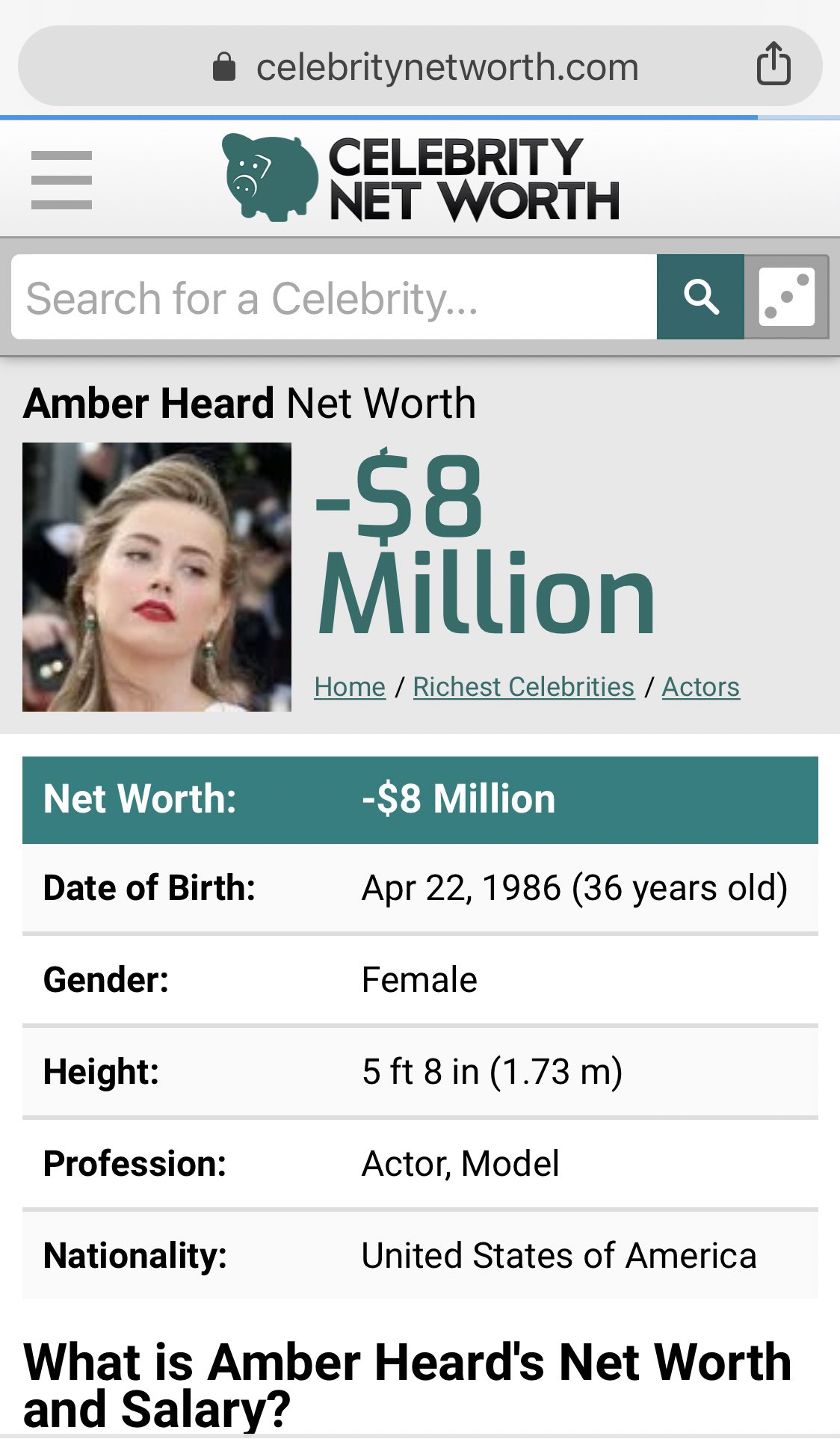
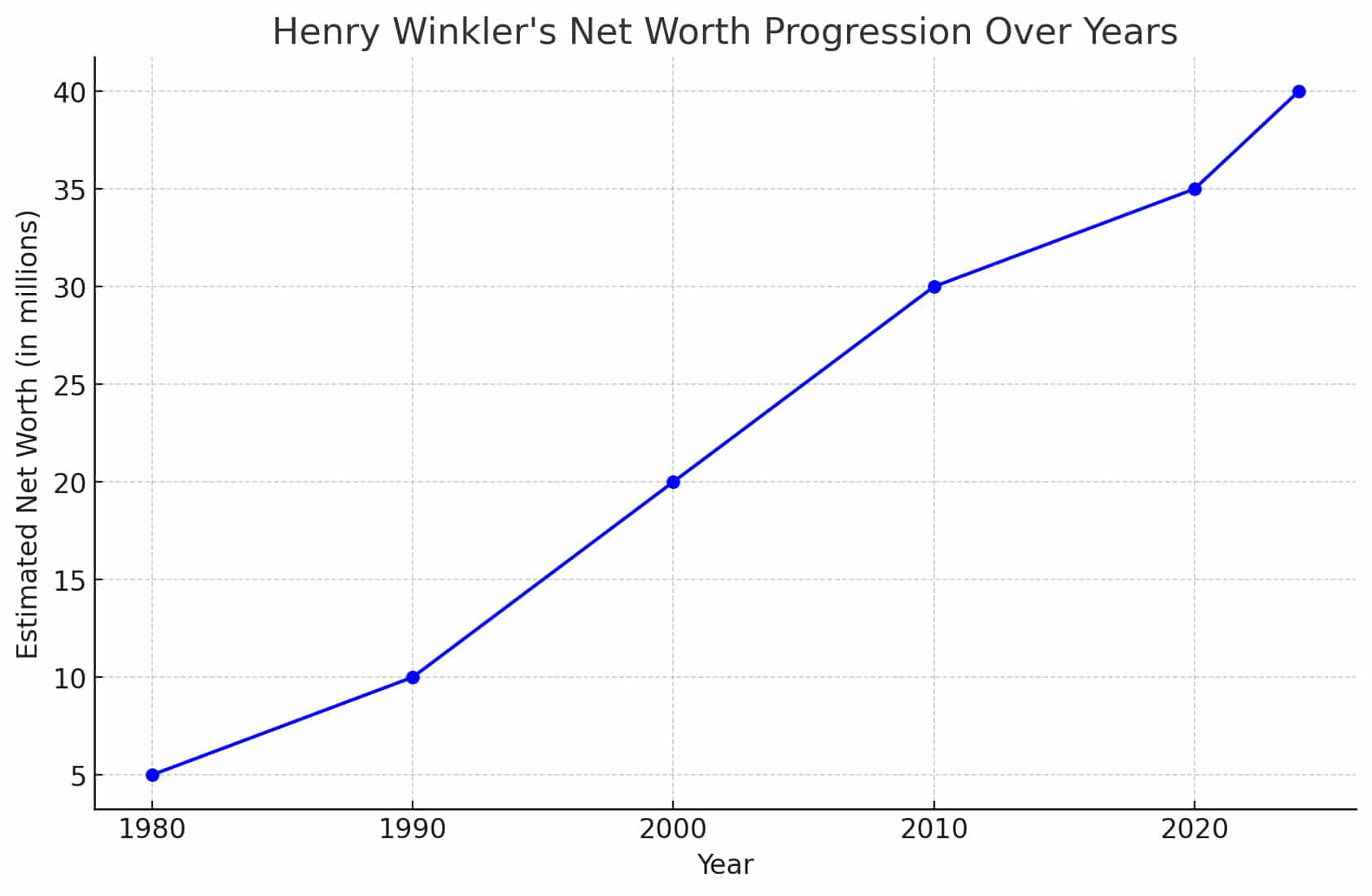
Actors' net worth methodology is a multi-layered forensic estimation process that aggregates known career earnings, residuals, and endorsement contracts with the appraised value of private business ventures and real estate holdings. Because celebrities rarely disclose private bank statements, these figures are calculated by subtracting estimated taxes, representation fees (agents, managers, and lawyers), and lifestyle maintenance costs from a total gross asset valuation.
Estimating the net worth of a high-profile actor in 2026 requires more than just looking at box office receipts. It involves a deep dive into contractual structures, equity stakes in "side" businesses, and the shifting landscape of digital residuals. While the public often views these numbers as definitive, they are sophisticated approximations built on industry standards, public records, and investigative journalism.
The Foundations of Career Earnings: Upfront Pay and Backend Participation
The primary data point for any actor's net worth calculation is their "quote"—the standard fee they command for a film or television project. For A-list talent, this traditionally hovered around $20 million per film, but the 2026 landscape has seen a shift toward more complex performance-based bonuses and "buyouts."
Upfront Salaries and Guarantees
Researchers track trade publications like Variety and The Hollywood Reporter to find reported salary figures. For major franchise films (Marvel, DC, or independent blockbusters), these numbers are often leaked during contract negotiations. However, a $10 million salary does not equate to $10 million in net worth. The methodology immediately applies a standard "haircut" to these figures to account for the professional team. Typically, 10% goes to the agent, 10-15% to a manager, and 5% to a lawyer.
The Evolution of Backend Participation
"Points," or backend participation, represent a percentage of a project's profits. In the past, "First Dollar Gross" was the gold standard, where an actor received a percentage of every dollar the studio earned before expenses. Today, net worth methodology must account for "Cash Break Zero" arrangements, where actors only see profit-sharing after the studio has recouped its production and marketing costs. In 2026, with the maturity of streaming-first releases, these backend deals are often replaced by "success bonuses" triggered by viewership milestones, which are harder for external analysts to verify without internal data leaks.
The Residuals Engine: Long-Tail Passive Income
Residuals remain a cornerstone of long-term wealth for actors, particularly those with extensive television backgrounds. This is money paid for reruns, syndication, and digital streaming.
- Linear Syndication: For shows like Friends or The Big Bang Theory, residuals can generate tens of millions of dollars annually for the lead cast. Methodology here relies on known syndication rates and the frequency of broadcasts.
- Streaming Residuals: Following the landmark labor agreements of the mid-2020s, streaming platforms now provide more transparent data regarding "High Budget Subscription Video on Demand" (HBSVOD) residuals. Analysts use viewership tiers to estimate these quarterly payments.
- The "Burn-Off" Rate: Methodology must account for the fact that residuals diminish over time. A show’s first year of syndication is far more lucrative than its tenth.
Beyond the Screen: Business Ventures and "The Mogul Shift"
In the current era, the most significant spikes in actor net worth often come from outside the film industry. High-level methodology now treats actors as venture capitalists and brand founders.
Private Equity and Brand Ownership
When an actor like Ryan Reynolds or George Clooney sells a liquor brand or a telecommunications stake, their net worth can jump by hundreds of millions of dollars in a single fiscal year. To calculate this, analysts look at:
- Equity Stake: What percentage of the company did the actor own?
- Valuation at Exit: What was the total sale price reported to the SEC or via official press releases?
- Vesting Schedules: Was the payout immediate or spread over several years based on performance targets?
Endorsement Contracts and Brand Ambassadorships
Luxury brand deals (Dior, Chanel, Omega) provide stable, multi-million dollar annual income that is often easier to estimate than film profits. A three-year deal for a fragrance campaign is typically a fixed-fee contract, which analysts add to the "Income" column of the net worth ledger.
Real Estate and Fixed Assets
A significant portion of an actor's wealth is tied up in "non-liquid" assets. Real estate is the most visible and verifiable component of this.
- Public Records: Analysts use property tax records and deed transfers to identify purchases made under "blind trusts" or LLCs frequently used by celebrities.
- Market Appreciation: If an actor purchased a Montecito estate for $10 million in 2018, 2026 methodology applies current market trends and comparable sales (comps) to adjust that asset's value to $18 million or $22 million.
- Maintenance and Liabilities: The methodology must also estimate mortgages. A $30 million mansion is an asset, but if it carries a $15 million loan, only the equity contributes to the net worth.
The "Deduction Logic": From Gross to Net
The most common error in amateur net worth estimation is failing to account for "The Big Three": Taxes, Fees, and Lifestyle Burn.
| Category | Typical Deduction Range | Methodology Notes |
|---|---|---|
| Federal & State Taxes | 40% – 52% | High-earners in California or New York face the highest marginal rates. |
| Professional Team Fees | 25% – 30% | Combined cost of Agent (10%), Manager (10-15%), and Lawyer/Publicist (5%). |
| Lifestyle & Security | $500k – $2M+ annually | Includes private security, travel, staff, and property maintenance. |
| Investment Gains/Losses | +/- 5% – 10% | Standard market returns on liquid capital (stocks/bonds). |
To arrive at a "Net" figure, an analyst takes the lifetime gross earnings, applies a cumulative tax and fee reduction, and then adds the current fair market value of all known assets.
Data Acquisition and Verification Strategies
How do organizations like Forbes or Celebrity Net Worth actually get their numbers? It is a combination of public data and "deep background" sourcing.
- SEC Filings: For actors with significant corporate interests or board seats, filings provide concrete data on stock options and salaries.
- Litigation and Divorces: Court filings are a goldmine for net worth data. Divorce proceedings often require a full disclosure of assets, which becomes part of the public record.
- Industry Insiders: Seasoned reporters speak with entertainment lawyers and forensic accountants who provide "ballpark" figures or confirm if a reported estimate is "in the right neighborhood."
- The "Comparison Scale": If Actor A and Actor B have similar career trajectories and "quotes," but Actor A has a massive endorsement deal with a luxury car brand, their net worths are indexed against each other for consistency.
Modern Challenges in 2026 Methodology
The rise of AI and digital likeness rights has introduced new complexities. In 2026, some actors receive "passive income" from the licensed use of their AI-generated voices or likenesses in video games and localized dubbing. These contracts are often confidential, forcing analysts to estimate value based on standard licensing models. Additionally, inflation-adjusted valuations are now standard; a $50 million net worth in 2010 is significantly different from a $50 million net worth in 2026, requiring researchers to use constant-dollar calculations when comparing historical figures.
How to Interpret Net Worth Estimates
Readers should view reported net worths as "educated floors." Because private investments (hedge funds, startups, art collections) are hidden from public view, the actual wealth of an actor is often higher than the estimated figure. Conversely, if an actor has significant undisclosed debt or high-interest loans, the figure could be lower.
Are these numbers "Real"?
While these methodologies are rigorous, they are not audited financial statements. They serve as a benchmark for an individual's financial power and "market cap" in the entertainment economy. In the professional world, these figures are used by insurance companies to determine premiums for high-value policies and by banks for collateralizing massive loans.
Frequently Asked Questions
Why do different sites show different net worths for the same actor?
Different platforms use varying "haircut" percentages for taxes and fees. Some sites may include the full value of a real estate portfolio without accounting for mortgages, while others use more conservative estimates. Furthermore, the frequency of updates varies; one site may have processed a recent brand deal while another is using data from the previous fiscal year.
Do actors ever confirm their net worth?
Rarely. Most actors prefer to maintain privacy for security and tax reasons. However, some may dispute a figure if it is drastically low (affecting their negotiating power) or dangerously high (making them a target for litigation or kidnapping).
How does inflation affect the methodology in 2026?
Modern methodology uses "Real Value" vs. "Nominal Value." Analysts now frequently adjust historical earnings to 2026 dollars to provide a clearer picture of an actor's career-long wealth-building, especially when comparing stars from different eras.
What is the biggest factor that changes an actor's net worth overnight?
The sale of a private business or a "liquidity event" is the most common reason for a sudden surge. Unlike movie salaries, which are paid over months of production, business exits can result in nine-figure payouts in a single day.
How are debts and liabilities handled in the calculation?
Professional analysts attempt to track public records of liens or foreclosure notices. For high-profile individuals, major liabilities like private jet leases or massive legal settlements are subtracted from the gross asset total once they are verified through legal filings.
Utilizing Net Worth Data for Financial Context
When examining actor net worth methodology, the goal is to understand the "wealth architecture" of a celebrity. By observing the balance between active income (acting) and passive income (investments and residuals), one can gain insights into the long-term viability of an entertainment career. For the average reader, these figures provide a window into the economics of fame, illustrating that a successful acting career is often just the "seed capital" for a much larger financial empire.
For those looking to track these figures, it is recommended to cross-reference data from multiple reputable financial news outlets rather than relying on a single source. Look for detailed breakdowns that mention specific assets or business exits, as these are more likely to be grounded in verifiable data than "black box" algorithmic guesses.