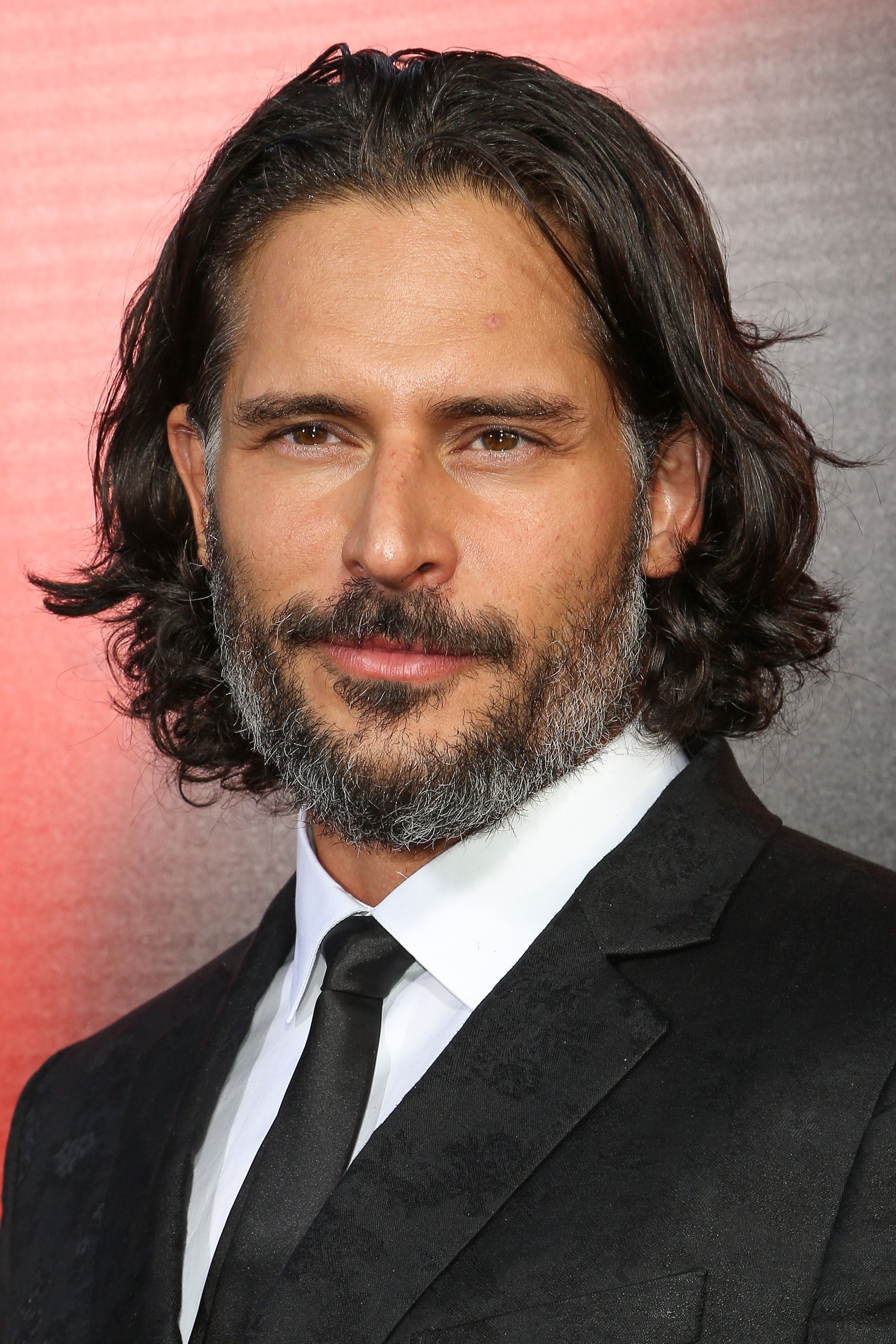
In 2026, the combination of long hair and a full beard remains a powerhouse aesthetic for male actors, bridging the gap between rugged masculinity and refined artistry. This look significantly influences casting decisions, often defining an actor’s "type" while necessitating a rigorous grooming regimen to meet modern high-definition cinematography standards and professional continuity requirements.
The Professional Impact: Versatility versus Typecasting
For an actor, the decision to maintain long hair and a beard is rarely just a personal style choice; it is a strategic career move. In the current 2026 landscape, this aesthetic is synonymous with specific character archetypes, such as the "rugged outdoorsman," the "historical warrior," or the "cerebral artist." While these roles are abundant in high-budget fantasy and period dramas, the look can also be a double-edged sword regarding versatility.
Casting directors often view a long-haired, bearded actor as a "finished product." This can be an advantage during the "look-see" phase of casting for projects like Viking epics or post-apocalyptic thrillers, as the actor already embodies the physical requirements of the role. However, it can also lead to typecasting. An actor with this profile may find it more difficult to be considered for "clean-cut" corporate roles or high-society characters unless they are willing to undergo a significant transformation.
The "transformation" itself has become a marketing tool. In recent years, the "big chop"—where an actor reveals a dramatic new look for a role—has become a staple of PR campaigns, generating social media buzz and signaling a transition into a new phase of a career. Therefore, maintaining the length and volume provides the actor with the literal "raw material" needed to shift their image when the right project arises.
Iconic Archetypes and Cultural Context in 2026
The enduring popularity of this look is rooted in the success of iconic actors who turned long hair and facial hair into a professional trademark. Actors like Jason Momoa, Keanu Reeves, and Jared Leto have demonstrated that this aesthetic can be both commercially viable and high-fashion. In 2026, we see a shift toward "managed ruggedness"—a look that appears effortless but is technically precise.
The cultural shift toward authenticity in the mid-2020s has also played a role. Audiences in 2026 prefer actors who look "lived-in," especially in the era of ultra-high-definition 8K and 12K cinematography. Every stray hair and skin texture is visible, making natural growth often more convincing than prosthetics or lace-front wigs. This demand for realism has encouraged more actors to grow their natural hair and beards to avoid the "uncanny valley" effect often associated with poorly applied hairpieces.
Furthermore, the "Modern Nomad" or "Tech-Philosopher" aesthetic has gained traction. This variation involves long, well-conditioned hair paired with a meticulously trimmed beard, projecting an image of intelligence combined with a rejection of traditional corporate grooming standards. It is a look that resonates with contemporary themes of environmentalism and personal autonomy.
Technical Maintenance for High-Definition Screen Performance
The technical demands of 2026's camera technology mean that an actor’s hair and beard must be in peak condition. Dead ends, frizz, or "beard dandruff" (seborrheic dermatitis) are magnified on screen, potentially distracting the audience or creating extra work for the digital retouching teams in post-production.
Scalp and Follicle Health
Long hair requires a foundation of scalp health. Actors often employ "scalp-first" routines involving exfoliating serums and circulation-boosting massages. Because hair on set is frequently subjected to heat styling, salt sprays, and heavy products, maintaining the structural integrity of the hair shaft is paramount. Using bond-repairing treatments and pH-balanced cleansers helps prevent the "straw-like" texture that can plague long-haired performers.
Beard Precision and Skin Care
The skin beneath a beard is notoriously difficult to manage. Professional actors use non-comedogenic beard oils that hydrate the skin without causing breakouts. In 2026, the trend has moved toward botanical-heavy formulations that offer a matte finish rather than a greasy shine, which can cause unwanted light reflections (specular highlights) during filming.
Trimming is equally technical. A "natural" looking beard on camera is usually the result of "fading" the edges—tapering the hair at the cheeks and neckline to create a shadow effect that defines the jawline. This prevents the "neckbeard" look, which is generally avoided in professional headshots unless specifically required for a character.
Professional Styling and Identity Comparison
The following table illustrates how different variations of the "long hair and beard" look translate to specific casting archetypes in the 2026 market.
| Style Archetype | Hair Characteristics | Beard Style | Common Casting Categories |
|---|---|---|---|
| The Sovereign Warrior | Shoulder length+, natural texture | Full, dense, 2+ inches | Fantasy, Historical Epic, Action Hero |
| The Tech-Visionary | Mid-length, tucked behind ears | Short, groomed "stubble-plus" | Drama, Sci-Fi, Corporate Antagonist |
| The Bohemian Artist | Long, wavy, or "man-bun" capable | Natural, medium length | Indie Film, Romantic Lead, Musician |
| The Survivalist | Unkempt, salt-and-pepper | Long, unshaped, "wild" | Post-Apocalyptic, Thriller, Character Actor |
| The Modern Professional | Chin-length, sleek/straight | Closely cropped, defined lines | High-Fashion, Legal Drama, Protagonist |
Continuity Challenges and the "Hair and Makeup" Relationship
One of the most overlooked aspects of an actor's long hair and beard is the logistical challenge of continuity. On a film set, scenes are often shot out of order. If an actor’s beard is trimmed slightly differently on Tuesday than it was on Monday, it creates a "continuity error" that can be costly to fix.
Actors with significant natural hair must work closely with the Hair and Makeup (HMU) department. The HMU head will often take "continuity photos" from every angle to ensure that the beard's length and the hair’s part remain identical across weeks of filming. This relationship is built on trust; the actor must be disciplined enough not to perform "home maintenance" on their facial hair, as even a small mistake with a trimmer can disrupt the visual flow of a multi-million dollar production.
Additionally, for roles that require a transition—such as a character who ages or spends time in the wilderness—actors may start a project with their maximum length and have it gradually trimmed down. This "reverse filming" allows the production to capture the most rugged look first before refining the actor’s appearance for later (or earlier) scenes in the script.
The Contractual Side: Facial Hair Clauses
In 2026, many high-level acting contracts include "facial hair clauses." These legal stipulations prevent an actor from cutting their hair or shaving their beard for the duration of a project's principal photography and any scheduled "pick-up" shots.
Violating these clauses can result in significant financial penalties or the actor being held liable for the cost of high-end CGI hair replacement. For actors who have "signature" hair, such as those in long-running franchises, their grooming habits may even be regulated during the off-season to ensure they are "camera-ready" for unexpected promotional shoots or reshoots.
Aspiring actors should be aware that while long hair and a beard can be a unique selling point, they also represent a commitment to a specific brand. Changing that brand requires coordination with management and agents to ensure it doesn't negatively impact ongoing or future contracts.
Frequently Asked Questions
Does having long hair and a beard limit an actor's range?
While it can lead to more frequent casting in rugged or historical roles, it does not inherently limit range. Many actors use the look as a "blank canvas," using different styling techniques—such as tying the hair back for a more severe look or softening the beard for a friendlier persona—to adapt to various genres.
How do actors manage beard itch and skin irritation on set?
Actors typically use high-grade, scent-free beard balms and oils. Because sets can be dusty or involve artificial smoke (atmos), deep-cleaning the beard every evening with a dedicated beard wash is essential to prevent "beardruff" and follicular irritation.
Should I keep my long hair and beard for headshots?
If this is your primary "brand" and you are consistently called for roles that fit this look, yes. However, it is often recommended to have at least one "cleaner" look in your portfolio—perhaps with the hair tied back—to show casting directors your facial structure and jawline clearly.
How long does it take to grow a "screen-ready" beard?
For most men, a full, dense beard that looks impressive on camera takes 3 to 6 months of growth without significant trimming. This allows the slower-growing hairs to catch up and provides the density required for high-definition filming.
Are wigs and fake beards still used in 2026?
Yes, but they are increasingly reserved for extreme transformations or for actors who cannot grow their own. Natural hair is preferred for close-ups in 2026 due to the clarity of modern lenses, which can easily pick up the lace backing of even the most expensive hairpieces.
Strategic Recommendation for Aspiring Performers
If you are an actor committed to the long hair and beard aesthetic, your primary objective should be maintenance over length. A medium-length beard that is healthy and well-shaped is infinitely more castable than a long, scraggly one that obscures your facial expressions. Invest in professional grooming tools and high-quality, organic products that prioritize skin health.
When preparing for auditions, research the "vibe" of the production. If it is a modern drama, consider a more groomed, "editorial" version of your look. If it is a period piece, allow the natural texture of your hair to be more prominent. By treating your hair and beard as a professional tool rather than just a personal preference, you position yourself as a versatile and disciplined performer ready for the demands of the 2026 entertainment industry.