An actors audition is a formal performance evaluation where casting directors, producers, and directors assess a performer's suitability for a specific role. It serves as a professional job interview in the entertainment industry, requiring the actor to demonstrate their craft, technical proficiency, and "castability" through prepared material or cold readings.
In the landscape of 2026, the audition process remains the primary gateway for actors to secure work in film, television, theater, and commercial media. While the fundamental demand for talent is timeless, the methodology has evolved into a hybrid model that prioritizes digital efficiency without sacrificing the necessity of artistic depth. Understanding the nuances of the modern audition—from technical self-tape requirements to the psychological preparation for callbacks—is essential for any actor seeking a sustainable career in today’s competitive market.
The Essential Actor’s Toolkit for 2026
Before an actor can step into an audition room or record a self-tape, they must possess a standardized set of professional assets. These materials serve as a digital calling card, allowing casting directors (CDs) to quickly vet talent before granting an audition slot.
Professional Headshots
The headshot remains the most critical tool in an actor's arsenal. In 2026, the industry has moved away from overly retouched, "glamour" style photography in favor of high-resolution, authentic images that look exactly like the actor on an average day. Actors typically need a "theatrical" headshot (focused on dramatic roles) and a "commercial" headshot (showing a warmer, more accessible personality). These images must be updated annually or whenever the actor’s physical appearance significantly changes.
The Modern Acting Resume
An acting resume is distinct from a corporate CV. It should be a single page, highlighting credits categorized by medium: Film, Television, Theater, and Commercials. In 2026, it is standard to include a "Special Skills" section that lists verifiable abilities such as dialects, combat training, or musical instruments. With the rise of international productions, mentioning passport status and work eligibility has also become a requirement for major union roles.
Demo Reels and Clips
A demo reel is a 1-to-2-minute compilation of an actor's best-filmed work. However, casting directors increasingly prefer "clips"—short, 30-second segments of a single scene that allow them to see a specific performance style immediately. For those without professional footage, high-quality "self-tape clips" performed in a controlled environment are now widely accepted as evidence of ability.
Navigating Modern Casting Platforms
The search for auditions has largely migrated to centralized digital ecosystems. While agents and managers handle high-level submissions for major studio projects, most actors manage their daily "breakdowns" (job listings) through professional platforms.
- Actors Access: Still a primary hub for theatrical and television casting in North America.
- Casting Networks (Casting Frontier): Primarily utilized for commercial casting and background work.
- Spotlight: The essential platform for actors working in the United Kingdom and Europe.
- Backstage: A versatile resource for independent films, student projects, and musical theater.
Registration on these platforms often requires a subscription fee, but they provide direct access to "Eco-Cast" invitations and sides (script excerpts). In 2026, many of these platforms have integrated AI-driven matching systems that suggest roles to actors based on the metadata in their profiles, making it imperative to keep profile tags and attributes meticulously updated.
The Anatomy of the Modern Audition Process
The audition journey typically follows a multi-stage progression. Each stage requires a different level of preparation and a slightly different technical approach.
The Self-Tape (First Call)
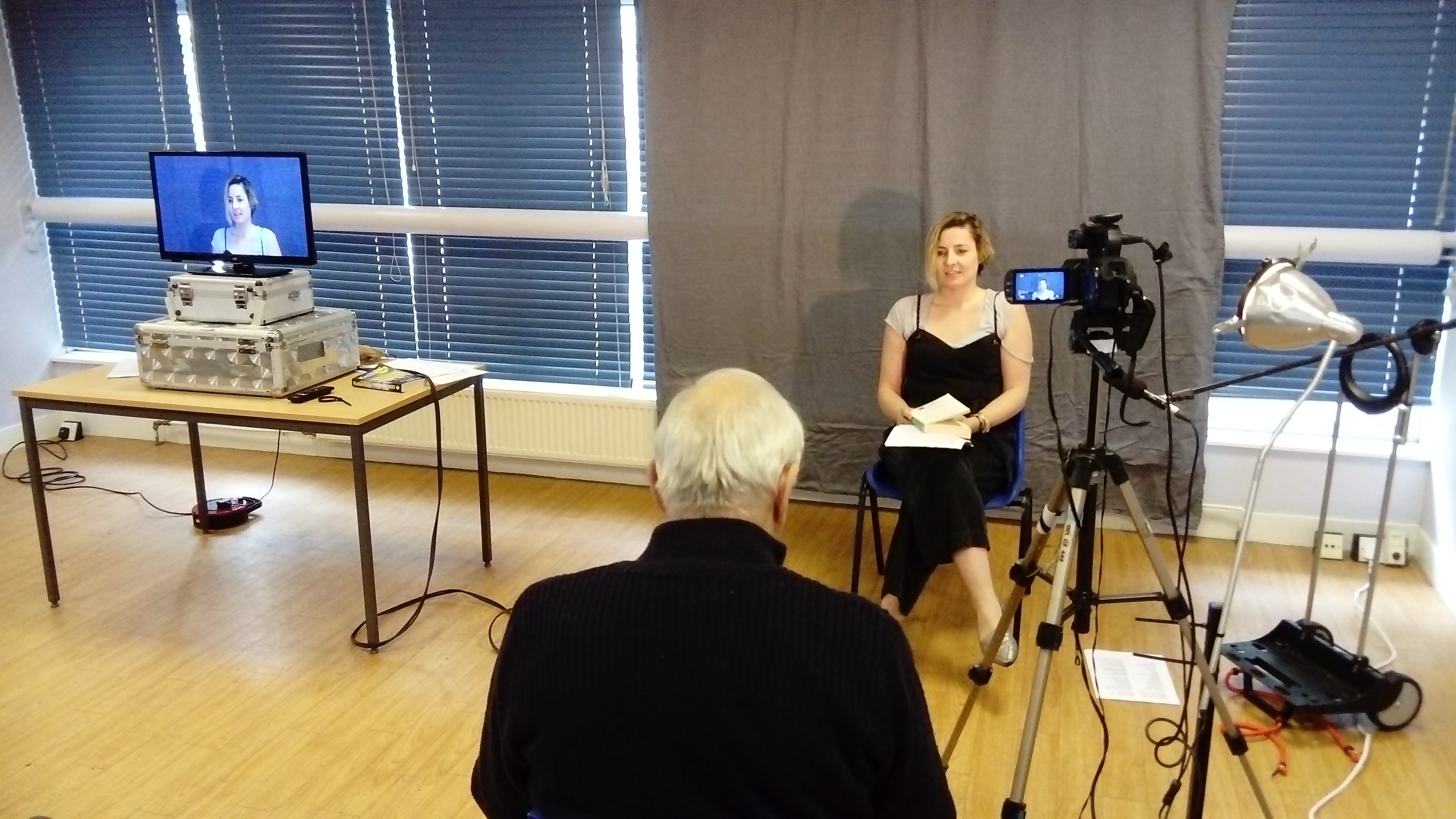
The self-tape has become the industry standard for the initial round of auditions. It places the burden of production on the actor, requiring them to have a "home studio" setup consisting of a neutral backdrop (usually gray or blue), a ring light or three-point lighting system, and a high-quality external microphone. The "reader"—the person speaking the other lines in the scene—should be off-camera and slightly quieter than the actor to ensure the focus remains on the performer.
The Virtual Callback (Zoom/Eco-Cast Live)
If the self-tape impresses the casting team, the actor is invited to a live virtual callback. This allows the director to give "notes" (adjustments) in real-time to see how the actor takes direction. It mimics the intimacy of an in-person room but requires the actor to manage their technical environment while maintaining a high-level performance.
The In-Person Audition and Chemistry Read
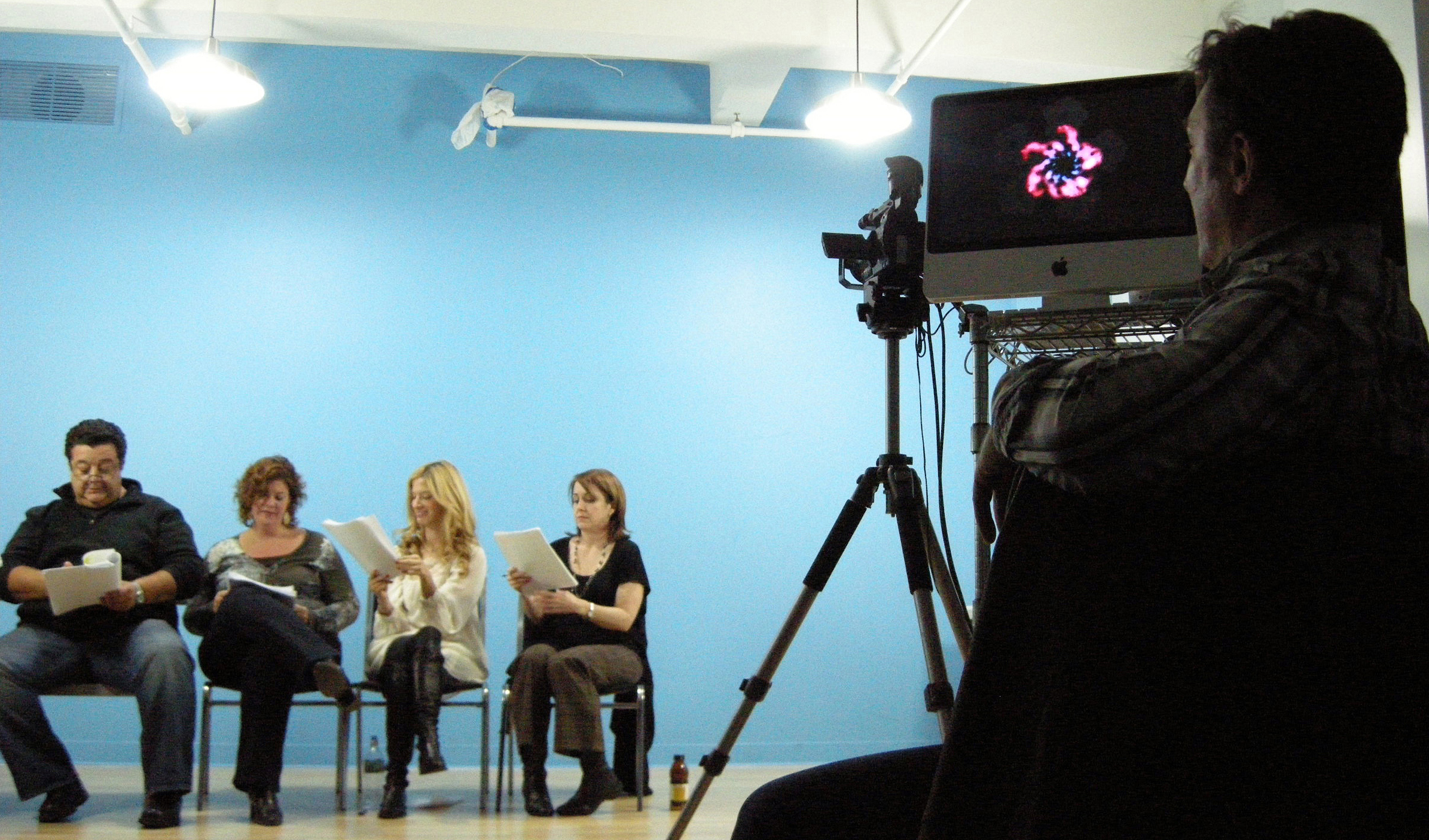
For final selections, especially in lead roles, in-person sessions remain vital. The "Chemistry Read" is a specific type of audition where two or more actors are paired together to see if their on-screen dynamic is believable. This stage is less about individual acting ability and more about the "energy" between performers.
Technical Preparation and Script Analysis
Success in an audition is rarely the result of "luck"; it is the result of deep preparation. Once an actor receives "sides," they must perform a rigorous analysis of the text.
Identifying the Objective: What does the character want in this specific scene? Is it to gain forgiveness, to assert power, or to find a hidden truth? Without a clear objective, a performance lacks focus.
Defining the Stakes: Why must the character achieve this goal now? High stakes create tension and keep the audience engaged. If the character fails, what is the consequence?
Analyzing the Beats: A "beat" is a shift in thought or tactic. Great actors identify these transition points and change their physical or vocal delivery to reflect the character's internal shifts.
Memorization (Off-Book): While it is technically acceptable to hold the sides in an audition, being "off-book" (fully memorized) is expected in 2026. It allows the actor to be fully present and responsive to the reader or the director’s notes.
Audition Types and Requirements Comparison
Different mediums require different performance styles. A theatrical audition for a Broadway stage requires a different physical and vocal scale than a "procedural" television audition.
| Audition Type | Primary Focus | Technical Requirement | Performance Style |
|---|---|---|---|
| Film/Feature | Internal life and nuance | Micro-expressions | Subtle, naturalistic |
| Network TV | Pacing and "the world" | Rapid dialogue delivery | Grounded but high-energy |
| Commercial | Relatability/Brand fit | Direct eye contact (often) | Enthusiastic and "bright" |
| Musical Theater | Vocal range and stamina | Sheet music/Accompanist | Projected and stylized |
| Voiceover | Vocal texture and clarity | Home booth/Acoustics | Auditory storytelling |
Professional Etiquette and "The Slate"
The "slate" is the introductory portion of an audition where the actor states their name, height, location, and representation. In 2026, the slate is often requested as a separate video file. It is the only time during the audition when the actor should be themselves rather than the character.
Key Etiquette Rules:
- Punctuality: For live or virtual auditions, arriving/logging in five minutes early is the standard.
- Wardrobe: Wear "character-suggestive" clothing. If auditioning for a lawyer, wear a professional shirt; if auditioning for a construction worker, a clean flannel or t-shirt is appropriate. Avoid full costumes, which can appear amateurish.
- Eye Line: Do not look directly into the camera lens during the scene unless specifically instructed (common in commercials). Instead, pick a spot just to the left or right of the lens to look at your "reader."
- The "Thank You": At the end of a live session, a brief, professional "Thank you" is sufficient. Avoid lingering or asking for feedback unless the director initiates a conversation.
Post-Audition Protocol and Mental Sustainability
Once the audition is submitted or the room is exited, the actor's job is effectively over. The psychological side of the "actors audition" is often the most challenging aspect of the career.
Tracking and Journaling
Professional actors maintain an audition log. This includes the date, the project, the casting director, the role, and any notes on how they felt about the performance. This helps identify patterns over time—such as which casting directors consistently call them back or which genres they excel in.
Handling Rejection and "Ghosting"
In 2026, the volume of digital submissions means that actors rarely receive a formal "no." They simply don't hear back. This is often referred to as "ghosting" in other industries, but in acting, it is the status quo. It is vital to adopt the mindset that "the audition is the job." Once the performance is delivered, the actor should move on to the next opportunity without emotional attachment to the outcome.
Continuing Education
The industry changes rapidly. Actors who remain successful in 2026 are those who continue to take classes—specifically self-tape technique classes, intimacy coordination workshops, and technology-integration seminars (such as acting for motion capture or AI-assisted productions).
Frequently Asked Questions
What should I do if I forget my lines during a live audition?
If you lose your place, stay in character. If it is a minor stumble, keep going. If you are completely lost, it is better to ask, "May I take that from the top?" or "May I find my place?" than to freeze. Directors value professionalism and the ability to recover under pressure more than a "perfect" first take.
Do I need an expensive camera for self-taping in 2026?
No. Most modern smartphones have cameras capable of 4K video, which is more than sufficient for casting. The more important factors are stable lighting (avoiding shadows on the face) and clear audio. An inexpensive lapel microphone or a shotgun mic connected to your phone will significantly improve the perceived quality of your audition.
How long should a self-tape slate be?
A slate should be concise, usually between 10 and 15 seconds. Unless the casting breakdown asks for specific information (like "tell us a fun fact"), stick to the basics: Name, height, and the city where you are currently located.
Can I audition for roles if I don't have an agent?
Yes. Platforms like Backstage and Actors Access allow for "self-submissions." While having an agent provides access to high-tier "closed" breakdowns, many working actors begin their careers by consistently booking independent and commercial work on their own.
Should I use a "green screen" for my self-tapes?
Generally, no. A solid, neutral-colored wall or a professional pop-up background in gray, blue, or muted tan is preferred. Green screens can cause "color spill" on the actor's skin and can be distracting unless you are a professional editor capable of high-end compositing.
Advancing Your Audition Technique
To truly excel in the actors audition circuit, you must view the process as a craft in itself, separate from the craft of acting on set. The audition is a "sprint" that requires immediate emotional availability, whereas on-set work is a "marathon" that requires consistency over many takes.
The next practical step for any actor is to record themselves performing a two-page scene, then watch it back with a critical, objective eye. Look for physical "tics" (like excessive blinking or swaying) and listen for vocal monotony. By becoming your own most honest critic and technical director, you bridge the gap between "acting" and "booking." Consistency in your preparation and a professional approach to the digital requirements of 2026 will eventually yield results in an industry that rewards persistence as much as talent.