The actor-studio relationship defines how talent and production entities collaborate to create cinematic and episodic content. Historically characterized by rigid, exclusive "system" contracts, the modern 2026 landscape focuses on flexible, multi-platform agreements, rigorous digital likeness protections, and union-mandated transparency regarding streaming residuals and generative artificial intelligence usage.
For nearly a century, the bond between the performer and the production house has served as the backbone of the entertainment industry. This relationship is not merely a employment agreement; it is a complex web of legal, creative, and financial dependencies that has evolved from the total control of the Golden Age to the decentralized, tech-driven marketplace of 2026. Understanding this dynamic requires a look at how contracts are structured, how power shifts during negotiations, and how new technologies have forced a fundamental re-evaluation of what a studio "owns" when they hire an actor.
Historical Foundation: The Rise and Fall of the Studio System
The origins of the actor-studio relationship lie in the "Studio System" of the 1920s through the 1940s. During this era, major entities like MGM, Warner Bros., and Paramount operated as vertical monopolies. Actors were typically signed to "Seven-Year Contracts," which gave studios absolute control over their professional and, often, personal lives. Studios could loan actors to other companies like equipment, dictate their public image, and even decide which roles they would play without any right of refusal.
This era of "indentured stardom" began to crumble with the 1948 Supreme Court decision in United States v. Paramount Pictures, Inc., which forced studios to divest from their theater chains. Simultaneously, landmark legal challenges by actors—most notably Olivia de Havilland—ended the practice of studios unilaterally extending contracts when an actor refused a role. De Havilland’s victory in 1944 (The De Havilland Law) remains a cornerstone of California Labor Code Section 2855, limiting personal service contracts to a maximum of seven calendar years.
By the mid-20th century, the relationship shifted from one of ownership to one of negotiation. Agents and managers rose to prominence, acting as intermediaries. This transition marked the birth of the "freelance" era, where stars became independent brands, and studios became financiers and distributors rather than feudal lords.
Modern Contractual Frameworks: From Exclusivity to Independence
In 2026, the actor-studio relationship is governed by the SAG-AFTRA (Screen Actors Guild-American Federation of Television and Radio Artists) collective bargaining agreements. These master contracts set the "floor" for wages, working conditions, and benefits, but individual "deal memos" negotiate the "ceiling" for top-tier talent.
The Death of Traditional Exclusivity
One of the most significant shifts in the last decade has been the easing of exclusivity clauses. In the early days of "Peak TV," a series regular on a network show was often barred from working on any other project for the duration of their contract. Today, the relationship is more porous. "First-look" deals and "carve-outs" allow actors to pursue limited series, podcasts, or independent films during their hiatus. Studios have accepted this because a high-profile actor who remains culturally relevant across multiple platforms increases the value of the studio's own project.
Step Deals and Options
Most relationships begin with an "option." A studio pays a fee to "hold" an actor for a specific period while a project is in development. If the project is "greenlit," the contract moves through various "steps"—from pre-production and principal photography to post-production and promotional tours. The studio-actor relationship is essentially a series of renewed promises, where the studio maintains the right to continue the relationship (options for subsequent seasons or sequels) while the actor is often legally bound to remain available.
Digital Likeness and the AI Era: Navigating Performance Rights
As we move through 2026, the most contentious aspect of the actor-studio relationship involves Digital Replicas and Generative Artificial Intelligence (GAI). Following the historic strikes of 2023, the industry established clear boundaries that define the "ownership" of an actor's essence.
Consent, Compensation, and Control
The relationship now hinges on three pillars regarding digital technology:
- Consent: Studios cannot create a digital double of an actor (using scans or voice synthesis) without specific, informed consent at the time of use. A "blanket" clause in an initial contract is no longer sufficient for future iterations.
- Compensation: If a studio uses a digital replica to perform a scene the actor did not physically film, the actor must be compensated as if they were present on set.
- Control: Actors (and their estates) maintain a degree of creative control over how their likeness is used, preventing studios from placing a digital version of a "wholesome" actor in graphic or brand-damaging content.
This technological shift has turned the studio-actor relationship into a long-term data partnership. Studios are now tasked with acting as "custodians" of high-resolution biometric data, requiring robust cybersecurity protocols to protect the digital assets of their talent pool.
The Influence of the Actors Studio (Organization) on Professional Standards
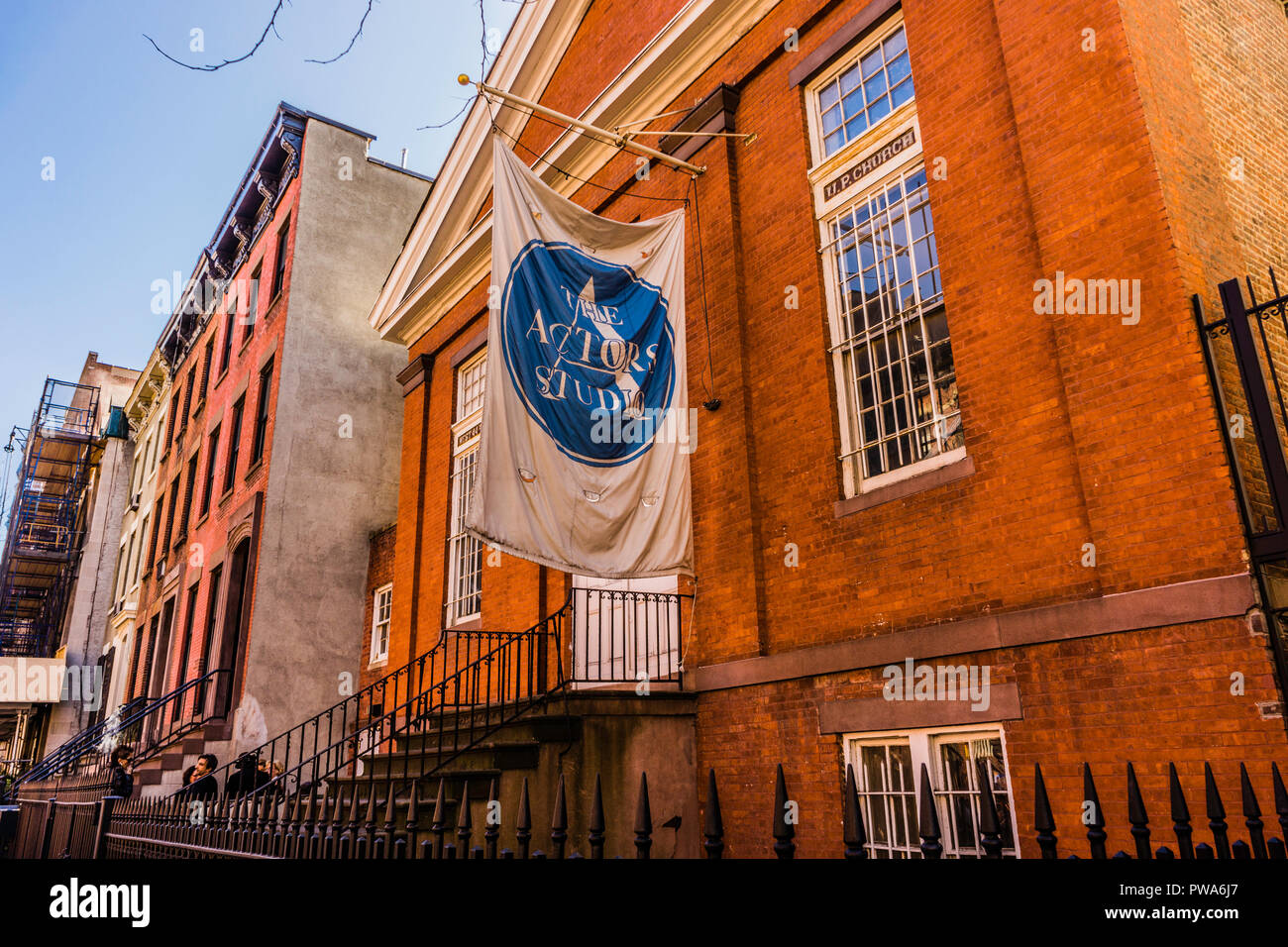
It is essential to disambiguate the "actor-studio relationship" from The Actors Studio, the world-renowned membership organization founded in 1947 by Elia Kazan, Cheryl Crawford, and Robert Lewis. While the former refers to a business dynamic, the latter is a creative sanctuary that has profoundly influenced how actors interact with studios.
The Actors Studio, currently led by presidents such as Al Pacino, Ellen Burstyn, and Alec Baldwin, pioneered "The Method." This approach changed the actor's power in the relationship by emphasizing psychological realism and emotional truth. Actors trained at the Studio (such as Marlon Brando, James Dean, and Meryl Streep) brought a new level of "creative authorship" to their roles.
Because of the influence of The Actors Studio, the modern relationship often includes "creative consultation" rights for lead performers. Studios no longer view actors as "puppets" but as collaborators who contribute to the script, character development, and even casting decisions. This shift has elevated the actor from a line-reader to a co-producer in many high-budget instances.
Compensation and Residuals: The Shifting Financial Landscape
The financial relationship between actors and studios has been upended by the transition from theatrical/broadcast models to global streaming. In the 20th century, residuals (payments for reruns and home media) provided a "middle-class" living for many actors. In the streaming-dominant era of 2026, the relationship focuses on "success-based" metrics.
Comparing Historical vs. Modern Dynamics
| Feature | Golden Age System (1930s-40s) | Modern Industry (2026) |
|---|---|---|
| Contract Duration | 7-year exclusive "standard" | Project-based or multi-year options |
| Creative Control | Minimal (Studio-led) | High for stars (Creative Consultation) |
| Residuals | None (Buyouts) | Platform-based / Success-based metrics |
| Image Rights | Studio-owned | Talent-owned (Protected by SAG-AFTRA) |
| Exclusivity | Total (Morals Clauses included) | Limited (Multiple platform carves-outs) |
| AI/Digital | Not Applicable | Strict consent and compensation rules |
The "backend" participation—where an actor receives a percentage of the profits—has become rarer as studios move toward "cost-plus" models. In these agreements, studios pay a higher upfront fee (a "buyout") to compensate for the lack of long-term residuals. However, for 2026, new transparency data requirements allow actors to verify streaming hours, leading to "success bonuses" when a program exceeds specific viewership thresholds on platforms like Netflix, Disney+, or Amazon Prime.
Navigating Legal and Ethical Boundaries
The relationship is also defined by "Morals Clauses" and "Standard Terms and Conditions." A studio maintains the right to terminate a relationship if an actor’s public conduct brings "disrepute, contempt, or scandal" to the project. Conversely, modern contracts often include "Inclusion Riders" and "Safety Protocols," which were less common a decade ago.
The studio is legally responsible for providing a safe working environment, which in 2026 includes the presence of Intimacy Coordinators for any scenes involving nudity or simulated sex. This is a formalization of the "duty of care" the studio owes the actor, ensuring that the power imbalance inherent in the relationship does not lead to exploitation.
Common Contractual Challenges
- Force Majeure: Studios may suspend the relationship (and payments) during strikes, pandemics, or "acts of God."
- Pay-or-Play: A high-level agreement where the studio must pay the actor their full fee even if the project is never filmed, provided the actor remains "ready, willing, and able."
- Right of Publicity: California law (specifically Civil Code Section 3344) protects an actor’s name, voice, and likeness from unauthorized commercial use by a studio outside the specific project they were hired for.
Frequently Asked Questions
Can a studio replace an actor with an AI version without their consent?
No. Under current 2026 labor agreements and state laws, studios must obtain clear, written consent to create or use a digital replica of a performer. This consent must be specific to the project and cannot be buried in general boilerplate language. If a replica is used, the actor must be compensated at a rate equivalent to their standard performance fee.
What is the difference between a "studio" and a "production company" in this relationship?
The "studio" (e.g., Universal, Warner Bros.) typically provides the financing, infrastructure, and distribution. The "production company" (e.g., Plan B, Imagine Entertainment) often manages the day-to-day creative process. An actor’s contract is usually with a "loan-out" company formed by the actor, which then contracts with a "Special Purpose Subsidiary" created by the studio for that specific project to limit liability.
How do residuals work in the streaming era of 2026?
Residuals have moved toward a "Global Streaming Residual" model. Instead of payments based on every individual airing, actors receive a fixed annual fee based on the number of subscribers the platform has, plus potential "success bonuses" if the title ranks in the platform's top tier of viewed content. These payments are calculated and distributed by the union (SAG-AFTRA).
Does membership in The Actors Studio provide an advantage in studio negotiations?
While membership in The Actors Studio (the organization) is highly prestigious and signifies a high level of craft, it is not a formal bargaining chip in financial negotiations. However, the reputation of being a "Studio member" can lead to higher-quality roles and more significant "creative consultation" rights, as studios recognize the actor’s commitment to professional excellence.
What happens if an actor refuses to do a sequel?
This depends on the "options" in the original contract. Most studio contracts for franchise films (like Marvel or DC) include "multi-picture deals." If an actor has signed for three films and refuses the second, they are in "material breach." The studio can sue for damages or seek an injunction to prevent the actor from working on other projects during the time they should have been filming the sequel.
Strengthening the Professional Bond
For actors navigating the studio landscape in 2026, the key to a healthy relationship is a combination of legal literacy and brand autonomy. Talent should ensure their representatives (agents, managers, and lawyers) are hyper-focused on "Data Rights" and "Likeness Protection," as these are the most valuable assets in a digital economy.
The most successful actors today treat the studio as a partner rather than an employer. This involves staying active in the union to maintain collective bargaining strength, while simultaneously building independent production entities to "co-produce" with the majors. By moving from a "work-for-hire" mindset to a "creative partner" mindset, actors can ensure they are protected both financially and artistically in an ever-shifting media environment.