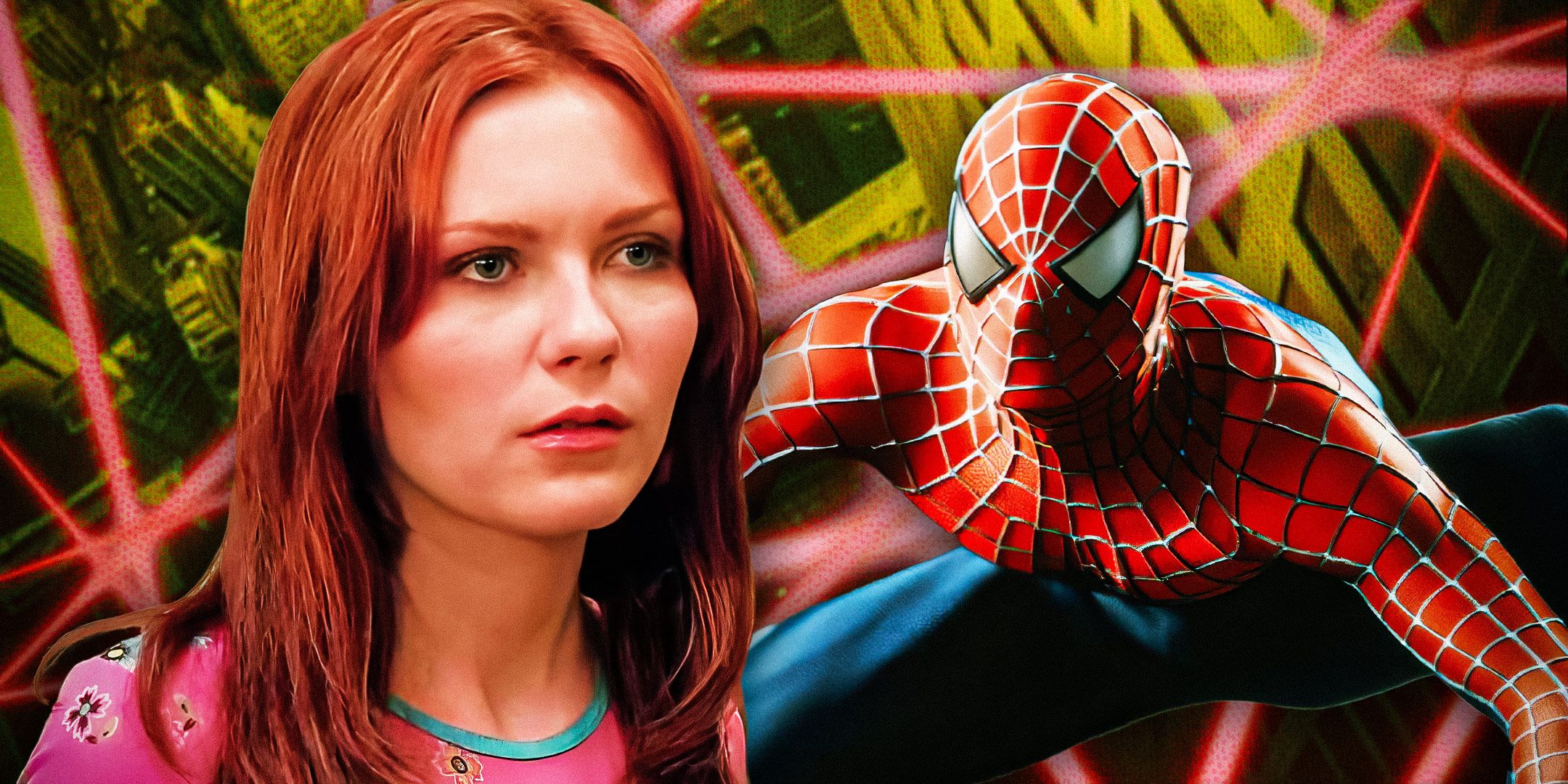
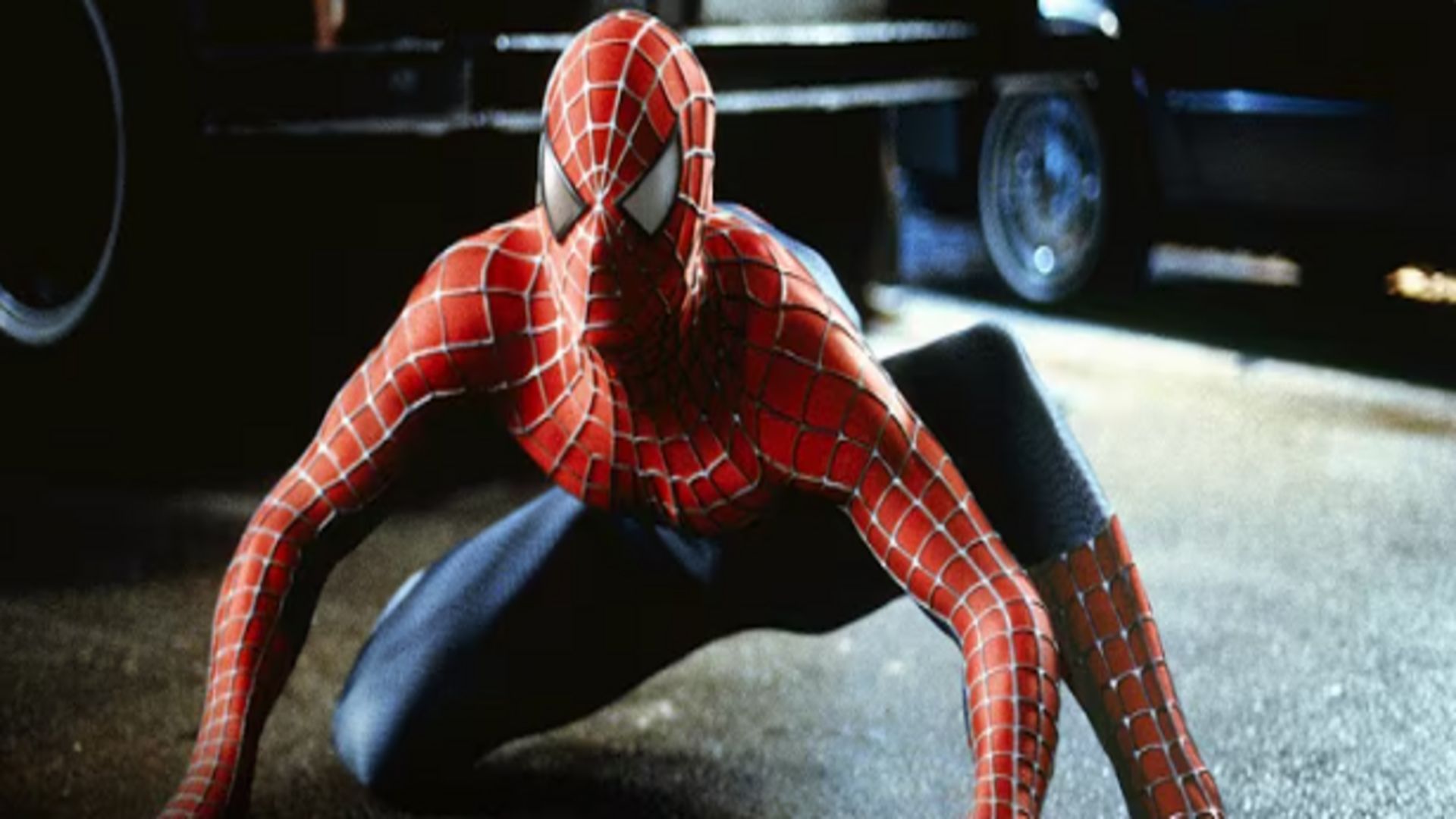
The 2002 film Spider-Man, directed by Sam Raimi, features a definitive cast led by Tobey Maguire as Peter Parker/Spider-Man, Willem Dafoe as Norman Osborn/Green Goblin, and Kirsten Dunst as Mary Jane Watson. This ensemble established the foundational archetypes for the modern superhero genre, blending grounded human drama with comic book theatricality.
The 2002 production of Spider-Man was a watershed moment for Marvel Cinema. As of 2026, nearly a quarter-century after its initial release, the film remains a touchstone for fans and scholars alike. The casting decisions made by Sam Raimi and the production team were not merely about star power; they were about finding actors who could inhabit the "everyman" quality of Stan Lee and Steve Ditko’s original creations while handling the physical demands of a high-budget action blockbuster. This guide provides an exhaustive breakdown of the primary, secondary, and cameo performers who brought the borough of Queens and the skyline of Manhattan to life.
The Core Trio: Defining a Generation of Heroes
The emotional weight of the 2002 film rests on three central characters whose lives intersect in a tragic triangle of friendship, love, and hidden identities.
Tobey Maguire as Peter Parker / Spider-Man
Tobey Maguire was an unconventional choice at the time, known more for indie dramas like The Cider House Rules than action spectacle. His portrayal of Peter Parker emphasized the character’s vulnerability, social awkwardness, and intellectual curiosity. Maguire’s Peter is a young man burdened by guilt and a sense of duty, perfectly capturing the "Parker Luck"—the idea that even with superpowers, his personal life remains a struggle.
Maguire’s physical transformation was equally significant. He underwent months of intensive training to achieve the lean, athletic physique necessary for the suit. In the 2002 iteration, the choice to use organic web-shooters (a departure from the comics' mechanical ones) meant that Maguire had to convey the hero's powers as a biological extension of his own body, a task he achieved through expressive physical acting.
Kirsten Dunst as Mary Jane Watson
Kirsten Dunst brought a sense of realism to Mary Jane Watson, the "girl next door" with a complicated home life. Unlike the high-fashion model often depicted in early comics, Dunst’s MJ is an aspiring actress struggling with an abusive father and financial instability. This version of the character provides the film’s emotional anchor, representing the life Peter desperately wants but feels he must avoid to keep her safe. The chemistry between Dunst and Maguire culminated in the iconic "upside-down rain kiss," which remains one of the most recognized scenes in cinematic history.
James Franco as Harry Osborn
James Franco portrays Harry Osborn, Peter’s best friend and the neglected son of industrialist Norman Osborn. Franco’s performance captures the insecurity of a young man living in his father's shadow. Harry serves as a crucial narrative bridge; he is Peter's confidant but also his romantic rival for Mary Jane’s affections. This tension lays the groundwork for the interpersonal conflicts that define the trilogy, as Harry’s loyalty to his family eventually clashes with his friendship with Peter.
The Antagonist: A Masterclass in Dual Personas
The success of Spider-Man (2002) depended heavily on a villain who could match the hero’s emotional stakes.
Willem Dafoe as Norman Osborn / Green Goblin
Willem Dafoe’s performance as Norman Osborn is often cited as one of the greatest villainous turns in the superhero genre. Dafoe played the role with a dualistic intensity, portraying Norman as a desperate businessman and the Goblin as a cackling, chaotic manifestation of Norman’s suppressed rage.
One of the most technically impressive aspects of Dafoe's performance was his ability to act through a restrictive prosthetic mask and suit. However, his most chilling scenes occur without the mask, such as the famous "mirror scene," where Norman carries out a conversation with his own reflection. Dafoe insisted on performing many of his own stunts, bringing a visceral energy to the hand-to-hand combat scenes with Maguire. As we look back from 2026, his reappearance in later multiverse films has only solidified the 2002 portrayal as the definitive version of the character.
The Moral Compass: Ben and May Parker
The Parker family dynamics provide the film’s ethical framework. The actors chosen for these roles needed to convey decades of history and unconditional love in limited screen time.
Cliff Robertson as Ben Parker
Cliff Robertson, an Academy Award winner, brought gravitas to the role of Uncle Ben. His delivery of the "With great power comes great responsibility" speech—originally a caption in the comics—transformed the line into the guiding principle of the entire franchise. Robertson’s Ben Parker is depicted as a humble, hard-working man whose sudden death serves as the catalyst for Peter’s transformation from a selfish teenager to a selfless protector.
Rosemary Harris as May Parker
Rosemary Harris portrayed Aunt May with a mix of fragility and immense inner strength. While the character is often seen as a victim of the film’s various disasters, Harris imbues her with a keen intuition, suggesting that she may understand Peter’s secrets better than he realizes. Her performance ensured that the stakes of the film were not just about saving the city, but about protecting the hearth and home.
The Daily Bugle and Support Cast
The world-building of Sam Raimi’s New York was enhanced by a vibrant supporting cast that populated the offices of the Daily Bugle and the streets of Queens.
| Actor | Character | Role Description |
|---|---|---|
| J.K. Simmons | J. Jonah Jameson | The blustering, Spider-Man-hating Editor-in-Chief of the Daily Bugle. |
| Elizabeth Banks | Betty Brant | Jameson’s secretary and a sympathetic figure to Peter Parker. |
| Bill Nunn | Robbie Robertson | The level-headed editor at the Bugle who often defends Spider-Man. |
| Ted Raimi | Ted Hoffman | A Bugle employee frequently on the receiving end of Jameson’s rants. |
| Joe Manganiello | Flash Thompson | Peter’s high school bully and Mary Jane’s initial boyfriend. |
| Gerry Becker | Maximilian Fargas | A board member at Oscorp who falls victim to Norman’s transformation. |
| Jack Betts | Henry Balkan | An Oscorp board member who opposes Norman's research. |
J.K. Simmons: A Casting Miracle
It is impossible to discuss the 2002 cast without highlighting J.K. Simmons. His portrayal of J. Jonah Jameson is widely considered the most accurate comic-to-screen casting in history. Simmons captured Jameson’s staccato speech patterns, physical mannerisms, and flat-top haircut with such precision that he became synonymous with the role, eventually being cast in the same role across different cinematic universes.
Notable Cameos and Early Roles
The 2002 film features several appearances by actors who were then at the start of their careers or were staples of the Raimi "cinematic family."
- Bruce Campbell: A long-time collaborator of Sam Raimi, Campbell appears as the Ring Announcer who gives "Spider-Man" his name during the wrestling match. This was the first of his three unique cameos in the trilogy.
- Octavia Spencer: The future Oscar winner has a brief role as the check-in girl at the wrestling tournament where Peter attempts to win prize money.
- Macy Gray: The singer appears as herself, performing at the World Unity Festival during the Green Goblin's first major public attack.
- Lucy Lawless: Known for Xena: Warrior Princess, Lawless makes a quick appearance as a "punk rock girl" in a montage of New Yorkers reacting to Spider-Man’s arrival.
- Stan Lee: In what became a tradition, the Spider-Man co-creator appears briefly during the festival attack, pulling a young girl out of harm's way.
Impact of Casting on the Superhero Genre
The casting of Spider-Man (2002) broke the mold of the time. Previously, superhero films often sought out "muscle-bound" action stars or relied heavily on established A-list veterans to carry the film. Raimi’s approach was different: he prioritized character actors. By casting Maguire and Dafoe, the film signaled that the internal psychological struggle of the characters was just as important as the external visual effects.
This "character-first" casting philosophy paved the way for the Marvel Cinematic Universe (MCU). The success of Robert Downey Jr. as Iron Man or Chris Evans as Captain America can be traced back to the proof of concept provided by the 2002 Spider-Man cast. They proved that audiences would connect more deeply with a hero who felt human and a villain who felt tragic.
Frequently Asked Questions
Who played the Green Goblin in the 2002 Spider-Man?
Willem Dafoe played the role of Norman Osborn and his alter ego, the Green Goblin. Dafoe was praised for his ability to portray the character's descent into madness and for his physical dedication to the role, including performing many of his own stunts.
Was Joe Manganiello in the original Spider-Man?
Yes, Joe Manganiello made his film debut in Spider-Man (2002) as Flash Thompson, the high school athlete who bullies Peter Parker. This role served as a springboard for his later career in films like Magic Mike and his portrayal of Deathstroke in the DC Extended Universe.
How old was Tobey Maguire when he played Peter Parker?
Tobey Maguire was 26 years old during the filming of the 2002 movie, though he was portraying a high school senior (approximately 17 or 18 years old). His youthful features and "everyman" charm helped bridge the age gap for the audience.
Did any of the 2002 cast members return in later films?
As of 2026, several cast members have reprised their roles. Tobey Maguire, Willem Dafoe, and J.K. Simmons all appeared in the 2021 film Spider-Man: No Way Home, which utilized a multiverse plot to bring the 2002 characters into the modern MCU timeline. J.K. Simmons has also appeared as a version of J. Jonah Jameson in the Tom Holland-led films.
Who was the woman J. Jonah Jameson’s secretary?
The character of Betty Brant was played by Elizabeth Banks. In the comics, Betty is a significant love interest for Peter, but in the 2002 film, she serves primarily as a supporting character at the Daily Bugle.
Exploring the 2002 Cast Legacy in 2026
For those looking to revisit this classic, the best approach is to watch the "Spider-Man: Legacy Collection" or high-definition 4K restorations available on major streaming platforms. Pay close attention to the background characters and the subtle facial acting of the leads; much of the film's enduring charm comes from the earnestness the actors brought to what was then an unproven genre. Whether you are a long-time fan or a newcomer exploring the roots of the superhero craze, the 2002 cast remains the definitive blueprint for the Web-Slinger’s cinematic journey.