Actor relationships encompass the professional, social, and romantic connections between performers that influence casting decisions, on-set chemistry, and long-term career trajectories. These interactions range from formal mentorships and agency-driven "packaging" to high-profile romantic partnerships, all occurring within a high-stakes industry where a performer's reputation and network are often as critical as their technical talent.
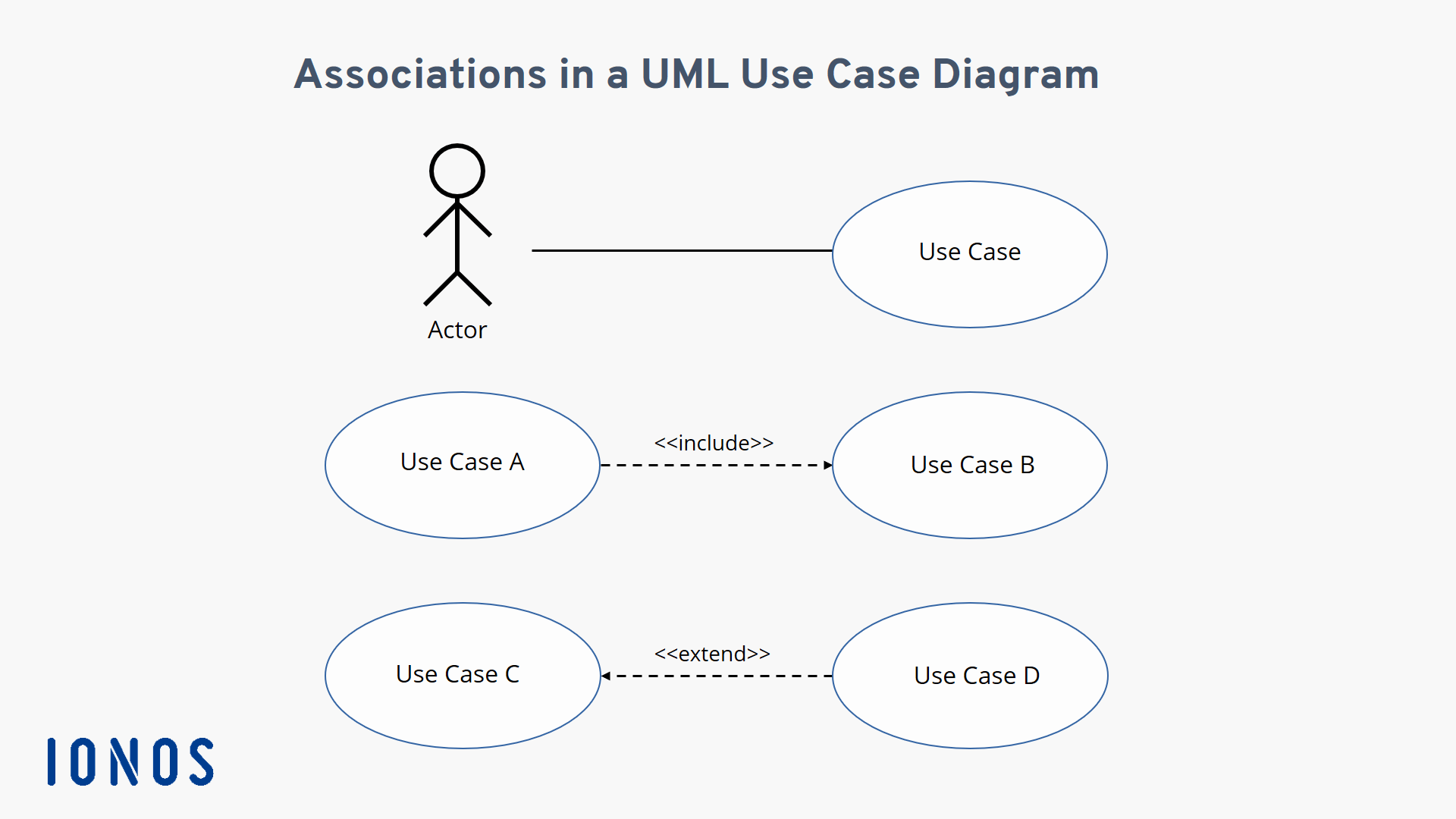
While the term "actor relationships" occasionally appears in software engineering to describe the interaction between users and systems in Unified Modeling Language (UML) diagrams, in the context of the entertainment industry, it refers to the human-to-human landscape of Hollywood and global theater. Navigating these connections requires a sophisticated understanding of industry etiquette, public relations, and the collaborative nature of storytelling.
The Professional Infrastructure of Actor Relationships
At its core, the acting industry is built on a foundation of professional interdependence. No actor works in a vacuum; every performance is the result of a relationship between co-stars, directors, and the supporting cast. These professional bonds are often established long before a camera rolls, facilitated by a network of agents, managers, and casting directors.
In 2026, the concept of "packaging" remains a dominant force in how actor relationships are leveraged. Packaging occurs when a talent agency represents multiple high-profile actors, a director, and a screenwriter, and presents them as a "bundle" to a studio. This creates an immediate, pre-existing professional relationship between the actors involved. For the performers, these relationships are strategic; working frequently with the same circle of peers can lead to "shorthand" on set, where actors understand each other's rhythms and methods, leading to higher-quality productions.
Furthermore, the relationship between established actors and emerging talent—often formalized through mentorship—serves as the industry's primary preservation mechanism. Veteran actors often use their production companies to "pull up" younger performers, creating a lineage of talent. This dynamic is not merely philanthropic; it is a vital part of legacy-building and ensures that established stars remain relevant by associating with the next generation of "bankable" names.
The Science of On-Set Chemistry and Collaboration
One of the most scrutinized aspects of actor relationships is "chemistry." While often discussed in romantic terms, chemistry is a technical requirement for any successful pairing, whether it be a duo in a "buddy cop" film, a parent and child, or bitter rivals.
Casting directors frequently utilize chemistry tests (or "screen tests") to verify that two actors have a believable rapport. This process involves bringing in finalists for a role to read scenes with the already-cast lead. The goal is to observe the non-verbal communication, the timing of their dialogue, and the "energy" between them. If the relationship between the actors feels forced, it can alienate the audience and diminish the suspension of disbelief.
Beyond the technical aspect, the methodology used by actors significantly impacts their working relationships. Actors who utilize "Method Acting" (staying in character throughout production) may create strained relationships with co-stars who prefer a "Classical" approach, which involves turning the performance on and off. As of 2026, the industry has placed a higher premium on "set health," where the psychological safety of the cast is prioritized. This has led to the widespread use of intimacy coordinators, whose role is specifically to manage the professional relationship between actors during sensitive or physical scenes, ensuring that boundaries are respected and the relationship remains strictly professional.
The Strategic Role of Public and Romantic Associations
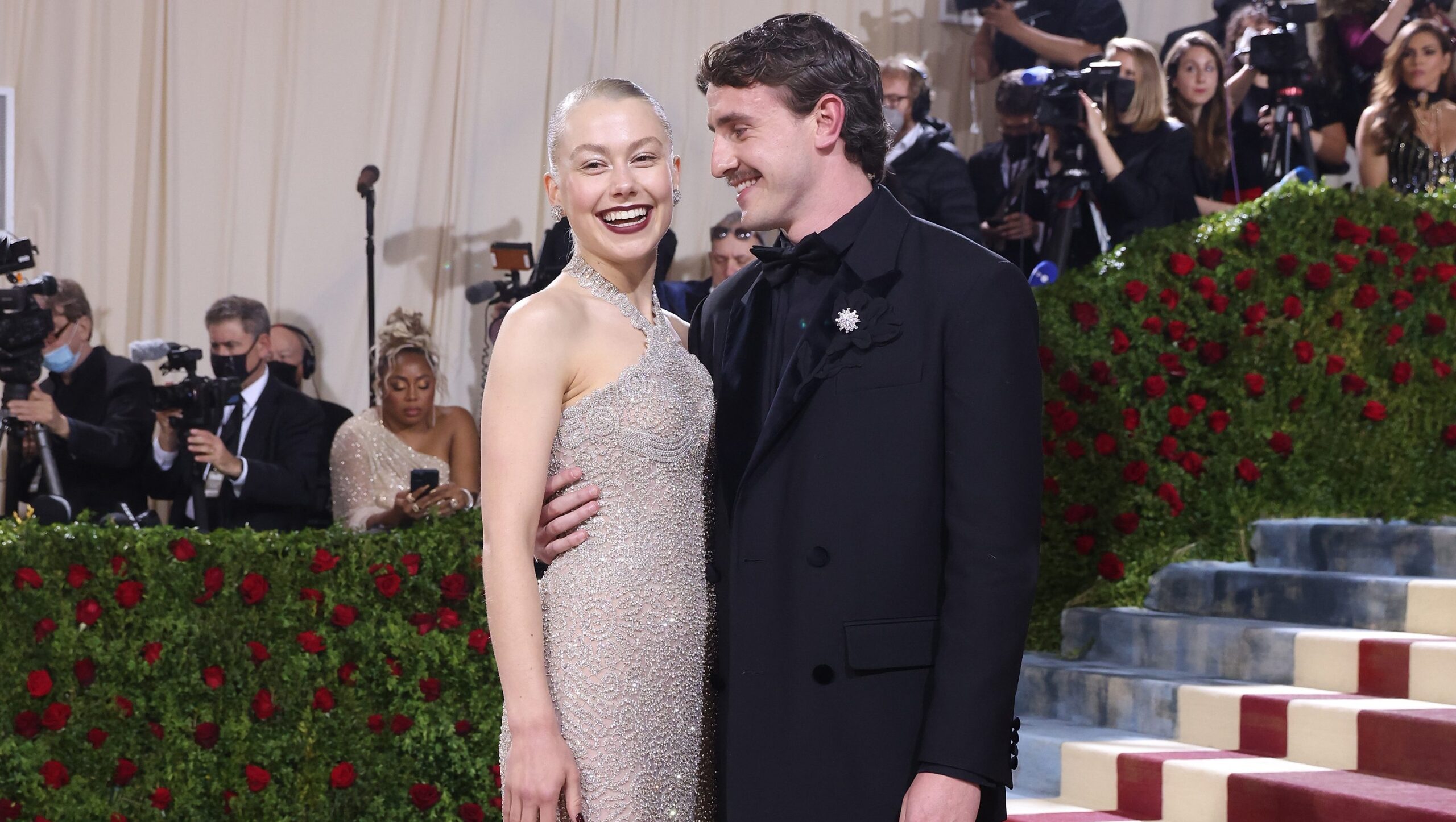
In the era of 2026 media, the line between an actor's private relationship and their public brand is thinner than ever. Romantic relationships between actors, often termed "showmances" when they occur during the production of a project, have a documented impact on box office performance and streaming metrics.
From a public relations perspective, an actor relationship can be a powerful marketing tool. High-profile couples generate "earned media"—coverage that isn't paid for but results from public interest. However, this carries significant risk. If a relationship is perceived as a "PR stunt" to promote a film, it can damage the credibility of both performers. Conversely, if a genuine relationship ends acrimoniously, it can make future professional collaborations impossible and lead to "camps" within the industry where directors and producers are forced to choose sides.
The "power couple" dynamic also provides a level of insulation against industry volatility. When two high-status actors are in a committed relationship, they often pool their resources, co-producing projects through their respective banners. This strengthens their collective bargaining power and allows them to control the narrative of their professional lives.
Conflict Management and Professional Reputation
While positive relationships can accelerate a career, negative ones can be catastrophic. The acting world is remarkably small, and a "difficult" reputation—earned through poor relationships with co-stars or crew—can follow a performer for decades.
Conflict between actors often stems from:
- Creative Differences: Disagreements on how a scene should be played or how a character should be interpreted.
- Ego and Billing: Disputes over whose name appears first in the credits or who receives more "screen time."
- Professional Conduct: Issues such as chronic lateness, lack of preparation, or unprofessional behavior on set.
In modern Hollywood, the "bridge-burning" that once characterized legendary feuds has been largely replaced by a more litigious and PR-managed approach. Actors are often bound by non-disparagement clauses in their contracts, which prevent them from speaking negatively about their co-stars. When relationships fail, the fallout is managed through carefully curated statements. However, the internal "blacklist"—an informal consensus among producers about who is "hard to work with"—remains a potent reality. Maintaining healthy, or at least functional, relationships with peers is essential for sustained employment.
Comparison of Actor Relationship Types
The following table outlines the different categories of relationships within the acting profession and their typical impacts on a performer's career.
| Relationship Type | Core Objective | Career Benefit | Potential Risk |
|---|---|---|---|
| Peer-to-Peer | Collaborative performance | Artistic growth and networking | Creative friction; competition for roles |
| Mentor-Mentee | Knowledge transfer | Fast-tracked access to elite projects | Dependency; reputational "tethering" |
| Agency-Based | Commercial "packaging" | Consistent work; higher pay scales | Loss of individual artistic identity |
| Romantic | Personal connection | High PR visibility; shared production | Public scrutiny; "unmarketable" if ended |
| Actor-Director | Artistic shorthand | "Muse" status; recurring roles | Stagnation; limited range exploration |
The Evolution of Industry Networking in 2026
As we move through 2026, the way actor relationships are forged is shifting toward digital and niche communities. While the "big three" agencies (CAA, WME, and UTA) still hold immense power, many actors are building relationships through independent digital collectives and global co-productions.
The rise of social media transparency has also changed how actors interact with one another. "Public" friendships between actors are often used to signal their values or their "vibe" to casting directors. For example, an actor known for indie dramas might frequently associate with experimental directors and avant-garde performers to reinforce their brand within that niche.
Furthermore, the globalization of the film industry means that actor relationships are no longer confined to Hollywood. A performer in 2026 is just as likely to form a career-defining relationship with a peer in Seoul, Mumbai, or Lagos as they are in Los Angeles. These international bonds are becoming the key to accessing global markets and securing roles in high-budget, multi-national streaming productions.
How do actors build professional relationships early in their careers?
Early-career actors typically build relationships through acting classes, regional theater, and independent film sets. These environments allow for "lateral networking," where performers grow alongside their peers who will eventually become the writers and directors of tomorrow. Joining professional organizations like SAG-AFTRA or attending industry showcases also provides access to more established professionals.
Do romantic relationships between co-stars help or hurt a film's success?
The impact is mixed. While a high-profile relationship can increase "buzz" and opening weekend numbers, it can also distract from the film's narrative. If the audience is too focused on the real-life couple, they may struggle to connect with the characters on screen. Additionally, if the relationship ends before the film’s release, the promotional tour can become awkward or even detrimental to the project's image.
What is a "chemistry test" in the casting process?
A chemistry test is a specialized audition where a director or casting director brings together two or more actors to see how they interact. They are looking for natural rapport, matching energy levels, and a believable connection. This is common for romantic leads, but it is also used for siblings, best friends, or any roles that require a strong emotional bond.
How do actors maintain privacy while managing public relationships?
Many actors in 2026 use a "hard-launch/soft-launch" strategy on social media or work with specialized PR firms to control the flow of information. Some choose to keep their relationships entirely separate from their professional appearances, refusing to discuss their partners in interviews. However, in an age of constant digital surveillance, this requires a disciplined approach to public life and clear boundaries with the press.
What happens when actors have a "difficult" reputation with peers?
A reputation for being difficult can lead to "functional blacklisting," where an actor is passed over for roles not because they lack talent, but because the production insurance or the risk of delays is too high. In 2026, with the high cost of production, studios prefer "safe" actors who are known to be professional, collaborative, and reliable in their relationships with others.
Navigating Your Own Professional Network
For those within the industry or looking to enter it, the most important action is to view every interaction as a long-term investment. The actor you work with on a student film today could be the person who recommends you for a major series five years from now.
Prioritize professionalism, reliability, and emotional intelligence. In 2026, the "tortured artist" who treats others poorly is increasingly unwelcome. Instead, the industry favors performers who can maintain healthy, stable relationships, as these are the people who can be trusted with multimillion-dollar projects. Focus on building a "personal board of directors"—a small group of trusted peers and mentors who can provide honest feedback and support throughout the ups and downs of an acting career.