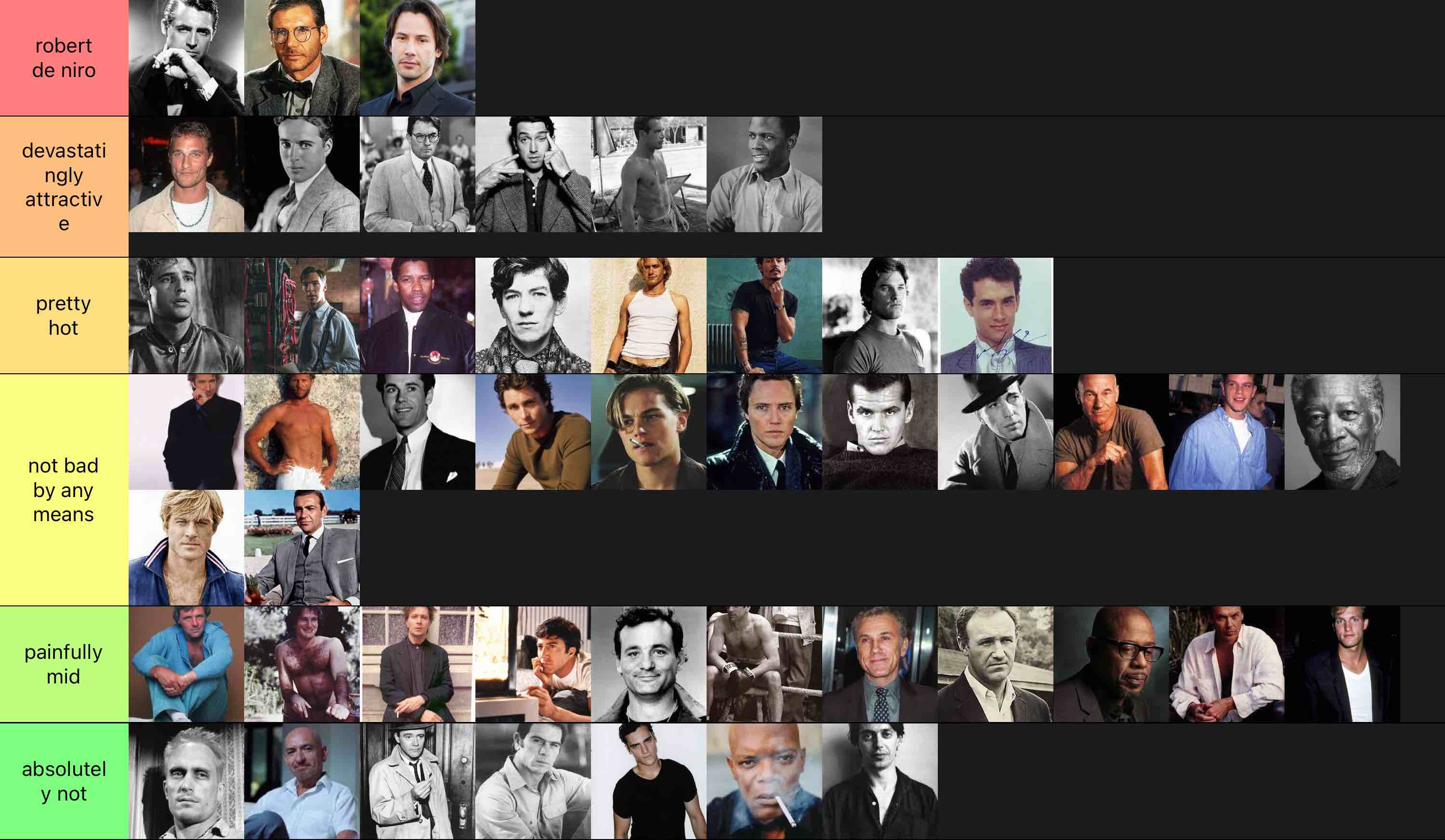
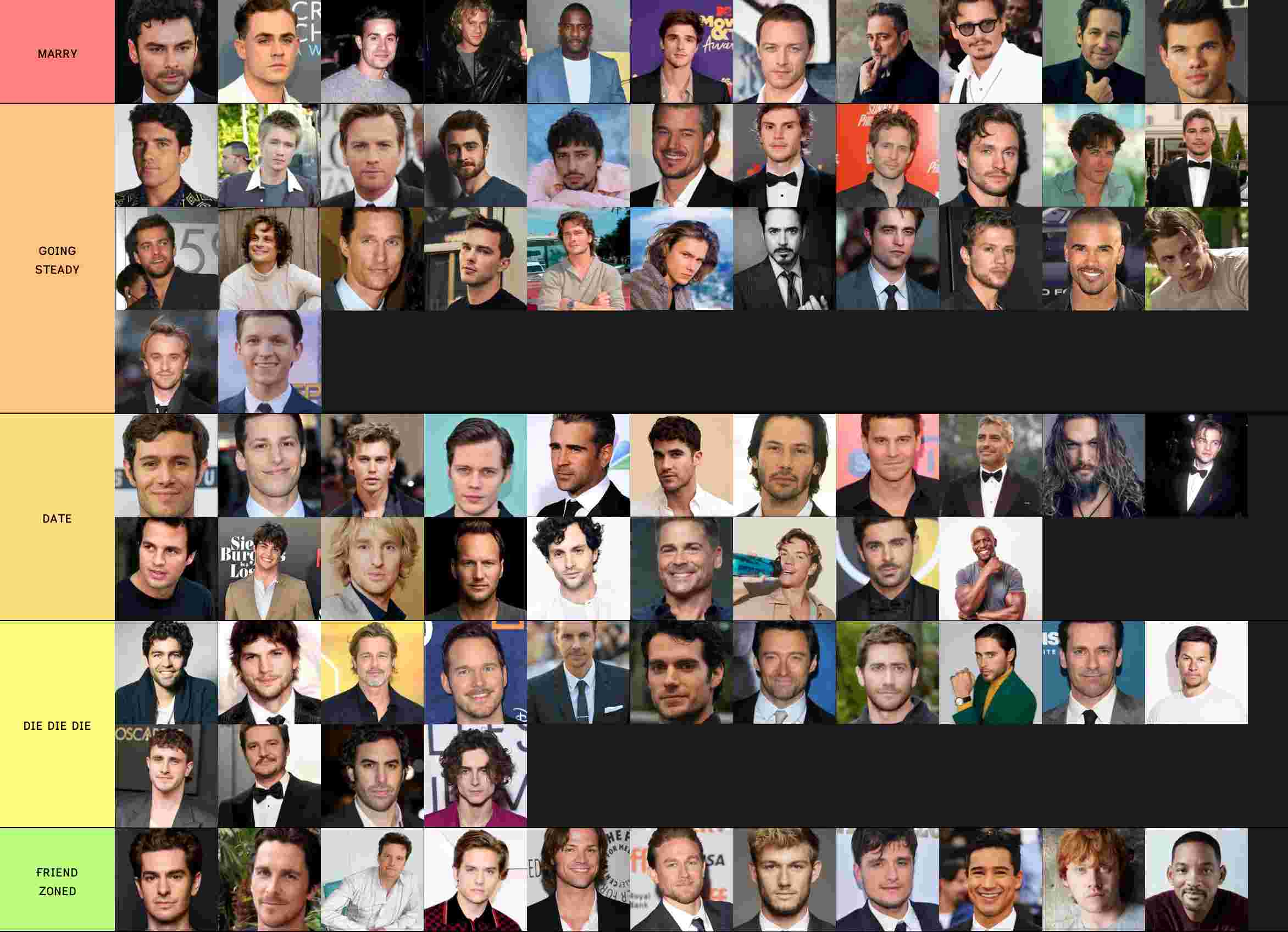
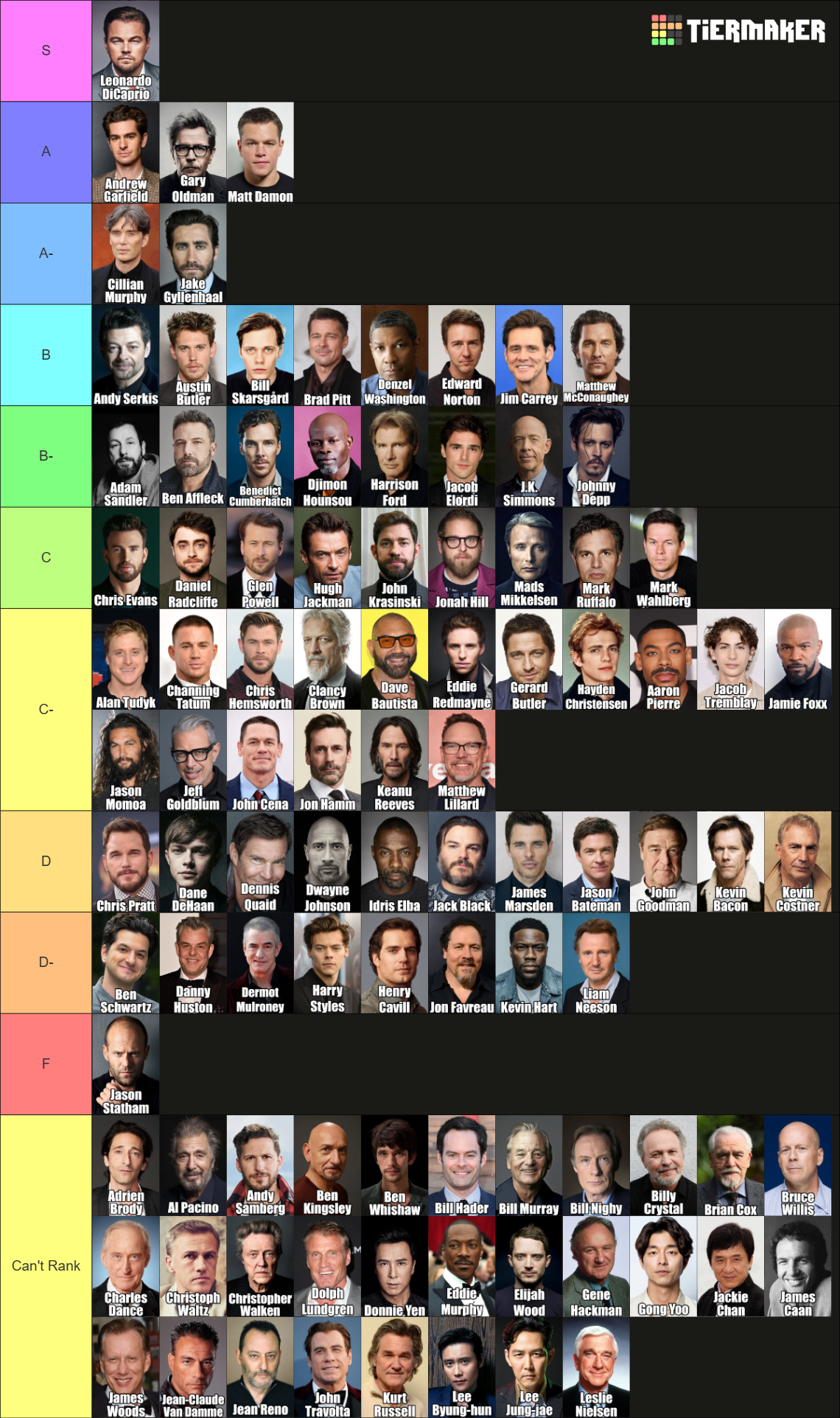
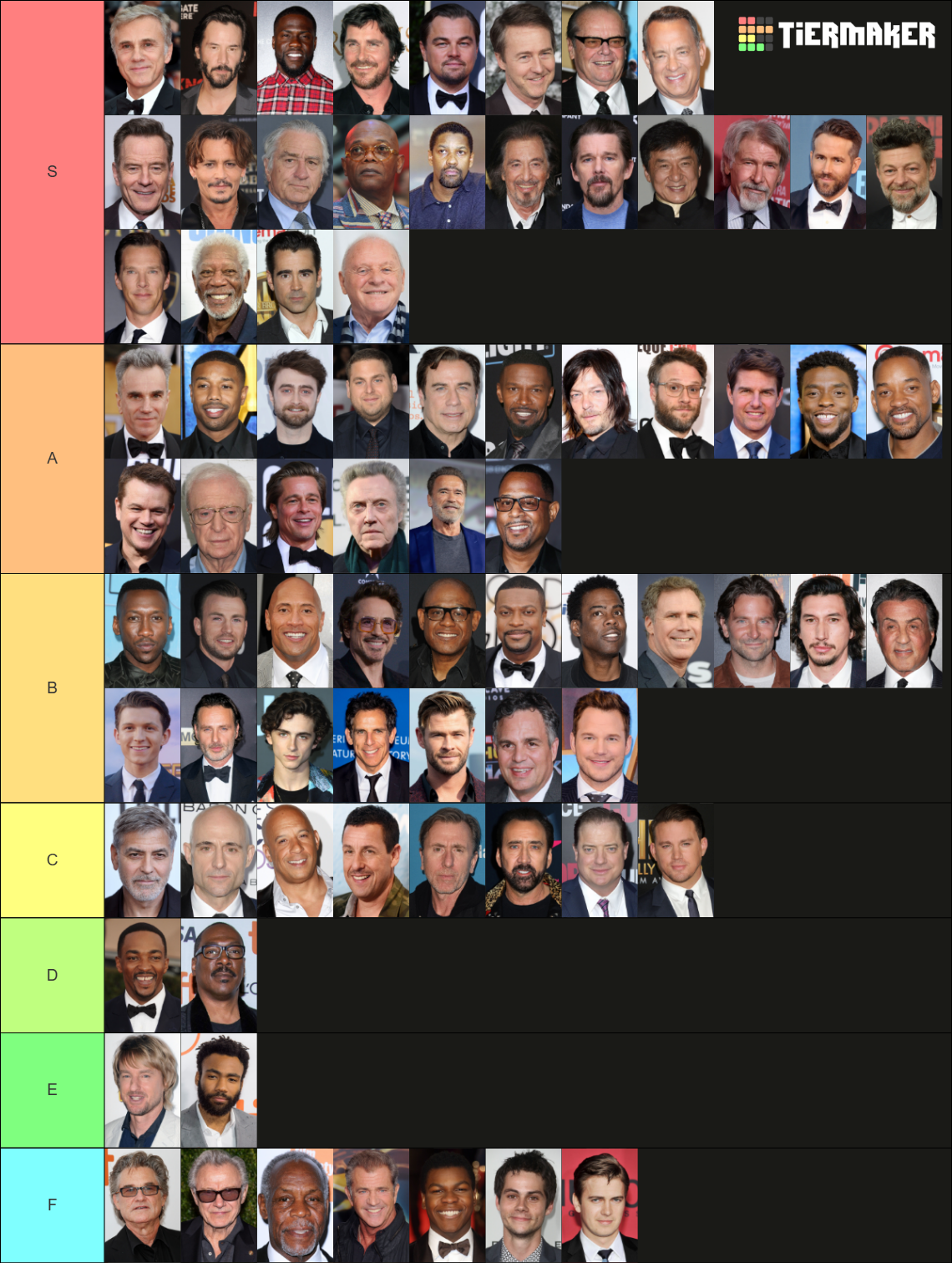
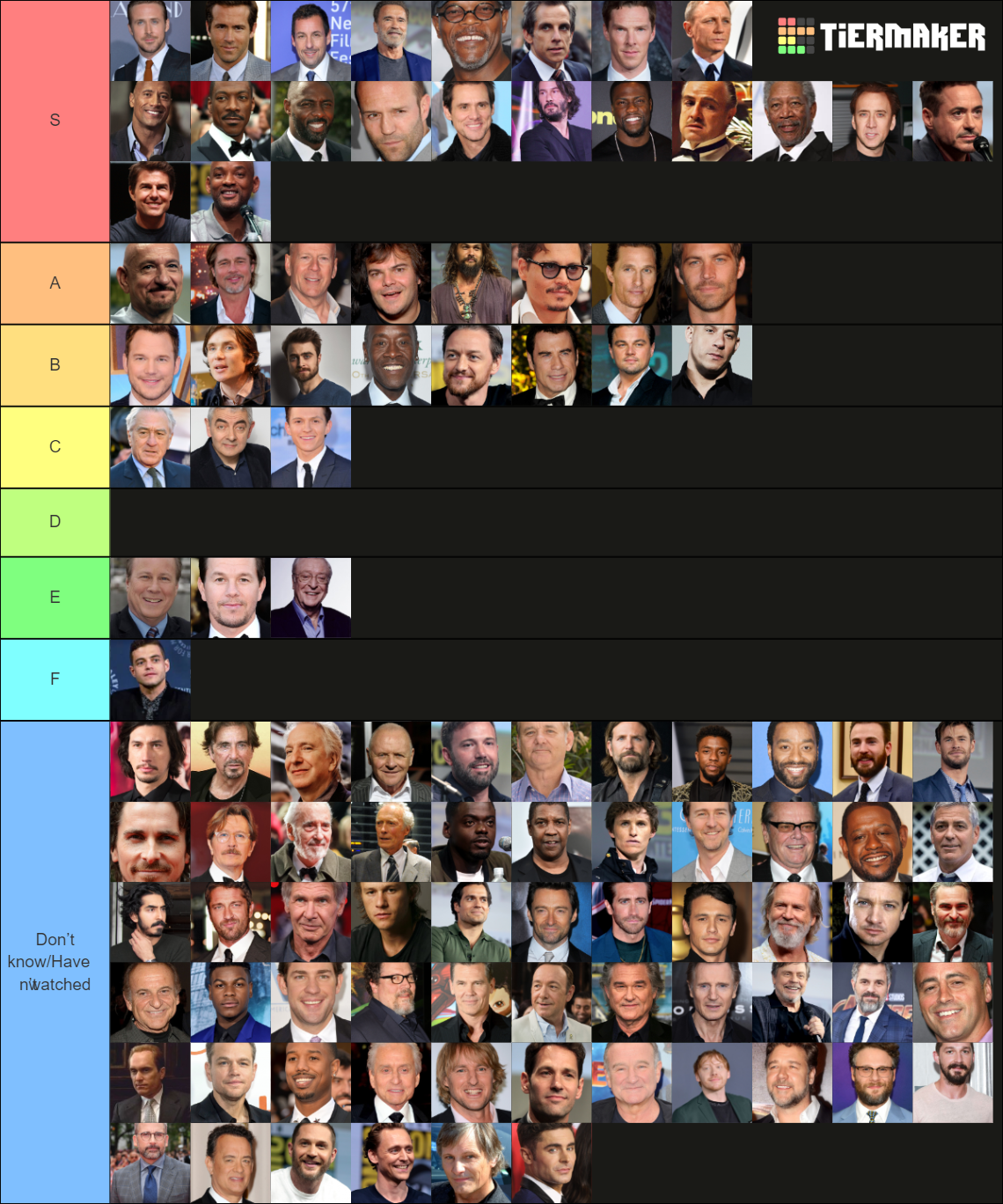
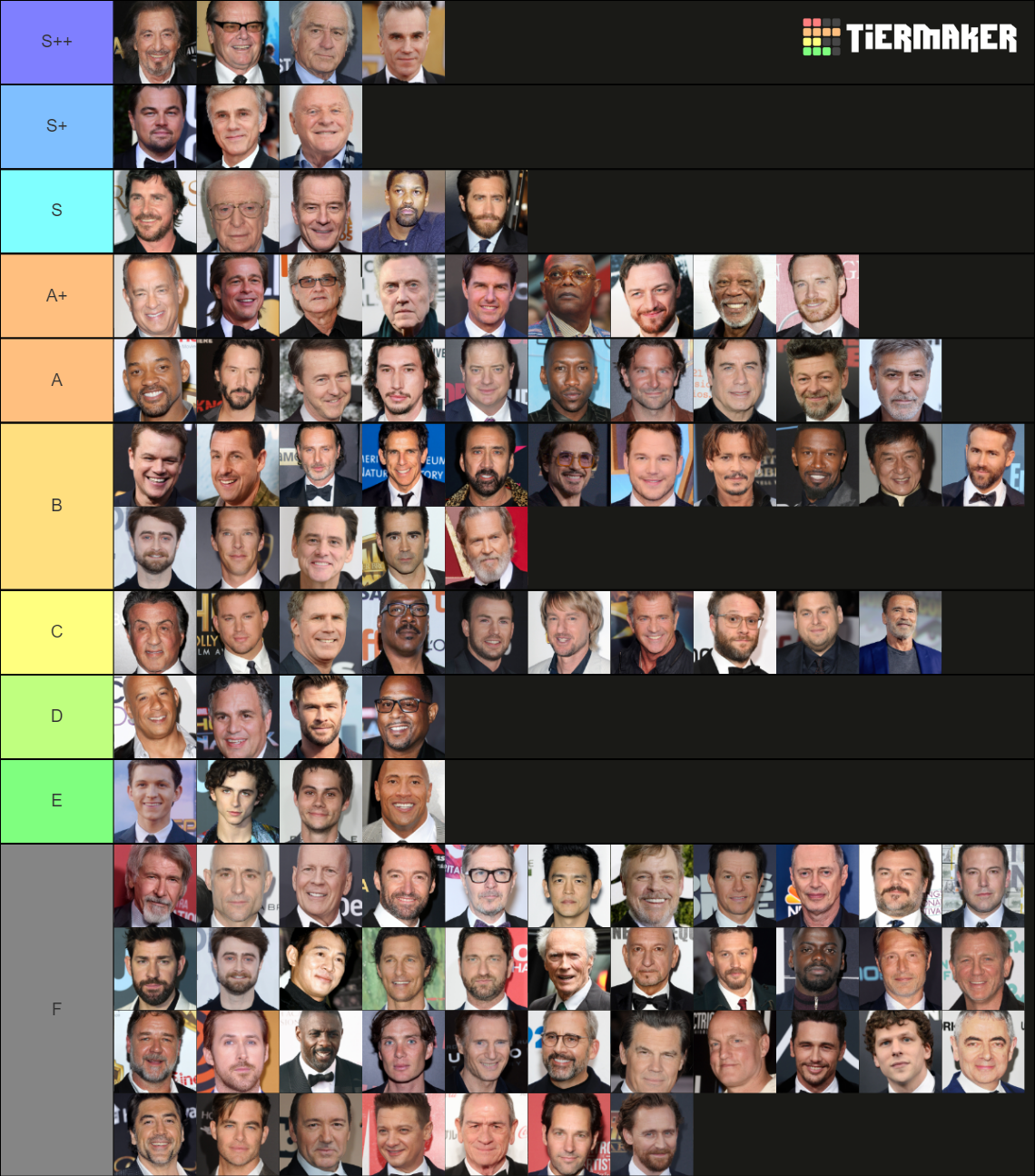
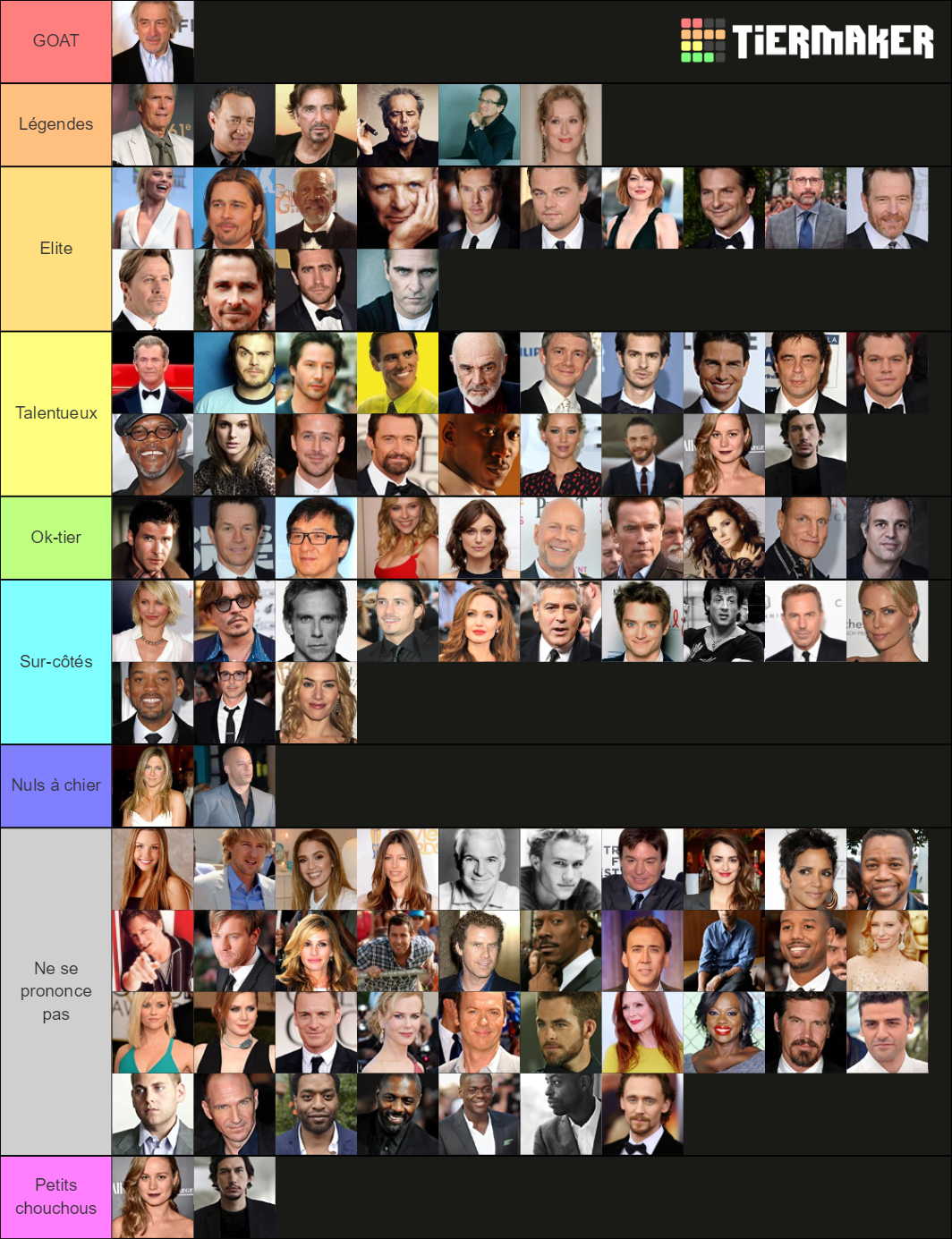
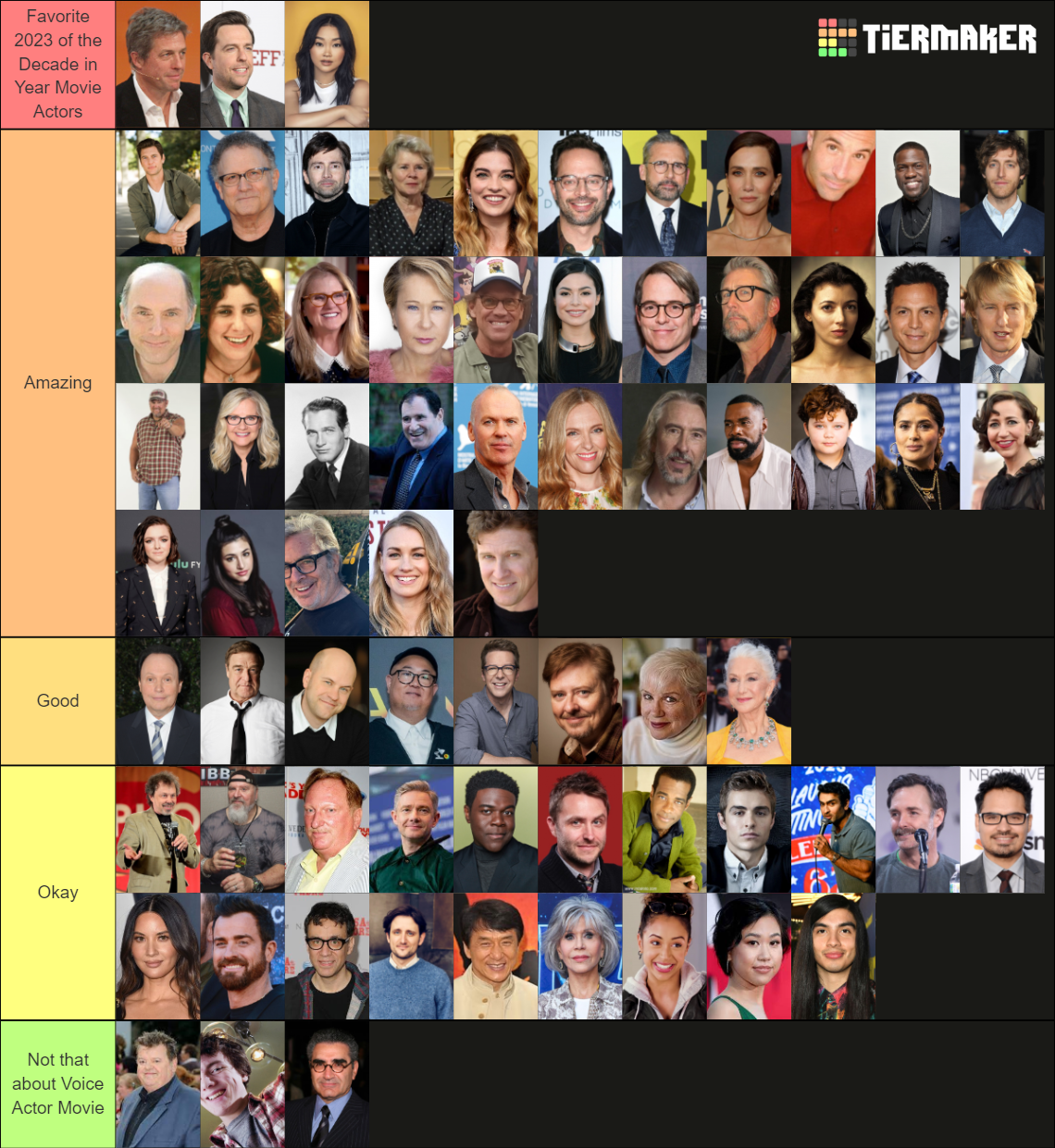
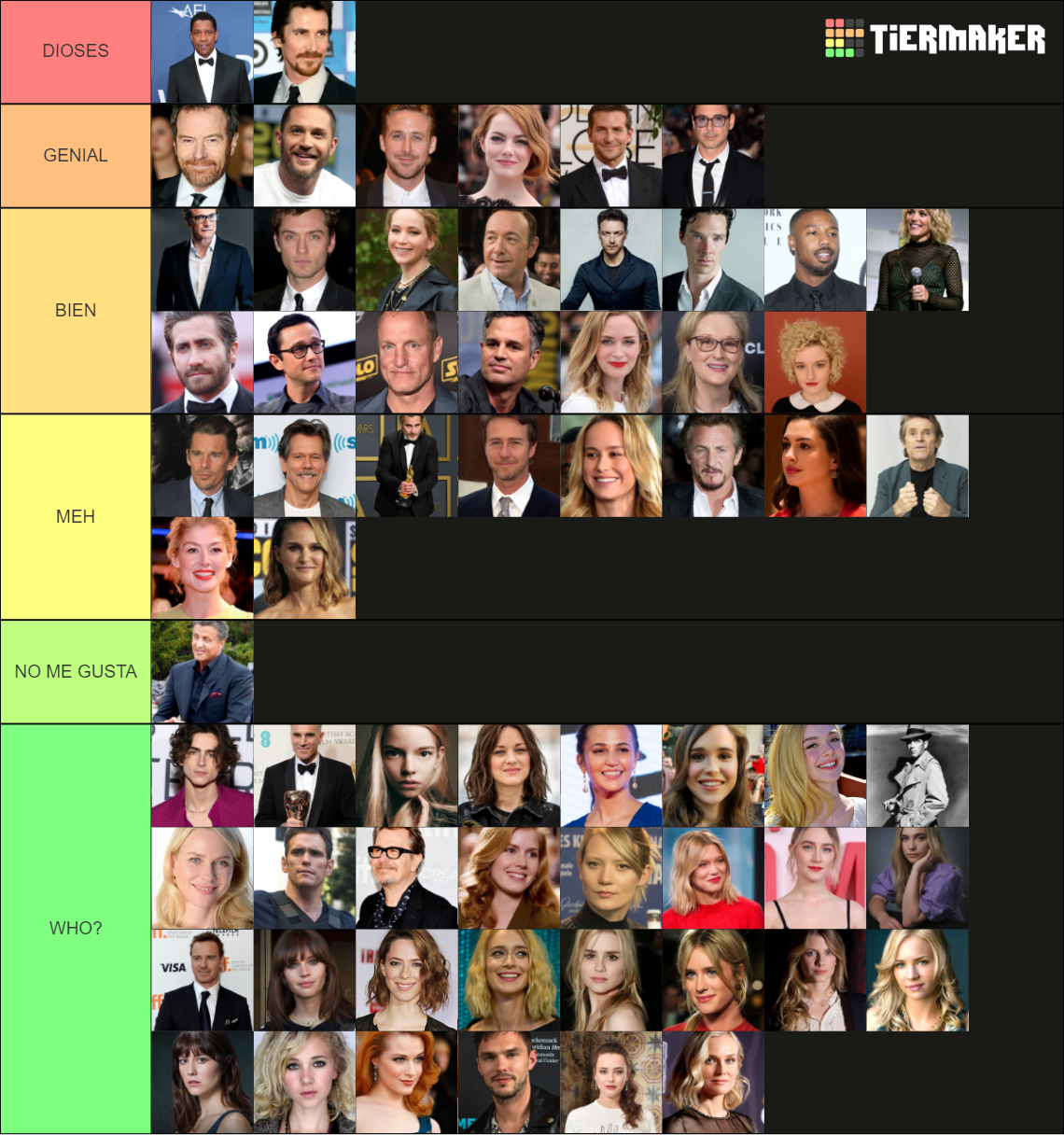
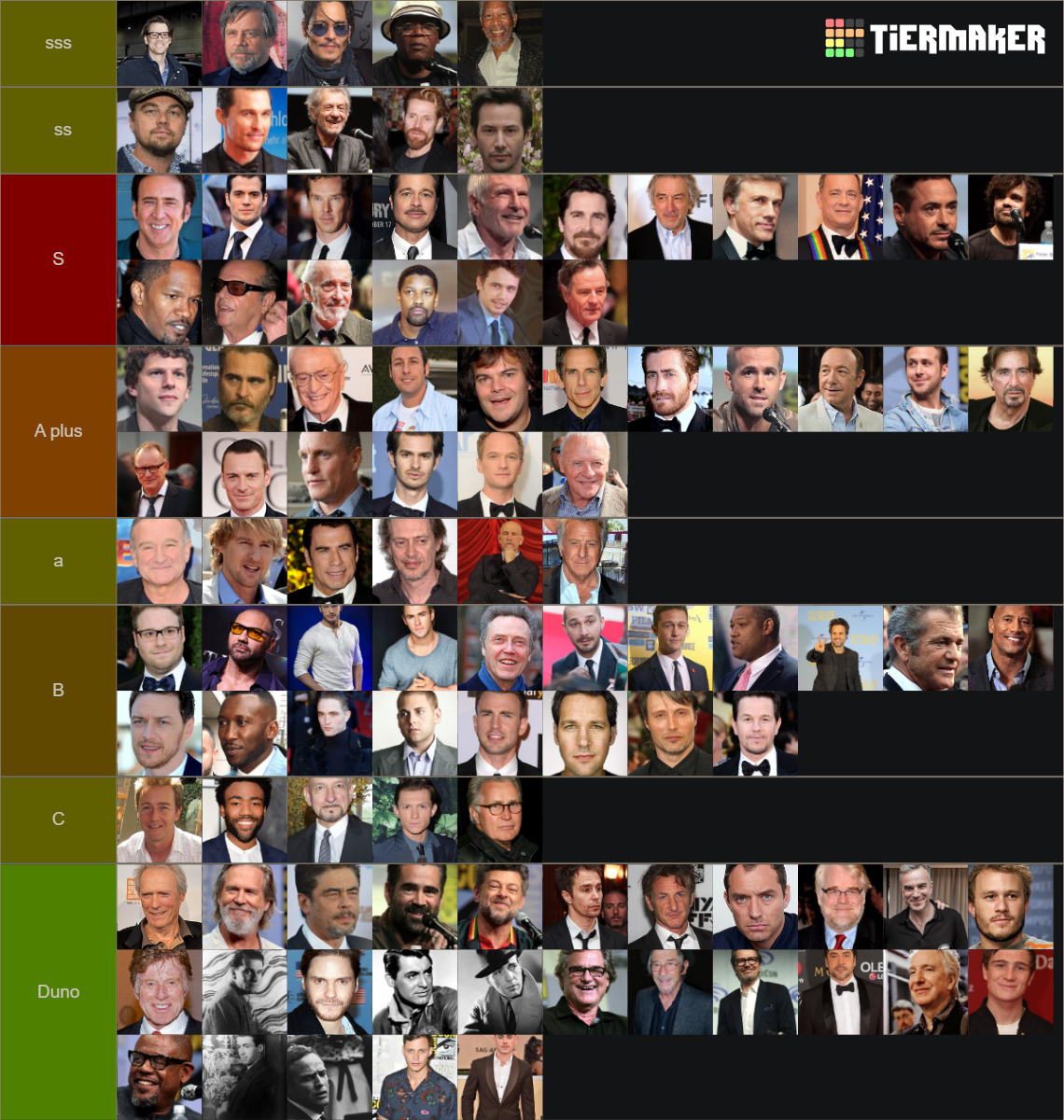
Actor rankings are multidimensional assessments that categorize performers based on a combination of commercial bankability, critical acclaim, and cultural resonance. In 2026, these rankings are predominantly determined by real-time data analytics, including global streaming hours, social media engagement, traditional box office performance, and prestigious industry accolades like the Academy Awards and Golden Globes.
Understanding the Methodology Behind Professional Actor Rankings
The process of ranking actors has evolved from subjective studio-driven lists to highly sophisticated, data-centric models. Today, industry analysts and talent agencies utilize a "Power Score" approach. This score is not a single number but a composite of several distinct performance indicators that determine an actor's standing within the global entertainment ecosystem.
Commercial Viability and the "Bankability" Factor
Commercial viability remains the bedrock of most professional actor rankings. Traditionally, this was measured solely by theatrical box office returns. However, in 2026, the definition of "bankability" has expanded to include "subscriber acquisition" and "retention value" for streaming platforms. When a major star like Margot Robbie or Timothée Chalamet signs a deal, the ranking is influenced by how many new sign-ups their presence correlates with on platforms like Disney+, Netflix, or Max.
Statistical models now look at the "Return on Investment" (ROI) per project. An actor who commands a $20 million salary but generates $500 million in global revenue ranks higher than a veteran actor with a $30 million salary whose projects consistently underperform. Data providers like The Numbers track these financial metrics meticulously, providing a transparent look at who truly moves the needle financially.
Critical Prestige and the Award Circuit Influence
While money talks in Hollywood, "prestige rankings" are determined by peer recognition and critical reception. This hierarchy is topped by the EGOT winners (Emmy, Grammy, Oscar, Tony) and those frequently nominated for the Academy Awards.
A high critical ranking provides an actor with "creative leverage." Actors who consistently rank high on critical lists, such as Viola Davis or Cillian Murphy, often have first-right-of-refusal on the industry's most coveted scripts. This prestige acts as a shield; even if a high-prestige actor has a commercial flop, their ranking often remains stable because their "brand" is associated with quality rather than just quantity.
Digital Footprint and Cultural Relevance
In 2026, an actor’s digital footprint is a primary metric for "Popularity Rankings." This is often referred to as the "Q Score" in a modernized, digital-first format. It measures familiarity and appeal among the general public. Social media sentiment analysis tools now scan platforms to determine an actor’s "favorability rating."
A high digital ranking can sometimes outweigh a lack of recent film credits. For example, a star who maintains high engagement through fashion partnerships or activism can remain in the top 10 of global actor rankings for years without a major release. This reflects the transition of actors from mere performers to holistic lifestyle brands.
Primary Platforms for Tracking Actor Success
Several reputable organizations and platforms provide definitive rankings, each catering to different sectors of the industry. Understanding which platform to consult depends on whether you are looking for financial data, fan popularity, or industry influence.
IMDb STARmeter: The Pulse of Global Interest
The IMDb STARmeter is perhaps the most famous public-facing actor ranking. Unlike other lists, the STARmeter is purely democratic and reactive. It tracks the search behavior of millions of monthly visitors. If an actor’s name is being searched frequently—perhaps due to a viral trailer or a personal news event—their ranking rises instantly. This makes it an excellent tool for identifying "breakout" stars who are capturing the zeitgeist in real-time.
Forbes: The Economic Hierarchy
For those interested in the financial power of Hollywood, the Forbes Highest-Paid Actors list remains the gold standard. Forbes accounts for upfront salaries, back-end profits (participation), and lucrative endorsement deals. In 2026, these rankings often highlight the massive "paydays" associated with long-term streaming contracts, which have largely replaced the "20/20" deals (20 million dollars and 20% of gross) common in the 1990s and 2000s.
Variety and The Hollywood Reporter: The Power 100
Trade publications like Variety and The Hollywood Reporter focus on "Industry Power Rankings." These lists are curated by editors and industry insiders. They rank actors based on their ability to get a movie greenlit, their production company’s success, and their influence over studio decisions. Being ranked in the "Power 100" signifies that an actor is not just a hired hand but a significant stakeholder in the business of entertainment.
Comparison of Top Actor Ranking Methodologies
The following table compares the four most influential types of actor rankings used in 2026 to help clarify which metric serves specific needs.
| Ranking Type | Primary Data Source | Focus Area | Best For |
|---|---|---|---|
| Popularity (STARmeter) | Search Traffic/User Behavior | Public Interest | Identifying trending talent |
| Financial (Forbes) | Contracts & Endorsements | Net Worth/Earnings | Assessing market value |
| Industry Power (Variety) | Peer Surveys/Greenlight Ability | Executive Influence | Understanding studio leverage |
| Critical/Artistic | Award Wins/Reviews | Craft & Prestige | Assessing long-term legacy |
| Streaming Impact | Platform Data/Minutes Viewed | Audience Retention | Evaluating platform-specific value |
The Evolution of Actor Rankings: From Studio System to Streaming
The way we rank actors has undergone a radical transformation. During the "Golden Age" of Hollywood, rankings were largely controlled by the studio system. Actors like Clark Gable or Bette Davis were ranked based on their "star power" within a specific studio’s roster. There was very little transparency; a "top actor" was whoever the studio publicists claimed was the top actor.
The 1980s and 90s saw the rise of the "Box Office King." This era was defined by actors like Arnold Schwarzenegger, Tom Cruise, and Julia Roberts. Rankings were simple: if your movie opened at #1, your ranking went up.
By 2026, the fragmentation of media has made ranking more difficult but more accurate. We no longer rely on a single "Number One Star." Instead, we have "Niche Leaders." An actor might rank #1 in the "Action/Adventure" category on Netflix while simultaneously ranking lower in "General Awareness" among older demographics who don't use streaming services. This "fragmented hierarchy" allows for a more nuanced understanding of an actor's specific audience.
How Emerging Tech and Data Analytics Shape 2026 Rankings
The use of Artificial Intelligence (AI) and Big Data has revolutionized actor rankings in 2026. Talent agencies now use predictive modeling to "rank" an actor’s potential success before they even sign a contract.
- Sentiment Mapping: AI algorithms scan millions of social media comments to determine if an actor’s "brand" is trending positively or negatively. This "sentiment score" is a critical component of modern rankings.
- Predictive Casting: Studios use data to rank how an actor will perform in a specific genre. For example, an actor might rank in the top 5% for "Young Adult Dystopian" roles but only in the top 50% for "Historical Dramas."
- Global Heat Maps: Rankings are now localized. An actor might be the #1 ranked performer in the South Korean market due to a specific hit, while ranking #20 in North America. This globalized data allows for more strategic international casting.
Frequently Asked Questions
What is the most accurate actor ranking?
There is no single "most accurate" ranking because "success" is defined differently by various stakeholders. For fans, the IMDb STARmeter is the best reflection of current popularity. For producers, the Variety Power Rankings are the most relevant for business decisions, as they reflect an actor's ability to secure financing for a project.
How often do actor rankings change?
Popularity-based rankings like the STARmeter update weekly or even daily based on search trends. Financial rankings, such as those from Forbes, are typically released annually. Critical rankings usually fluctuate during the "awards season" (September through March) when film festivals and ceremonies take place.
Can an actor's ranking survive a "flop" movie?
Yes, especially if the actor has high "prestige" or "critical" rankings. In 2026, the industry distinguishes between a "bad movie" and a "bad performance." If an actor receives good reviews in a commercially unsuccessful project, their industry power ranking often remains stable.
Do social media followers determine an actor's rank?
While followers are a factor in "Cultural Relevance" rankings, they are not the sole determinant. Studios look at "engagement rates" and "conversion" (the ability to turn a follower into a ticket buyer) rather than just the raw number of followers. An actor with 1 million highly engaged followers may rank higher than an actor with 10 million passive followers.
How do child actors or newcomers get ranked?
Newcomers are usually tracked via "Breakout" lists. These rankings focus on the rate of growth rather than total volume. If an actor’s search volume increases by 1,000% in a week, they will skyrocket on the STARmeter, regardless of their previous lack of credits.
Actionable Advice: How to Use Actor Rankings for Industry Insights
If you are an aspiring professional, a journalist, or a serious cinephile, you should look beyond the top 10 lists to find true value. To use actor rankings effectively, follow these steps:
- Cross-Reference Data: Never rely on a single list. Compare an actor's IMDb popularity with their "Critical Score" on Rotten Tomatoes to see if their fame is backed by quality.
- Look for Trajectory: A veteran actor holding steady at #20 is often less "powerful" than a newcomer who has jumped from #500 to #50 in a month. Momentum is a key indicator of future success.
- Analyze Genre-Specific Rankings: If you are researching for a project, look for actors who rank highly within a specific niche. An actor who is "top-ranked" in horror may be more valuable for a specific film than a "general" A-list star who lacks a dedicated genre following.
- Evaluate "Brand Safety": For marketing and endorsements, pay attention to the sentiment analysis portions of modern rankings. An actor with a high ranking but a high "controversy score" may be a risky investment for brands.
By understanding the data-driven nature of modern actor rankings, you can gain a clearer picture of how the entertainment industry values talent and how those values translate into the movies and shows that dominate our screens.