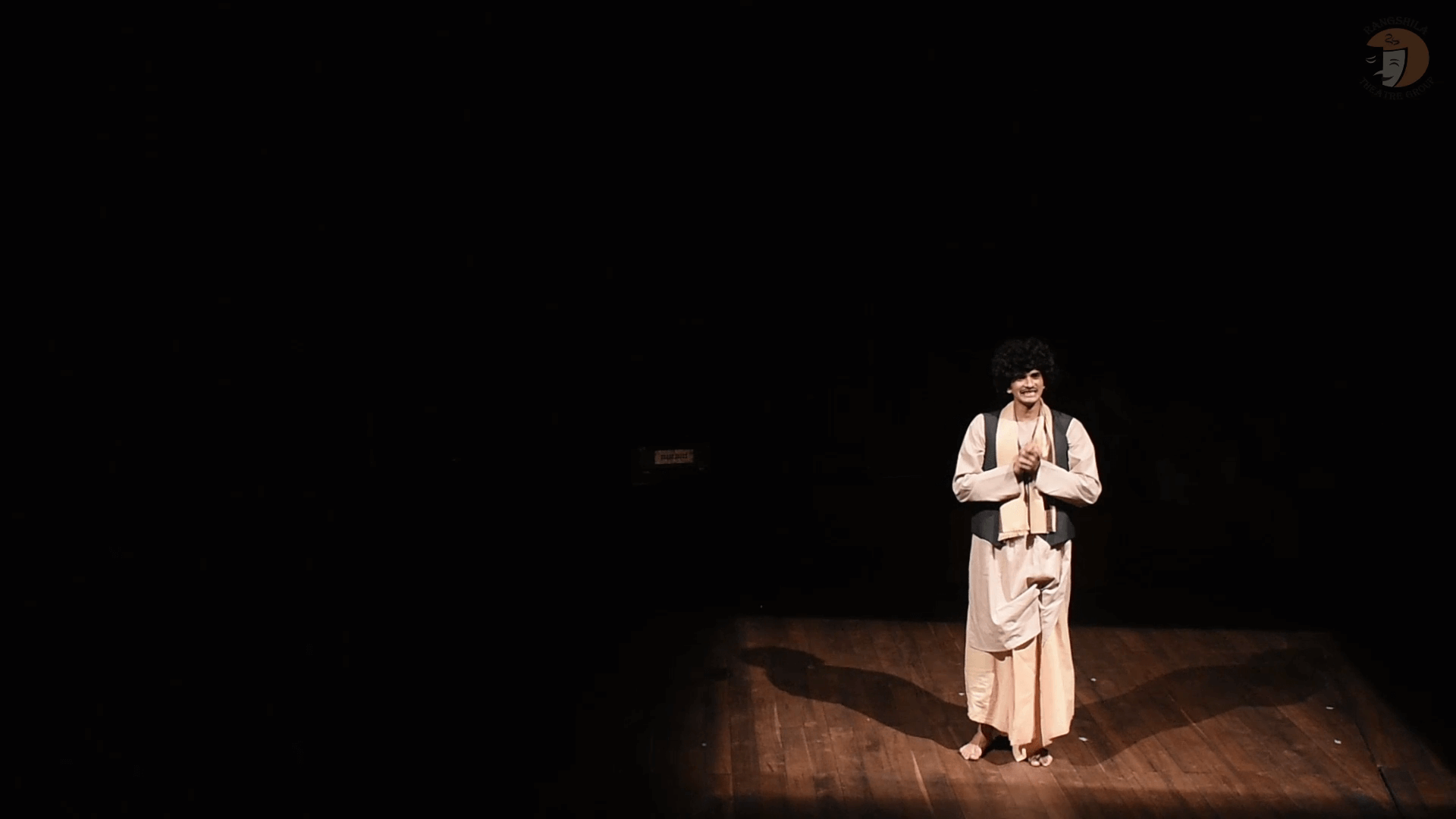
Actor performance is the artistic synthesis of physical movement, vocal expression, and emotional truth used to portray a character. It involves a performer interpreting a script to create a credible, consistent, and engaging human (or non-human) experience. In 2026, this definition encompasses traditional stage and screen work alongside advanced performance-capture and digital-twin integration.
Defining the Core Pillars of Actor Performance
To understand what constitutes a "good" or "effective" actor performance, one must look past the surface of celebrity and examine the technical components that build a character. Acting is rarely about "pretending"; rather, it is the process of finding the internal reality of a character and externalizing it through specific, controlled choices.
Physicality and Presence
The physical dimension of a performance involves how an actor uses their body to convey history, status, and emotion. A character’s gait, posture, and idiosyncratic gestures tell the audience about their life before the scene started. In 2026, physical performance has become even more critical as high-definition 8K cinematography and immersive virtual reality environments capture the slightest muscular micro-expressions. An actor must maintain "presence"—a state of being fully grounded in the space—ensuring that their physical choices feel organic rather than choreographed.
Vocal Expression and Diction
Voice is the actor's primary tool for delivering subtext. This includes pitch, resonance, tempo, and the use of silence. A performance is often judged on its vocal "color"—the ability to shift tone to reflect internal shifts in thought. For example, a character who is lying might over-articulate, while one who is grieving might lose vocal support. Diction ensures clarity, but "vocal characterization" ensures that the voice belongs specifically to that character, distinct from the actor's natural speaking habits.
Emotional Intelligence and Vulnerability
At its most profound level, actor performance relies on the performer's willingness to be emotionally naked. This vulnerability allows the audience to empathize with the character. The "performance" occurs in the transition between emotions. It is not enough to simply be "sad"; the actor must show the character fighting against the sadness or trying to hide it, as this conflict creates the dramatic tension necessary for a compelling narrative.
Foundational Techniques: The Frameworks of Character Construction
Professional actor performance is rarely accidental. It is usually the result of rigorous training in specific methodologies. While many modern actors use an "eclectic" approach, their work is typically rooted in one of several established schools of thought.
The Stanislavski System and "The Magic If"
Konstantin Stanislavski’s system remains the bedrock of modern acting. It focuses on the "inner life" of the character. The most famous element, the "Magic If," asks the actor to consider: "How would I act if I were in this character's position?" This shifts the focus from imitation to internal motivation. Actors use "objectives" (what the character wants) and "obstacles" (what stands in their way) to drive every moment of the performance.
The Meisner Technique: Living Truthfully
Developed by Sanford Meisner, this technique emphasizes "the reality of doing." It moves the actor's focus away from themselves and onto their scene partner. Meisner-trained actors are known for their spontaneity and intense listening skills. In this framework, a performance is not something you "do" to an audience, but something that happens between two people. If the partner changes their delivery, the actor must change their response, keeping the performance fresh and unpredictable.
Method Acting and Sense Memory
Often misunderstood as simply "staying in character" off-camera, Lee Strasberg’s Method Acting focuses on "affective memory." Actors recall personal sensations or emotions from their own lives to trigger a sincere reaction on stage or screen. While controversial due to the psychological toll it can take, it has produced some of the most visceral performances in cinema history by bridging the gap between the actor's psyche and the character's requirements.
Practical Aesthetics
A more modern approach, developed by David Mamet and William H. Macy, Practical Aesthetics is a highly analytical method. It strips away the "emotional" preparation of the Method and focuses on the literal action of the scene. Actors break down a script into "essential actions"—simple, physical goals that can be executed regardless of how the actor "feels" that day. This leads to a very disciplined, clear, and unsentimental performance style.
The Mechanics of Evaluation: How We Judge Acting Excellence
Evaluating an actor's performance is subjective, yet professional critics and casting directors look for specific indicators of quality. A performance is generally considered successful if it meets the criteria of truth, economy, and impact.
| Criterion | Description | Indicators of High Quality |
|---|---|---|
| Authenticity | The degree to which the character feels like a real human being. | Lack of "showing" or "indicating"; natural reactions to stimuli. |
| Subtext | The ability to communicate what is NOT being said in the script. | Tension between words and body language; "eyes that tell a story." |
| Consistency | Maintaining the character's logic and physical traits throughout the work. | Seamless transitions between scenes; a clear "character arc." |
| Economy | Avoiding unnecessary movement or "overacting" to make a point. | Power in stillness; choosing one strong gesture over ten weak ones. |
| Risk-Taking | Making bold, unexpected choices that still fit the character's logic. | Surprising the audience; avoiding clichés or "stock" characters. |
| Listening | The level of engagement with other performers. | Active reactions; the sense that the actor is hearing lines for the first time. |
Acting for Different Mediums: Screen vs. Stage
The technical execution of a performance varies significantly depending on the medium. An actor must scale their performance to the "frame" of the audience's perception.
Theatrical Performance
On stage, the actor's performance must reach the back row of the gallery. This requires "projection"—not just of the voice, but of the entire physical presence. Movements must be larger, and transitions must be clear enough to be seen from a distance. Stage acting is also a test of endurance and memory, as the performance must be sustained for two to three hours without the safety net of an editor.
Cinematic and Television Performance
Film acting is often called the "art of the internal." The camera can see a pupil dilate or a slight tremble in the lip. Therefore, "less is more." Actors must internalize their thoughts, trusting that the camera will capture them. A major challenge in screen performance is the non-linear nature of production; an actor might perform the character's death scene on Monday and their introduction on Friday, requiring immense mental organization to maintain a coherent character arc.
Performance Capture and Voice Acting
In 2026, performance capture (mocap) is a standard tool in both gaming and feature films. Actors in mocap suits work in a "volume," where every movement is translated into a digital rig. This requires a hybrid of stage and screen skills. The actor must be as physically expressive as a stage performer (to provide data for the animators) but as emotionally subtle as a screen actor (to provide data for the facial cameras).
The 2026 Landscape: Digital Twins and AI Integration
The year 2026 marks a significant turning point in how actor performance is produced and protected. The integration of Generative AI and "Digital Twins" has changed the workflow for high-budget productions.
- AI-Assisted Performance Enhancement: In post-production, directors can now adjust an actor's eye-line or subtle facial movements using AI tools to better align with the emotional tone of a scene. While controversial, this is increasingly viewed as a collaborative tool between the editor and the performer.
- Digital Doubling for Stunts and Longevity: Actors now routinely have their likenesses scanned to create high-fidelity digital doubles. These "twins" handle dangerous stunts or "de-aging" sequences, allowing the live performance to focus entirely on the dramatic heavy lifting.
- Legal and Ethical Frameworks: Following the landmark labor agreements of previous years, 2026 sees strict enforcement of "performance rights." Studios must obtain specific consent to use an actor’s digital likeness for any performance they did not physically record, ensuring that the "soul" of the performance remains the property of the human artist.
Common Pitfalls in Actor Performance
Even experienced actors can fall into traps that undermine the effectiveness of their work. Recognizing these "performance killers" is essential for both practitioners and critics.
- Indicating: This occurs when an actor "shows" the audience what they are feeling rather than simply feeling it. For example, widening the eyes excessively to show "surprise" instead of actually being surprised by the scene partner.
- Anticipating: When an actor reacts to a line or an event before it actually happens because they have memorized the script. This destroys the illusion of reality and makes the performance feel mechanical.
- Generalizing: A "general" performance is one where the actor plays an emotion (e.g., "I am angry") rather than a specific objective (e.g., "I am trying to make this person leave the room"). Specificity is the hallmark of great acting.
- Vocal Monotony: Failing to vary the pitch, pace, and volume of speech. This often happens when an actor becomes too focused on the "feeling" and forgets the technical requirement of keeping the audience engaged.
Frequently Asked Questions
What is the difference between "character acting" and "leading man/woman" acting?
Character acting typically focuses on distinct, often eccentric traits that differ significantly from the actor's own personality, often involving heavy makeup or accents. Leading acting often requires the performer to act as the "audience surrogate," maintaining a relatable, grounded presence that carries the central narrative thread. However, the best actors in 2026 frequently blur these lines.
Can someone be a great actor without formal training?
Yes, some actors possess a natural "emotional transparency" and an intuitive understanding of human behavior. However, training provides the tools to replicate a high-quality performance night after night or take after take, especially when the actor is not "feeling" the emotion naturally. Training is about consistency and longevity.
How do actors prepare for intense emotional scenes?
Preparation varies. Some use "substitution," replacing the character's situation with a similar one from their own life. Others use "sensory work" to ground themselves in the physical environment. In 2026, many productions also employ "Intimacy Coordinators" and "Emotional Safety Consultants" to help actors enter and exit intense emotional states safely.
Is "Method Acting" dangerous?
It can be if practiced without boundaries. The danger arises when an actor cannot distinguish between their own identity and the character's, or when they use the Method as an excuse for unprofessional behavior on set. Modern training emphasizes "de-roling" techniques to ensure psychological health.
How has technology changed acting in 2026?
Technology has made acting more technical. Actors must often perform against green screens, LED volumes (The Volume), or "tennis balls on sticks" representing CGI characters. This requires a highly developed imagination, as the actor must "see" and "feel" a world that doesn't exist during the filming process.
Strengthening Your Performance Analysis
For those looking to improve their own acting or more deeply appreciate the craft, the next step is active observation. When watching a performance, look past the dialogue. Observe the actor’s hands when they aren't speaking. Note how they react to their partner’s silence.
If you are a performer, prioritize script analysis. Understanding the "why" behind every line is the only way to ensure your performance has a solid foundation. In the landscape of 2026, where digital tools can replicate our faces, the only thing that remains irreplicable is the unique, human "choice" an actor makes in the moment of a scene. Focus on developing your taste and your ability to make bold, specific choices that serve the story.