Actor pay is determined by a complex interplay of union regulations, project budget, and individual negotiation power. In 2026, most professional screen actors operate under SAG-AFTRA contracts, where daily minimum rates for theatrical films currently sit at approximately $1,204, while top-tier stars command eight-figure salaries and backend participation. Total compensation typically includes base session fees, recurring residuals from secondary airings, and success-based bonuses in the streaming sector.
The Framework of Union Minimums and Scale
The vast majority of professional acting work in the United States is governed by SAG-AFTRA (Screen Actors Guild-American Federation of Television and Radio Artists). The union establishes "scale," which is the minimum amount a production is legally allowed to pay a performer. As of 2026, these rates reflect the multi-year increases negotiated in the landmark 2023-2026 contract cycle, which aimed to address inflation and the shift toward streaming.
Scale is not a single number; it varies significantly based on the type of production. For a standard theatrical motion picture, the "Day Player" rate is the foundational unit. If an actor is hired for a full week, the "Weekly Performer" rate applies, which offers a slight discount per day to the production in exchange for guaranteed consecutive work.
Beyond the basic rates, the industry utilizes different contract tiers based on the project's budget. The Short Project Agreement (SPA) or the Ultra Low Budget Project Agreement (ULB) allow independent filmmakers to hire union talent at significantly lower rates, sometimes as low as $200 to $400 per day. These agreements are designed to facilitate independent art while ensuring actors still receive pension and health contributions, which are critical components of the total "pay" package.
Residuals and the Evolution of Streaming Compensation
For decades, the "middle-class" actor relied on residuals—payments made for the rerun or redistribution of a project. In the traditional broadcast model, an actor might receive a substantial check every time an episode of a television show aired in syndication. The transition to streaming (Subscription Video on Demand, or SVOD) initially eroded this income stream because streaming services did not "rerun" content in the traditional sense.
Following the industry-wide shifts finalized in recent years, the 2026 compensation landscape for residuals includes a more robust Success-Based Bonus for streaming. Under current rules, if a program on a major platform like Netflix, Disney+, or Max reaches a specific viewership threshold within the first 90 days of a geographic exhibition year, performers receive a bonus on top of their fixed residual.
However, it is important to distinguish between "Fixed Residuals" and "Success Bonuses." Fixed residuals are predetermined payments based on the platform's subscriber count and the performer's initial salary. These are paid out regardless of how many people watch the show. The success bonus acts as a secondary layer, rewarding talent when a project becomes a genuine "hit." For many working actors, these residual checks are what allow them to maintain their SAG-AFTRA Health Plan eligibility during periods of unemployment.
Compensation Variations Across Media and Roles
An actor's paycheck is heavily influenced by the medium—film, television, commercials, or voiceover—and the specific "weight" of their role.
Theatrical and Television Roles
In scripted television, pay is often structured by the length of the performer's commitment.
- Day Players: Hired for a single day or a few days. They receive the daily scale plus any overtime.
- Guest Stars: Typically hired for a single episode but at a "major role" rate that exceeds scale. Guest stars often have "top-of-show" rates, which is the maximum a production will pay for a guest appearance unless the actor has significant fame.
- Series Regulars: These actors are the core cast. Their contracts are the most lucrative, often guaranteeing payment for a set number of episodes per season (e.g., 10 out of 13), even if they do not appear in every one. By 2026, many series regular contracts also include provisions for "exclusivity," though these have been loosened to allow actors to take other work during long production hiatuses.
Commercials and Voiceover
The commercial world operates on a "Session and Use" model. An actor is paid a session fee for the day of filming. The real income, however, comes from Usage Fees. If a brand runs a national commercial for a 13-week cycle, the actor receives "holding fees" and "use fees" every time the spot airs or remains active. A single successful national commercial can earn an actor $20,000 to $50,000 or more in a year, far exceeding the daily session fee.
Voiceover (VO) follows a similar path but often with higher volume. VO actors for animation or video games work under specific scales that account for the vocal strain involved. In 2026, new protections regarding Artificial Intelligence (AI) and Digital Replication ensure that actors must be compensated if their voice or likeness is used to train AI models or if an AI-generated version of them is used in a production.
Comparing Standard Actor Pay Rates (2026 Estimates)
The following table outlines the estimated minimum scale rates for major contract types under the current SAG-AFTRA agreements. These figures represent the "floor," and many actors negotiate "Scale plus 10" (the 10% referring to the agent's commission).
| Role Type | Theatrical (Film) Daily | Theatrical (Film) Weekly | TV (Half-Hour/Hour) |
|---|---|---|---|
| Day Player | $1,204 | N/A | $1,204 |
| Weekly Performer | N/A | $4,180 | $4,180 |
| Major Role (Guest Star) | N/A | N/A | $6,500 - $10,000+ |
| Series Regular (Starting) | N/A | N/A | $25,000 - $40,000 per episode |
| Stunt Coordinator | $1,500+ | $7,200+ | $1,500+ |
Note: Rates are subject to specific budget tiers and may be higher for productions with budgets exceeding $20 million.
The "Gross vs. Net" Reality: Deductions and Expenses
One of the most misunderstood aspects of actor pay is the difference between the "quote" (the headline number) and the actual take-home pay. Professional actors are essentially small businesses, and their gross income is subject to significant "off-the-top" deductions.
- Agent Commission (10%): Standard across the industry for union work.
- Manager Commission (10-15%): While optional, most established actors have managers who help guide their careers.
- Legal Fees (5%): Entertainment lawyers typically take a percentage of the deals they negotiate, especially for high-level series regular or film lead contracts.
- Taxes: Actors are often treated as W-2 employees for specific productions, meaning taxes are withheld. However, because they work in multiple states and often have high unreimbursed business expenses, their tax situation is complex.
- Union Dues: SAG-AFTRA members pay annual base dues plus a percentage (roughly 1.575%) of their gross earnings up to a certain cap.
After these deductions, a $10,000 paycheck frequently results in a net deposit of $5,000 to $6,000. Actors must also self-fund their "marketing," which includes headshots ($500-$1,200), acting classes, demo reel editing, and subscription fees for casting sites like Actors Access or Casting Networks.
The Impact of Stardom and Backend Participation
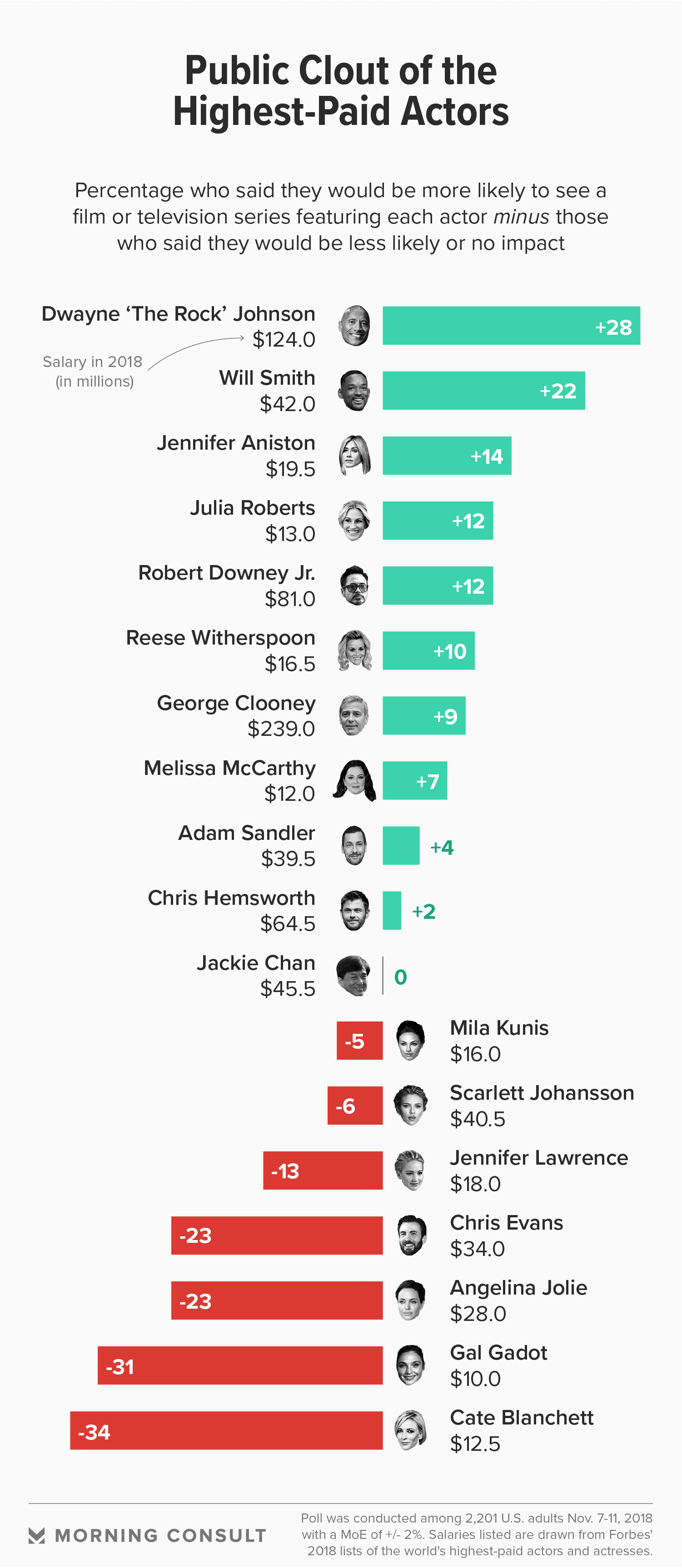
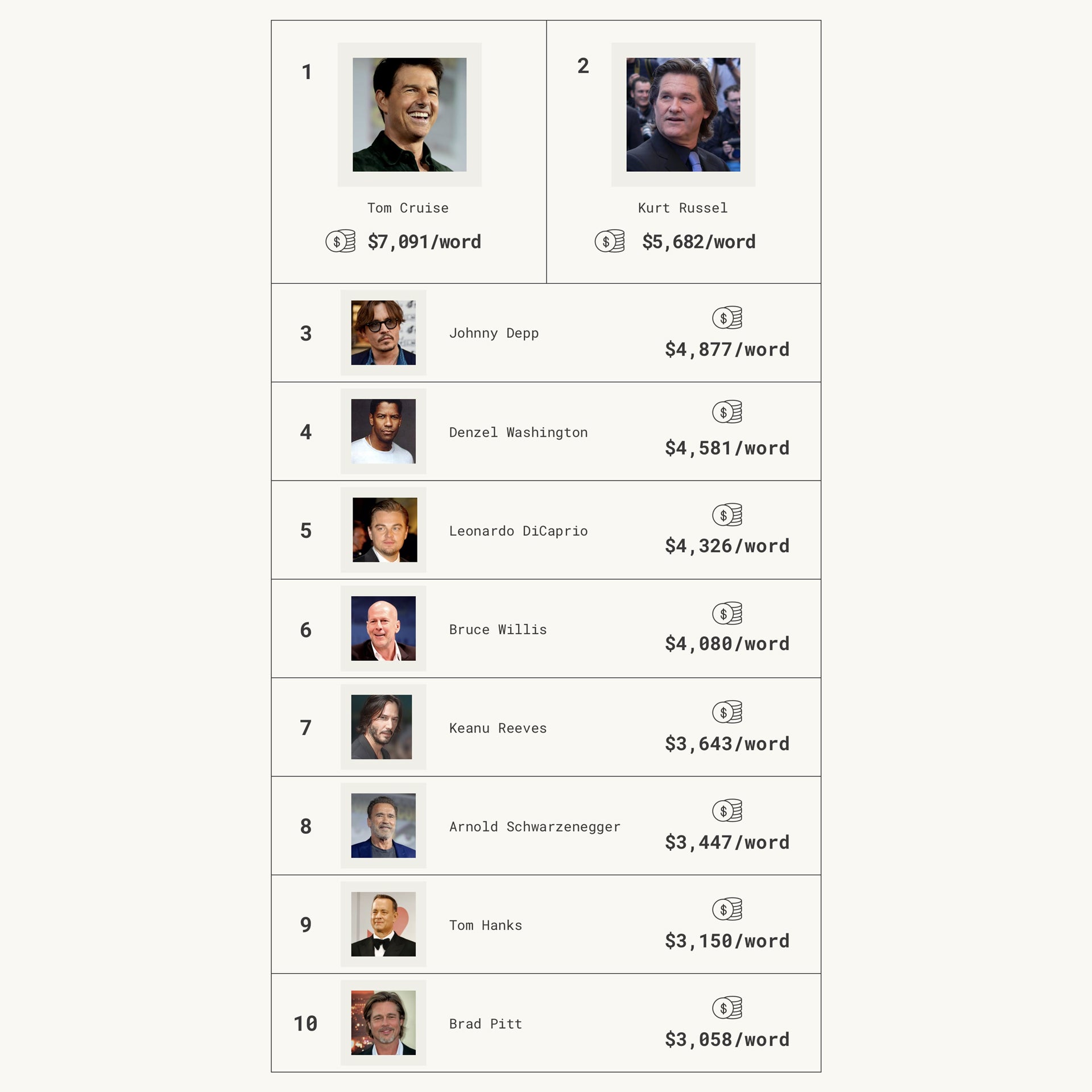
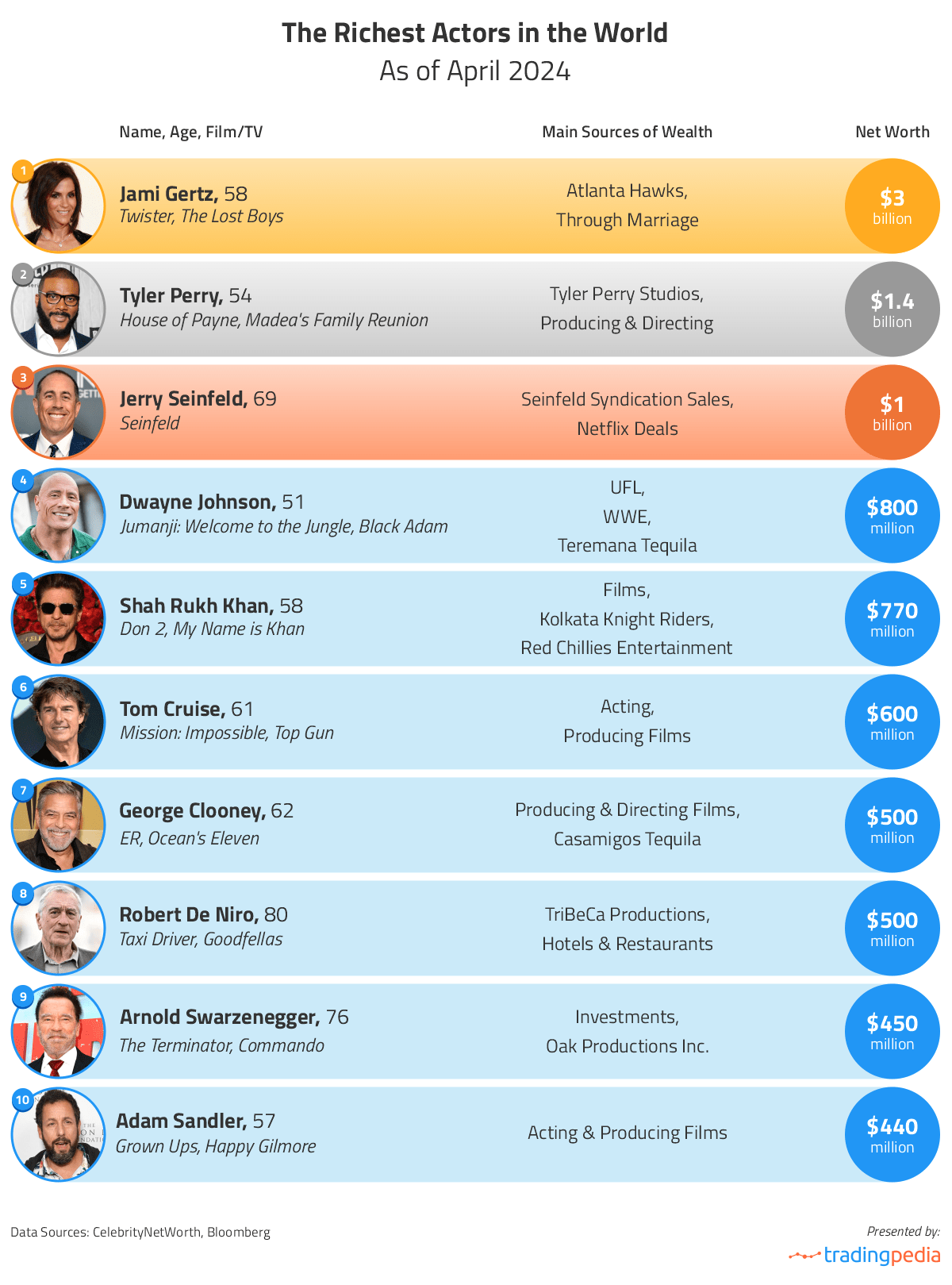
At the highest levels of the industry, "scale" is irrelevant. A-list actors negotiate through powerhouse agencies (like CAA, WME, or UTA) for "quotes" that reflect their box-office value. These deals often include Backend Participation, which can be structured as "Points."
- Gross Receipts: The actor gets a percentage of every dollar the movie earns from the very first ticket sale. This is rare and reserved for the most elite stars.
- Net Profits: The actor gets a percentage of the money left over after the studio has recouped all production and marketing costs. Because of "Hollywood Accounting," net profits are notoriously difficult to see.
- Box Office Bonuses: A more common modern structure where an actor receives a $1 million bonus if the film hits $100 million at the box office, another million at $200 million, and so on.
In 2026, as theatrical windows have stabilized alongside streaming, these "contingent compensation" packages have become more data-driven. Actors might now have bonuses tied to a film's performance on a streaming platform's "Top 10" list or total hours viewed in its first month of release.
FAQ
How much does a beginner actor make on their first job?
A beginner actor's pay depends entirely on whether the job is union or non-union. On a non-union commercial or indie film, a beginner might make $150 to $500 per day. On a SAG-AFTRA project, even a beginner will make the minimum scale of $1,204 per day for a theatrical film. However, getting that first union job often requires years of training and smaller, lower-paid roles.
Do actors get paid for auditions?
Generally, no. Auditions are considered part of the job-seeking process. However, SAG-AFTRA rules require "Sign-in Sheet" payments or "Audition Pay" under very specific circumstances, such as when an actor is asked to return for a third or fourth "callback" or if they are required to wait an excessive amount of time. In 2026, most initial auditions are "self-tapes" recorded by the actor at home, for which there is no compensation.
Is the pay different for voice acting versus live-action?
Yes. Voiceover rates are usually lower per session than live-action rates because the time commitment is shorter (a session might only be 2-4 hours). However, the "per hour" rate for voiceover can be significantly higher. For animation, a standard 4-hour session might pay around $1,100 under union scales, with additional payments for every character voiced beyond the first two.
How do actors get health insurance through their pay?
Actors do not get employer-provided health insurance in the traditional sense. Instead, productions pay a percentage of the actor's gross salary (roughly 20% in 2026) into the SAG-AFTRA Health Plan. To qualify for coverage, an actor must earn a minimum amount of "covered earnings" (currently around $27,000 to $30,000 per year). If an actor's pay falls below that threshold, they lose their union health insurance.
What is "Scale plus 10"?
This is a common contract term where the production pays the actor the union minimum (scale) plus an additional 10% to cover the agent's commission. This ensures the actor actually "nets" the full union scale after their agent takes their cut. Without this provision, an actor paid exactly scale would effectively be working for 10% less than the legal minimum after commissions.
Next Steps for Managing Acting Compensation
If you are transitioning into professional acting or negotiating a contract in 2026, your first priority should be securing a reputable talent agent who understands the current SAG-AFTRA rate sheets. For those just starting, focus on building a "quote" by consistently working at scale, which establishes your market value for future negotiations.
Always verify that a production is a "Signatory" to the union before signing. You can do this via the SAG-AFTRA production search tool. If you are working non-union, ensure you have a clear written agreement regarding "Usage"—how long the production can use your image and where it will be shown—as this is where most non-union actors lose potential income. Finally, keep meticulous records of all business expenses, from mileage to wardrobe, as these are essential for offsetting the heavy tax burden associated with freelance acting income.