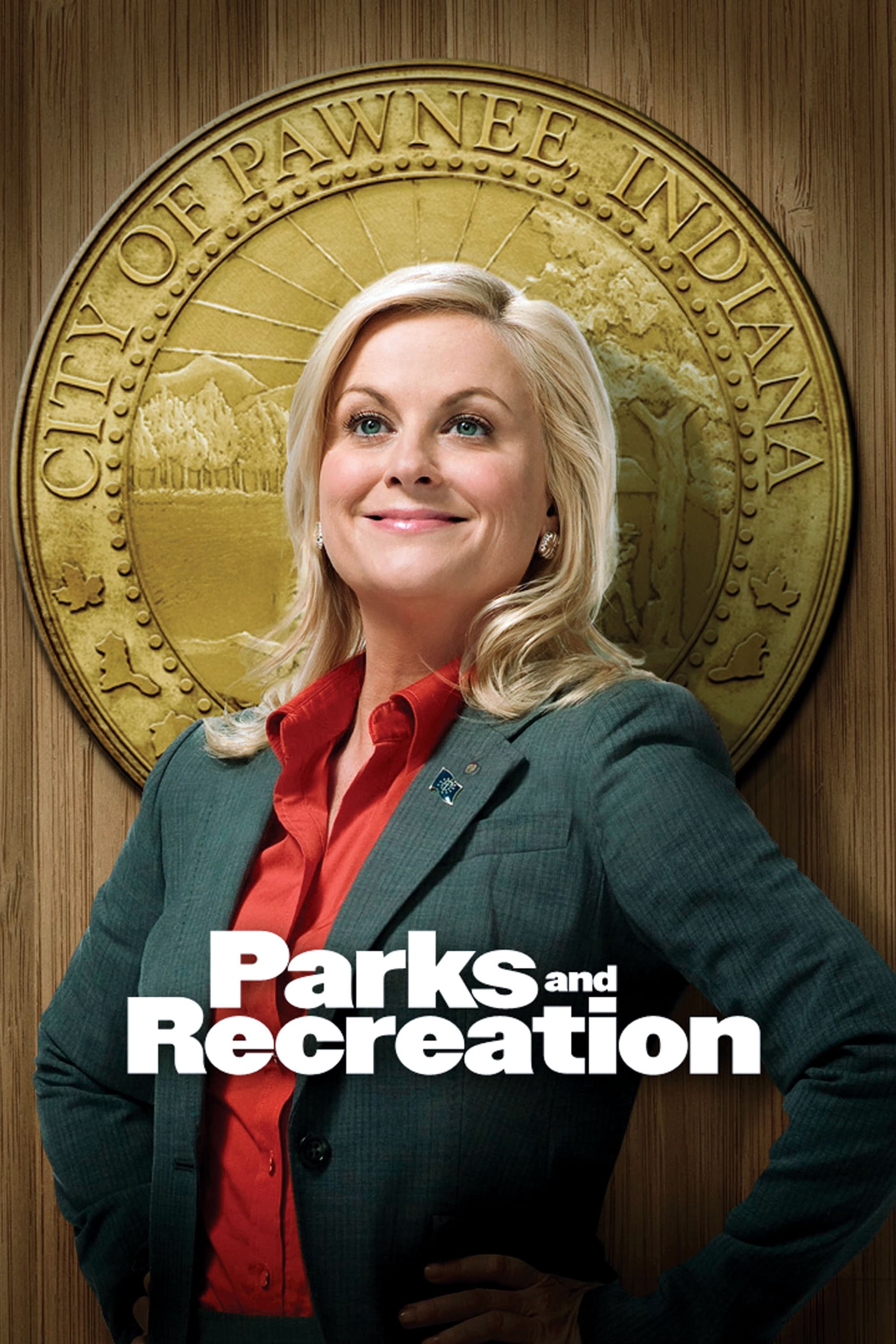
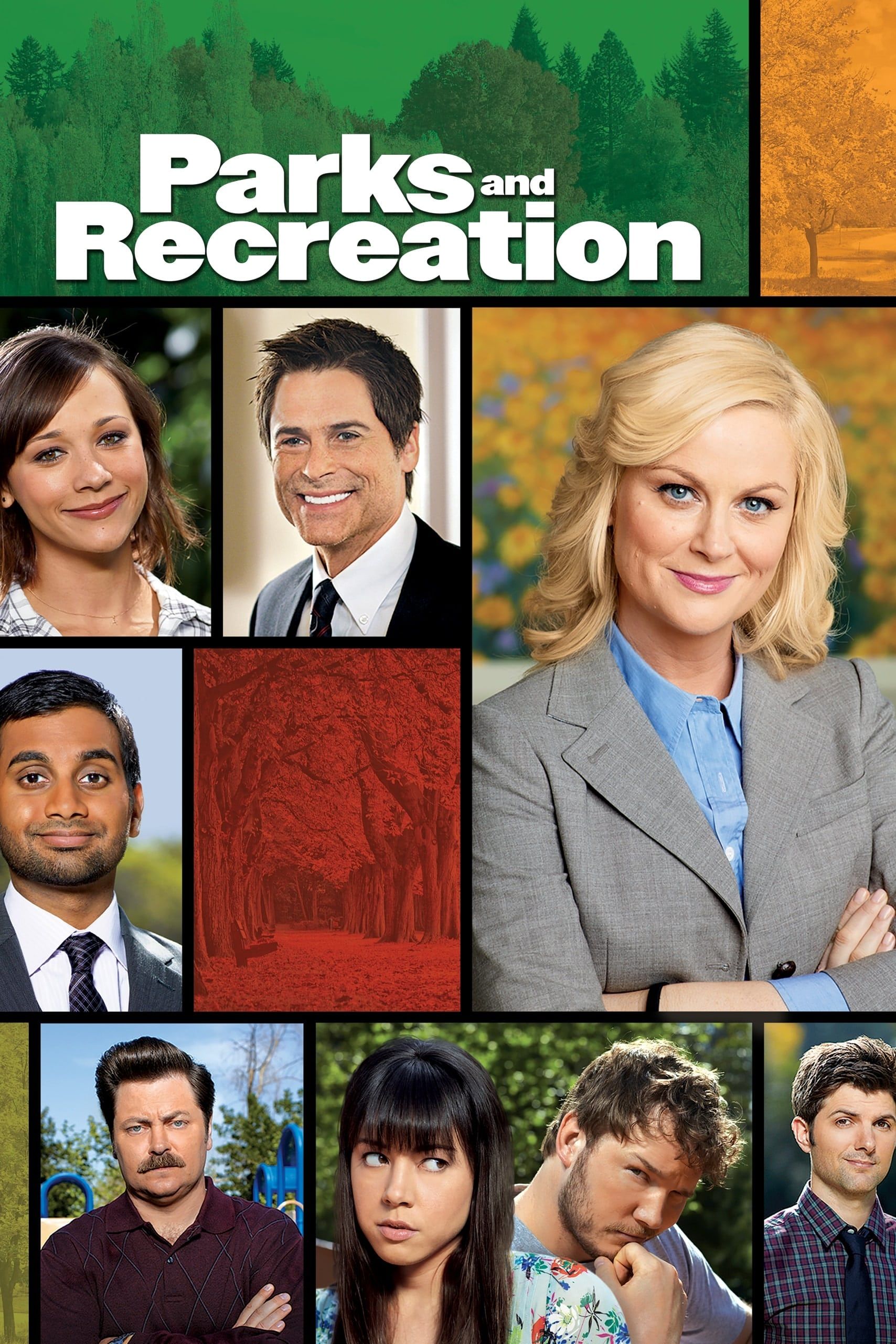
The core cast of Parks and Recreation is defined by an ensemble of high-energy improvisers and seasoned character actors who transformed a municipal government mockumentary into a cultural touchstone. Led by Amy Poehler as Leslie Knope, the cast includes Nick Offerman, Aubrey Plaza, Chris Pratt, Aziz Ansari, Adam Scott, and Rob Lowe, each of whom utilized distinct comedic styles—ranging from deadpan cynicism to manic optimism—to create a cohesive, award-winning performance dynamic.
The Evolution of the Pawnee Ensemble
When Parks and Recreation debuted in 2009, it was initially perceived as a spin-off or clone of The Office. However, the performance direction shifted significantly between Season 1 and Season 2. The writers and actors moved away from the "cringe comedy" of the first six episodes toward a tone of "aggressive optimism." This shift was primarily driven by the cast's ability to find the humanity within their caricatures. By 2026, the show is viewed as a masterclass in ensemble building, where the chemistry between actors often dictated the narrative direction of the series.
The performance style of the show relies heavily on the "mockumentary" format. This requires actors to master the "look to camera," a technical skill where a single glance can communicate more than lines of dialogue. Actors like Jim O'Heir (Jerry Gergich) and Retta (Donna Meagle) became masters of this subtle reaction-based comedy, often stealing scenes without speaking. Understanding the Parks and Rec performance guide requires looking at how these actors balanced scripted precision with the "fun run"—a final take of a scene where actors were encouraged to improvise and push their characters to the limit.
Detailed Profiles of the Core Cast
Amy Poehler as Leslie Knope
Amy Poehler serves as the emotional and comedic anchor of the series. Her performance as Leslie Knope is characterized by relentless verbal speed and a high-stakes emotional investment in trivial municipal tasks. Poehler, a veteran of Saturday Night Live and the Upright Citizens Brigade, brought a level of improvisational discipline that allowed her to handle long "filibuster" monologues while maintaining a sense of genuine vulnerability. In 2026, her portrayal remains the gold standard for lead performances in workplace comedies, specifically for how she balanced "steamrolling" other characters while remaining fundamentally likable.
Nick Offerman as Ron Swanson
Nick Offerman’s portrayal of Ron Swanson is a study in comedic economy. Unlike Poehler’s high-energy output, Offerman’s performance is built on stillness, bass-heavy vocal delivery, and the use of minute facial twitches. Offerman’s real-life skills as a woodworker were integrated into the character, adding a layer of authenticity to his performance. His ability to humanize a staunch anti-government libertarian through his silent, paternal affection for Leslie Knope created the show’s most significant platonic chemistry.
Aubrey Plaza as April Ludgate
Aubrey Plaza’s performance as April Ludgate began as a narrow "deadpan intern" archetype but evolved into one of the show's most complex emotional arcs. Plaza utilizes low-status body language and monotone delivery to mask her character's burgeoning ambition and loyalty. Her performance is notable for its subversion of traditional sitcom femininity; she remains the "weirdo" of the group while transitioning into a capable professional and wife, all without losing the sharp, cynical edge that defined her introduction.
Chris Pratt as Andy Dwyer
Originally intended to be a guest star in Season 1, Chris Pratt’s performance was so charismatic that he was promoted to a series regular. Pratt’s style is defined by "golden retriever energy"—a mix of physical comedy, high-pitched vocal inflections, and a lack of self-consciousness. His ability to perform slapstick (such as falling into the "pit") while maintaining a sweet, dim-witted persona made Andy Dwyer the show’s primary source of levity. This role served as the launchpad for Pratt’s career as a global action star in franchises like the MCU and Jurassic World.
Performance Analysis: The Chemistry of Improvisation
The technical depth of the Parks and Rec performances stems from the "Producer's Cut" methodology. The actors were given the freedom to "riff" on the script, leading to some of the show's most iconic moments. For example, Chris Pratt’s improvised line about Leslie’s "connectivity issues" is frequently cited by showrunner Michael Schur as the funniest line in the show’s history.
To achieve this level of performance, the cast had to adhere to specific "ensemble rules":
- Support the "Straight Man": Even the wildest characters (like Tom Haverford or Jean-Ralphio) had to eventually ground their performances so the audience could track the emotional reality of the scene.
- The "Talking Head" Sincerity: In interview segments, actors were instructed to speak to the camera as if it were a trusted friend, not a television audience. This created an intimate "confessional" style that allowed for deeper character development than standard dialogue scenes.
- Physicality in Pawnee: The actors used the environment of the Pawnee City Hall—the cramped offices, the mural-lined hallways—to inform their movement. Rob Lowe’s Chris Traeger, for instance, used constant motion and aggressive pointing to signify his character’s obsession with health and forward momentum.
Comparative Career Trajectories and Performance Metrics
The following table outlines the primary cast members, their character archetypes, and the specific performance strengths they contributed to the series.
| Actor | Character | Performance Archetype | Key Performance Strength | Post-Show Highlight (as of 2026) |
|---|---|---|---|---|
| Amy Poehler | Leslie Knope | The Overachiever | Rapid-fire dialogue; high-stakes sincerity | Directing and Inside Out franchise |
| Nick Offerman | Ron Swanson | The Stoic | Minimalist expression; dry wit | The Last of Us (Dramatic pivot) |
| Aubrey Plaza | April Ludgate | The Cynic | Deadpan; subtle emotional vulnerability | The White Lotus; Agatha All Along |
| Chris Pratt | Andy Dwyer | The Goofball | Slapstick physical comedy; charisma | Guardians of the Galaxy series |
| Aziz Ansari | Tom Haverford | The Hustler | High-energy pop culture riffing | Master of None (Creator/Actor) |
| Adam Scott | Ben Wyatt | The Everyman | Reaction comedy; "straight man" timing | Severance (Lead Role) |
| Rashida Jones | Ann Perkins | The Anchor | Grounded emotional realism | Sunny; Writing/Producing |
Casting and Character Development History
The casting of Parks and Recreation was a deliberate effort to blend different comedic backgrounds. Allison Jones, the legendary casting director, looked for actors who could handle the "grounded absurdity" of Pawnee. Adam Scott and Rob Lowe were introduced late in Season 2 to fill a specific void: the need for a romantic interest for Leslie and a catalyst for municipal conflict.
Adam Scott’s Ben Wyatt provided a mathematical, rigid contrast to the whimsy of the Parks Department. His performance is a masterclass in the "anxious hero," using nervous energy and a "deer in the headlights" gaze to represent the audience’s perspective. Conversely, Rob Lowe’s Chris Traeger was a subversion of his "pretty boy" image, utilizing relentless positivity as a mask for a deep-seated fear of mortality. The interplay between these two—one a nervous accountant, the other a hyper-fit optimist—re-energized the show and allowed the ensemble to expand into more complex political storylines.
The Legacy of Parks and Rec Performances in 2026
As of 2026, the performances in Parks and Recreation are studied for their "character-first" approach to comedy. Unlike many sitcoms of the era that relied on "joke-joke-joke" structures, the humor in Parks and Rec almost always stems from the specific worldview of the character. When Ron Swanson refuses to eat a banana, the laugh comes from our understanding of his philosophy on food and masculinity, not from the act itself.
This deep characterization allowed the actors to maintain consistency over seven seasons. By the time the show reached its series finale, the performances had become so internalized that the actors were able to portray their characters across several decades of "future" timelines with remarkable continuity. The 2020 reunion special further proved this, as the cast stepped back into their roles via Zoom, maintaining their chemistry despite the lack of physical proximity.
FAQ: Common Questions About the Cast and Performances
Who was considered the "breakout star" of the cast?
While Amy Poehler was the established lead, Chris Pratt and Aubrey Plaza are widely considered the breakout stars. Pratt’s transition from a supporting "bum" character to a global A-list movie star is one of the most significant career trajectories in modern television history. Plaza similarly used the show to establish a unique "weird girl" brand that she leveraged into a successful career in both independent film and prestige television.
How much of the show was actually improvised?
While the show was strictly scripted to ensure plot points were hit, the "fun run" takes allowed for significant improvisation. Typically, about 10% to 15% of the dialogue in a finished episode originated from actor riffs. However, the reactions and non-verbal cues were almost entirely the result of the actors' choices on the day of filming, contributing heavily to the show's "lived-in" feel.
Why did some main cast members leave before the series ended?
Rashida Jones (Ann) and Rob Lowe (Chris) left in Season 6 because the writers felt their character arcs—specifically their journey toward starting a family together—had reached a natural conclusion. Their departure allowed the show to focus more heavily on the remaining ensemble and introduced new dynamics as Leslie had to navigate her professional life without her "best friend" Ann.
Did any of the actors have real-life influence on their characters?
Yes, several characters were tailored to the actors' real personalities or interests. Nick Offerman’s woodworking and saxophone playing (Duke Silver) were real-life traits. Aziz Ansari’s interest in fashion and "streetwear" culture influenced Tom Haverford’s entrepreneurial ventures. Retta’s real-life love for luxury and fine dining was mirrored in Donna Meagle’s "Treat Yo Self" philosophy.
Guidelines for Evaluating Ensemble Performance
When analyzing the performance quality of an ensemble like the one in Parks and Recreation, viewers and students of acting should look for the "give and take." A successful ensemble performance is not about who is the funniest, but about how the actors "set the table" for one another. In Pawnee, the actors excelled at "setting up" their co-stars, often taking the "lower status" position in a scene to allow another character's absurdity to shine.
For those looking to study these performances further, it is recommended to watch the "Gag Reels" alongside the episodes. These outtakes reveal the technical process of the actors finding their characters and show the sheer volume of alternative lines generated during the "fun runs." This practice offers a deeper appreciation for the discipline required to maintain a character's voice while exploring the boundaries of a comedic premise.