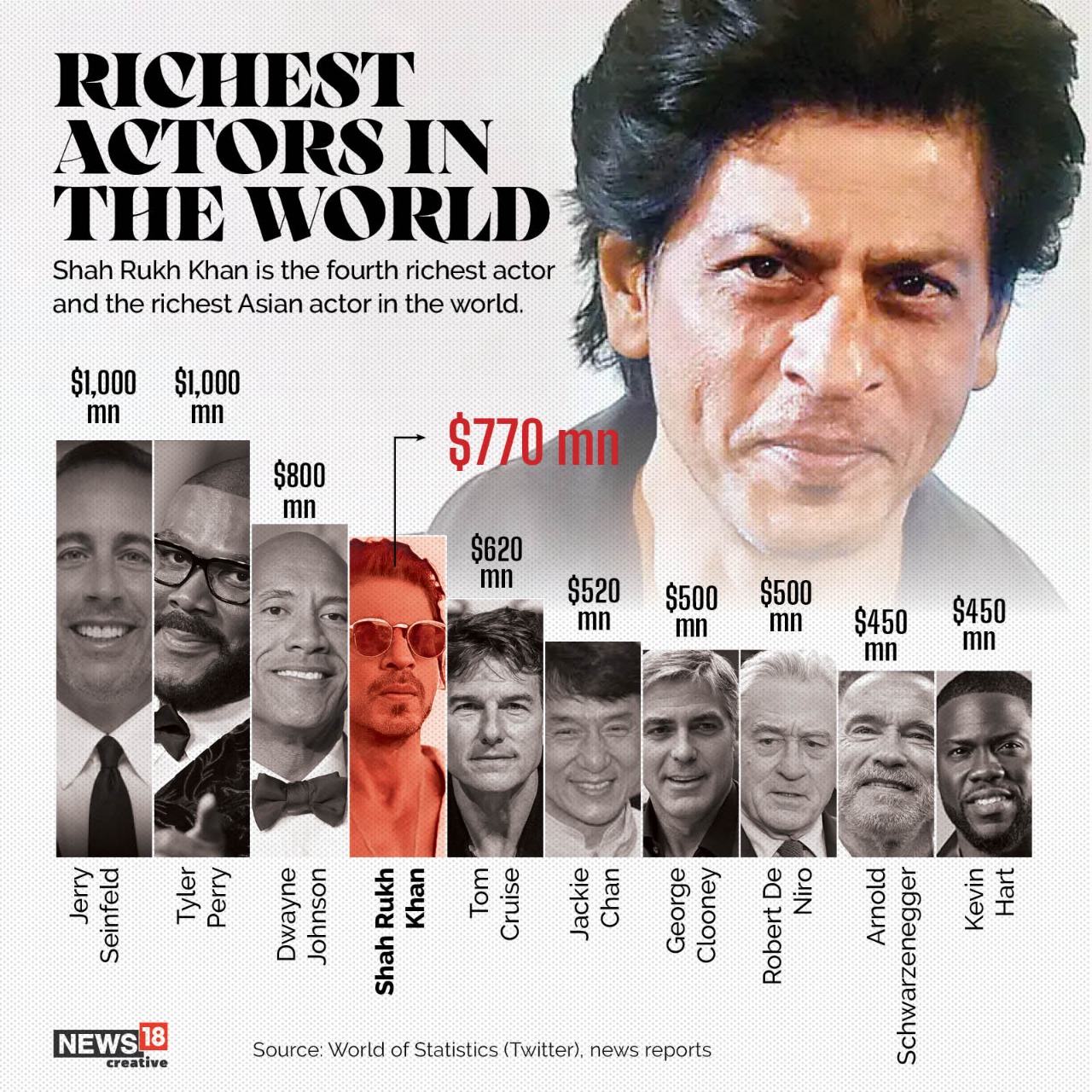
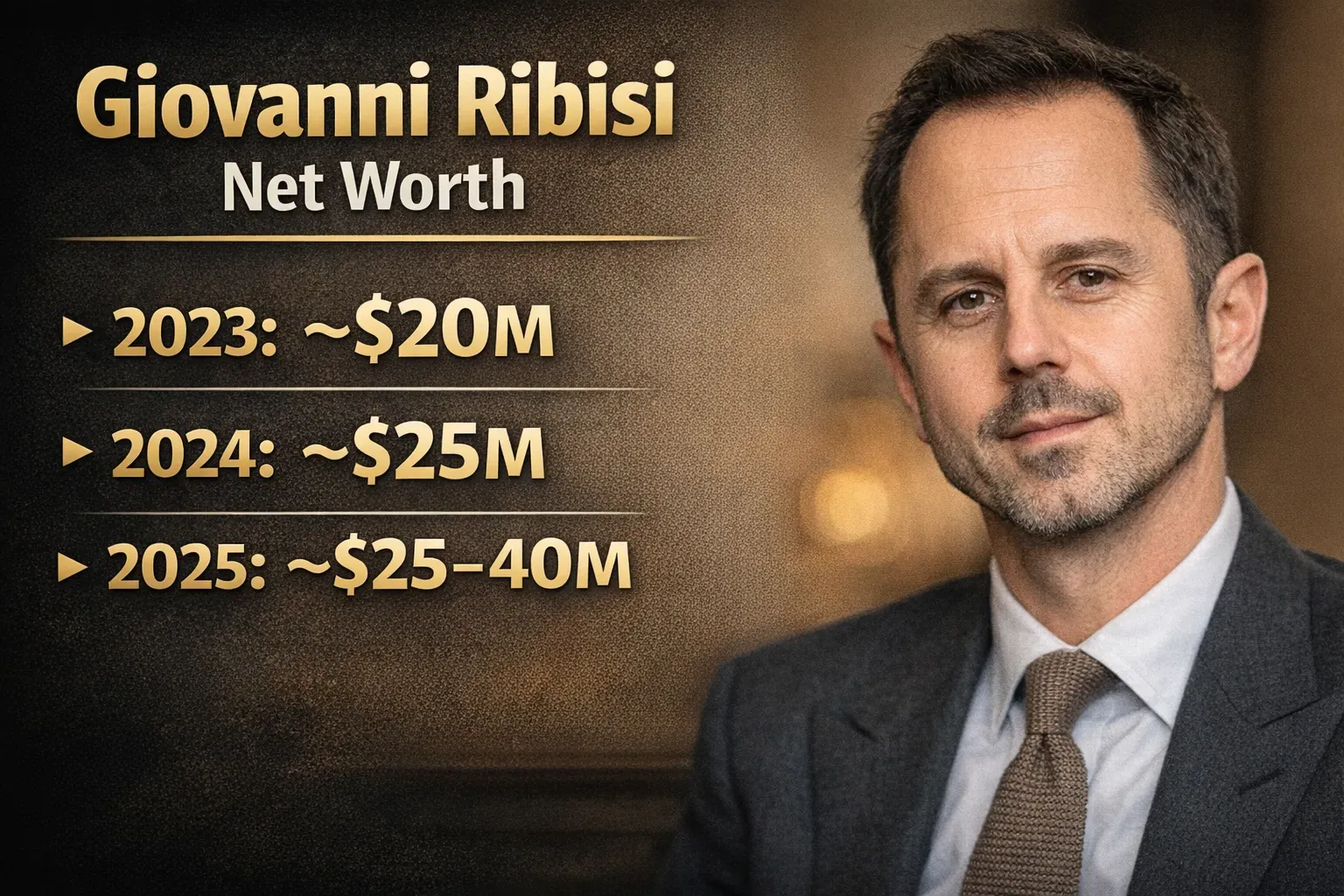
An actor’s net worth is the total market value of their financial assets—including cash, real estate, production companies, and investment portfolios—minus their total liabilities. In 2026, this figure is primarily driven by a combination of upfront performance fees, streaming residuals, backend profit participation, and highly lucrative private equity ventures in the lifestyle and tech sectors.
Understanding an actor's net worth requires looking beyond the "per-movie" salary often cited in headlines. While a $20 million paycheck for a blockbuster film is significant, the true breakdown of an actor's wealth involves a complex ecosystem of recurring passive income, brand equity, and professional overhead. By 2026, the industry has seen a massive shift in how these figures are calculated, particularly as the "backend" deals of the traditional theatrical era have been largely replaced by "buyout" models in the streaming world.
The Anatomy of an Actor's Earnings: Upfront Salaries
The most visible component of an actor's net worth breakdown is the upfront salary, also known as the "quote." This is the guaranteed amount paid for the work performed during principal photography. In 2026, these salaries are categorized into three distinct tiers based on the medium and the actor's "star power."
Feature Film Tiers
For A-list talent, the "20/20 club" (a $20 million salary against 20% of the gross profit) has evolved. While some stars still command $20 million to $30 million for major theatrical releases, many have transitioned to a high-upfront "buyout" model from streaming platforms. In these cases, an actor might receive $40 million to $50 million upfront because the streamer is "buying out" their rights to any future residuals or box office bonuses.
Television and Limited Series
The prestige TV boom of the 2020s has stabilized into a high-earning reality for actors in 2026. Top-tier talent on limited series or flagship streaming shows can earn between $1 million and $2.5 million per episode. For a 10-episode season, this puts a lead actor’s seasonal earnings on par with a major feature film, often with a shorter time commitment.
Scale and Indie Rates
Lower down the ladder, actors work for "scale"—the minimum salary set by SAG-AFTRA. Even for seasoned character actors, these rates form the baseline of their yearly income. Net worth for these individuals is often built through volume (working on multiple projects a year) rather than the "one big hit" strategy employed by movie stars.
Passive Income: Understanding Residuals in the Streaming Era
Residuals are the payments made to actors for the reuse of their work. Historically, this meant checks every time a show aired in syndication or a DVD was sold. In 2026, the residual landscape is dominated by "High Budget SVOD" (Subscription Video on Demand) formulas.
Residuals function as a long-term annuity. For a successful series regular, residuals can provide a steady six-figure income for decades after a show concludes. However, the breakdown of these payments has changed. Under current 2026 labor agreements, residuals are now more closely tied to viewership transparency metrics, meaning actors whose work remains popular on global platforms see a direct correlation in their net worth growth.
This "long tail" of income is a critical reason why veteran actors often have higher net worths than younger stars who may have higher current salaries but lack a deep library of past work. A "legacy" actor with 40 years of credits in active syndication has a financial floor that protects their net worth regardless of their current employment status.
Backend Participation: The Wealth Multiplier
The "backend" refers to an actor’s share of a project’s profits. This is where the most significant jumps in net worth occur. When an actor has "points" on a film, they own a piece of the intellectual property’s success.
There are two primary types of backend:
- First-Dollar Gross (FDG): The actor receives a percentage of every dollar the movie earns from the very first ticket sale. This is extremely rare and reserved for the top 0.1% of stars.
- Net Profit Participation: The actor receives a percentage only after the studio has recouped all production and marketing costs. Because "Hollywood accounting" often makes projects appear unprofitable on paper, this rarely results in massive payouts unless the film is an absolute phenomenon.
By 2026, many actors have negotiated "performance bonuses" instead of traditional backend. These are fixed cash triggers—for example, $5 million if a movie reaches the top 10 list in 50 countries or $2 million if a film reaches a specific box office milestone. These bonuses are easier to track and verify than nebulous "profit" percentages.
Commercial Endorsements and Brand Equity
For many modern actors, the income earned on-screen is eclipsed by brand partnerships. In a breakdown of a top star’s net worth, "commercial income" often accounts for 30% to 50% of their total wealth.
These deals fall into several categories:
- Global Ambassadorships: High-fashion houses (Dior, Chanel, Louis Vuitton) or luxury watchmakers sign multi-year deals ranging from $5 million to $15 million annually.
- Regional Commercials: Many US actors maintain high net worths by doing lucrative commercials in overseas markets like Japan or South Korea, which often remain unseen by their domestic audience.
- Social Media Monetization: In 2026, an actor's "reach" is a tangible asset. Sponsored content on platforms like Instagram or TikTok can earn a mid-tier actor $50,000 to $200,000 per post, while A-listers can command over $1 million for a single coordinated campaign.
Business Diversification: Portfolios Beyond Entertainment
The most significant shift in actor net worth breakdowns over the last decade has been the move from "employee" to "owner." High-net-worth actors are increasingly using their salaries as venture capital.
Production Companies
Most top actors now operate their own production banners. By producing their own projects, they earn a producer fee, a creator fee, and a larger slice of the backend. They also own the rights to the material, which can be sold or licensed, adding significant valuation to their personal estate.
Private Equity and "The Spirit Boom"
Following the success of celebrity-owned liquor brands in the early 2020s, many actors in 2026 have diversified into spirits, skincare, and sustainable tech. When these companies are acquired or go public, the resulting windfall can increase an actor's net worth by hundreds of millions of dollars in a single transaction. This "exit wealth" is how actors like Ryan Reynolds or George Clooney reached the upper echelons of wealth, independent of their acting fees.
Real Estate and Traditional Investments
Standard wealth management remains a pillar. A typical breakdown includes a primary residence (often valued at $10M+), investment properties, and a diversified portfolio of stocks and bonds. In 2026, "green" investments and AI-driven tech startups are common features in celebrity portfolios.
The Hidden Deductions: What Actors Actually Take Home
A common mistake in analyzing actor net worth is looking at gross income rather than net income. Actors are essentially small businesses with massive overhead. Before a single dollar reaches the actor’s bank account, several parties take their cut:
| Expense Category | Percentage | Description |
|---|---|---|
| Agent Fee | 10% | Standard commission for securing the work and negotiating the contract. |
| Manager Fee | 10% - 15% | Strategic career guidance and daily operational management. |
| Lawyer Fee | 5% | Reviewing long-form contracts and protecting intellectual property. |
| Publicist | Fixed Monthly | Retainers typically ranging from $5,000 to $15,000 per month. |
| Taxes (US/CA/UK) | 35% - 50% | Federal, state, and local income taxes for high earners. |
| Staff/Security | Variable | Personal assistants, security details, and travel expenses. |
Total Deduction Impact: An actor often takes home only 40% to 50% of their gross "headline" salary. If an actor signs a $10 million deal, they may only see $4 million to $5 million after their professional team and the government are paid.
Estimating Net Worth: Public Data vs. Private Reality
It is important to note that most publicly available "net worth" figures are educated estimates. Financial analysts use a "multiplicative model" to calculate these:
- Known Salaries: Aggregated from trade publications (Variety, The Hollywood Reporter).
- Asset Valuation: Public records of real estate transactions and known business holdings.
- The "Hogsett" Formula: Subtracting estimated taxes and commissions (usually 50%) and adding a conservative 5% annual return on invested capital.
While these breakdowns provide a clear picture of an actor’s financial trajectory, they often miss private investments, family trusts, and debts. Consequently, "net worth" should be viewed as a range of financial health rather than an exact bank balance.
Frequently Asked Questions
Do actors get paid every time a movie plays on TV?
Yes, these are called residuals. However, the amount decreases over time. The first time a movie airs on network TV, the check is substantial. By the 20th time it airs on a local cable affiliate, the check might be for only a few cents. In 2026, streaming residuals are paid based on the number of subscribers to the platform and the "success" of the title within that platform's library.
Why do some actors with few recent credits still have high net worths?
This is usually due to "The Three Pillars": residuals from a past hit series, smart real estate investments, or a successful side business. Many actors from the 1990s and 2000s invested their peak earnings into diversified portfolios that have grown significantly over 20 years, even if they are no longer "A-list" stars.
Do actors have to pay for their own travel and makeup?
On major productions, the studio pays for "above-the-line" talent's travel (usually first-class or private), lodging, and professional services. However, for personal appearances, press tours not funded by the studio, or independent projects, these costs come directly out of the actor’s pocket and can significantly impact their annual net income.
How does a "points" deal work in 2026?
Most points deals in 2026 are "Box Office Bonuses" or "Streaming Escalators." Instead of waiting for a movie to become "profitable" (which is hard to define), an actor receives a $1 million bonus for every $100 million the movie earns globally, or a specific bonus if the movie remains in a streaming platform's "Top 10" for more than four consecutive weeks.
How to Evaluate an Actor's Financial Longevity
When analyzing an "actor net worth breakdown," the most important factor is the diversity of income streams. An actor who relies solely on acting fees is at the mercy of the market and aging. Conversely, an actor who has successfully pivoted into "owner" status—owning their production company, a consumer brand, or a robust real estate portfolio—has a net worth built on a foundation that will likely continue to grow even after they retire from the screen. For readers interested in wealth management, the Hollywood model demonstrates the power of leveraging a "personal brand" to acquire tangible assets.