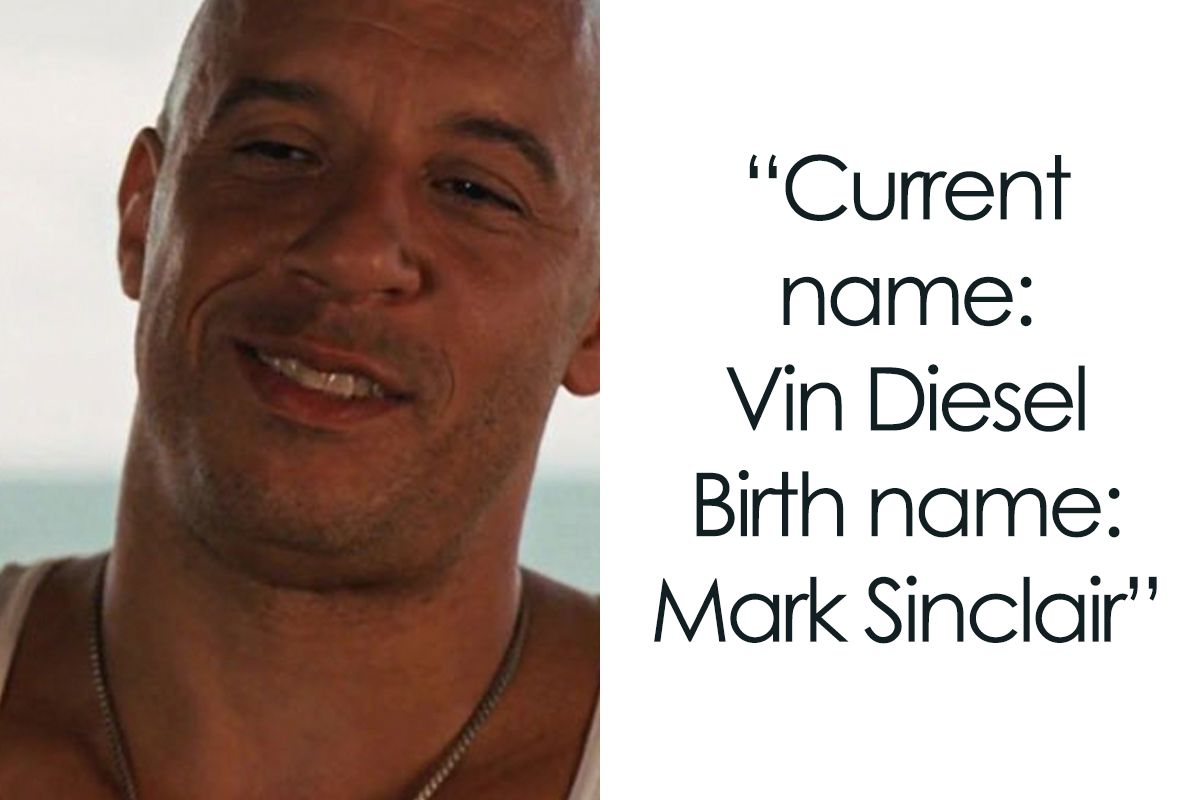
Actor names disambiguation is the technical and administrative process of distinguishing between two or more performers who share the same name to ensure accurate credits, royalty payments, and search engine results. This process relies on a combination of union regulations (like SAG-AFTRA stage name rules), database-specific suffixes (such as IMDb’s Roman numerals), and persistent digital identifiers like ISNI to maintain data integrity across the global entertainment ecosystem.
In an era where streaming platforms and global databases manage millions of profiles, the "name collision" problem poses a significant challenge for developers, casting directors, and talent agents. When two actors share a name, the risk of "identity bleeding"—where credits or biographical data from one person appear on the profile of another—increases. As of 2026, the industry has moved toward more robust, ID-centric models of disambiguation to move beyond the limitations of simple string matching.
The Mechanics of Name Uniqueness in the Entertainment Industry
The foundation of actor disambiguation begins long before a name enters a database. It starts with labor unions. For decades, the Screen Actors Guild (SAG) and the American Federation of Television and Radio Artists (AFTRA)—now merged as SAG-AFTRA—have enforced a strict "unique name" policy. Under these rules, no two members can have identical professional names.
This regulation is the reason many famous actors use middle initials or entirely different stage names. For example, Michael J. Fox added the "J" because a "Michael Fox" was already registered. Similarly, Emma Stone adopted "Emma" because her birth name, Emily Stone, was already taken by another performer. In 2026, this rule remains the primary preventative measure for disambiguation within the North American market, but it faces challenges due to the global nature of modern media.
International actors who are members of different unions (such as Equity in the UK or ACTRA in Canada) may enter the US market with names that conflict with existing SAG-AFTRA members. Furthermore, non-union actors or historical figures often share names with contemporary stars, necessitating a secondary layer of disambiguation that occurs at the data level rather than the registration level.
Digital Disambiguation Techniques: How Databases Handle Multiplicity
When the union's preventative measures fail—or when dealing with historical data where name collisions are unavoidable—digital databases employ specific disambiguation techniques. The goal is to transform a non-unique string (the name) into a unique record.
The IMDb Roman Numeral System
The Internet Movie Database (IMDb) is perhaps the most visible practitioner of actor disambiguation. They use a parenthetical Roman numeral system to distinguish individuals. For instance, a search might yield "John Smith (I)," "John Smith (II)," and so on. These numerals are assigned based on the chronological order in which the actor's first credit was entered into the database. While effective for machines, this system is often criticized by professionals for being unintuitive and potentially damaging to a performer’s "brand" if they are assigned a high numeral that suggests they are a secondary version of a more established name.
Wikipedia and Parenthetical Qualifiers
Wikipedia utilizes a "natural disambiguation" approach. If multiple people share a name, the article title includes a qualifier in parentheses, such as "Steve McQueen (actor)" versus "Steve McQueen (director)." If both are actors, the qualifier becomes more specific, often including birth years or middle names. This method is highly effective for human readers but requires sophisticated Natural Language Processing (NLP) for machines to map correctly.
The Role of Persistent Identifiers (PIDs)
As we navigate through 2026, the industry has largely shifted its focus from "names as keys" to "IDs as keys." This is the most critical development in solving actor names disambiguation. A persistent identifier is a long-lasting reference to a document, file, web page, or person.
International Standard Name Identifier (ISNI)
The ISNI is an ISO-certified standard (ISO 27729) used to uniquely identify the public identities of contributors to creative works. Unlike a name, which can change (due to marriage or rebranding), an ISNI is a 16-digit code that stays with the individual forever. Major libraries and rights management organizations use ISNIs to ensure that royalties are paid to the correct "John Smith."
Wikidata and Q-Numbers
Wikidata, the structured data counterpart to Wikipedia, assigns every entity a "Q-number" (e.g., Q43852 for Arnold Schwarzenegger). Because Q-numbers are language-agnostic and unique, they serve as a "Rosetta Stone" for disambiguation. If a streaming service's database maps its "Tom Holland" entry to the Wikidata ID Q2024410, it ensures the metadata reflects the Spider-Man actor and not a historical namesake.
Data Engineering Challenges: Entity Linking and NLP
For developers building search engines or recommendation algorithms, disambiguating actor names requires a process known as Entity Linking or Named Entity Disambiguation (NED). This involves more than just looking at the name string; it involves analyzing the context of the data.
When an algorithm encounters the name "Michelle Williams," it must look at surrounding metadata to determine the identity:
- Contextual Co-occurrence: Is the name appearing alongside "Destiny’s Child" or "Manchester by the Sea"?
- Temporal Context: Was the work produced in 1998 or 2024?
- Genre Mapping: Is the credit for a Broadway musical or a blockbuster film?
In 2026, machine learning models have become highly adept at this. Using "Knowledge Graphs," these systems map the relationships between entities. If a database knows that Actor A frequently works with Director B, it can use that relationship to resolve a name conflict with a high degree of statistical certainty.
Comparative Analysis of Disambiguation Standards
The following table compares the most common systems used in 2026 to resolve actor name conflicts:
| System | Disambiguation Method | Primary Use Case | User Editability |
|---|---|---|---|
| IMDb | Roman Numeral Suffixes (e.g., [I], [II]) | Public Filmography & Credits | Moderate (via contributor portal) |
| SAG-AFTRA | Unique Professional Name Registration | Legal/Union Membership | Low (Requires legal change) |
| Wikidata | Unique Q-ID (Numeric) | Linked Open Data / Semantic Web | High (Community driven) |
| ISNI | 16-digit ISO Standard Code | Rights Management & Libraries | Restricted (Official agencies only) |
| Google KG | Knowledge Graph Mid (Machine ID) | Search Engine Results | None (Algorithmically generated) |
Troubleshooting and Correcting Disambiguation Errors
Despite sophisticated systems, errors in actor names disambiguation remain common. "Profile merging"—where two distinct people are combined into one digital record—is a frequent issue for rising talent. Correcting these errors requires targeted action depending on the platform.
- IMDb Corrections: Use the "Edit Page" function to request a "Name Split." This requires providing evidence, such as birth dates or distinct headshots, to prove that the credits belong to two different individuals.
- Google Knowledge Graph: If a search result shows the wrong photo for an actor, the verified representative must use the "Claim this Knowledge Panel" feature. This allows for direct feedback to Google's data team to uncouple incorrect entities.
- Union Disputes: If a name conflict arises within SAG-AFTRA, the union's legal department handles the resolution. This often results in one party being required to add an initial or a middle name to their professional identity.
For data managers, the best way to prevent these errors is to implement Multi-factor Identity Verification. Never rely on the name alone; always pair the name with at least two other data points, such as a birth year (YYYY) and a unique industry ID (like an ISNI or a Union ID).
Professional Recommendations for New Talent
For actors entering the industry in 2026, proactive disambiguation is a career necessity. Your "digital footprint" is your resume, and having it diluted by a namesake can hinder casting opportunities.
- Research Before Registering: Before settling on a stage name, search IMDb, Wikipedia, and the SAG-AFTRA registry. If your name is common (e.g., "Sarah Miller"), consider using your middle name or a unique variation immediately.
- Secure an ISNI Early: You don't have to be a superstar to have an ISNI. Establishing this identifier early in your career helps ensure your credits are correctly aggregated across international streaming platforms.
- Audit Your Meta-Data: Regularly check your "Top-tier" profiles (IMDb, Spotlight, LinkedIn, and Wikipedia). If you see a credit that isn't yours, report it immediately. The longer incorrect data sits, the more likely it is to be "scraped" and replicated by other databases.
By treating a professional name as a unique data key rather than just a label, performers and industry professionals can ensure that the right person gets the credit—and the paycheck—every time.
Frequently Asked Questions
Why does IMDb use Roman numerals like (I) and (II) for actors?
IMDb uses Roman numerals to create a unique primary key for every person in their database who shares a name. Because their system is built on unique identifiers, they cannot have two "John Smiths" without a suffix. The numeral is generally assigned based on which actor was added to the database first, though this does not necessarily reflect their professional seniority or fame.
Can an actor change their disambiguation suffix on IMDb?
Generally, no. IMDb does not allow actors to "swap" numbers (e.g., moving from II to I) because those numerals are internal database keys. However, if an actor changes their professional name (e.g., adding a middle name), they can move their credits to a new, unique name page, which effectively removes the need for a suffix.
What is the difference between a name conflict and a profile merge?
A name conflict occurs when two people have the same name, but the system correctly keeps them separate (usually via suffixes). A profile merge is an error where the system or a human contributor mistakenly believes two different people are the same person, resulting in one profile that contains a mix of both individuals' credits and photos.
How do streaming services like Netflix or Disney+ handle actor disambiguation?
Most modern streaming services use "Knowledge Graphs" and internal IDs rather than names. They often ingest data from providers like Gracenote or TiVo, which use proprietary IDs to ensure that when you click on an actor's name, you see only their specific filmography. They rely heavily on the metadata provided during the digital delivery of the film.
Does having a common name affect an actor's SEO?
Yes, significantly. If an actor shares a name with a more famous person, search engines will prioritize the more famous entity. This makes it harder for the less-famous actor to appear in Knowledge Panels or top search results. This is a primary reason why many actors choose unique stage names—to "own" their specific search results.
Establishing Unique Digital Presence in 2026
To resolve ongoing disambiguation issues, the most effective next step is to claim and verify your identity on foundational data platforms. Start by ensuring your IMDb page is claimed via IMDbPro and that your Wikidata entry (if one exists) is updated with your correct ISNI. For developers, shifting from string-based queries to ID-based queries is the only way to ensure 100% accuracy in entertainment metadata. In the high-stakes world of 2026 media, identity resolution is not just a technical preference; it is a financial and professional requirement.