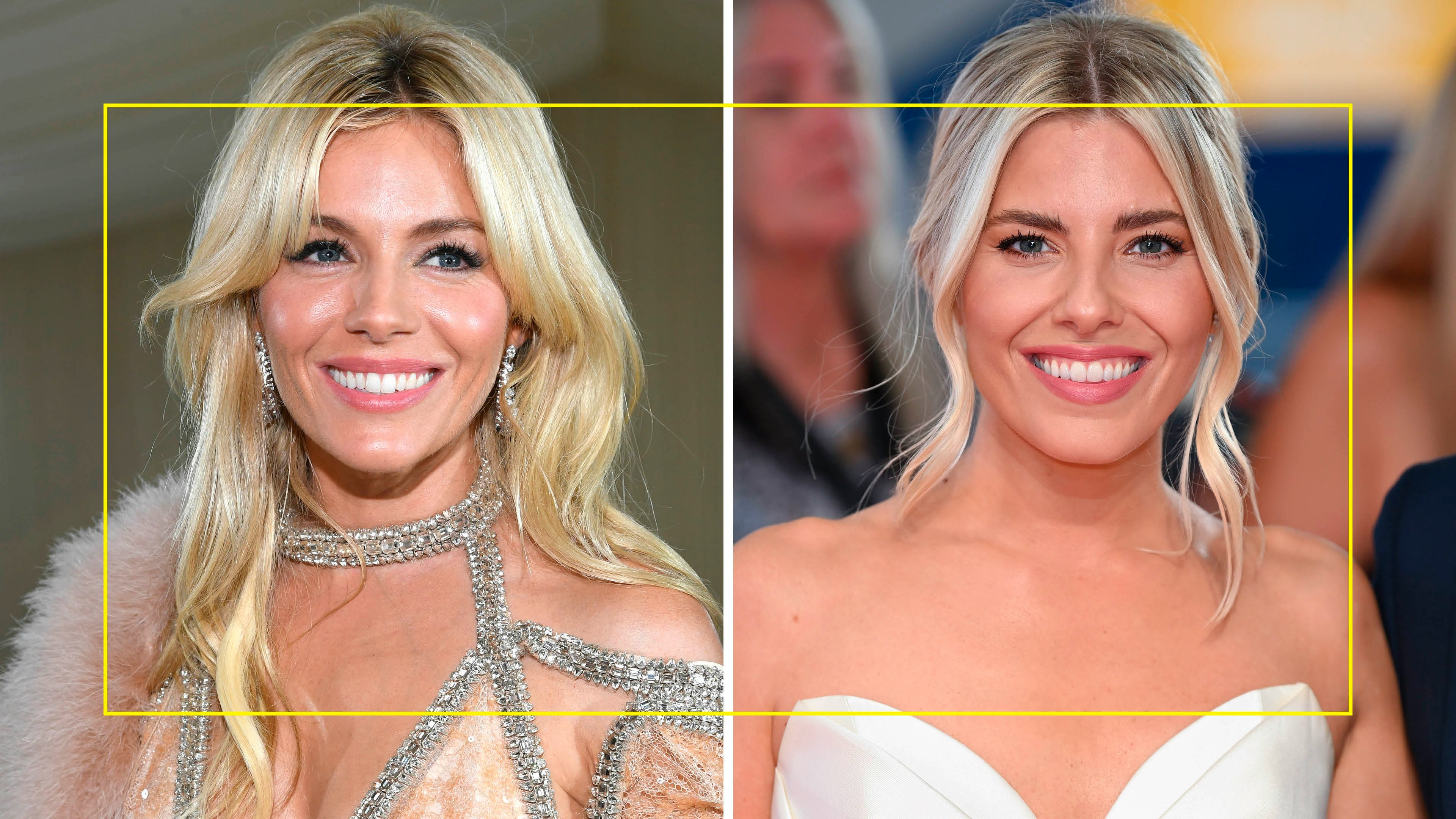
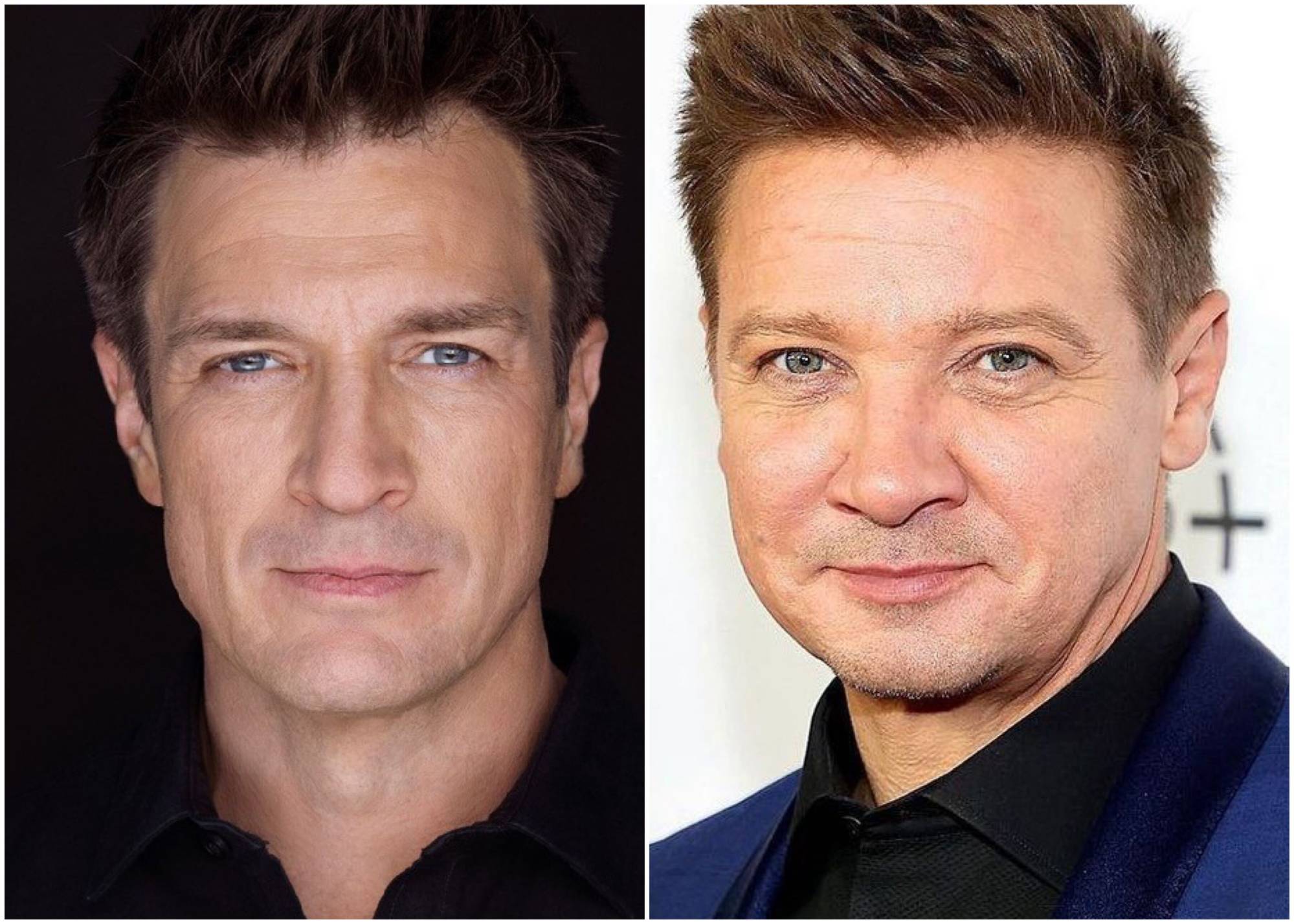
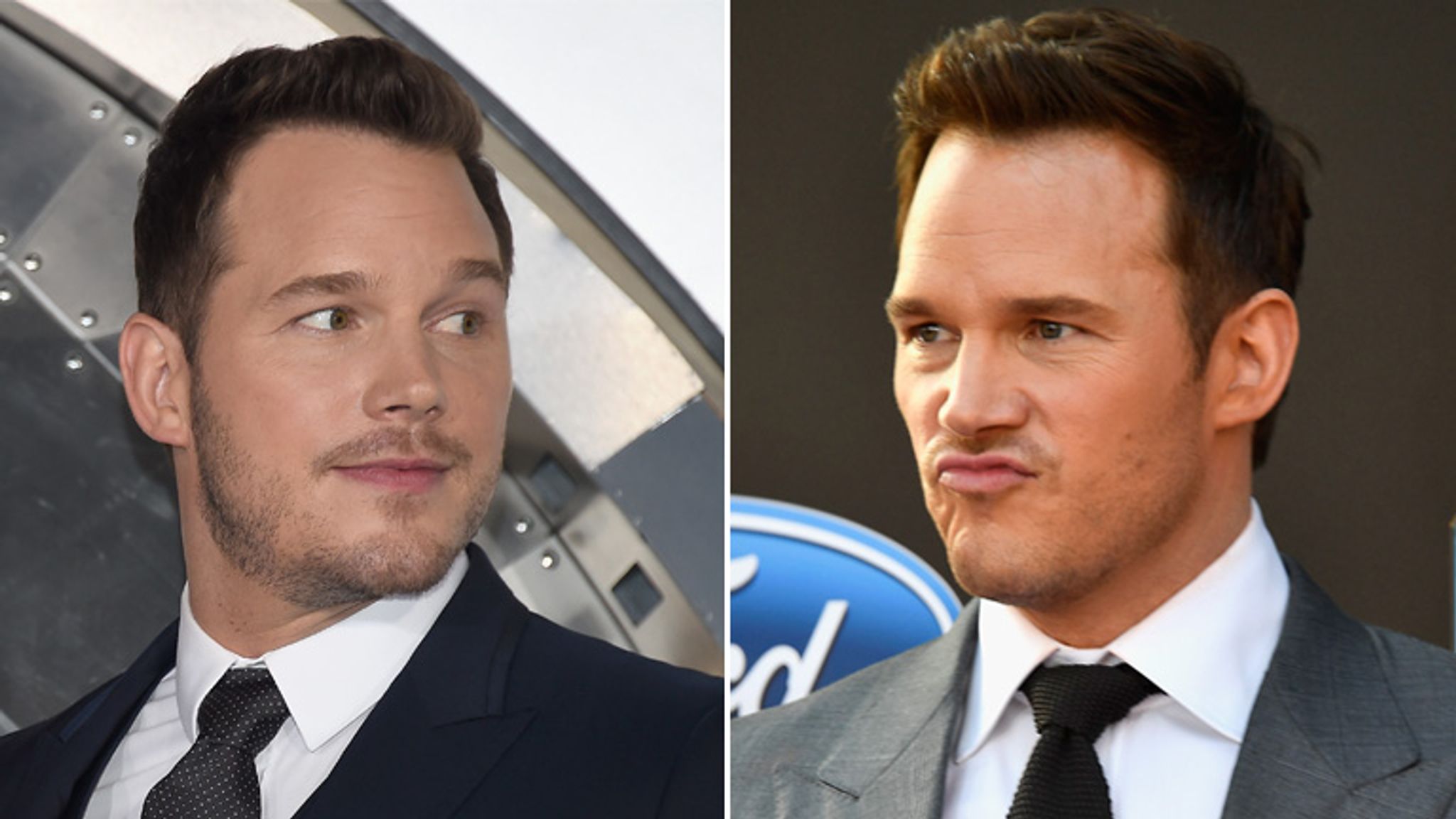
Actor lookalikes are individuals who possess a striking physical resemblance to famous film and television stars. In 2026, these doppelgängers are identified through advanced AI facial recognition tools or hired via specialized talent agencies for corporate events, marketing campaigns, and private parties to provide high-value entertainment and "A-list" atmosphere.
The Science and Psychology of Facial Resemblance
The fascination with actor lookalikes is rooted in both biological curiosity and the psychological phenomenon of "pareidolia" combined with celebrity culture. While the odds of two unrelated people sharing identical DNA are nearly zero, the number of genetic combinations that dictate facial structure is finite. This means that "doppelgängers"—individuals who share similar bone structures, eye placements, and soft tissue distributions—are statistically inevitable among a global population of eight billion.
In the entertainment industry, a lookalike’s value isn't just in their static appearance but in their ability to mimic the "essence" of a star. This includes specific mannerisms, vocal patterns, and iconic costumes associated with an actor’s most famous roles. Psychologically, encountering a lookalike triggers a "double-take" response in the human brain, which processes familiar faces in the fusiform face area (FFA). When we see a Tom Cruise or a Margot Robbie lookalike, our brain experiences a momentary lapse in reality, creating a sense of novelty and excitement that makes lookalikes highly effective for marketing and experiential events.
By 2026, the threshold for a "good" lookalike has shifted. With the proliferation of high-definition cameras and social media, "vague resemblances" no longer suffice for professional work. Today’s top-tier lookalikes often invest in professional makeup artistry, dental veneers, and even minor cosmetic adjustments to bridge the gap between "similar" and "identical."
How to Find Your Celebrity Lookalike in 2026
If you have ever been told you look like a specific star, or if you are simply curious about your celebrity "twin," the technology available in 2026 has made identification more precise than ever. Finding a lookalike is no longer a matter of opinion; it is a matter of biometric data.
AI-Powered Facial Recognition Tools
Modern lookalike discovery is dominated by neural networks. Unlike the rudimentary apps of the early 2020s, current AI tools analyze hundreds of "landmarks" on the face, including the distance between the pupils, the width of the nose, and the specific curvature of the jawline. Services such as StarByFace and specialized modules within platforms like Pinterest or Google Lens allow users to upload a high-resolution selfie and receive a percentage-based compatibility score against a massive database of global actors.
Social Media and Crowdsourcing
TikTok and Instagram remain primary engines for lookalike discovery. The "Lookalike Filter" trend has evolved into sophisticated AR overlays that map a celebrity’s features onto the user’s face in real-time to check for structural alignment. Furthermore, the "Lookalike Reddit" communities and dedicated hashtags (e.g., #CelebrityDoppelganger) serve as crowdsourced verification hubs where users can get unbiased opinions on their resemblance to famous figures.
Genealogy and Heritage Databases
Interestingly, many people find their actor lookalikes through ancestry services. As genetic databases grow, users are frequently matched with distant relatives who might share the same distinct facial traits found in certain ethnic clusters. While this doesn't guarantee a celebrity match, it explains why someone might share the specific "look" of a star from a similar ancestral background.
The Professional Lookalike Industry: Hiring Talent for Events
The commercial sector for actor lookalikes is a thriving niche within the broader "tribute act" and event planning industry. Businesses and private hosts hire lookalikes to add a "wow factor" to events where the actual celebrity would be cost-prohibitive or unavailable.
Professional lookalikes are generally categorized into three tiers based on their resemblance and performance ability:
| Category | Primary Use Case | Expected Skill Level | Relative Cost |
|---|---|---|---|
| Atmosphere Lookalike | Large parties, "paparazzi" walls | High physical resemblance; minimal speaking | Low to Moderate |
| Interactive Lookalike | Trade shows, corporate mixers | High resemblance; mastery of catchphrases and IC (In-Character) behavior | Moderate to High |
| Tribute Performer | Stage shows, musical events | Total physical mimicry plus singing, dancing, or acting talent | High |
| Digital/AI Double | Film production, social ads | License to use likeness for CGI or Deepfake applications | Variable (Licensing-based) |
When hiring through agencies like Mirror Images or Lookalikes.co.uk, clients must consider the "standard of resemblance." A professional lookalike typically provides their own screen-accurate costumes. For example, a Jack Sparrow lookalike isn't just a man who looks like Johnny Depp; he is a performer with a weathered leather hat, specific rings, and the signature drunken gait.
How to Become a Professional Actor Lookalike
Turning a natural resemblance into a career requires more than just "good genes." It is a business of branding and performance. If you are frequently mistaken for a specific actor, here are the steps to professionalize that asset in 2026:
- Market Research and Demand Analysis: Determine if your "target" actor is currently relevant. Lookalikes for actors in major franchises (Marvel, Star Wars, Dune) or perennial icons (Marilyn Monroe, Elvis Presley) have higher booking rates than those resembling niche character actors.
- Portfolio Development: You need high-quality photography that recreates iconic "stills" from the actor’s films. This includes "side-by-side" comparisons. Your portfolio should demonstrate versatility—showing you in various roles the actor has played.
- The "Act" in Lookalike: Physical resemblance gets you the audition; the performance gets you the job. Study the actor’s interviews to master their vocal cadence, regional accents, and hand gestures. If you look like Ryan Reynolds but speak with a thick London accent, your utility for American corporate events is limited unless you can mask it.
- Agency Representation: Most high-paying corporate gigs go through talent agents. In 2026, reputable agencies require a background check and a video reel demonstrating your ability to stay in character while interacting with the public.
- Investing in Wardrobe: Professional-grade costumes are expensive but necessary. Using "Halloween store" quality outfits will relegate you to low-paying birthday parties. To command fees of $500–$2,000 per appearance, your attire must look like it came off a film set.
Legal and Ethical Considerations in the Age of Digital Doubles
The lookalike industry faces unique legal challenges, particularly concerning the "Right of Publicity." This legal doctrine protects an individual's right to control the commercial use of their name, image, and likeness.
Professional lookalikes must walk a fine line. Generally, it is legal to look like someone else and perform as them, provided there is no "false endorsement." This means a lookalike cannot claim to be the real actor or imply that the real actor is endorsing a specific product without a separate agreement. Most lookalikes use disclaimers in their marketing materials, stating they are "Professional Impersonators" or "Lookalikes."
In 2026, the rise of AI and Deepfakes has complicated this. Some lookalikes now license their own faces to be used as the "base" for AI-generated content, where their physical movements are combined with a digital overlay of the actual celebrity’s face. This requires complex contracts to ensure that neither the lookalike nor the celebrity’s estate is being exploited. Actors' unions, such as SAG-AFTRA, have established strict guidelines on "digital replicas," and professional lookalikes are increasingly aligning themselves with these standards to ensure the longevity of the profession.
Common Pitfalls and Troubleshooting Resemblance
One of the most common issues in the lookalike world is the "Uncanny Valley" effect—where a resemblance is close enough to be recognizable but "off" enough to be unsettling. This often happens when a lookalike relies too heavily on a single feature (like a wig) but fails to match the bone structure or eye shape of the star.
Another pitfall is the "Expiration Date." An actor’s appearance changes over time. A lookalike who resembles 1990s Brad Pitt may struggle to find work in 2026 if they haven't aged into the actor’s current "look" or if they aren't marketing themselves specifically as a "Vintage" or "Era-specific" lookalike.
To troubleshoot a lack of bookings, performers should:
- Audit their photos: Are they current? Do they use 2026 lighting and resolution standards?
- Check the "Vibe": Sometimes a person looks like an actor but doesn't feel like them. This is usually due to a lack of confidence or mismatched "energy."
- Diversify: Many successful lookalikes can "double" for two or three different actors who share similar features (e.g., a performer who can pivot between Javier Bardem and Jeffrey Dean Morgan).
FAQ: Common Questions About Actor Lookalikes
Can I get sued for being a professional lookalike?
Generally, no, provided you do not infringe on trademarks or imply a false endorsement. You are selling your own physical services and performance. However, using a celebrity’s actual name in a way that suggests they are present at your event (e.g., "See Tom Hanks live!") without clarifying it is an impersonator can lead to legal action under "Right of Publicity" laws.
How much do actor lookalikes make?
Earnings vary wildly based on the "tier" of the performer and the demand for the celebrity. Atmosphere lookalikes might earn $150–$300 for a two-hour mixer. High-end performers for corporate keynotes or international commercials can command $2,000–$10,000 per appearance. Those who work as "photo doubles" or "stand-ins" on film sets earn standard union rates, which are updated annually.
Is there a difference between a lookalike and a stand-in?
Yes. A lookalike is hired specifically for their resemblance to entertain or for marketing. A stand-in is a technical role on a film set where a person of similar height, build, and skin tone "stands in" for the actor while the crew adjusts lighting and camera angles. A stand-in does not necessarily need a matching face, whereas a lookalike does.
Which celebrities have the most lookalikes?
Historically, icons with very distinct, "mimickable" features top the list. This includes Elvis Presley, Marilyn Monroe, Johnny Depp (specifically as Jack Sparrow), and Tom Cruise. In 2026, there is a high demand for lookalikes of younger stars like Timothée Chalamet, Zendaya, and Jenna Ortega due to their massive presence in current pop culture and streaming media.
Do lookalikes use plastic surgery?
While not mandatory, some high-earning professionals do undergo minor procedures (like Botox, fillers, or rhinoplasty) to enhance their resemblance. However, most rely on "contouring" makeup techniques and prosthetic appliances (like false noses or chin pieces) that can be removed, allowing them to maintain their own identity outside of work.
Establishing Your Lookalike Identity
If you are serious about exploring your potential as an actor lookalike, your next step should be a "Resemblance Audit." Take five clear, unedited photos—front-on, both profiles, and 45-degree angles—in natural lighting. Compare these to high-resolution images of the actor you are told you resemble. If the bone structure aligns, consider consulting with a professional character makeup artist to see how "transformable" your face truly is. For those looking to hire, always request a "live" video greeting from a lookalike before booking; this ensures that the resemblance holds up in motion and that their voice matches the requirements of your event.