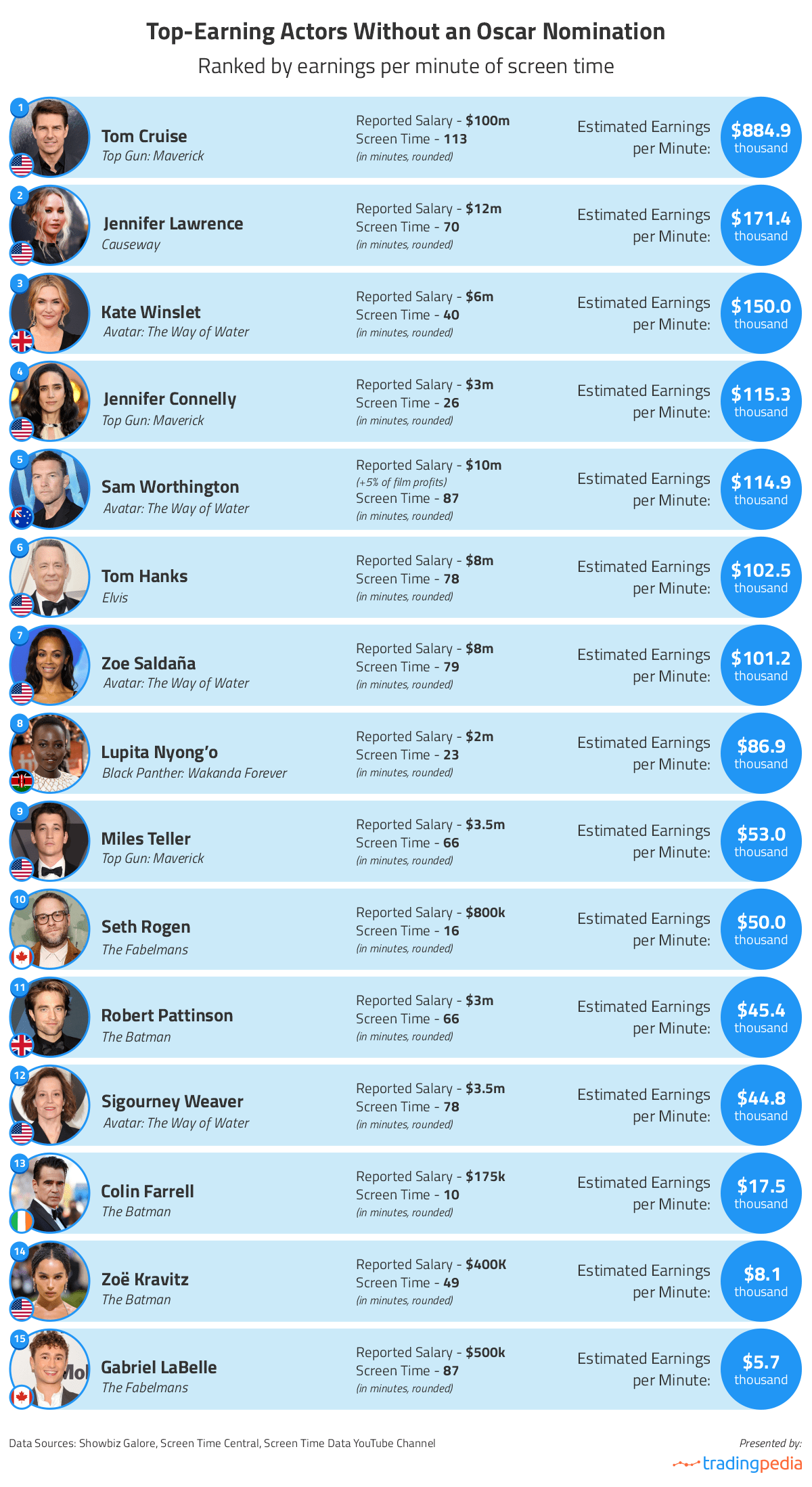
Actor income is highly stratified, ranging from the SAG-AFTRA daily minimum of approximately $1,158 for "Scale" performers to multi-million dollar contracts for A-list talent. Most professional actors earn a living through a combination of session fees, residuals from past work, and commercial usage fees, often supplemented by secondary employment during production hiatuses.
The financial landscape for actors in 2026 is defined by the lasting impacts of the 2023 labor strikes and the subsequent evolution of streaming residual models. While the public often focuses on the astronomical earnings of top-tier celebrities, the reality for the "working actor" involves navigating a complex system of union minimums, agency commissions, and fluctuating employment cycles. Understanding actor income requires looking past the glamour to the mechanical realities of how performers are actually paid.
The Foundations of Actor Compensation: Union vs. Non-Union
The primary determinant of an actor's earning potential is their membership in a professional guild, most notably SAG-AFTRA (Screen Actors Guild-American Federation of Television and Radio Artists) in the United States, or Equity in the UK. Union membership establishes "Scale"—a legally binding minimum wage that production companies must pay for specific types of work.
SAG-AFTRA Scale Rates
By 2026, the compounding wage increases won in recent contracts have solidified a base living wage for performers on sets. For most theatrical (film and television) productions, the "Day Player" rate serves as the baseline. If an actor is hired for a single day, they are guaranteed this amount, regardless of how many lines they have. Weekly rates offer a slightly discounted daily average but provide more stability for roles that require a presence throughout a production cycle.
Non-union income, conversely, is unregulated. In the non-union world, an actor may be paid a flat fee for a project that includes all future usage rights (a "buyout"), which often results in significantly lower lifetime earnings for the same amount of work. Professional actors generally strive for union eligibility to access health benefits, pension contributions, and the protection of minimum pay standards.
The Breakdown of Gross vs. Net Income
A critical aspect of actor income often overlooked by outsiders is the gap between gross pay and take-home pay. An actor's gross check is subject to several immediate deductions:
- Talent Agency Commissions: Standardly 10% of gross earnings.
- Management Fees: Typically 10% to 15%, though managers are not legally required to be licensed agents.
- Legal Fees: For high-earning actors, entertainment lawyers may take 5% to handle contract negotiations.
- Taxes: Actors are often treated as W-2 employees for specific productions, but many operate as "Loan-Out Companies" (S-Corps) to manage business expenses, which involves significant accounting costs.
Primary Income Streams for Professional Actors
Actor income is rarely a steady salary; it is a collection of various "revenue buckets" that fill at different times throughout the year.
Television and Streaming Series
For series regulars, income is calculated per episode. In 2026, the trend of shorter season orders (8 to 10 episodes) has forced many actors to seek multiple projects per year to maintain their annual income. Guest stars, who appear for a single episode or a multi-episode arc, are paid based on a "Major Role" minimum or a daily/weekly rate, depending on their "quote"—the previous high-water mark of their earnings that agents use as a negotiating baseline.
Feature Films
In cinema, income is categorized by the budget of the film. High-budget studio films pay significantly above scale for lead roles. However, many independent films operate under SAG-AFTRA "Low Budget" or "Ultra-Low Budget" agreements, which allow producers to pay lower daily rates in exchange for specific distribution limitations. This tiered system ensures that actors can still gain experience and credits on artistic projects that may not have the capital of a blockbuster.
Commercials and Industrial Film
Commercials remain one of the most lucrative income streams for the working actor. Unlike film or TV, where the session fee is the primary focus, commercial income is driven by "usage." If a national brand runs a commercial during a high-traffic period like the Super Bowl or a major sports season, the actor receives "holding fees" and "use fees" every few weeks the ad remains on air. This can result in a five-figure or even six-figure income from a single day of work.
The Role of Residuals in the Modern Era
Residuals are the royalty payments made to actors when a production is rebroadcast, sold into syndication, or released on home media and streaming platforms. For decades, residuals were the "safety net" that allowed actors to survive between gigs.
The Streaming Shift
The transition from linear television (where residuals were high for reruns) to SVOD (Subscription Video on Demand) platforms like Netflix, Disney+, and Max initially led to a decline in residual income. However, by 2026, new formulas based on subscriber counts and platform success metrics have been integrated into standard contracts.
Residuals are calculated based on:
- The medium of the original work.
- Where the work is being re-exhibited (e.g., a TV show moving to a foreign market or a streaming service).
- The actor's contract type (Day player vs. Series Regular).
While a single residual check for a background role might only be a few cents, lead and supporting actors on successful long-running shows can receive substantial annual sums that constitute the majority of their yearly income.
Average Actor Earnings: A Statistical Comparison
The following table outlines the estimated minimum rates for SAG-AFTRA performers in 2026 across various project types. These figures represent "Scale" and do not include negotiated over-scale amounts.
| Contract Type | Estimated Daily Rate (2026) | Estimated Weekly Rate (2026) | Notes |
|---|---|---|---|
| Theatrical (Film/TV) | $1,158 | $4,020 | Standard for major studio productions. |
| National Commercial | $783 | N/A | Excludes usage/holding fees. |
| MOW (Movie of the Week) | $1,050 | $3,650 | Often applies to TV movies and mini-series. |
| Under-Five (Lines) | $505 | N/A | Specific to television for small speaking roles. |
| Background (Union) | $215 | N/A | Based on an 8-hour day; includes overtime/bumps. |
Note: These figures are based on the 2023-2026 SAG-AFTRA schedule of minimums. Actual rates may vary based on specific contract riders and production budget tiers.
Diversifying Income: Voiceover, MoCap, and Side Hustles
Because acting is inherently cyclical, most professionals diversify their skill sets to ensure a steady cash flow. By 2026, technology has expanded the ways an actor can monetize their talent.
Voiceover and Gaming
The video game industry has become a primary employer for actors. Performance Capture (MoCap) and voice acting for AAA gaming titles often pay rates comparable to television. Unlike traditional film, voiceover work can often be done remotely, allowing actors to maintain an income while traveling for other productions.
The "Side Hustle" and Creative Entrepreneurship
The Bureau of Labor Statistics (BLS) consistently notes that many actors hold secondary jobs. However, the nature of these jobs has shifted. Many actors now utilize their performance skills in corporate training, "Standardized Patient" work for medical schools, or by creating their own digital content. The "influencer-actor" hybrid has become a recognized career path, where an actor’s social media following can lead to brand partnerships that dwarf their acting session fees.
Operational Costs and Financial Planning
Managing actor income requires sophisticated financial literacy. Unlike a standard office job, an actor’s income is "lumpy"—they might earn $50,000 in two months and then $0 for the rest of the year.
The Importance of the "Emergency Fund"
Financial advisors specializing in the entertainment industry typically recommend that actors maintain a 12-month emergency fund rather than the standard 3-to-6 months. This is to account for "pilot season" expenses and the unpredictability of casting cycles.
Commissions and Professional Expenses
Actors must also budget for ongoing professional development. This includes:
- Headshots: $500 to $1,200 every 1-2 years.
- Reel Editing: $200 to $500 per update.
- Acting Classes/Coaching: $200 to $500 per month.
- Self-Tape Equipment: An initial investment of $300 to $1,000 for lighting, microphones, and backdrops.
These expenses are generally tax-deductible, but they require diligent record-keeping to manage effectively.
Frequently Asked Questions
Do actors get paid if a movie flops?
Yes. For the vast majority of actors, income is guaranteed by the session contract. Unless an actor has "points" (a percentage of the backend profits), their pay is not tied to the film's box office performance. They receive their daily or weekly rate regardless of the production's commercial success.
How much do "Background" actors make?
In 2026, a union background actor earns a minimum of approximately $215 per day. This amount can increase significantly through "bumps"—additional pay for providing their own wardrobe, working in smoke/rain, or performing stunts. Overtime is also a major factor, as film days frequently exceed 12 hours.
How do actors receive their residual checks?
Residuals are processed by the union (SAG-AFTRA) or specialized payroll companies. The production company pays the union, which then verifies the amount and mails a check to the actor or their agent. In 2026, most actors use direct deposit through the SAG-AFTRA member portal to track these micro-payments.
Is acting income subject to self-employment tax?
It depends on how the actor is hired. Most studio productions hire actors as employees (W-2), meaning the company pays half of the FICA taxes. However, for commercial buyouts or non-union work, actors are often treated as independent contractors (1099), making them responsible for the full self-employment tax.
Can an actor live on SAG-AFTRA minimums alone?
While the daily rate is high, the challenge is frequency. An actor earning scale would need to work approximately 25 to 30 days a year on major productions to reach the median US household income. Because most actors book only a few days of work annually, supplementary income is usually necessary.
Next Steps for Managing Acting Finances
For those pursuing acting as a career, the first priority should be achieving union eligibility to stabilize their earning potential through set minimums. Once eligible, actors should focus on building a robust "portfolio of work" that spans different mediums—commercials for immediate cash flow, and theatrical roles for long-term residual potential.
Experienced performers should consult with an entertainment-specialist CPA to determine if forming a "Loan-Out Company" is financially viable. Generally, once an actor’s gross annual income consistently exceeds $75,000 to $100,000, the tax savings of an S-Corp structure can outweigh the administrative costs. Maintaining a clear separation between personal and professional expenses remains the most effective way to protect actor income and ensure long-term career sustainability in the 2026 market.