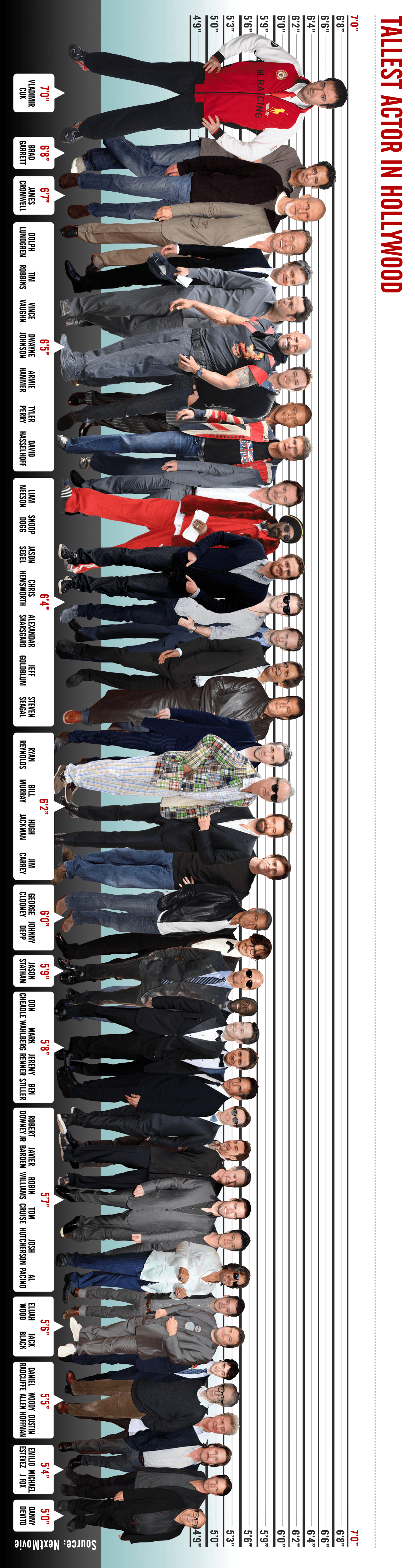
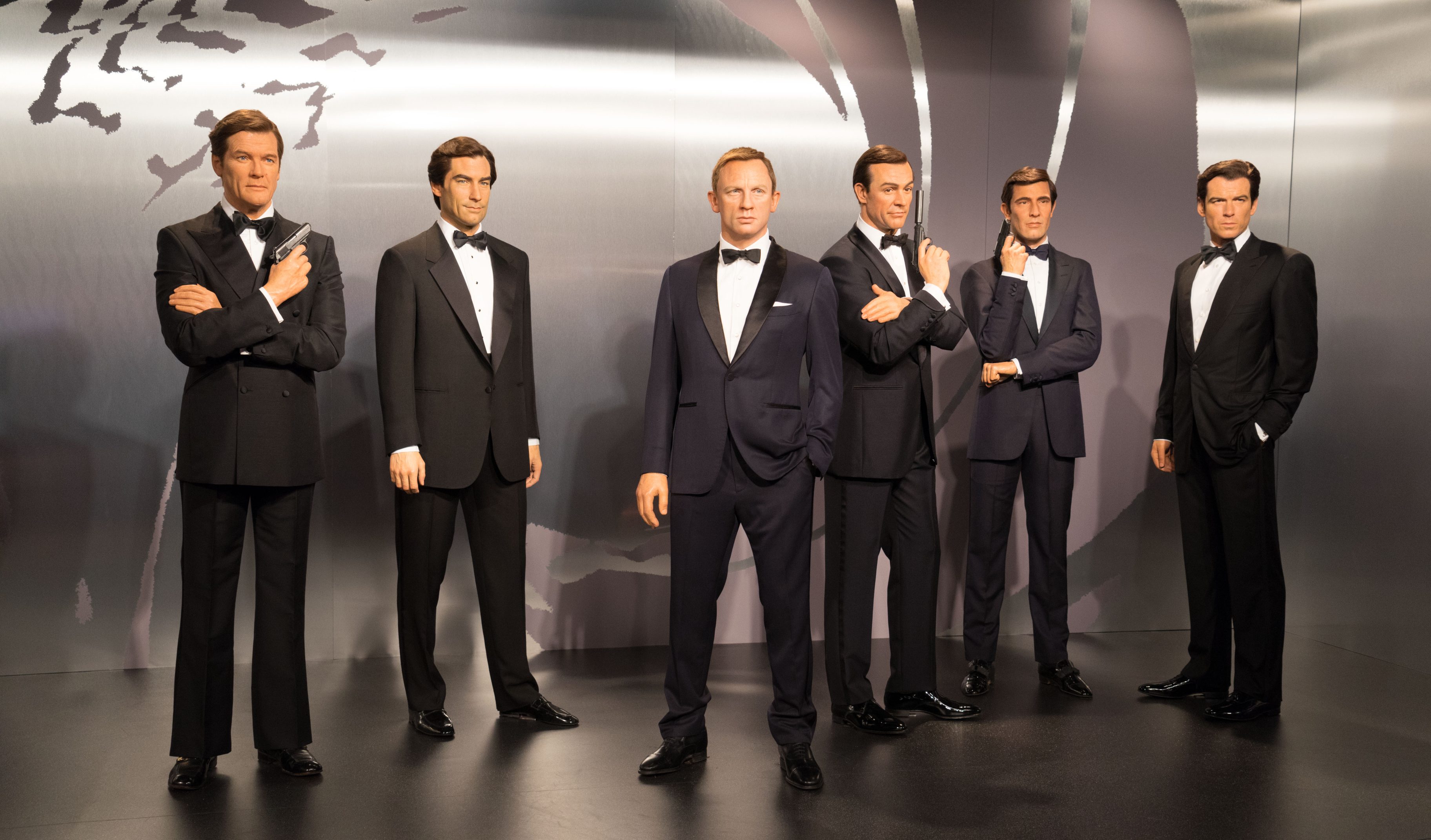
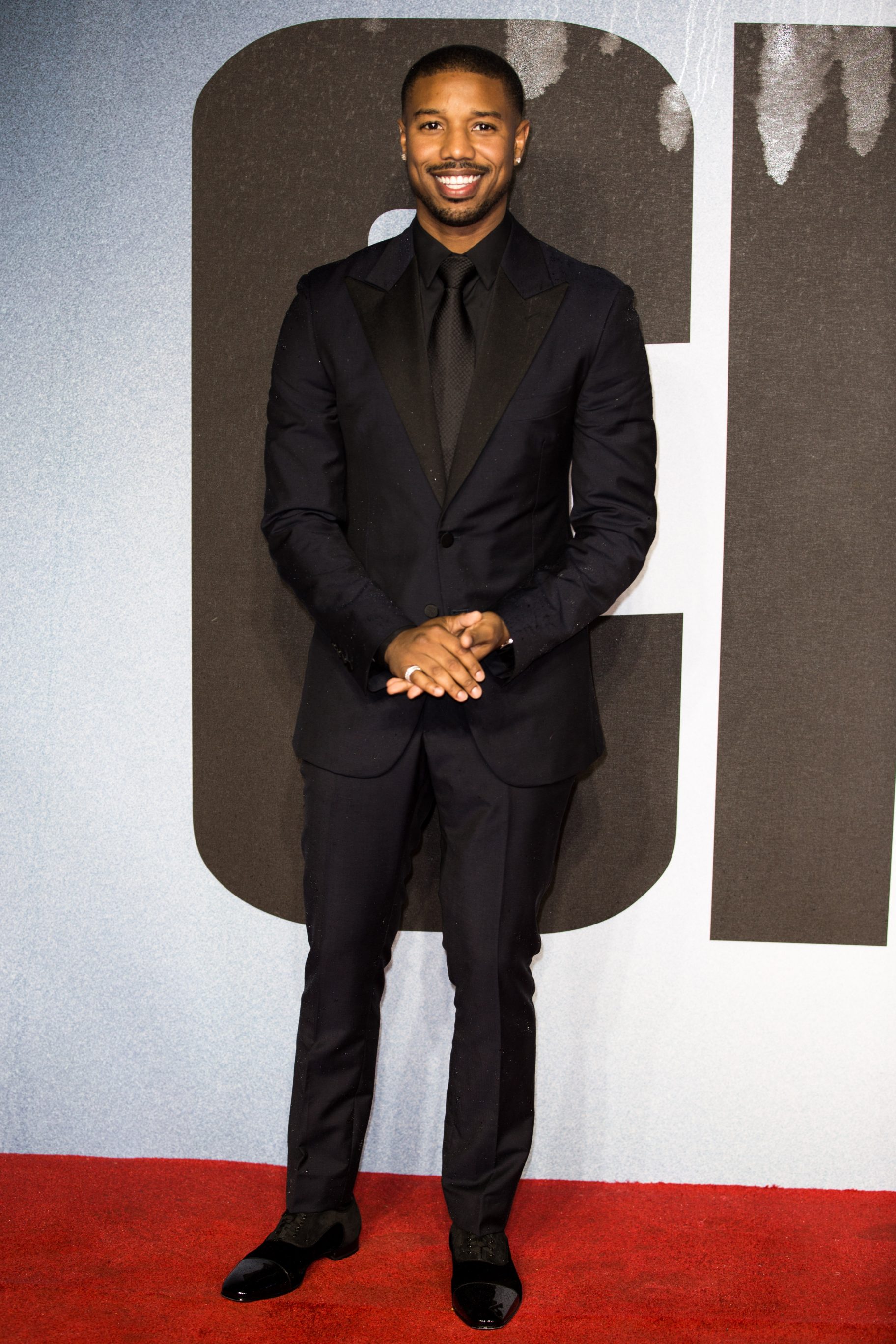
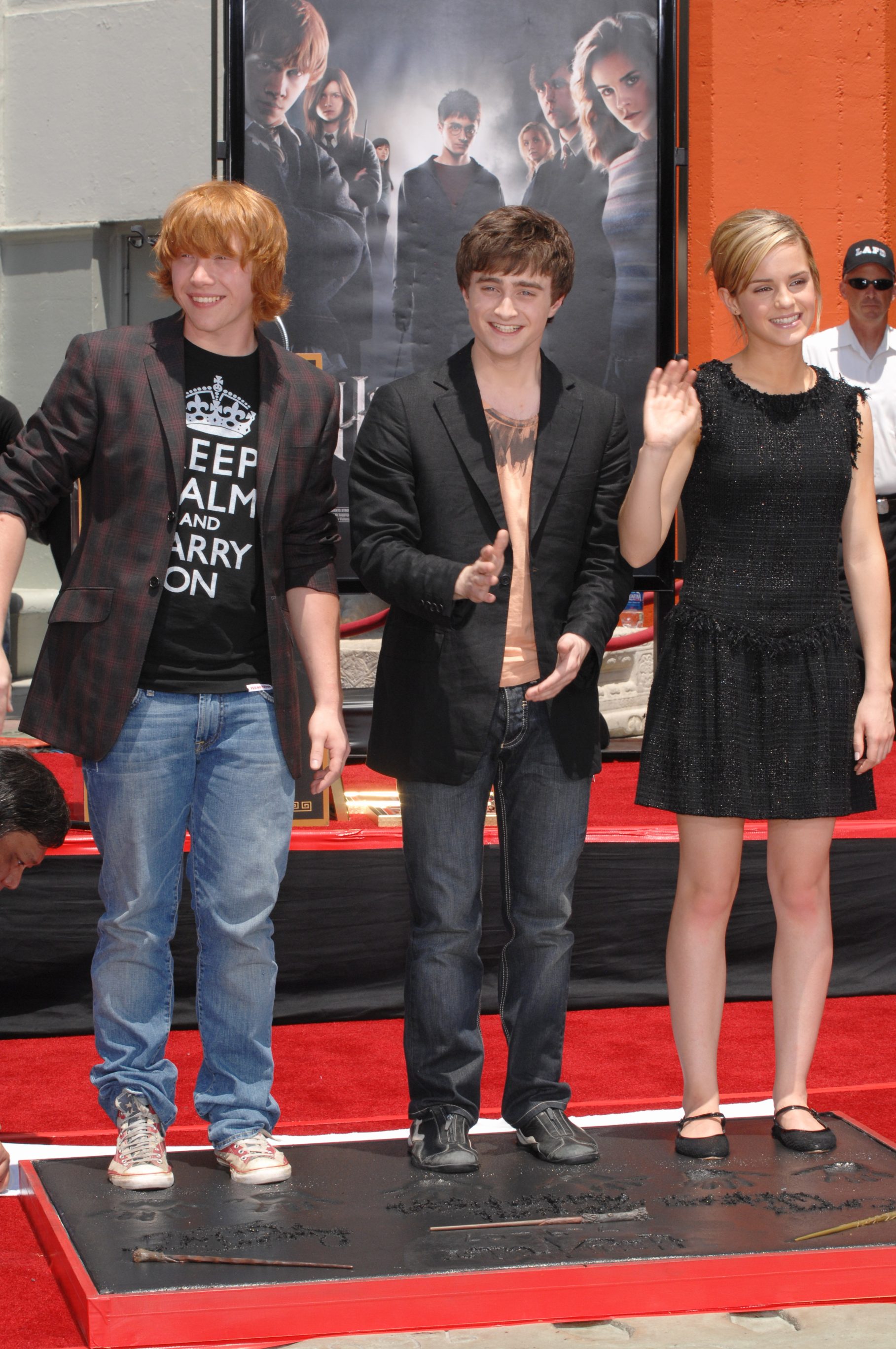
Actor heights are often a subject of intense public curiosity and industry strategy. While official biographies list specific measurements, the use of camera angles, specialized footwear, and perspective tricks in 2026 continues to shape how audiences perceive a star's physical presence relative to their peers and surroundings on screen.
The Discrepancy Between Screen Presence and Reality
The fascination with actor heights stems from the frequent disconnect between how a performer appears on a cinema screen and how they appear in a candid "street" photograph. In the controlled environment of a film set, height is a fluid concept. A performer who stands at 5'7" (170 cm) can easily be made to look like a towering 6'2" (188 cm) protagonist through a combination of technical ingenuity and artistic framing. This discrepancy often leads to public debates when fans encounter stars in person, leading to the common refrain: "I thought they would be taller."
Historically, and continuing into 2026, the entertainment industry has favored specific physical archetypes for leading roles. For decades, the "tall, dark, and handsome" trope dictated that male leads should ideally stand above 6'0". However, many of the most successful actors in history—including Tom Cruise, Robert Downey Jr., and Al Pacino—fall below the average height for men in the United States. To maintain the illusion of a commanding physical presence, production teams employ several "height-equalizing" techniques that allow shorter actors to stand eye-to-eye with taller co-stars.
The psychological impact of height on an audience is a significant factor in casting. Height is often subconsciously associated with authority, strength, and leadership. Therefore, when a character is written as an intimidating figure or a heroic savior, the production department works overtime to ensure the actor's physical stature matches the character's narrative weight. This "perceived height" is often more important to the success of a film than the actor's actual physical measurements.
Technical Methods for Manipulating Height on Set
Filmmaking is an art of deception, and height manipulation is one of its most common tools. In 2026, while digital augmentation (CGI) is increasingly used for minor adjustments, the most effective methods remain practical and physical. These techniques are used not just to make actors taller, but to ensure that frames are balanced and that "eyelines"—the direction in which actors look to simulate eye contact—are consistent.
The Use of Apple Boxes and "Man-Makers"
The most fundamental tool on any film set is the apple box. These wooden crates come in standardized sizes: pancake (1 inch), eighth, quarter, half, and full. When a shorter lead actor is in a two-shot with a taller co-star, they will often stand on an apple box (sometimes jokingly referred to as a "man-maker" or "hero box") to bring them to a level height. This allows the cinematographer to frame the shot without one actor's head being significantly lower than the other's, which can disrupt the visual composition of the scene.
Footwear and Elevator Shoes
Elevator shoes, or "lifts," are specialized footwear designed with thickened insoles or hidden platforms. In 2026, these are sophisticated pieces of costume design, often custom-made to look like standard dress shoes, sneakers, or boots. By adding two to four inches of height, these shoes allow actors to maintain their stature during walking shots ("walk-and-talks") where a static apple box would be impossible to use. Famous instances of lift usage have been documented across various franchises, particularly in action cinema where the protagonist must appear physically imposing.
Camera Angles and Lens Choice
The choice of camera lens and the angle of the shot can drastically alter the perception of size. A low-angle shot, where the camera is positioned below the actor's eye level and tilted upward, makes the subject appear larger, taller, and more heroic. Conversely, high-angle shots can make a performer appear smaller or more vulnerable. Furthermore, wide-angle lenses can distort perspective; if an actor stands closer to the lens than their co-stars, they will appear significantly larger. This technique, known as forced perspective, was famously used in the Lord of the Rings trilogy to create the height difference between humans and hobbits, and it remains a staple of the industry today.
Why Height Matters in Casting and Chemistry Reads
Height is a critical logistical factor in the casting process. During "chemistry reads," where potential leads are paired together to test their on-screen spark, casting directors pay close attention to physical proportions. If a female lead is significantly taller than a male lead, it may influence the director's decision, not because of a lack of talent, but because of the technical challenges it presents for framing and lighting.
However, the industry has become more flexible in 2026. The rise of "Short King" appreciation in pop culture has led to a broader acceptance of diverse male statures. Nevertheless, extreme height differences between co-stars can still pose issues. For example, if a 6'5" actor is cast opposite a 5'1" actress, the camera operator must often choose between cutting one actor out of the frame or using a very wide shot that loses the intimacy of the performance. To solve this, "trenching" is sometimes used, where a literal trench is dug for the taller actor to walk in, or the shorter actor is placed on a raised platform called a "greenway."
| Actor Category | Typical Height Range (ft/in) | Role Archetypes | Notable Examples |
|---|---|---|---|
| The Powerhouse | 6'2" - 6'6" | Action Heroes, Villains, Superheroes | Jason Momoa, Chris Hemsworth |
| The Leading Man | 5'10" - 6'1" | Romantic Leads, Everyman, Detectives | Brad Pitt, George Clooney |
| The Versatile Lead | 5'7" - 5'9" | Character Actors, High-Energy Leads | Tom Cruise, Robert Downey Jr. |
| The Compact Pro | 5'3" - 5'6" | Comedic Actors, Intense Dramatists | Joe Pesci, Danny DeVito |
The Role of Agencies and PR in Reporting Heights
The heights listed on public databases like IMDb or in talent agency portfolios are not always 100% accurate. There is a long-standing tradition of "rounding up" in Hollywood. A male actor who is 5'10.5" will almost universally be listed as 6'0". This is largely due to the "6-foot threshold" that many casting calls traditionally used as a filter. Being under six feet was once seen as a disadvantage for action roles, leading agents to embellish their clients' stats.
Conversely, some very tall actors may occasionally "down-claim" their height. An actor who is 6'7" might list themselves as 6'4" or 6'5" to avoid being pigeonholed as a "giant" or a "monster," which could limit them to niche character roles rather than leading man parts. In 2026, with the help of high-definition 4K and 8K broadcasting, these discrepancies are harder to hide, as eagle-eyed fans use reference objects in shots to calculate a star's true height with surprising precision. Sites like CelebHeights have dedicated communities that analyze photos of actors standing next to known markers (like doorframes or other celebrities) to provide more accurate estimates.
Height and the Evolution of Character Archetypes
The relationship between height and character perception is deeply rooted in cinematic history. Traditionally, height was a shorthand for morality and power.
- The Hero: Often tall to signify strength and reliability.
- The Villain: Either exceptionally tall to be physically intimidating, or shorter and "scrappier" to signify a chip on their shoulder or a complex.
- The Sidekick: Often shorter than the lead to ensure the protagonist remains the visual focus of the audience.
In contemporary 2026 cinema, these tropes are frequently subverted. Modern directors often use height as a tool for irony or to humanize a character. A shorter actor in a position of extreme power can create a compelling dynamic of "intellect over brawn," while a very tall actor playing a gentle, timid character uses their physical presence to emphasize their internal vulnerability. This subversion requires actors to be even more aware of their physicality, using their height—or lack thereof—to inform their movement and screen presence.
FAQs About Actor Heights
How do they make short actors look tall in movies?
Filmmakers use a variety of techniques including "apple boxes" (wooden crates for actors to stand on), elevator shoes/lifts, and low-angle camera shots. Forced perspective, where the actor is positioned closer to the lens than others, is also a common method used to create an illusion of greater height.
Why do actors often look taller on screen than in person?
This is primarily due to "hero framing" and lens compression. Directors typically frame lead actors from the waist up, removing the floor as a reference point. When combined with footwear lifts and the absence of a known scale, the audience's brain tends to fill in the gaps by assuming the actor is of "ideal" height.
Is there an "ideal" height for an actor in 2026?
There is no longer a single ideal height, as diversity in casting has become a priority. However, for male leads, 5'11" to 6'1" remains a "sweet spot" because it is tall enough to look imposing but not so tall that it creates framing difficulties with co-stars or requires custom-built sets.
Do female actors face the same height pressures?
Yes, but in different ways. While tall male actors are often celebrated, very tall female actors (over 6'0") have historically faced challenges in being cast opposite shorter male leads. However, in 2026, these barriers are diminishing as more productions embrace natural height differences rather than trying to hide them.
What is the most reliable source for actor heights?
While IMDb provides official stats, they are often based on agency PR. For more vetted, community-analyzed data, many industry insiders and fans look to specialized height-tracking databases that compare actors against one another in un-staged environments.
How to Verify and Evaluate Actor Stature
If you are interested in the technical reality of celebrity measurements, the best approach is to look for "standardized comparisons." Relying on a single red-carpet photo can be misleading due to camera focal lengths and varying shoe heel heights. Instead, seek out photos of actors standing barefoot or in standard athletic shoes next to other celebrities whose heights are well-documented.
For those pursuing a career in acting, the most important takeaway is that physical presence is more important than a specific number. Focus on posture, movement, and how you occupy space within a room. In 2026, casting directors are far more interested in an actor’s ability to command a scene than whether they meet a specific measurement on a tape measure. If you are documenting actor heights for a project, always cross-reference official claims with photographic evidence from multiple sources to reach a realistic estimate.