Actor hair serves as a critical tool for character transformation and professional branding. It requires a balance between maintaining a healthy, versatile canvas and adhering to the specific visual requirements of a role. Managing this asset involves rigorous health routines, strategic styling for headshots, and strict compliance with production continuity protocols to ensure career longevity.
The Strategic Importance of Hair in the Acting Profession
In the entertainment industry of 2026, an actor's hair is far more than a personal style choice; it is a vital component of their "package" or brand. Casting directors often look for specific "types," and hair is a primary indicator of a character’s age, socioeconomic status, and personality. For instance, a sleek, well-maintained bob might signal a high-powered executive, while unkempt, sun-bleached waves suggest a more rugged or outdoorsy character.
The most important rule regarding actor hair is consistency with marketing materials. Your headshots are your calling card. If your headshots feature long, dark hair, but you show up to an audition with a blonde pixie cut, you have effectively misrepresented the product the casting director intended to "buy." This discrepancy can lead to lost roles and a reputation for being unprofessional. Therefore, any major change to your hair requires an immediate update to your professional portfolio, including headshots and reel footage.
Furthermore, versatility is the hallmark of a successful working actor. Unless you have carved out a niche for a very specific look, maintaining "neutral" hair—hair that is healthy, of a natural-looking color, and of a manageable length—allows the hair and makeup (HMU) department to mold you into various characters. This adaptability makes you more castable across different genres and time periods.
Professional Maintenance and Hair Health for Performers
The physical demands placed on actor hair are immense. On any given production day, an actor’s hair may be subjected to multiple heat-styling sessions, heavy products, backcombing, and even temporary color sprays. In 2026, with the prevalence of ultra-high-definition 8K cameras, every split end and patch of dryness is magnified. Maintaining peak hair health is no longer optional; it is a job requirement.
Protecting the Cuticle from On-Set Stress
To combat the rigors of production, actors must implement a high-performance hair care regimen. This includes using professional-grade bond-building treatments, such as those from Olaplex or similar technology, which repair the disulfide bonds broken during chemical processing and heat styling.
- Heat Protection: Never allow a stylist to touch your hair with a hot tool without first applying a high-quality heat protectant. As an actor, you should carry your own "emergency kit" that includes your preferred protectants if the set's supplies don't suit your hair type.
- Deep Conditioning: Weekly deep-conditioning masks are essential to restore moisture lost under hot studio lights.
- Scalp Care: Healthy hair starts at the root. Regular scalp exfoliation and the use of serums that promote circulation can prevent thinning, which is often exacerbated by the stress and traction of tight hairstyles or wig applications.
The Role of Nutrition and Supplements
Internal health directly impacts hair quality. Actors often follow diets rich in biotin, zinc, and Omega-3 fatty acids to ensure their hair remains thick and shiny. While supplements can help, a balanced diet remains the gold standard. Professional actors often consult with nutritionists to ensure their physical appearance, including their hair, remains at a competitive level for the high-pressure environment of pilot seasons and long-term filming contracts.
Navigating the Relationship with the Hair and Makeup (HMU) Department
Once you are cast, your hair is no longer entirely your own; it belongs to the character and, by extension, the production. The relationship between an actor and the HMU department is built on trust and professional boundaries.
Continuity Protocols
Continuity is the practice of ensuring that a character’s appearance remains consistent throughout a scene, even if that scene is filmed over several days or weeks. If your hair is tucked behind your left ear in the master shot, it must be tucked behind your left ear in every close-up.
Actors must be vigilant about their hair continuity. While a script supervisor and hair stylist are tasked with monitoring this, a "pro" actor knows their "look" and helps maintain it. Never cut, color, or significantly alter your hair during a production without explicit, written permission from the producers and the head of the hair department. Doing so can cause massive logistical headaches and potentially expensive reshoots.
The "Chair" Etiquette
When you arrive in the hair chair, come with "actor hair"—which usually means clean, dry, and product-free, unless instructed otherwise. This provides a clean canvas for the stylist. Be prepared to sit for long periods, especially for period pieces or fantasy roles that require intricate braids, extensions, or wig prep.
| Hair Requirement | Standard Actor Protocol | Production Impact |
|---|---|---|
| Daily Prep | Arrive with clean, dry hair. | Speeds up the "in-chair" time. |
| Chemical Changes | Never dye hair mid-shoot. | Prevents continuity errors and reshoots. |
| Wig Prep | Keep hair at a length that can be pinned flat. | Ensures a natural look for wigs/prosthetics. |
| Facial Hair | Do not shave between audition and filming. | Maintains the "look" the director cast. |
| Maintenance | Use professional-grade conditioners. | Ensures hair survives 12-14 hour shoot days. |
Versatility vs. Signature Looks
A common dilemma for actors is whether to maintain a "signature look" or a "versatile look."
The Versatile Look
Most developmental actors are encouraged to keep a versatile look. This typically means:
- Color: Natural shades (brown, blonde, red, black) without extreme highlights or "fantasy" colors.
- Length: Medium to long length for women (allows for updos, wigs, or short-looking styles) and a classic taper or medium length for men.
- Texture: Embracing your natural texture but ensuring it is well-defined and frizz-free.
The Signature Look
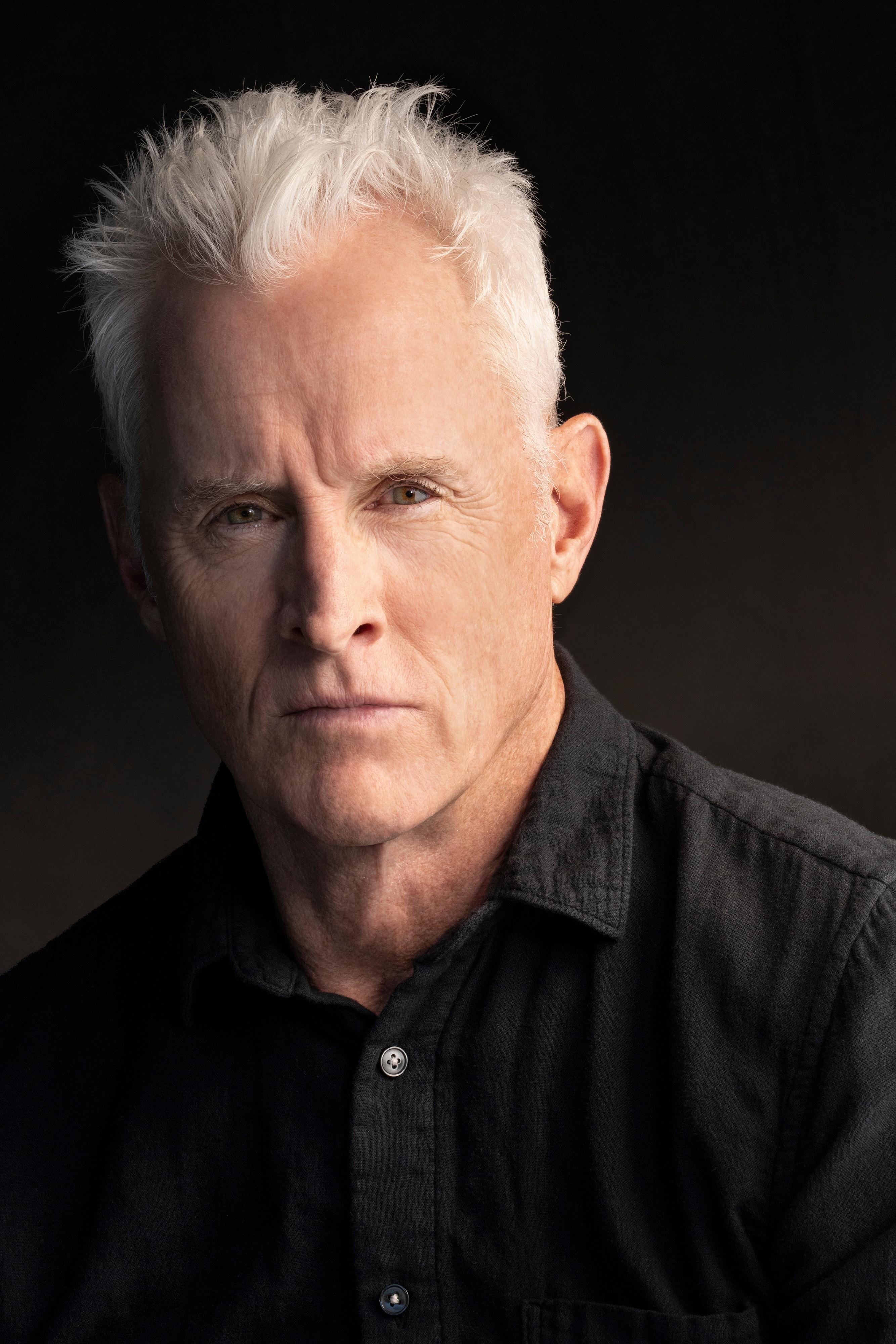
Some actors find success by leaning into a signature look—for example, a distinctive silver mane, a very specific set of curls, or a buzz cut. This can make you "unforgettable" to casting directors for specific roles. However, a signature look can also "typecast" you, limiting the range of roles you are considered for. In 2026, the trend has shifted toward "transformative versatility," where actors use high-quality wigs and temporary pieces to change their look while keeping their natural hair healthy and neutral.
Specialized Needs: Wigs, Extensions, and Facial Hair
The modern actor must be comfortable working with hair enhancements. For many television series and films, wigs are the preferred method of styling because they protect the actor's natural hair and ensure perfect continuity every day.
Working with Wigs
If a role requires a wig, you will likely undergo a "wig fitting." This involves a hair wrap where your natural hair is braided tightly to the scalp and covered with a wig cap. It is essential to communicate with the stylist if the wrap is too tight, as "traction alopecia" (hair loss caused by pulling) is a real risk for actors on long-running shows.
Extensions and Pieces
Clip-in extensions are frequently used to add volume for the camera, which can "thin out" hair under bright lights. Actors should learn the basics of how these pieces are applied so they can assist or handle minor adjustments during long days on location where a stylist might not always be immediately available.
Facial Hair for Male Actors
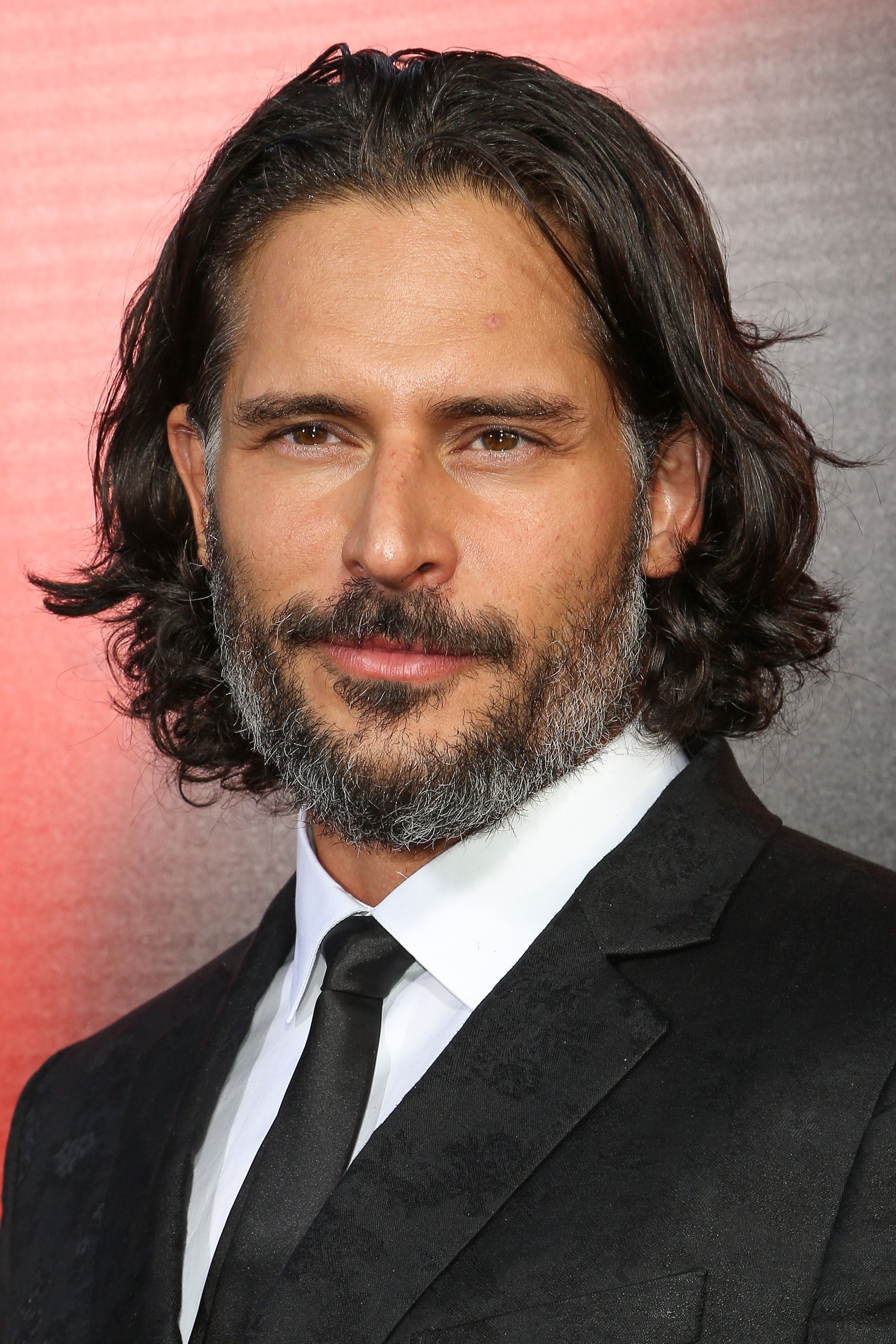
For male-identifying actors, facial hair is an extension of the "actor hair" umbrella. The rule of thumb is to show up to an audition with the facial hair you have in your headshot. If you are cast with a beard, you are expected to maintain that exact length and shape until the production wraps. Some productions may ask you to grow a beard or shave one off; usually, the production will provide a barber or stylist to handle this to ensure the look matches the director’s vision.
Costs and Professional Upkeep as a Business Expense
Maintaining professional actor hair is a significant financial investment. In 2026, the cost of high-end salon visits, premium products, and specialized treatments can add up to thousands of dollars annually.
However, for professional actors, these costs are often considered "ordinary and necessary" business expenses. According to various tax guidelines for performers, expenses related to maintaining a specific look for a role or for professional branding (like haircuts before headshots) may be tax-deductible. It is vital to keep meticulous records and receipts.
Note on Deductibility: Generally, routine grooming that you would do regardless of your profession is not deductible. However, if a production requires a specific change, or if you are preparing for a professional photo shoot, these specific instances often fall into a different category. Always consult with a tax professional who specializes in the entertainment industry, such as those listed by the Screen Actors Guild (SAG-AFTRA), to understand current regulations.
FAQ: Common Questions About Actor Hair
Can I cut my hair if I have an agent?
You should never make a drastic change to your hair without consulting your agent or manager first. They are "selling" you based on your current look. A major change might require a complete shift in your casting category, which involves new headshots, new reels, and a new marketing strategy.
What should I do if a stylist on set is damaging my hair?
If you feel your hair is being damaged—for example, through excessive heat without protection or rough handling—speak up politely but firmly. You can ask, "Could we use a heat protectant?" or "I've noticed my hair is quite fragile; is there a gentler way to achieve this look?" Your hair is your livelihood, and most professional stylists will respect your concern for its health.
How do I handle "bad hair days" for auditions?
In 2026, "self-tape" auditions are the industry standard. This gives you the advantage of controlled lighting and the ability to fix your hair before hitting record. For in-person auditions, prioritize a clean, neat version of your "type." If your hair is uncooperative, a neat ponytail or a simple, clean style is always better than an over-styled look that appears forced.
Should I dye my hair to get more roles?
Dyeing your hair "on a whim" is rarely a good idea. However, if your agent suggests that the "blonde market" or "redhead market" is currently underserved in your age bracket, it might be a strategic move. Always have color done by a professional to ensure the results look natural on camera; "box dye" often reacts poorly to studio lighting and can look flat or artificial.
How do actors have such thick hair on camera?
Camera trickery and professional styling are the secrets. Stylists use "thickening" dusts, hair fillers, and strategically placed extensions to make hair look fuller. Additionally, lighting technicians work to avoid shadows that make hair look thin. Very few actors have the "perfect" hair seen on screen without significant professional intervention.
Establishing Your Professional Hair Protocol
To succeed in the competitive landscape of 2026, you must treat your hair with the same discipline as your acting craft. Establishing a "Professional Hair Protocol" will ensure you are always ready for a last-minute audition or a grueling shoot schedule.
- Find a "Camera-Ready" Stylist: Work with a professional who understands how hair translates to film and television. They should focus on health and "organic" movement rather than stiff, over-sprayed styles.
- Audit Your Products: Eliminate products containing harsh sulfates and drying alcohols. Invest in high-quality leave-in conditioners and heat protectants.
- Document Your Looks: Keep a digital folder of how your hair looks when styled for different "types" (e.g., corporate, casual, period). This helps you recreate looks quickly for self-tapes.
- Prioritize Scalp Health: Use a scalp massager and weekly clarifying shampoos to remove product buildup from sets, ensuring your hair follicles remain healthy and productive.
By viewing your hair as a professional asset rather than just a personal feature, you position yourself as a disciplined, "set-ready" performer. This level of professionalism is often what separates those who work occasionally from those who sustain long-term careers in the industry.