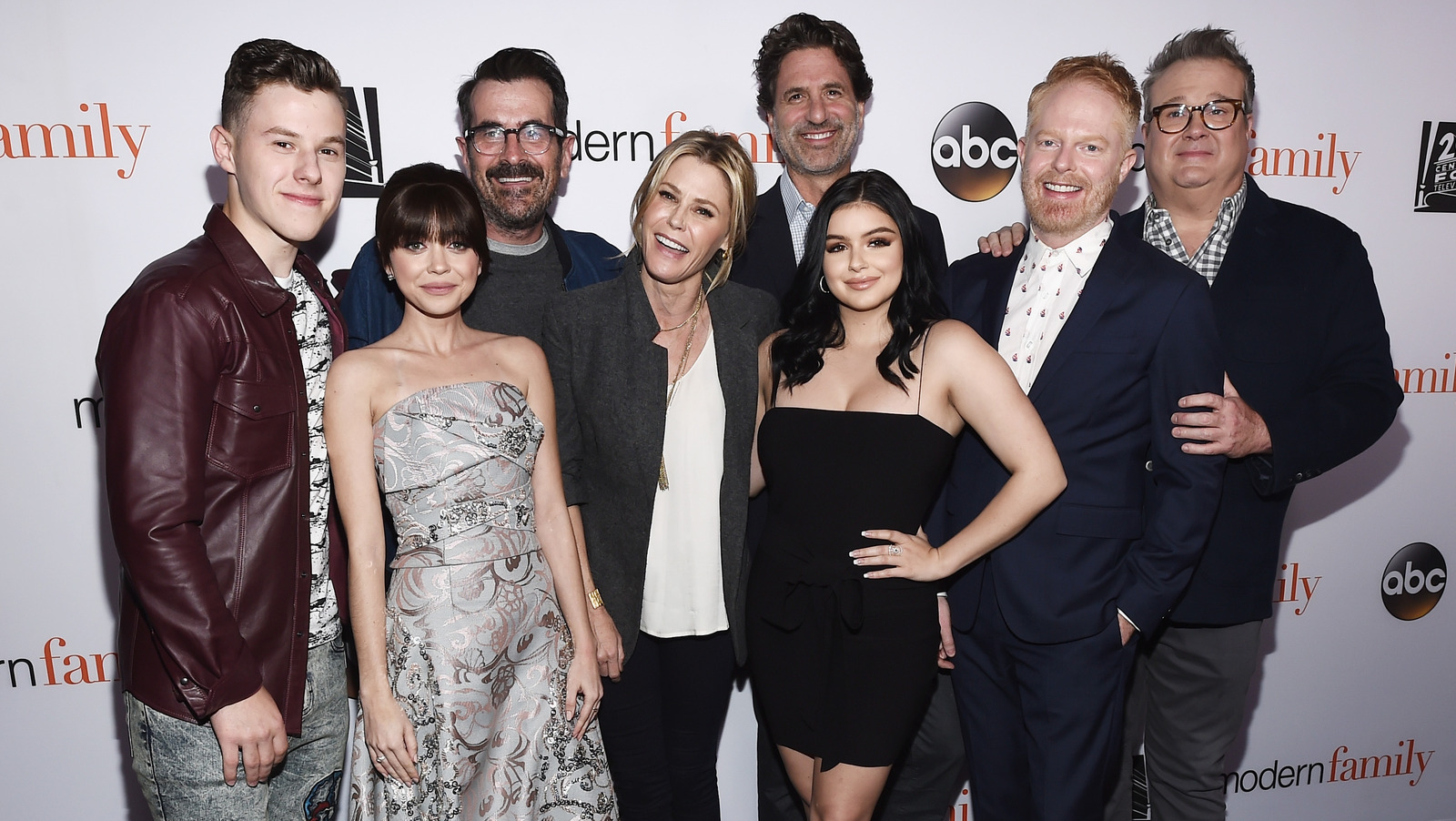
An actor family refers to a multi-generational lineage where performance skills and industry connections are passed down through biological or marital ties. These dynasties often possess significant structural advantages in the entertainment industry, ranging from early exposure to professional training to established networking channels that facilitate career entry and sustained professional longevity.
The Mechanics of the Modern Acting Dynasty
In the entertainment industry of 2026, the concept of the "actor family" has evolved from a mere curiosity into a central pillar of Hollywood’s structural makeup. These families operate similarly to traditional guilds or family-run enterprises found in law or medicine. The process often begins with "environmental immersion," where the children of established performers grow up on film sets, in dressing rooms, and within the private social circles of the industry elite. This proximity provides a specialized form of informal education that no drama school can replicate—a deep, intuitive understanding of the rhythm of a production and the nuances of set etiquette.
Beyond the intangible benefits of exposure, actor families frequently share logistical resources. This includes access to top-tier talent agencies, specialized legal counsel, and public relations firms that understand the family "brand." In many cases, the senior members of the family serve as de facto mentors, providing technical critiques and career guidance that allow younger members to bypass common "rookie" mistakes. This internal mentorship pipeline ensures that the family’s presence in the industry remains consistent, even as the medium shifts from traditional cinema to immersive digital formats and AI-integrated performances.
The continuity of these families is also supported by the industry's reliance on "known quantities." For casting directors and producers, a performer from a recognized actor family often represents a lower risk. There is an implicit assumption that the individual understands the professional demands of the job and carries a degree of pre-built marketability. This creates a feedback loop where legacy performers are consistently prioritized for high-stakes projects, further solidifying the family's status as a dominant force in the cultural landscape.
Structural Advantages and the Evolution of the "Nepo Baby" Discourse
The term "nepo baby" gained viral traction in the early 2020s, but by 2026, the conversation has matured into a more nuanced analysis of systemic privilege within the arts. While the initial backlash focused on individual performers, current industry analysis looks at the structural advantages that allow actor families to thrive. These advantages are not merely about "getting a foot in the door" but involve a sustained safety net that allows legacy actors to take creative risks that non-legacy actors cannot afford.
Financial security is perhaps the most significant, yet least discussed, advantage. The precarious nature of an acting career means that most performers spend years in "survival jobs." In contrast, members of prominent actor families often have the capital to wait for the "right" role, hire private coaches, or even self-fund independent projects to showcase their range. This economic cushion allows for a level of career curation that is practically impossible for someone without generational wealth.
Furthermore, the social capital of an actor family serves as a powerful gatekeeping mechanism. In an industry where "who you know" is often as important as "what you can do," being born into a network of Oscar-winning directors, influential producers, and A-list co-stars provides an insurmountable lead. While talent is still required to maintain a career, the initial barriers to entry—getting an audition, being seen by a top agent, or having a script read—are effectively removed for those with a famous surname.
Historical Evolution of Performance Lineages
The tradition of the actor family is as old as the medium itself, tracing back to the traveling theater troupes of the 19th century and the early days of the studio system. Examining these lineages reveals how different families have navigated the transition through various technological eras of entertainment.
- The Barrymores: Often cited as the "Royal Family of Broadway," the Barrymores established the template for the multi-generational acting dynasty. From Lionel, Ethel, and John in the early 20th century to Drew Barrymore in the late 20th and early 21st, they demonstrate how a family can adapt its brand from the stage to silent film, then to talkies, and finally to modern digital media.
- The Fondas: This lineage represents the intersection of acting and political activism. Henry, Jane, and Peter Fonda used their platform to influence social discourse, showing that an actor family can possess a collective ideological identity that transcends individual roles.
- The Coppolas: While primarily known for directing, the Coppola family (including Talia Shire, Nicolas Cage, and Jason Schwartzman) illustrates how an actor family can be part of a broader "filmmaking family" where various branches of the clan occupy different creative niches.
- The Skarsgårds: In the modern era, the Swedish Skarsgård family (Stellan and his sons Alexander, Bill, Gustaf, and Valter) has shown how an actor family can maintain a global presence, successfully bridging the gap between international art-house cinema and major Hollywood franchises.
Challenges and the Psychological Burden of the Legacy
Despite the undeniable advantages, members of an actor family often face unique psychological and professional hurdles. The most prominent of these is the "shadow effect," where a young performer’s work is perpetually compared to the achievements of their parents or grandparents. This can lead to a crisis of identity, where the actor struggles to establish a distinct creative voice that is not seen as a derivative of the family legacy.
Public scrutiny is also intensified for legacy actors. The audience often holds them to a higher standard, and their failures are frequently met with more derision than those of a newcomer. In the age of social media and instant feedback, the "nepotism" label can be used as a weapon to dismiss genuine talent and hard work. Many legacy performers report a constant need to "over-prove" their worth to earn the respect of their peers and the public.
There is also the risk of "dynastic fatigue," where the audience grows tired of seeing the same names and faces across multiple decades. To combat this, successful actor families often encourage their younger members to diversify—moving into producing, directing, or even unrelated business ventures—to ensure the family’s influence remains multifaceted and resilient to changes in public taste.
Comparative Analysis of Major Actor Families (2026 Data)
The following table outlines the current standing and influence of several prominent actor families as of 2026, highlighting their primary areas of impact and the number of active generations.
| Family Name | Active Generations | Primary Genre/Focus | Notable Impact Areas |
|---|---|---|---|
| The Barrymores | 4+ | Drama / Talk Show / Production | Establishing the "Royal Family" archetype; long-term brand resilience. |
| The Coppolas | 3 | Directing / Method Acting / Indie Film | Intersection of acting and auteur filmmaking; significant "nepo-influence" discourse. |
| The Skarsgårds | 2 | Genre Film / Prestige TV / International | Dominance in multi-lingual productions; high success rate across all siblings. |
| The Wayans | 2 | Comedy / Parody / Sitcoms | Pioneering family-produced content; creating a self-sustaining comedic ecosystem. |
| The Arquettes | 3 | Independent Film / Character Acting | Maintaining a "counter-culture" identity within the mainstream industry. |
| The Culkins | 2 | Character Study / Television / Theater | Transitioning from child stardom to respected adult character acting. |
Navigating the Industry as a Non-Legacy Talent
For actors who do not come from an established actor family, the landscape of 2026 presents both new obstacles and new opportunities. The "democratization" of content through social media and independent streaming platforms has created alternative pathways to visibility that do not rely on traditional gatekeepers. However, the core of the industry—the major studio films and prestige television series—remains heavily influenced by legacy networks.
Non-legacy actors are increasingly forming their own "found families" or creative collectives to mimic the support systems of established dynasties. By pooling resources, sharing contacts, and collaborating on self-produced work, these groups aim to create a grassroots version of the actor family structure. Additionally, modern casting initiatives (often categorized under Diversity, Equity, and Inclusion programs) are increasingly looking at "industry background" as a factor in equity, seeking to provide more opportunities to those without familial ties to the business.
Aspiring performers are advised to focus on "niche mastery." While an actor from a famous family might be cast for their general marketability, a non-legacy actor can often find success by becoming indispensable in a specific genre, technical skill (such as motion capture), or specialized performance style. Building a reputation for extreme reliability and technical proficiency remains the most effective way to compete with the inherent advantages of the actor family.
Frequently Asked Questions
Does being part of an actor family guarantee success?
No, it does not guarantee long-term success, though it significantly lowers the barriers to entry. While a famous name can secure an audition or a first role, the industry is ultimately a business driven by performance and "bankability." If a legacy actor fails to deliver audiences or critical acclaim over several projects, their familial connections will eventually be insufficient to sustain a high-level career.
How do actor families handle public criticism regarding nepotism?
In 2026, most actor families have moved away from defensive stances. The most successful approach has been "radical transparency"—acknowledging the privilege and focusing on the work. Many legacy actors now proactively discuss their advantages in interviews, which tends to neutralize the criticism more effectively than denying the obvious benefits of their upbringing.
Are there any legal restrictions on nepotism in Hollywood?
Unlike government positions, the private entertainment industry has very few legal restrictions regarding nepotism. Casting is considered a creative and subjective process, falling under protected business and artistic freedoms. However, SAG-AFTRA and other unions have guidelines to ensure that even legacy hires meet basic professional standards and safety requirements on set.
Can a "found family" be as effective as a biological actor family?
While a found family (a group of peers who support each other) can provide emotional support and shared resources, it rarely possesses the multi-generational wealth or the 40-year-old industry connections of a biological dynasty. However, found families are often more adaptable and can be more creative in their approach to the changing media landscape, as they are not tethered to a specific family "brand."
Strategic Recommendations for Future Performers
To thrive in an industry where the "actor family" remains a dominant structure, newcomers should focus on building a "professional lineage" of their own. This involves seeking out long-term mentors who can provide the same type of guidance that legacy actors receive at the dinner table. Treating the acting profession as a craft that requires a lifelong apprenticeship—rather than a lottery that requires a "big break"—is the most sustainable way to build a career that can eventually rival the staying power of the great dynasties.