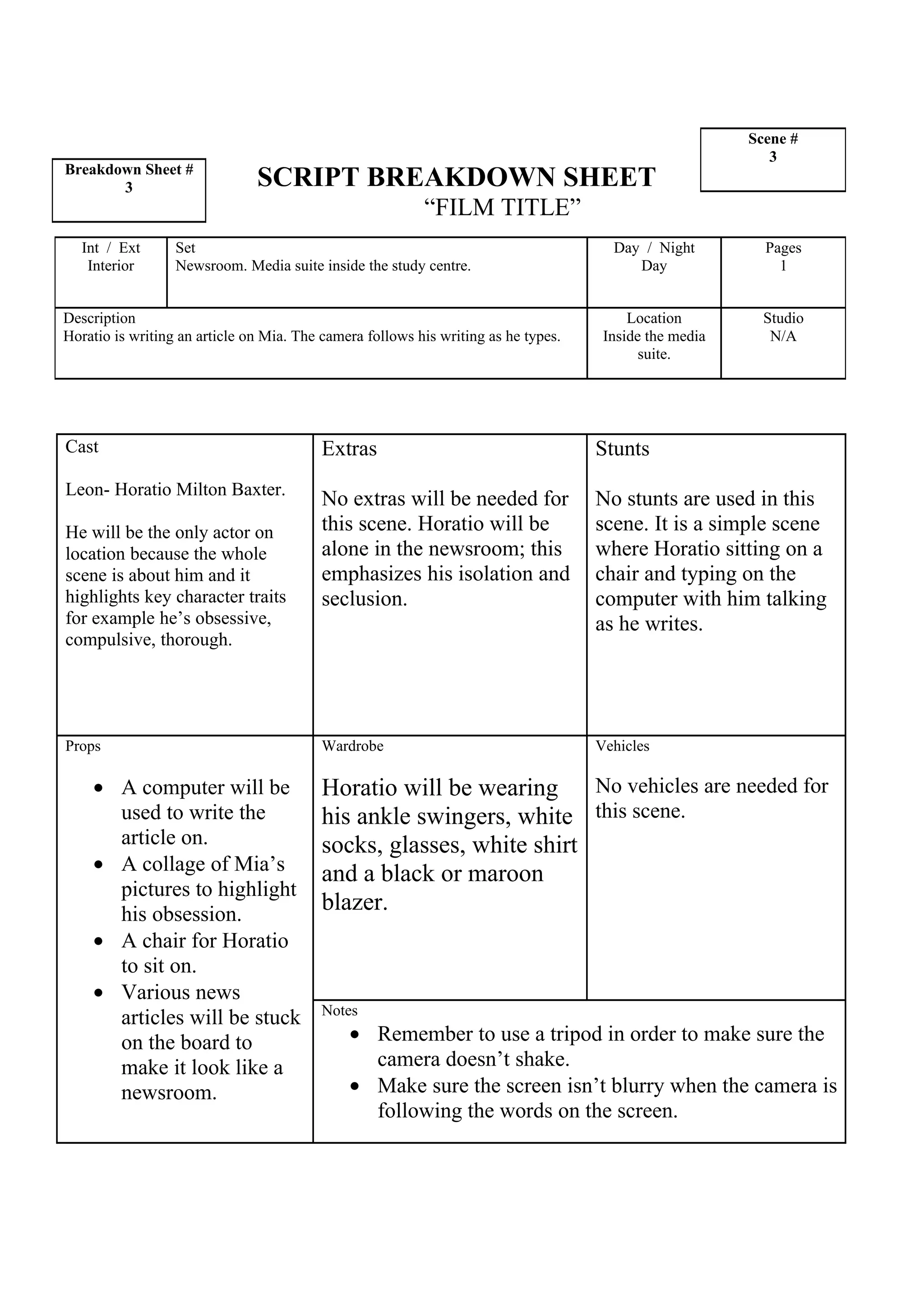
An actor breakdown is a detailed document or digital listing created by casting directors to describe the specific roles available in a film, television, or theatrical production. It serves as a blueprint for talent agents and actors, outlining character traits, physical requirements, project timelines, and compensation to ensure that only the most suitable candidates are submitted for consideration.
The casting process is the foundation of any successful production, and at the heart of that process lies the actor breakdown. Whether you are a burgeoning performer, a talent agent, or a screenwriter, understanding the nuances of a breakdown is essential for navigating the entertainment industry in 2026. This document is far more than a simple "wanted" ad; it is a technical specification that translates a script’s creative vision into actionable data for the casting market.
The Core Purpose of an Actor Breakdown
At its most fundamental level, the actor breakdown exists to streamline the search for talent. In an industry where a single guest-star role can attract thousands of submissions, the breakdown acts as a filter. By providing specific "specs" (specifications), casting directors (CDs) signal to the industry exactly what the production requires, thereby reducing the volume of irrelevant submissions.
For the production team, the breakdown is a collaborative tool. It is often distilled from the script by the casting director in consultation with the director and producers. It ensures everyone is on the same page regarding the "look" and "vibe" of the characters. For actors and agents, the breakdown is a gatekeeper. Accessing these listings—often through proprietary services—is the first step toward securing an audition. In 2026, these documents have become increasingly sophisticated, often including "lookbooks" or short video references to convey the visual language of the project.
Essential Components of a Professional Breakdown
A professional actor breakdown follows a standardized format to ensure clarity and quick scanning by agents who may be reviewing hundreds of listings a day. Each section provides critical information that determines whether an actor is legally and artistically eligible for the role.
Project Header Information
The top of the breakdown contains the logistics. This includes the project title, the production company, the director, the casting director, and the start/end dates of filming (the "shoot dates"). It also specifies the location, which is vital for determining whether a production will hire "local talent" or provide "travel and housing." In 2026, many breakdowns also include specific health and safety protocols or "eco-casting" requirements that have become standard in modern production.
Union Status and Compensation
One of the most critical sections is the union status—typically whether the project is SAG-AFTRA (Screen Actors Guild - American Federation of Television and Radio Artists) or non-union. This dictates the pay scale, working conditions, and residual structures. The breakdown will list the "rate," such as "Scale" (the minimum daily or weekly rate set by the union) or a specific "Flat Fee." Understanding these financial terms is necessary for agents to negotiate "plus-10" (the agent's commission) and for actors to know their potential earnings.
Character Descriptions (The Specs)
This is the creative heart of the breakdown. Each role is listed with a character name, a "playable" age range (e.g., 20s to early 30s), ethnicity, and gender identity. Following this is a paragraph describing the character’s personality, motivation, and "arc" within the story. Casting directors often use "prototypes" or references to well-known actors to help agents visualize the role—for example, "a young, wiry type with the comedic timing of a modern-day Charlie Chaplin."
How Casting Directors Write Effective Breakdowns
Writing a breakdown is an art form that requires balancing specific needs with the desire for a diverse talent pool. A CD must capture the essence of a character in just a few sentences. If a description is too vague, the CD will be buried in unsuitable submissions; if it is too specific, they might miss out on a brilliant, unconventional choice.
In 2026, there is a significant emphasis on inclusive casting. CDs are now trained to avoid "coded language" and instead focus on the internal essence of the character unless a specific physical trait is essential to the plot. When writing, they often include "sides"—short excerpts from the script—alongside the breakdown so that actors can see the dialogue and tone before they even step into the (virtual) audition room.
Furthermore, CDs must be precise about "special skills." If a role requires a character to play the cello or perform professional-grade stunts, this must be highlighted in the breakdown. Failure to include these details can lead to expensive delays on set when it is discovered the cast actor cannot perform the required tasks.
Comparing Breakdowns Across Different Media
Not all breakdowns are created equal. The requirements for a high-budget feature film differ vastly from a regional theater production or a national commercial campaign. Understanding these differences helps actors tailor their submission materials accordingly.
| Element | Film & Scripted TV | National Commercials | Musical Theater |
|---|---|---|---|
| Character Depth | High; focuses on emotional arc and backstory. | Low; focuses on "types," "vibes," and relatability. | High; focuses on archetype and vocal requirements. |
| Pay Structure | Union scale (Daily/Weekly) plus residuals. | Session fees plus "buyouts" for usage rights. | Weekly minimums (AEA) based on theater size. |
| Technical Specs | May require specific accents or physical transformations. | Heavily reliant on "the look" and improvisational skills. | Mandatory vocal range (e.g., Soprano to High C) and dance level. |
| Submission Focus | Demo reel and previous credits are paramount. | Headshots and "personality slates" are key. | "Book" of songs and physical stature for choreography. |
| Timeline | Often months of lead time for casting. | Very fast; often cast and shot within two weeks. | Scheduled months in advance for rehearsal blocks. |
The Role of Breakdown Services and Casting Platforms
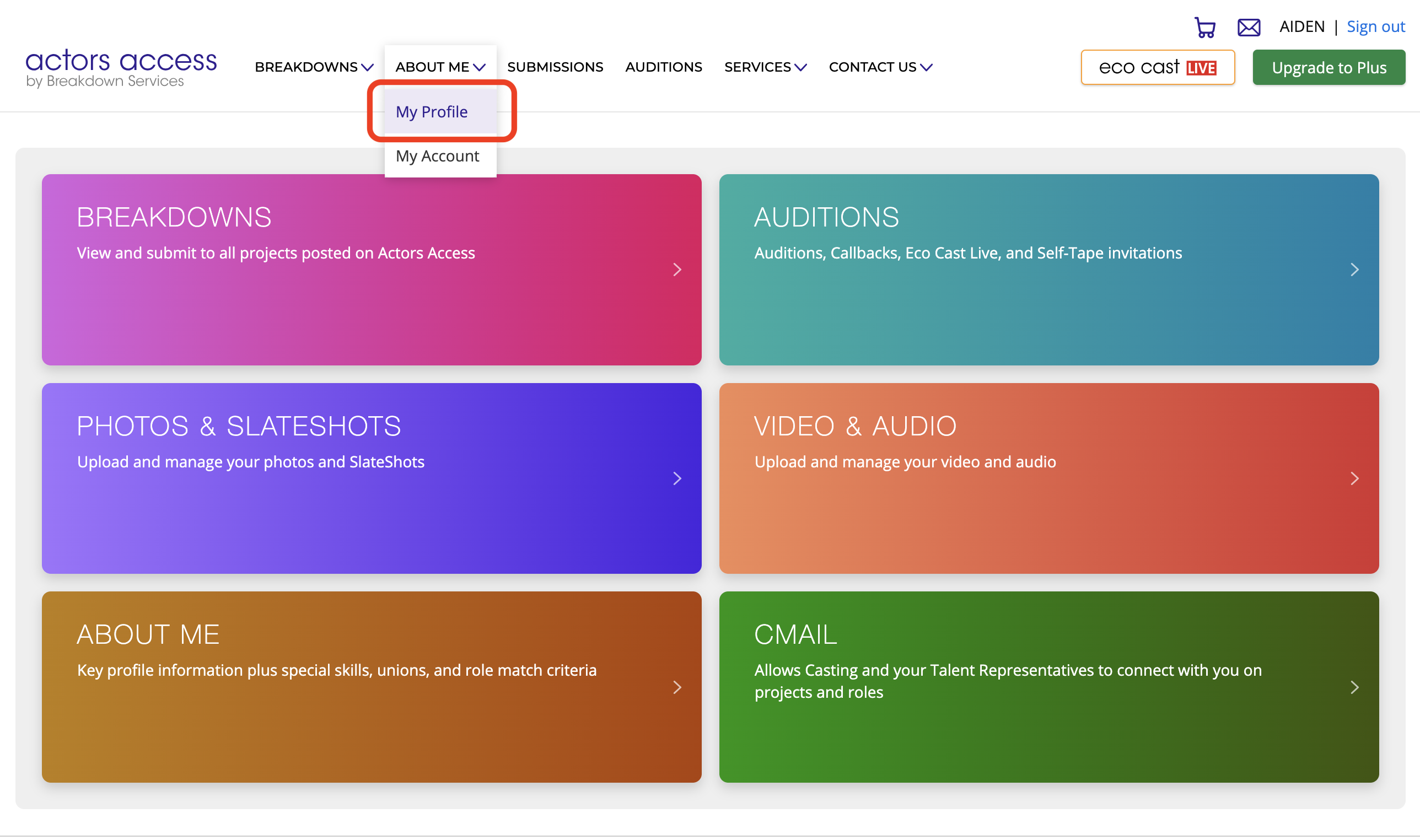
In the modern era, the physical "mailing" of headshots is a relic of the past. The industry is now powered by digital platforms, most notably Breakdown Services (and its actor-facing side, Actors Access) in North America, and similar platforms globally like Spotlight in the UK.
These services operate as a gated ecosystem. When a casting director releases a breakdown, it is initially sent to "Breakdown Express," which is accessible only to licensed talent agents and managers. This allows the professionals to get the first look and submit their clients. Later, a modified version of the breakdown may be released to "Actors Access," allowing unrepresented actors to submit themselves.
By 2026, these platforms have integrated advanced filtering AI. This software doesn't "choose" the actor, but it does help CDs sort through thousands of headshots by matching metadata—such as eye color, height, and union status—to the requirements listed in the breakdown. This makes it more important than ever for actors to have "clean" and accurate digital profiles that mirror the terminology used in professional breakdowns.
How Actors Should Read and Interpret a Breakdown
For an actor, reading a breakdown requires a mix of optimism and realism. The goal is to find the "hook"—the one thing about the character that aligns perfectly with the actor’s "brand" or "type."
- Analyze the "Logline" First: Before looking at the character, look at the project. Is it a gritty procedural or a multi-cam sitcom? This dictates the energy of your submission.
- Verify Legal Requirements: Check the shoot dates and location immediately. In 2026, "conflict checks" are also vital, especially for commercials. If you have an active contract for a soft drink brand, you cannot submit for a competitor’s breakdown.
- Read Between the Lines: If a character description says "tough exterior but hides a secret sorrow," the CD is looking for depth, not just a muscular physique. Look for "active" verbs in the description—words like manipulative, yearning, or frantic—to inform your choices.
- Don't "Self-Reject" Within Reason: If you are 32 and the breakdown asks for "late 20s," you should still submit if you look the part. However, if the breakdown specifies "must be a fluent Mandarin speaker," do not submit unless you truly are. Wasting a CD's time with dishonest submissions is the fastest way to get blacklisted.
Union vs. Non-Union Breakdowns: Key Differences
Navigating the distinction between union (SAG-AFTRA/AEA) and non-union breakdowns is a defining aspect of an actor's career path. Union breakdowns represent professional-grade productions with guaranteed protections. These listings are highly regulated; they must disclose the pay, ensure safe working conditions, and provide "pension and health" (P&H) contributions.
Non-union breakdowns, often found on public casting sites or for student films and indie projects, offer more flexibility but fewer protections. While they are an excellent way for new actors to build a reel, the "breakdowns" themselves are often less detailed. In 2026, savvy actors look for "Deferred Pay" or "Copy, Meal, Credit" (CMC) listings in non-union breakdowns, which mean the actor isn't paid upfront but receives a copy of the footage for their portfolio.
Common Pitfalls in Breakdown Submissions
- The "Shotgun" Approach: Submitting for every role on a breakdown regardless of fit. This signals to the CD that you don't understand your "type."
- Ignoring Instructions: Many breakdowns include specific instructions like "Put 'Martial Arts' in the subject line" or "Do not include a cover letter." Ignoring these usually results in immediate deletion.
- Outdated Materials: Submitting a headshot from five years ago when the breakdown asks for a specific "current look."
FAQs About Actor Breakdowns
Can I get access to the "agent-only" breakdowns?
Generally, no. The industry maintains a "two-tier" system. High-level breakdowns for major studio films and network TV series are usually released only to "Breakdown Express," which requires a verified talent agency or management firm credentials. However, many of these roles eventually filter down to "Actors Access" if the CD is looking for a broader range of talent.
What does "Ethnically Ambiguous" mean in a breakdown?
This term was historically used to describe actors who do not fit into one specific racial category or who could "pass" for multiple ethnicities. In 2026, the industry is moving away from this term in favor of more specific requests or "open ethnicity" calls to promote genuine diversity and authentic representation.
How do I know if a breakdown is a scam?
Legitimate breakdowns will never ask for money upfront for an "audition fee" or "registration fee." While you may pay a subscription to a platform like Actors Access or Casting Networks, the individual breakdown should never require a payment to submit. Additionally, check for professional contact information and a verifiable production company.
Why do some breakdowns have "Nudity Required" or "Intimacy" disclosures?
In the interest of actor safety and consent, modern breakdowns are required to disclose if a role involves "simulated sexual acts," "nudity," or "heavy physical contact." In 2026, these breakdowns will also often specify that an "Intimacy Coordinator" will be present on set to ensure all scenes are handled professionally.
Mastering the Art of the Submission
The actor breakdown is the primary communication channel of the entertainment industry. For production teams, it is a tool of precision and efficiency. For actors, it is a map of opportunity. By learning to decode the language of the breakdown—understanding the union rules, the character "specs," and the technical requirements of the platforms—performers can position themselves as professional, prepared, and "the right fit."
The key to long-term success is treating the breakdown as a professional contract. When you submit, you are telling the casting director that you meet every single requirement listed. In an industry built on reputation, being an actor who accurately "reads the breakdown" and delivers exactly what is requested is the surest way to build lasting relationships with the people who hold the keys to the audition room.