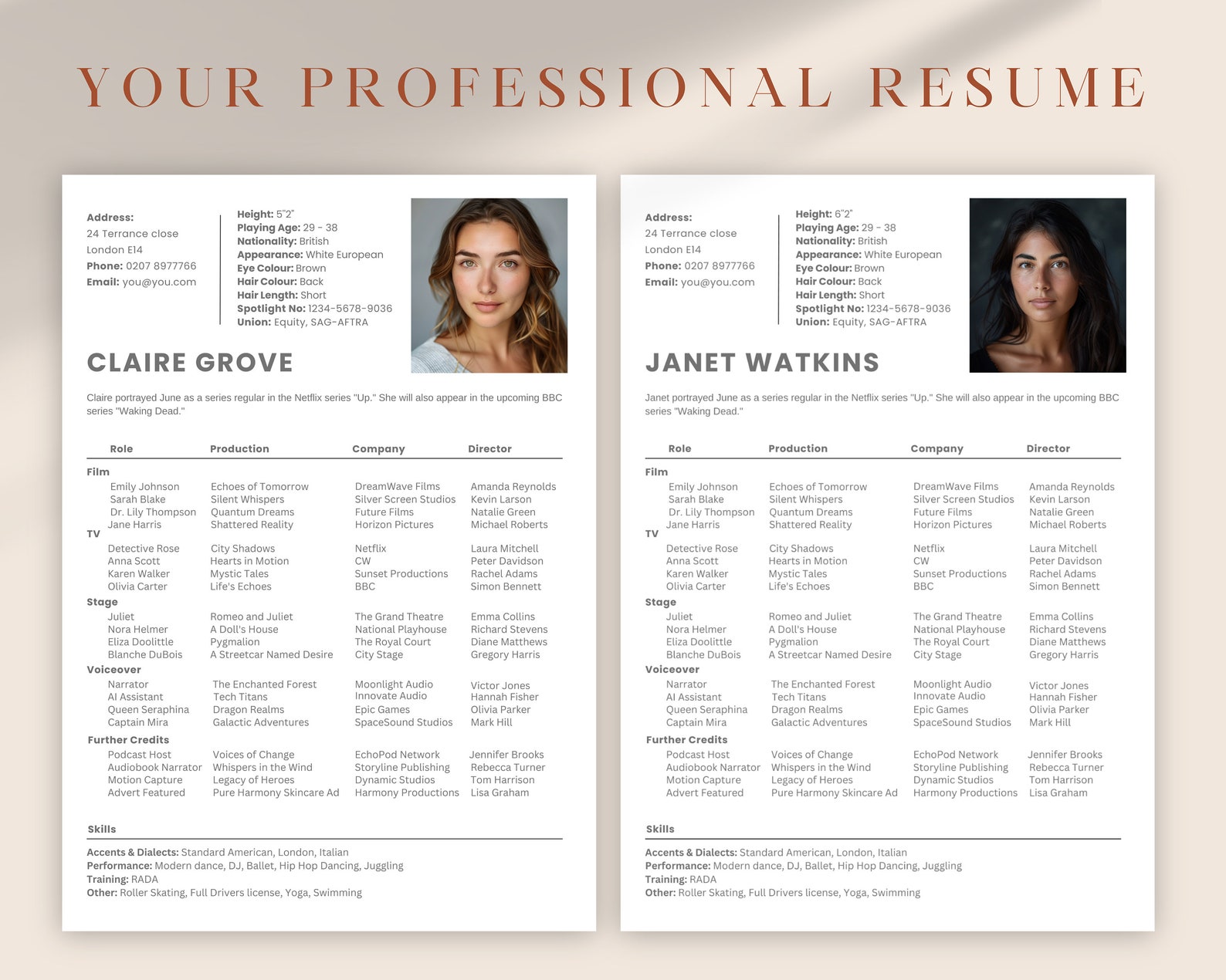
Actor attributes are the specific physical, technical, and psychological characteristics used to categorize and cast performers in the entertainment industry. These include immutable physical traits like height and ethnicity, specialized skills such as stage combat or dialects, and "soft" attributes like essence and "type," which define a performer’s marketability and narrative function.
In the highly competitive entertainment landscape of 2026, the definition of "actor attributes" has evolved beyond simple physical descriptions. While traditional metrics like height, eye color, and hair length remain foundational for continuity and costume departments, the industry now places equal weight on "identity attributes" and "skill-based metadata." For professional actors, talent agents, and casting directors, understanding how these attributes are defined, categorized, and searched is the difference between a missed opportunity and a career-defining role.
The Taxonomy of Actor Attributes
To navigate the casting process effectively, it is essential to distinguish between the different categories of attributes. The industry generally divides these into three pillars: Physical/Fixed, Skill-Based/Acquired, and Essence/Type.
Physical and Fixed Attributes
Physical attributes are the most objective and easily verifiable data points. In professional casting databases such as Actors Access or Spotlight, these fields are often the first filters applied by casting directors.
- Playing Age: This is distinct from chronological age. It represents the range of ages an actor can convincingly portray on camera. In 2026, there is a greater emphasis on "authentic aging," though the "10-year bracket" remains the industry standard for most adult performers.
- Ethnicity and Heritage: With the industry's continued move toward authentic representation, specifying heritage (e.g., Afro-Latino, East Asian, or Indigenous North American) is more critical than ever. Casting directors now prioritize actors whose personal heritage aligns with the character's background.
- Physical Dimensions: Height, weight, and build are crucial for technical reasons, including framing shots and matching body doubles. In 2026, standardized sizing for costume departments is also frequently included in these attribute sets.
Skill-Based and Acquired Attributes
These are the "value-added" traits that can make an actor more bookable. A production looking for a lead who can play the violin will prioritize actors with that specific attribute to save on coaching costs or the use of hand doubles.
- Dialects and Languages: Fluency levels must be accurately categorized (e.g., Native, Conversational, or Phonetic). The International Phonetic Alphabet (IPA) is often used as a benchmark for professional dialect work.
- Physical Disciplines: This includes stage combat (BADC/SAFD certified), dance, yoga, and professional-level sports.
- Vocal Range: For musical theater and voiceover, attributes like Baritone, Mezzo-Soprano, or "Raspy Texture" are essential identifiers.
Essence and "The Type"
The most subjective yet powerful attribute is "essence." This refers to the psychological energy an actor projects. Is the actor perceived as "The Intellectual," "The Rebel," "The Nurturer," or "The Menace"? While these are not always hard-coded into database fields, they are the primary attributes discussed in the casting room.
The Role of Attributes in Modern Casting Workflows
As of 2026, the casting process is heavily reliant on algorithmic filtering. When a breakdown is released, casting directors receive hundreds, sometimes thousands, of submissions within hours. To manage this volume, they use "attribute filters" to narrow the pool.
The Power of Keywords and Tags
In the digital ecosystem, an actor's profile is essentially a collection of metadata. If a script calls for a "left-handed fencer who speaks fluent French," the casting software will scan the "Attributes" and "Special Skills" sections of every profile in the database. If an actor possesses these skills but hasn't tagged them correctly, they effectively do not exist in that search result.
Verification and Authenticity
The industry has seen a shift toward "verified attributes." For high-stakes skills—such as equestrianism, stunt work, or specialized driving—casting directors in 2026 often look for digital badges or links to video proof (the "Skill Reel") within the attribute section. Overstating one's attributes, such as claiming "expert" level in a language one only studied in high school, is a significant professional risk that can lead to being "blacklisted" by casting offices.
Comprehensive Comparison of Actor Attribute Categories
The following table outlines how different attributes impact an actor's career and how they are typically utilized by the industry.
| Attribute Category | Key Examples | Primary Use Case | Stability Level |
|---|---|---|---|
| Biometric | Height, Eye Color, Hair Color | Technical framing, costume fitting, and character continuity. | High (Mostly Permanent) |
| Identity | Ethnicity, Gender Identity, Disability Status | Ensuring authentic representation and diverse storytelling. | High (Fundamental) |
| Performance | Dialects, Singing, Method Acting | Determining the actor's range and suitability for specific genres. | Moderate (Can be learned) |
| Technical Skills | Stage Combat, SCUBA, Driving (Manual) | Solving production challenges and reducing the need for doubles. | Moderate (Requires practice) |
| Marketable "Type" | The Hero, The Quirky Best Friend, The Corporate Executive | Strategic branding and matching the "vibe" of the script. | Low (Changes with age/branding) |
Strategic Management of Actor Attributes
Successfully navigating the industry requires more than just possessing attributes; it requires strategic management and presentation. Actors should treat their attribute list as a living document that reflects their current "product" in the marketplace.
Auditing Your Profile
Actors should conduct a semi-annual audit of their attributes on platforms like Casting Networks and IMDbPro. As physical appearances change (e.g., hair growth, weight shifts) or new skills are mastered (e.g., completing a firearms for film course), the digital profile must be updated immediately. In 2026, "stale data" is a major deterrent for casting directors who need to know exactly who will walk through the door or appear on the Zoom audition.
The "Niche" vs. "Generalist" Approach
There is often a tension between wanting to appear capable of "doing everything" and being a specialist. However, the most successful actors in 2026 are those who lean into their unique attributes. Having a "niche" attribute—such as being a professional-grade cellist or having a background in competitive martial arts—can often be the "foot in the door" that leads to more general acting opportunities later.
Psychological Attributes: Branding Your Essence
Understanding your "Type" is perhaps the most difficult part of defining your attributes. This involves external feedback. Many actors in 2026 use "branding workshops" or consult with their agents to determine how they are perceived by strangers. If an actor views themselves as a "Leading Man" but the industry consistently sees them as a "Character Actor," there is an attribute misalignment that can stall a career. Aligning your headshots and reels with your most prominent psychological attributes creates a cohesive professional brand.
Potential Challenges and Ethical Considerations
The use of actor attributes is not without controversy, particularly regarding privacy and the ethics of data-driven casting.
- Privacy and Sensitive Data: Many actors are wary of providing granular data regarding their health or specific identity markers. While these attributes help with diverse casting, they also raise concerns about how that data is stored and used by AI-driven casting tools.
- Typecasting: The reliance on attributes can lead to "typecasting," where an actor is only ever seen for roles that match their most obvious traits. Breaking out of an established "attribute set" requires significant effort, often involving the production of new "counter-type" reel material.
- The Digital Divide: Actors who can afford to maintain certifications and high-quality video proof of their attributes often have an advantage over those who cannot, leading to a potential gap in opportunity based on socioeconomic factors.
Frequently Asked Questions
Can I include skills I am currently learning in my actor attributes?
It is generally advised to only list skills in which you are proficient enough to perform on camera with minimal notice. Listing a skill as "In Progress" is acceptable in a resume format but should usually be excluded from searchable database "Special Skills" filters to avoid misleading casting directors. If you are asked to perform a skill you haven't mastered, it can create safety issues or costly delays on set.
How do I determine my "Playing Age" attribute?
Playing age is determined by how old you appear on camera, not your birth certificate. To find your range, ask unbiased industry professionals or look at the ages of the characters you are most frequently called in to audition for. Most actors have a range of about five years above and below their actual appearance. In 2026, being honest about your playing age is more respected than trying to appear younger than your headshots suggest.
Should I list "General" skills like "Swimming" or "Driving"?
Yes, but be specific. Nearly every actor lists "Swimming," but listing "Open Water Certified" or "Competitive Butterfly Stroke" provides a searchable attribute that sets you apart. Similarly, instead of just "Driving," specify "Manual Transmission," "Precision Driving," or "Motorcycle License." Specificity turns a generic trait into a searchable professional attribute.
How have AI and algorithms changed how actor attributes are viewed?
By 2026, AI tools are used to "read" scripts and automatically suggest actors based on their attribute metadata. This means that your attributes are no longer just for human eyes; they are data points for an algorithm. This has made the accuracy of your tags and the presence of keyword-rich descriptions in your bio more important for "discoverability" than ever before.
Is it okay to change my physical attributes (like hair color) frequently?
Consistency is key for your "brand," but changes are part of the profession. If you change a major physical attribute, you must update your headshots and all digital profiles immediately. Casting directors rely on your attributes to know what you look like today. Showing up to a set with a different hair color than what is listed in your attributes can lead to termination or issues with the production's hair and makeup plans.
Next Steps for Managing Your Professional Attributes
To maximize your visibility and booking potential in 2026, your immediate focus should be on the accuracy and depth of your digital "attribute footprint."
- Audit Your Profiles: Log into your primary casting portals and ensure every physical measurement is current.
- Update Your Skills: Remove any skills you can no longer perform at a professional level and add any new certifications or fluencies you have acquired.
- Gather Proof: Ensure that for every "high-value" skill (like stunts, languages, or instruments), you have a 15–30 second clip of you performing that skill. In the current market, a listed attribute without video evidence is often ignored.
- Consult Your Team: Speak with your agent or manager about your "Type" and "Essence." Ensure that your headshots and the "vibe" of your attribute list are in alignment with how you are being pitched to casting directors.