Activist music is the intentional use of musical composition and performance to advocate for social change, challenge systemic injustices, or mobilize communities toward specific political goals. Unlike passive protest songs, activist music functions as a utilitarian tool within grassroots movements, providing a sonic framework for education, empathy, and collective action across diverse cultural and political landscapes.
The Conceptual Framework: Distinguishing Activist Music from Protest Songs
To understand the current state of activist music in 2026, one must first distinguish it from the broader category of "protest music." While all activist music contains elements of protest, not all protest songs qualify as activism. A protest song might simply express a grievance or an individual’s dissatisfaction with the status quo. In contrast, activist music is defined by its strategic integration into organized movements. It is music with a job to do.
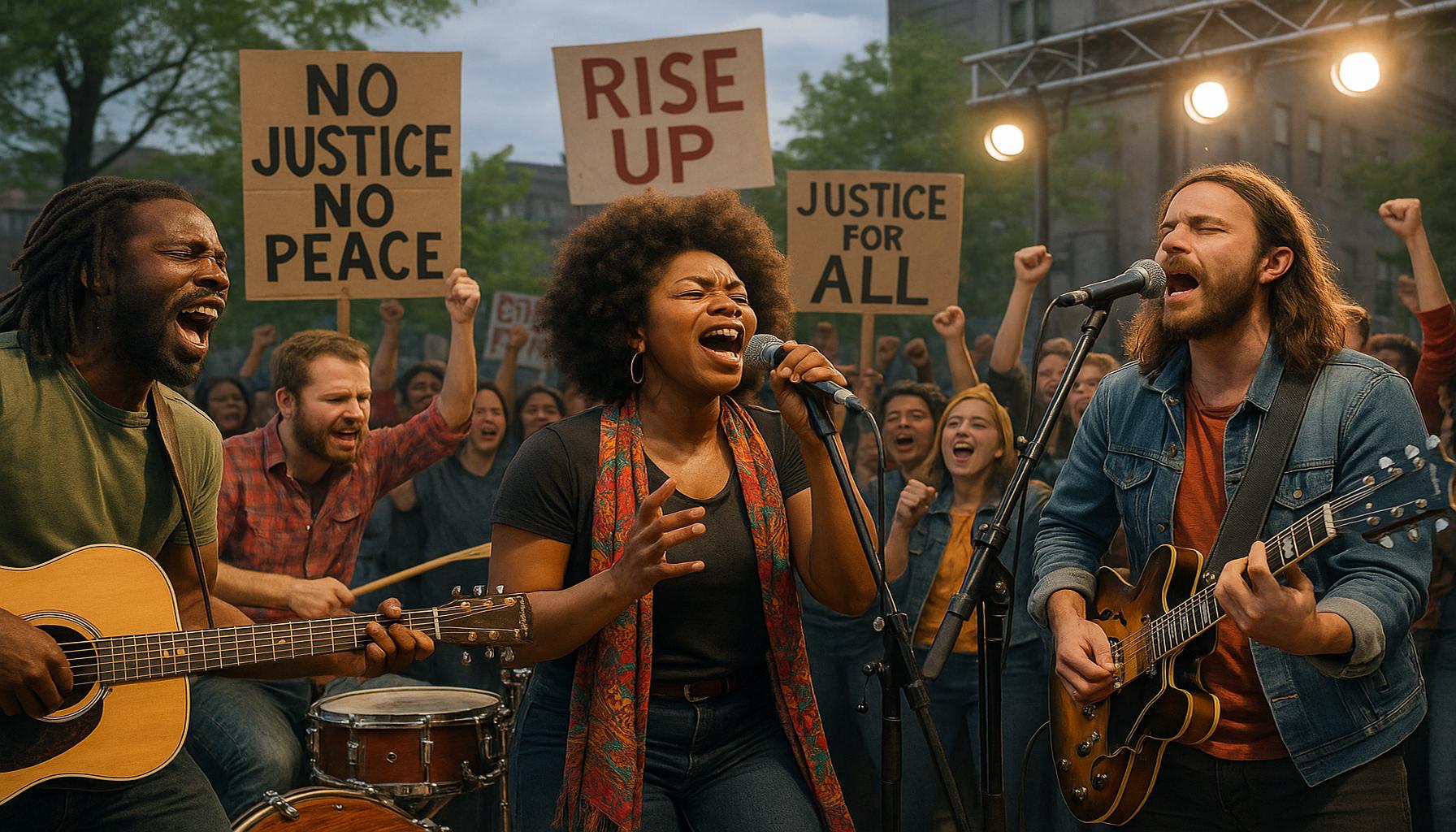
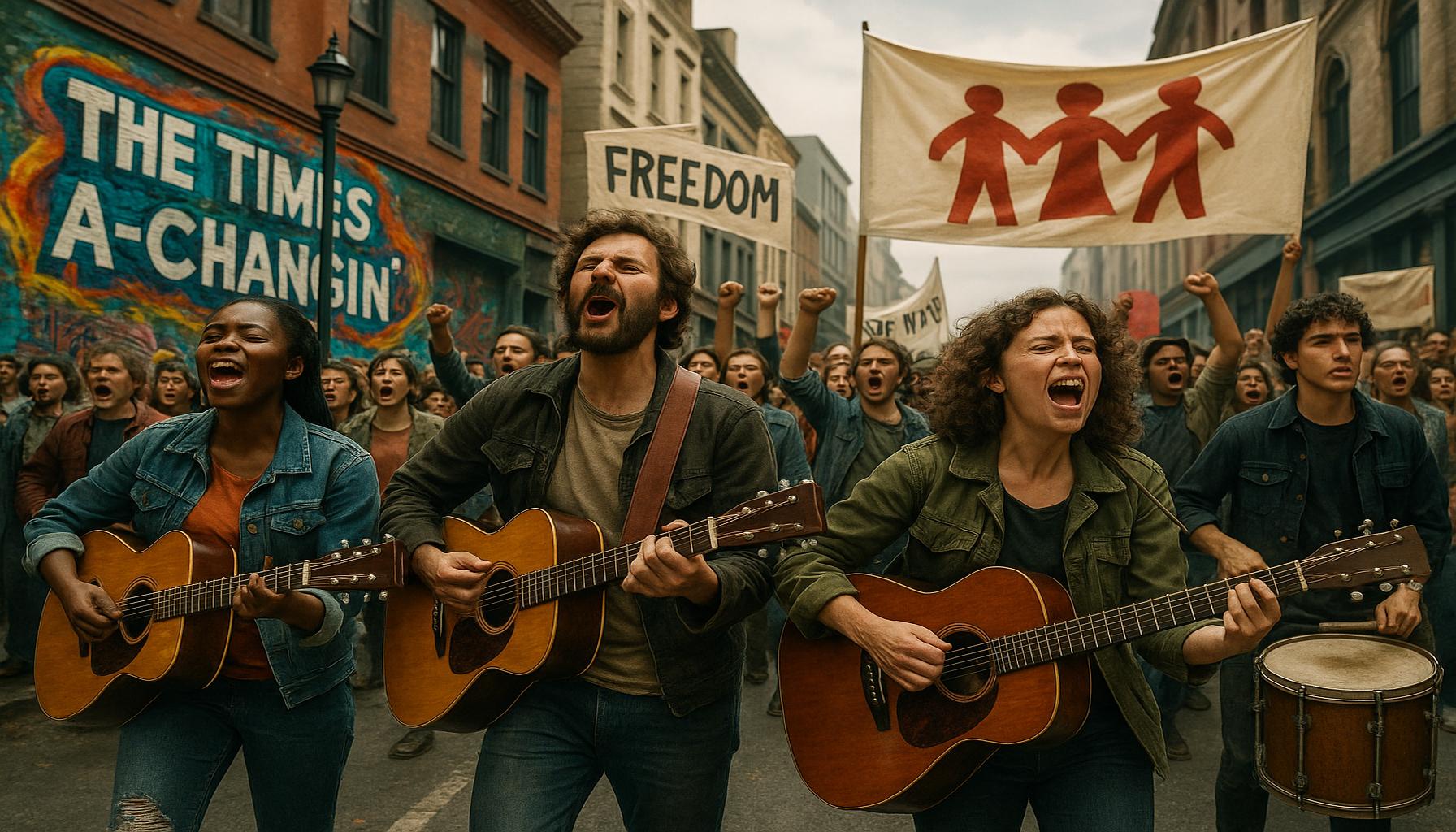
Activist music serves three primary functions: mobilization, education, and the preservation of cultural memory. Mobilization involves using rhythm and melody to synchronize groups, often seen in marching bands or call-and-response chants that unify the physical movement of a crowd. Education occurs through storytelling, where lyrics translate complex policy issues—such as climate legislation or economic inequality—into digestible, emotional narratives. Finally, preserving cultural memory ensures that the struggles of a movement are documented, preventing the erasure of historical resistance.
By 2026, the definition has expanded further to include "data-driven activism," where musicians use streaming royalties to fund specific legal defenses or environmental initiatives. This shift from symbolic expression to material contribution marks the modern era of the medium, where the song is both the message and the mechanism for funding the cause.
Historical Evolution: From Civil Rights to the Digital Frontline
The history of activist music is a testament to the enduring power of the human voice. In the United States, the Civil Rights Movement of the 1950s and 60s relied heavily on "Freedom Songs." These were often adapted from traditional spirituals, such as "We Shall Overcome," providing a psychological shield for activists facing state-sanctioned violence. These songs were not merely entertainment; they were essential for maintaining morale and non-violent discipline.
The 1980s and 90s saw the rise of Hip Hop and Punk as dominant activist genres. Groups like Public Enemy and Dead Kennedys utilized aggressive production and explicit social commentary to address systemic racism and corporate hegemony. During this period, activist music moved from the communal singing of the folk era to a more confrontational, broadcast-oriented model. The goal was to disrupt the mainstream media narrative and force "uncomfortable" truths into the public consciousness.
In the early 2020s, activist music became decentralized. The global reach of social media allowed movements like the Iranian "Woman, Life, Freedom" protests to gain international support through viral songs like Shervin Hajipour’s "Baraye." By 2026, this decentralization has matured. Activist music is no longer dependent on major label distribution; instead, it thrives on peer-to-peer networks and blockchain-based platforms that ensure the artist’s message remains uncensored and their revenue goes directly to the causes they champion.
The Anatomy of an Activist Anthem
Creating effective activist music requires a balance between artistic integrity and functional utility. For a song to successfully move a community, it generally incorporates several key technical and structural elements:
- Lyrical Clarity and "The Hook": Unlike abstract art, activist music relies on clear, unambiguous messaging. The refrain must be easy to remember and repeat, allowing it to be chanted during demonstrations or shared easily in short-form video content.
- Rhythmic Grounding: For music used in physical spaces (marches, sit-ins), a steady, driving rhythm is essential. It regulates the pace of a crowd and creates a sense of shared heartbeat, which has a documented physiological effect on group cohesion.
- Cultural Resonance: Effective activist music taps into the existing musical vocabulary of the community it serves. Whether using the harmonies of a traditional hymn or the sub-bass of a local electronic subgenre, the music must feel "owned" by the people it seeks to represent.
- Actionable Call-to-Action (CTA): Modern activist music in 2026 often includes a literal or digital CTA. This might be a QR code in the liner notes, a link in the video description, or lyrics that provide specific instructions for the next phase of a campaign.
Comparative Analysis of Activist Movements Through Music
The following table compares different eras and styles of activist music to illustrate how the medium adapts to the needs of the time.
| Era/Movement | Dominant Genre | Core Objective | Key Technological Tool |
|---|---|---|---|
| Civil Rights (1960s) | Folk & Spirituals | Desegregation & Voting Rights | Transistor Radio & Live Assembly |
| Anti-Apartheid (1980s) | Mbaqanga & Jazz | Ending Systemic Segregation | Global Satellite TV (Live Aid) |
| Environmental Justice (2010s) | Indie & Folk | Climate Awareness | Social Media Virality (YouTube) |
| Global Human Rights (2026) | Hyperpop & Afrobeats | Transnational Solidarity | Decentralized Apps & AI Translation |
The Strategic Implementation of Music in Modern Campaigns
In 2026, activist music is utilized with the precision of a marketing campaign, but for social rather than commercial ends. Non-governmental organizations (NGOs) and grassroots collectives often partner with artists to create "sonic identities" for their causes. This involves more than just a single song; it includes soundscapes for documentaries, anthems for rallies, and "stings" for social media updates.
One significant development is the use of AI-assisted translation to localize activist anthems. A song written in English about labor rights can be re-rendered in dozens of languages while preserving the original artist's voice and emotive power. This has allowed for a more unified global response to issues like the digital divide and international labor exploitation.
Furthermore, the "Benefit Concert" model has evolved. While large-scale events still occur, the focus has shifted to "Micro-Benefits." These are localized, digitally streamed performances where the audience can interact in real-time, voting on which specific local project (e.g., a community garden or a legal fund) the proceeds of the performance should support. This granularity ensures that activist music produces measurable, local impact rather than vague global awareness.
Overcoming the Barriers of Performative Activism
One of the primary critiques of activist music is the risk of "performative activism"—where the music serves to boost the artist's brand rather than the cause. In 2026, the audience's ability to detect inauthenticity is at an all-time high. To remain credible, activist musicians must navigate several ethical and practical hurdles:
- Financial Transparency: Artists are increasingly expected to provide proof of where the proceeds from "activist" tracks are going. Use of transparent ledgers or direct-donation links is now standard practice for those claiming the "activist" label.
- Long-term Commitment: A single "issue song" followed by a return to purely commercial themes is often viewed with skepticism. True activist musicians are expected to have a sustained relationship with the movements they support, often appearing on the front lines or serving on the boards of relevant organizations.
- Avoiding Co-optation: Corporations frequently attempt to license activist music to "soften" their public image. Activist artists must decide whether the increased reach of a commercial placement is worth the potential dilution of their message. In 2026, many artists utilize "Ethical Licensing" contracts that prohibit their music from being used by companies with poor environmental or labor records.
Navigating the Ethics and Sustainability of Modern Protest Music
For the artist, being a dedicated activist musician is often a path of financial and personal risk. Censorship remains a significant threat, particularly in authoritarian regimes where music can be classified as a tool of sedition. In these contexts, activist music often utilizes coded language or "Aesopian" lyrics—metaphors that the local community understands but that might bypass official censors.
Sustainability is another concern. Because activist music often prioritizes message over marketability, artists may struggle to find traditional funding. However, the rise of "Civic Patrons"—donors who view music as a necessary social utility—has provided a new revenue stream. These patrons fund "residencies" where musicians are paid to work within specific communities to develop songs that address local grievances, from housing costs to water quality.
Frequently Asked Questions (FAQ)
Can activist music really change laws and policy?
Yes, music often serves as the "emotional lead" for policy change. While a song itself does not sign a bill, it creates the cultural climate that makes political change possible. Historical examples include the role of anti-war music in shifting public opinion during the Vietnam War and the influence of "Free Nelson Mandela" in the global pressure campaign against Apartheid.
Is all political music considered activist music?
No. Political music is a broad category that includes any music dealing with political themes. Activist music is a specific subset that is tied to a call for action or a movement. A song can be political by criticizing a politician, but it becomes activist music when it is used to organize a voting drive or raise funds for a specific legal battle.
How do artists avoid being seen as performative?
The most effective way is through "boots on the ground" involvement. When an artist is physically present at a protest, contributes significant portions of their revenue to the cause, and consistently uses their platform to amplify marginalized voices rather than their own celebrity, they build the "social capital" necessary to be seen as a legitimate activist.
What are the most influential genres of activist music today?
In 2026, Hip Hop remains a dominant force due to its narrative-heavy structure. However, Electronic Dance Music (EDM) and Hyperpop have emerged as powerful tools for LGBTQ+ and reproductive rights activism, using high-energy sonics to create spaces of resistance and joy in the face of restrictive legislation.
How has AI impacted the creation of activist music?
AI is used for both good and ill. It allows activists to translate messages instantly and create high-quality production on a low budget. However, it also allows for the creation of "astroturf" activism, where fake AI personas generate songs to give the appearance of a grassroots movement that doesn't actually exist.
Implementing Activist Music in Your Community
If you are a creator or a community leader looking to leverage music for a cause, the most effective first step is to listen before you compose. Engagement with the affected community is paramount. Identify the specific pain points and goals of the movement, and determine if the need is for a song of mourning, a song of celebration, or a direct call to action.
Collaborate with local organizers to ensure the music is integrated into their strategy. Whether it’s a track released on a decentralized platform to fund a local strike or a communal song designed to be sung in a town hall, the most successful activist music is that which the community can adopt as its own. In 2026, the success of a song is measured not just by its streaming numbers, but by the tangible change it helps facilitate in the physical world.