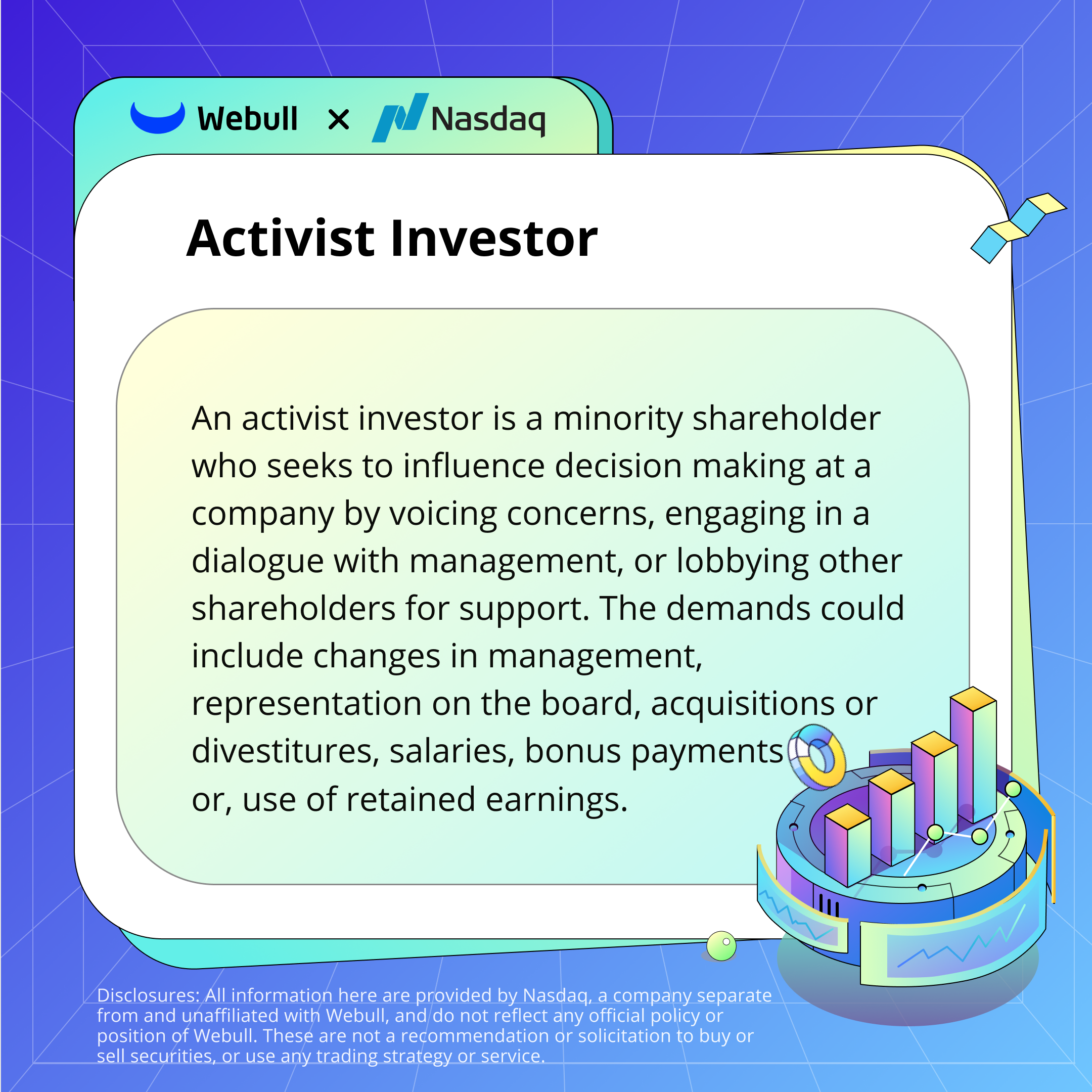
Activist investing is a strategic approach where an individual or institutional investor purchases a significant minority stake in a publicly traded company to exert influence over its management, board of directors, or corporate strategy. By leveraging their ownership position, activists aim to implement changes—such as operational restructuring, leadership shifts, or capital allocation adjustments—designed to unlock or increase shareholder value.
The Evolution of the Activist Investor
Activist investing has transitioned from the "corporate raiding" era of the 1980s into a sophisticated, mainstream asset class. In 2026, the practice is no longer viewed solely as a hostile disruption but often as a necessary mechanism for corporate accountability. Activists today range from specialized hedge funds, like Elliott Investment Management and Starboard Value, to pension funds and even retail investor collectives that use digital platforms to coordinate influence.
The core premise of activist investing is the identification of "value gaps." These gaps occur when a company's market valuation is significantly lower than its potential value due to poor management, inefficient operations, or an outdated business model. Unlike passive investors who sell their shares if they are dissatisfied, activists stay and fight to fix the underlying issues. This "voice" rather than "exit" strategy is what defines the niche.
In the current 2026 market environment, activism has expanded beyond traditional financial engineering. While balance sheet optimization remains a staple, there is an increasing focus on operational excellence and technological adaptation. Activists are frequently seen demanding that legacy companies accelerate their digital transformations or divest underperforming units that no longer align with their core competencies.
The Lifecycle of an Activist Campaign
A successful activist campaign is rarely impulsive; it is a multi-stage process involving rigorous research and strategic escalation. Understanding this lifecycle is essential for corporate boards and fellow shareholders alike.
1. Target Identification and Thesis Development
The process begins with "screening." Activists look for companies with lagging stock performance relative to peers, high cash reserves but low dividends, or conglomerate structures where the sum of the parts is worth more than the whole. Once a target is identified, the activist develops a "white paper"—a detailed document outlining exactly what is wrong and how to fix it.
2. Stake Building and Regulatory Disclosure
In the United States, the Securities and Exchange Commission (SEC) requires any investor who acquires more than 5% of a company’s voting class shares to file a Schedule 13D. This filing serves as the first public shot across the bow, notifying the market and the company of the activist's intent. In 2026, regulators have tightened the windows for these disclosures to prevent "hidden" stake-building, making the initial entry more transparent but also more competitive.
3. Private Engagement
Before going public with demands, many activists attempt "behind-the-scenes" diplomacy. They meet with the CEO or the Chairman of the Board to present their findings. If the board is receptive and agrees to certain changes—such as adding a new independent director or initiating a share buyback—the campaign may end quietly.
4. Public Escalation and Proxy Contests
If private talks fail, the activist goes public. This often involves open letters to shareholders, media appearances, and dedicated websites detailing the case for change. The ultimate weapon in the activist toolkit is the proxy contest. This is a formal solicitation of shareholder votes to replace existing board members with the activist’s nominees. Thanks to the "universal proxy card" rules stabilized over the last few years, shareholders can now pick and choose individual directors from both the company’s and the activist’s slates, rather than voting for one entire side.
Common Strategies Employed by Activists
Activist strategies are generally categorized into three pillars: financial, operational, and governance. Most modern campaigns use a combination of all three to build a compelling case for the broader shareholder base.
- Financial Activism: This focuses on how the company manages its capital. Common demands include increasing dividends, launching massive share repurchase programs, or reducing "lazy" cash on the balance sheet. Activists may also push for the sale of the entire company if they believe a private equity firm or a competitor would pay a significant premium.
- Operational Activism: This is often more complex and involves deep dives into the company's margins, supply chains, and R&D spending. An activist might argue that a company’s overhead is 20% higher than its closest competitor and demand specific layoffs or plant closures to bridge the gap.
- Governance Activism: This addresses the "who" and "how" of corporate oversight. Activists frequently target "stale" boards where directors have served for decades or where the CEO also serves as the Chairman (dual roles). They push for board refreshment, the elimination of "poison pills" (shareholder rights plans designed to block takeovers), and more transparent executive compensation tied strictly to performance.
Comparing Investment Philosophies
To understand where activist investing fits in the broader financial landscape, it is helpful to compare it against other dominant strategies.
| Feature | Activist Investing | Passive (Index) Investing | Private Equity |
|---|---|---|---|
| Ownership Stake | Significant Minority (typically 1%–10%) | Proportional to Market Cap | Controlling Interest (typically 100%) |
| Primary Objective | Influence change from within | Match market/index returns | Buy, restructure, and sell for profit |
| Time Horizon | 1 to 5 years | Indefinite / Long-term | 5 to 7 years |
| Public vs. Private | Publicly traded companies | Publicly traded companies | Private companies (often delisted) |
| Role in Governance | Constructive/Adversarial influence | Limited (voting via proxy) | Direct management control |
The Rise of ESG and Social Activism
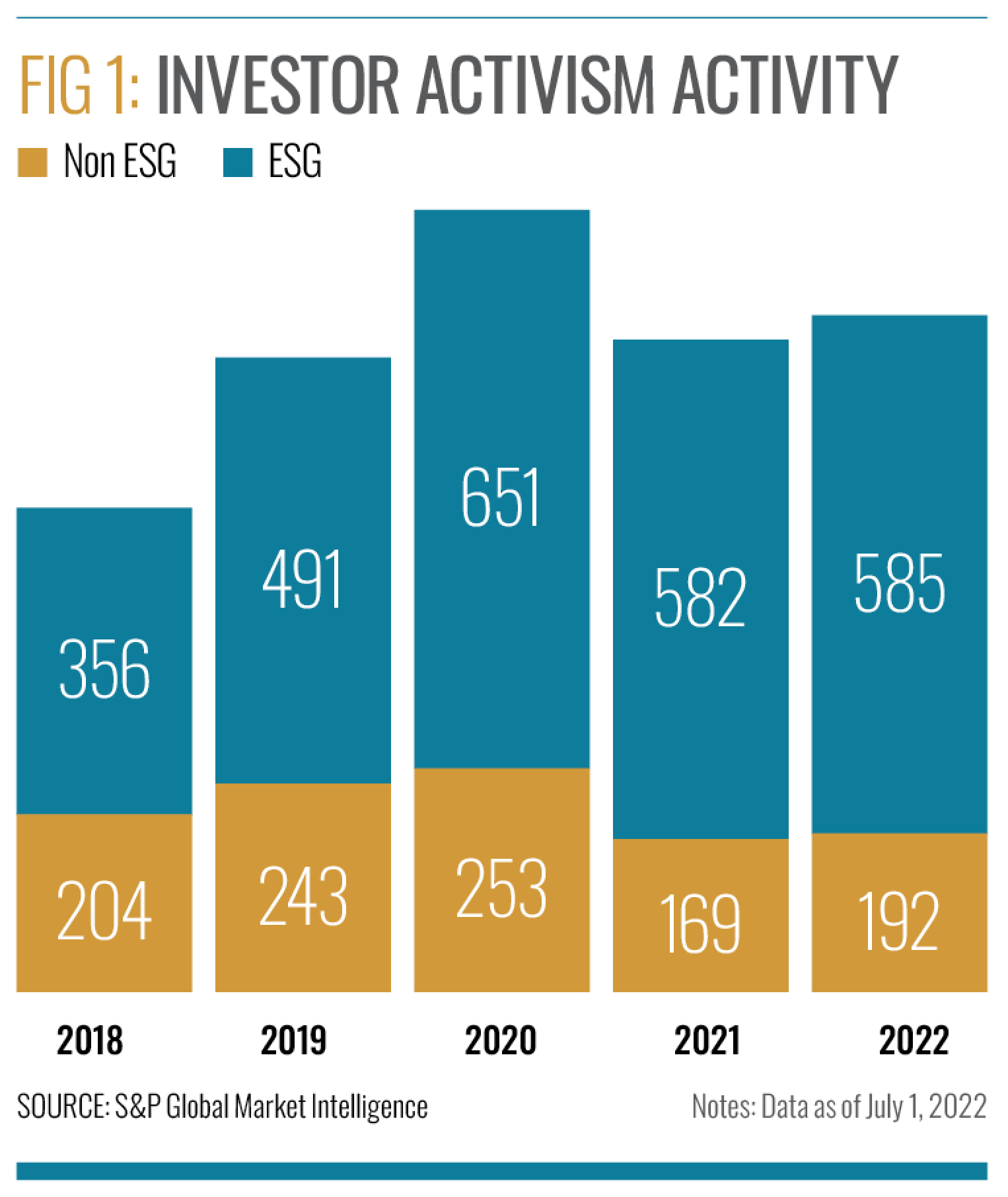
By 2026, Environmental, Social, and Governance (ESG) factors have become central to the activist narrative. It is no longer just about the next quarter's earnings; it is about long-term sustainability. "Engine No. 1," a small activist firm, famously set the precedent by winning board seats at ExxonMobil to push for a faster transition to clean energy.
Modern activists use ESG as a proxy for risk management. They argue that a company failing to address its carbon footprint or diversity and inclusion metrics is exposing itself to future regulatory fines and brand erosion. Consequently, we see "Impact Activists" who may prioritize social outcomes alongside financial returns, forcing companies to align their operations with broader societal goals.
The Risks and Criticisms of Activism
While activists claim to be the "watchdogs" of capitalism, their presence is often met with fierce resistance. Critics, including many corporate executives, argue that activists suffer from "short-termism." The concern is that an activist might force a company to slash R&D budgets or sell off vital assets to juice the stock price in the short term, leaving the company hollowed out and unable to compete five years later.
Furthermore, activist campaigns are incredibly expensive and distracting. A full-scale proxy fight can cost a corporation tens of millions of dollars in legal and advisory fees—money that could have been reinvested in the business. Management teams often find themselves spending months defending their positions to institutional investors rather than running the day-to-day operations of the company.
The Role of Proxy Advisors
A critical and often controversial element of this ecosystem is the role of proxy advisory firms like Institutional Shareholder Services (ISS) and Glass Lewis. These firms provide voting recommendations to massive institutional investors (like BlackRock or Vanguard). In many ways, they act as the "judges" of an activist campaign. If ISS supports the activist's slate of directors, it significantly increases the likelihood that the activist will win.
Frequently Asked Questions
Can individual retail investors participate in activist investing?
While individual investors rarely have the capital to launch a campaign alone, they play a crucial role in the outcome. Activists need the support of the broader shareholder base to win votes. Additionally, in 2026, various "crowd-activism" platforms allow retail investors to pool their voting power to support specific environmental or governance proposals.
What is a "Poison Pill" in the context of activism?
A "Poison Pill," or shareholder rights plan, is a defensive tactic used by a company's board to prevent an activist from acquiring a controlling stake. If an investor's ownership crosses a certain threshold (often 10% or 15%), the pill allows other shareholders to buy additional shares at a steep discount, effectively diluting the activist's position and making a hostile takeover prohibitively expensive.
Is activist investing the same as a hostile takeover?
No. In a hostile takeover, the acquirer intends to buy 100% of the company and take full control against the board's wishes. An activist investor usually only wants a small percentage of the company—enough to have a seat at the table—but they want the company to remain public.
How do companies defend themselves against activists?
Companies often hire "defense" teams from investment banks and law firms. They perform "vulnerability assessments" to identify weaknesses before an activist does. Common defenses include proactive board refreshment, improving transparency in financial reporting, and maintaining an active dialogue with their largest institutional shareholders to ensure they have their support.
Do activist campaigns always lead to higher stock prices?
Not necessarily. While many studies suggest that activism leads to short-term stock price appreciation upon the announcement of a stake, the long-term results are mixed. Success depends on whether the activist's proposed changes actually improve the company's fundamental operations or if they merely provide a temporary financial boost.
Strategic Recommendations for Investors
As the market continues to evolve in 2026, investors should view activist involvement as a significant "signal" rather than a guaranteed win. When an activist enters a stock, it is an invitation for all shareholders to perform their own due diligence.
First, evaluate the activist's track record: have they successfully turned around similar companies in the same sector? Second, analyze the "White Paper": are the demands focused on long-term operational health or short-term financial engineering? Finally, observe the board's reaction. A board that engages constructively with a credible activist often produces better results for shareholders than one that adopts a "scorched-earth" defensive posture. For the average investor, the presence of a credible activist can be a positive catalyst, provided the investor's time horizon aligns with the expected turnaround period of the campaign.