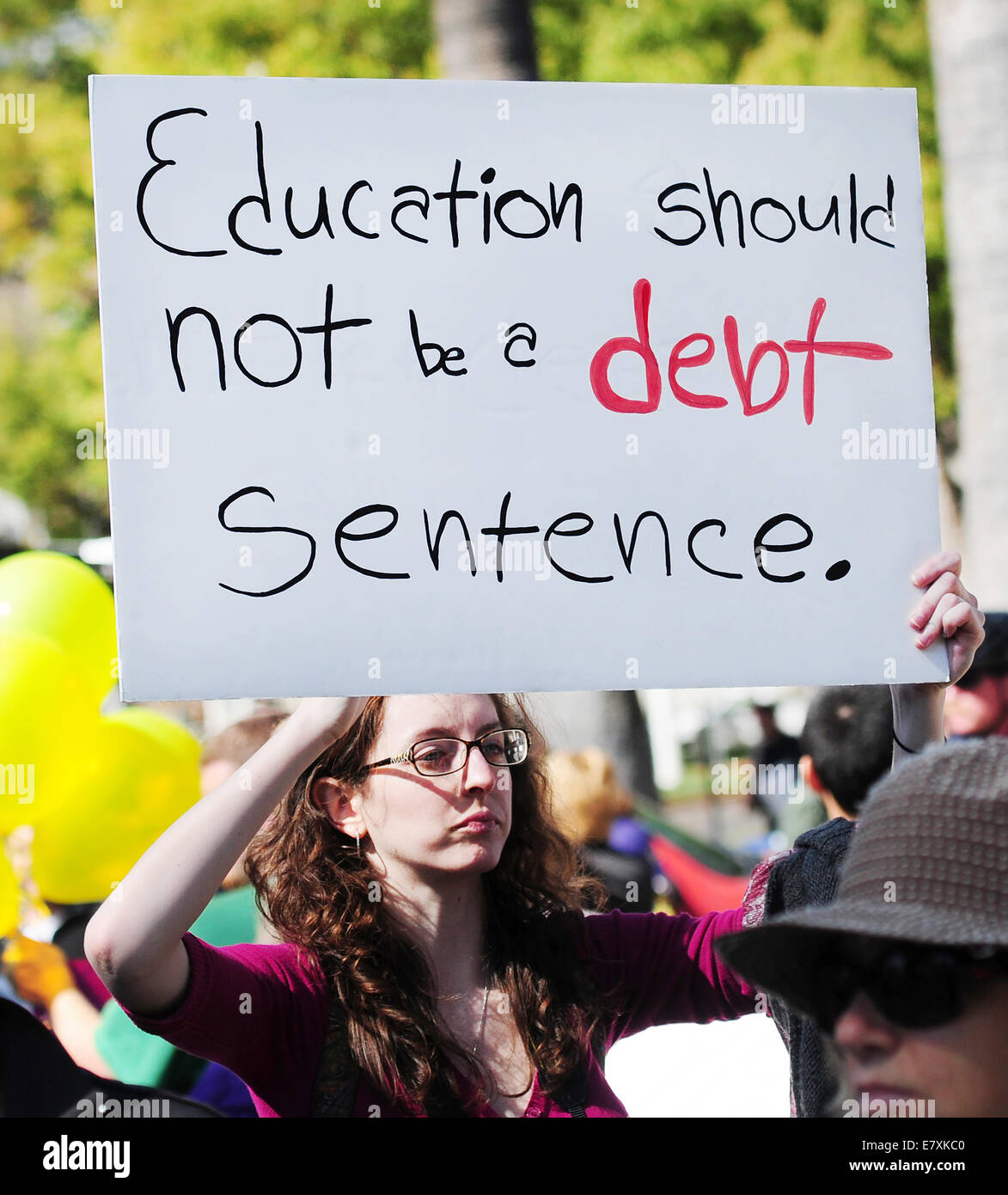
An activist educator is a professional who integrates social justice, equity, and civic engagement into their teaching practice. Beyond delivering standard curricula, they challenge systemic inequities, empower students to analyze power structures critically, and bridge the gap between classroom learning and community action to foster a more just, democratic society.
Defining the Activist Educator in the Modern Context
In 2026, the definition of an activist educator has evolved beyond simple advocacy to encompass a comprehensive pedagogical framework centered on "critical consciousness." This term, originally coined by Paulo Freire as conscientização, refers to the process of developing a deep understanding of the world and the social and political contradictions within it. For the educator, this means viewing the classroom not as a neutral space, but as a site of potential liberation or reproduction of the status quo.
An activist educator recognizes that education is inherently political. Decisions regarding which authors are read, which historical events are prioritized, and how discipline is administered all reflect underlying values. Rather than attempting to achieve a false sense of "neutrality," these educators are transparent about their commitment to human rights, equity, and democratic participation. Their primary goal is to provide students with the cognitive tools—such as media literacy, historical empathy, and structural analysis—necessary to navigate and improve their communities.
This role requires a dual focus: internal classroom practice and external systemic advocacy. Internally, it involves creating a "democratic classroom" where student voices are prioritized and traditional hierarchies are questioned. Externally, it involves participating in labor unions, engaging with school boards, and collaborating with grassroots organizations to influence educational policy.
Theoretical Foundations: From Critical Pedagogy to 2026
The work of an activist educator is grounded in several decades of educational theory, most notably Critical Pedagogy. This framework argues that teaching should encourage learners to examine the power dynamics that shape their lives. Paulo Freire’s Pedagogy of the Oppressed remains a foundational text, emphasizing the "problem-posing" method of education over the "banking model," where teachers simply "deposit" information into passive students.
By 2026, these theories have been augmented by Culturally Sustaining Pedagogy (CSP) and Abolitionist Teaching. CSP, developed by researchers like Django Paris and Samy Alim, moves beyond "relevance" to "sustenance," aiming to perpetuate and foster linguistic, literate, and cultural pluralism as part of the democratic project of schooling. Abolitionist teaching, popularized by scholars such as Bettina Love, focuses on the "spirit murder" of students of color within the educational system and advocates for the total dismantling of oppressive structures rather than mere reform.
These theories provide the "Why" behind the activist educator’s actions. They offer a roadmap for moving from theoretical awareness to practical implementation, ensuring that activism is not an "add-on" to the curriculum but the very foundation upon which learning is built.
Core Pillars of Activist Pedagogy
To effectively function as an activist educator, one must operate across several domains. These pillars ensure that the commitment to justice is reflected in every aspect of the educational experience.
1. Curricular Transformation and Representation
The curriculum is the most visible site of activism. An activist educator audits their materials to ensure they reflect a diverse range of perspectives, particularly those of marginalized groups. This goes beyond "tokenism"—simply adding a diverse book to a list—and involves a fundamental shift in narrative. For example, history is taught from the perspective of social movements and labor struggles rather than solely through the lens of heads of state. In STEM fields, this might involve analyzing the history of medical ethics or the environmental impact of industrialization on vulnerable communities.
2. Pedagogy of Empowerment
How a subject is taught is as important as what is taught. Activist educators utilize "inquiry-based learning" and "project-based learning" (PBL) to give students agency. In 2026, this often takes the form of "Youth Participatory Action Research" (YPAR), where students identify a problem in their community, conduct formal research, and present their findings to policymakers. This method transforms students from passive recipients of knowledge into active producers of change.
3. Restorative and Transformative Justice
Activist educators reject the "school-to-prison pipeline" by moving away from punitive discipline models. Instead, they implement restorative practices that focus on repairing harm and building community. This is an activist act because it directly challenges the systemic criminalization of youth, particularly students of color and students with disabilities. By creating a classroom environment based on mutual respect rather than fear, the educator models the type of society they wish to build.
4. Professional and Community Advocacy
The work extends beyond the school bell. Activist educators are often leaders in their professional organizations, advocating for fair funding, inclusive state standards, and the protection of academic freedom. They act as bridges between the school and the community, supporting local grassroots initiatives and ensuring that the school serves as a resource for the neighborhood, not just an isolated institution.
Comparison of Educational Approaches
The following table illustrates the material differences between traditional compliance-based instruction and the activist educator’s justice-oriented approach.
| Feature | Traditional Compliance Model | Activist Educator Model |
|---|---|---|
| View of Knowledge | Knowledge is fixed, neutral, and passed from teacher to student. | Knowledge is socially constructed and tied to power dynamics. |
| Student Role | Passive recipient; consumer of information. | Active inquirer; producer of knowledge and change. |
| Curriculum Focus | Standardized testing; state-mandated "neutral" narratives. | Critical inquiry; multi-perspective and justice-centered. |
| Discipline | Punitive; focus on rules, compliance, and exclusion. | Restorative; focus on accountability, healing, and community. |
| Goal of Education | Workforce preparation and civic assimilation. | Critical consciousness and democratic transformation. |
| Community Link | School as an isolated, hierarchical institution. | School as a community hub and site for social action. |
Navigating Legal and Institutional Challenges in 2026
The landscape for activist educators in 2026 is complex, characterized by a sharp divide between jurisdictions. In many regions, legislative efforts have sought to restrict discussions of "divisive concepts," including systemic racism, gender identity, and structural inequality. These legal frameworks often create a "chilling effect," where educators fear professional repercussions for addressing social justice issues.
To navigate these challenges, activist educators must be well-versed in their local education codes and constitutional protections, such as the First Amendment. Professional liability insurance and active membership in teacher unions (like the NEA or AFT) are essential for legal protection. Furthermore, many educators have found success by aligning their justice-oriented goals with existing "College and Career Readiness" standards. For instance, teaching students how to analyze a historical document for bias is a core academic skill that also serves the goals of critical pedagogy.
The key to sustainability in this role is "strategic transparency." This involves clearly communicating with parents and administrators about how social justice topics support critical thinking, empathy, and civic responsibility—values that are generally supported across the political spectrum. By framing activism as the fulfillment of the democratic purpose of education, teachers can often build broader coalitions of support.
Implementing Activist Strategies: A Step-by-Step Approach
Transitioning into an activist educator role is a developmental process. It requires ongoing self-reflection and a commitment to lifelong learning.
- Self-Education and Positionality: Before challenging external systems, educators must examine their own biases and "positionality"—how their own race, class, gender, and background influence their teaching. This involves reading foundational texts and participating in anti-bias training.
- Audit the Environment: Examine the physical and digital classroom space. Do the posters, digital resources, and examples used in lessons represent a variety of identities? Is the language used inclusive of all students?
- Integrate Critical Inquiry: Start by asking "Why?" and "Whose voice is missing?" in every lesson. If teaching a science lesson on water systems, include a discussion on the Flint water crisis or indigenous water rights.
- Foster Student Leadership: Create opportunities for students to lead discussions, set classroom norms, and choose research topics. Shift the power dynamic from "teacher-led" to "student-centered."
- Connect with the Community: Invite local activists, organizers, and professionals from marginalized backgrounds to speak to the class. Ensure that these interactions are reciprocal and that the school provides value back to the guests.
- Join a Community of Practice: Activism can be isolating. Join local or national networks of social justice educators (such as "Teachers for Social Justice" or "Rethinking Schools" circles) to share resources and emotional support.
Frequently Asked Questions
Is activist education the same as political indoctrination?
No. Indoctrination involves telling students what to think, whereas activist education focuses on teaching students how to think critically. The goal is to provide students with the analytical tools to examine evidence, recognize bias, and make their own informed decisions about social issues. An activist educator encourages debate and diverse viewpoints, provided those viewpoints do not infringe upon the human rights of others.
Can I be an activist educator in a conservative district?
Yes, though the approach may differ. In these environments, educators often focus on "universal" values such as fairness, evidence-based reasoning, and local history. By using primary sources and focusing on high-level critical thinking skills, teachers can address complex social issues while remaining within the bounds of district mandates.
What are the risks of being an activist educator?
The risks include professional pushback, parent complaints, and in some jurisdictions, disciplinary action if state laws are violated. This is why it is crucial to ground all activism in pedagogical standards, maintain professional boundaries, and have the support of a union or professional organization.
How does digital literacy fit into this role?
In 2026, digital literacy is a cornerstone of activism. Educators teach students to recognize algorithmic bias, identify misinformation, and use digital tools for social organizing. Helping students understand how digital platforms shape their perception of reality is a vital act of empowerment.
Is this approach appropriate for all age groups?
Yes, but it must be developmentally appropriate. For early elementary students, activism might focus on fairness, kindness, and diverse families. For high school students, it involves complex structural analysis and direct civic participation. The core principle—that education should lead to a more just world—remains the same across all levels.
Moving Toward Sustainable Advocacy
To remain effective in the long term, the activist educator must prioritize "sustainable advocacy." This means recognizing that systemic change is a marathon, not a sprint. Educators must find a balance between their passion for justice and their own mental and emotional well-being to avoid burnout.
The most successful activist educators are those who build "ecosystems of support." They do not work in isolation but as part of a larger movement. By documenting their successes, sharing their curricula, and mentoring newer teachers, they ensure that their impact extends far beyond their own classroom. The ultimate goal is to create a school system where "activist education" is no longer a specialized niche but the standard for how we prepare the next generation for the complexities of a democratic life.