In 2026, South Carolina universities have implemented advanced multi-layered security protocols, yet individual preparedness remains the most critical factor in surviving an active shooter event. Safety involves a combination of situational awareness, rapid response via the "Run, Hide, Fight" framework, and immediate engagement with campus-specific emergency alert systems like Carolina Alert or CU Safe.
The landscape of campus safety in South Carolina has evolved significantly over the last decade. Following national trends and state-level legislative pushes for increased security funding, institutions from Columbia to Clemson have integrated sophisticated surveillance, hardened entry points, and comprehensive mental health intervention programs. However, no technology replaces the need for students, faculty, and staff to understand the tactical realities of an emergency. This guide provides an in-depth analysis of current safety protocols, the latest technological updates in South Carolina for 2026, and actionable steps for those on campus.
Understanding the Current Threat Landscape in South Carolina (2026)
As of 2026, South Carolina law enforcement agencies and university administrations have shifted their focus toward "preventative detection." This involves the use of threat assessment teams that evaluate behavioral red flags before an incident occurs. Under the South Carolina Campus Safety Act updates of recent years, public universities are required to maintain interdisciplinary teams consisting of mental health professionals, campus police, and student affairs officers.
While the statistical likelihood of being involved in an active shooter situation remains low, the impact of such events necessitates a high state of readiness. South Carolina's geographic layout—ranging from urban campuses like the University of South Carolina (USC) in Columbia to more secluded campuses—presents unique challenges for first responders. Urban campuses must contend with integrated city streets, while rural campuses may face longer transit times for specialized tactical units.
In 2026, the South Carolina Law Enforcement Division (SLED) has standardized active shooter response training for all campus police departments across the state. This ensures that whether an incident occurs at a small private college or a large public university, the arriving officers are operating under a unified command structure and tactical vocabulary.
Immediate Response Protocols: Run, Hide, Fight
The "Run, Hide, Fight" protocol, endorsed by the FBI and the Department of Homeland Security, remains the gold standard for civilian response. In 2026, South Carolina universities have integrated this training into mandatory orientation for all incoming students. Understanding the nuances of each phase can mean the difference between safety and peril.
Run: The Primary Objective
If there is an accessible escape path, attempt to evacuate the premises. This is the single most effective way to ensure survival.
- Have an Escape Route: Do not just follow the crowd. Know at least two exits in every building where you spend time. In 2026, many SC university buildings have digital maps at entrances; take a moment to memorize secondary exits.
- Leave Belongings Behind: Your life is more important than a laptop or backpack. In high-stress environments, individuals often experience "cognitive tunneling," where they focus on trivial tasks. Consciously decide to abandon your items.
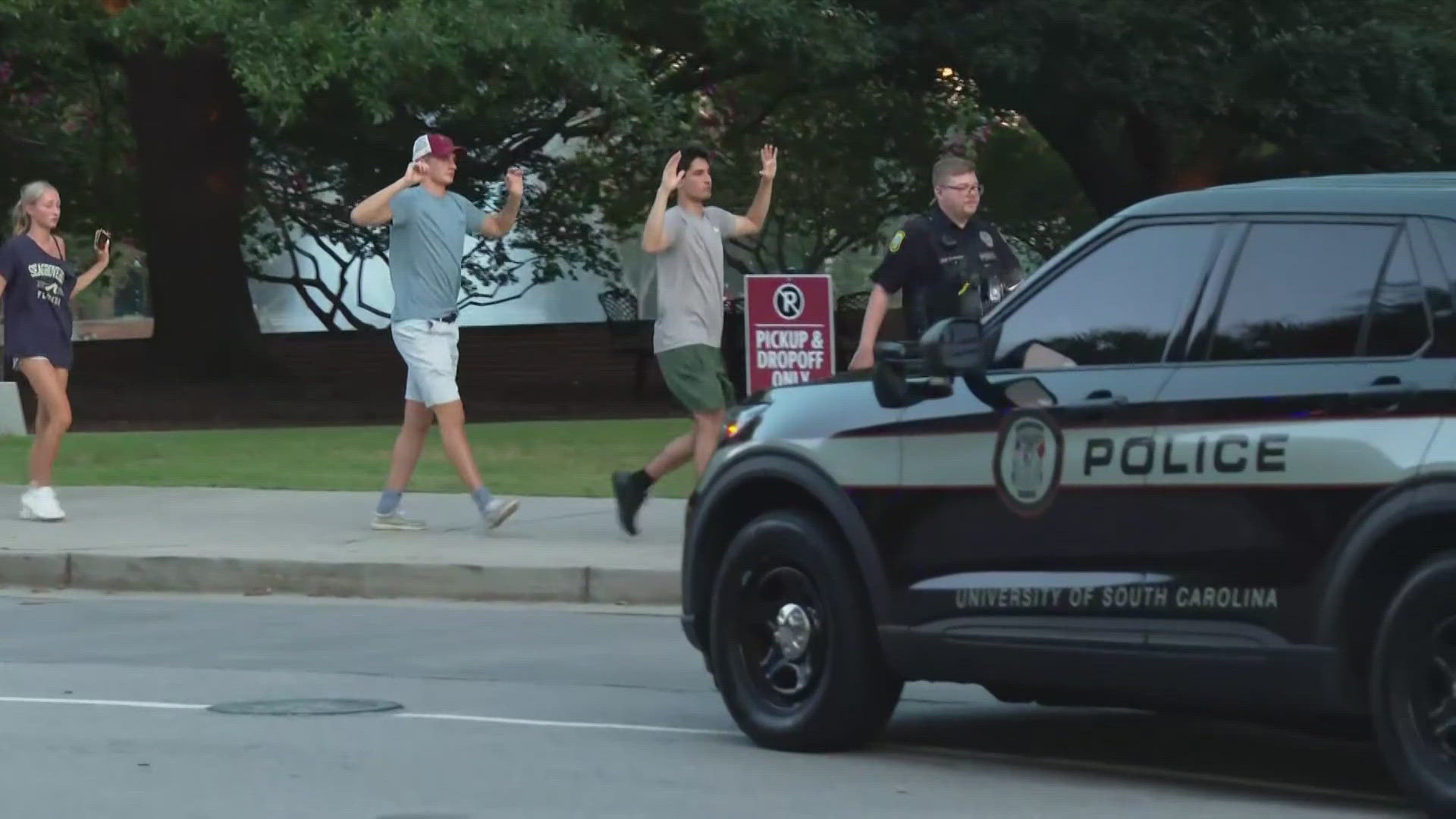
- Keep Your Hands Visible: When exiting the building, keep your hands empty and raised. Law enforcement officers entering the scene are looking for threats; do not give them any reason to mistake you for an aggressor.
- Help Others if Possible: If you can assist others without slowing your escape, do so. However, do not stay behind because others are hesitant.
Hide: Creating a Fortified Position
If evacuation is not possible, find a place to hide where the shooter is less likely to find you or where you can create a barrier.
- Lock and Blockade: Lock the door immediately. In 2026, most South Carolina classrooms have been retrofitted with "intruder locks" that can be engaged from the inside without a key. Use heavy furniture—desks, filing cabinets, or bookshelves—to barricade the door.
- Silence All Devices: This includes turning off the vibrate function on your smartphone. In a quiet hallway, the buzz of a notification can alert an intruder to your presence.
- Stay Out of Sight: Move away from windows and doors. Sit on the floor against a wall that is not directly visible through a door's vision panel.
- Remain Calm and Quiet: Do not scream or make noise that could draw attention to the room.
Fight: The Last Resort
Fighting is only an option when your life is in imminent danger and you cannot run or hide. This is a commitment to incapacitate the shooter.
- Act with Aggression: If you must fight, do so with total commitment. Use whatever is available as a weapon: fire extinguishers, chairs, heavy books, or pens.
- Work as a Group: If there are others in the room, develop a plan. Divert the shooter's attention from multiple angles to overwhelm them.
- Aim for Vulnerable Areas: Focus on the eyes, throat, and groin to maximize the impact of your resistance.
University-Specific Emergency Systems in South Carolina
Every major university in South Carolina utilizes a proprietary emergency notification system. These systems are designed to deliver real-time information via SMS, email, and social media. In 2026, these systems have been upgraded to include "Desktop Override," which pushes alerts directly to the screens of all university-managed computers.
| University | Alert System Name | Primary Features (2026) | Required Action |
|---|---|---|---|
| Univ. of South Carolina | Carolina Alert | SMS, Email, Digital Signage, Desktop Alerts | Register mobile number via Self-Service Carolina. |
| Clemson University | CU Safe Alert | App-based (Rave), Siren System, Social Media | Download the Rave Guardian app and enable location. |
| College of Charleston | Cougar Alert | Multi-modal text/voice, Outdoor Warning System | Update emergency contact info in MyCharleston. |
| Coastal Carolina | CCU Alert | SMS, Email, Voice, Campus-wide Public Address | Opt-in through the student/staff portal. |
| Winthrop University | WU Alert | SMS, Email, Internal VoIP Phone Broadcast | Verify contact data in the Wingspan portal. |
| SC State University | Bulldog Alert | Text, Email, Campus Radio Override | Enroll through the University Police portal. |
Registration for these systems is typically mandatory or highly encouraged. In 2026, "geo-fencing" technology allows campus police to send hyper-local alerts. For instance, if an incident is confined to the Darla Moore School of Business at USC, specific instructions can be sent to those known to be in that vicinity.
Preventive Measures and Mental Health Resources
The "latest news" in campus safety for 2026 isn't just about tactical response; it is about the expansion of Behavioral Intervention Teams (BIT). South Carolina universities have recognized that most campus shooters show signs of distress or "path to violence" behaviors long before an attack.
- See Something, Say Something: This phrase remains vital. Many institutions now offer anonymous reporting apps where students can flag concerning social media posts or erratic behavior without fear of social retaliation.
- Mental Health Access: Under 2026 state guidelines, SC universities have increased the ratio of counselors to students. Accessing these resources is a proactive safety measure.
- Training and Drills: Participation in active shooter drills, though stressful, builds "muscle memory." Many campuses now use virtual reality (VR) modules to train students on evacuation routes and barricading techniques.
Tactical Tech and Campus Hardening in 2026
South Carolina has invested heavily in campus "hardening"—the physical security of buildings. In 2026, several key technologies have become standard across the state's higher education system:
- Electronic Access Control (EAC): Most buildings now require a student or staff ID card for entry at all times, not just after hours. This allows security to instantly "lock down" an entire campus with a single command, disabling all external entry points while allowing exit.
- Shot Detection Systems: Advanced acoustic sensors are installed in high-traffic areas like student unions and stadiums. These sensors can identify the sound of a gunshot and automatically notify campus police of the exact floor and room number within seconds.
- Enhanced Camera Analytics: AI-integrated surveillance systems can now detect the presence of a firearm in a person's hand and trigger an immediate alert to the dispatch center, often before a shot is even fired.
- Bleeding Control Kits: Known as "Stop the Bleed" stations, these kits are now located next to Automated External Defibrillators (AEDs) in South Carolina university buildings. They contain tourniquets and hemostatic gauze to treat life-threatening injuries before paramedics can enter a secured scene.
Post-Incident Procedures and Recovery
Survival is the first step, but the aftermath of a campus emergency requires a different set of protocols. South Carolina's 2026 recovery framework focuses on reunification and psychological support.
- Reunification Centers: If a campus is evacuated, authorities will designate specific reunification centers. Do not return to your dorm or vehicle until cleared by law enforcement. Check official university social media accounts for the location of these centers.
- Evidence Preservation: If you were in a room where an incident occurred, do not move anything. Your statements and the physical state of the room are vital for the subsequent investigation by SLED and the FBI.
- Psychological First Aid: The trauma of an active shooter event is profound. South Carolina universities provide immediate and long-term trauma counseling. In 2026, these services often include "tele-health" options to ensure students who go home to recover still have access to campus resources.
FAQs: South Carolina University Safety
What is the very first thing I should do if I hear gunshots on campus?
Immediately assess your surroundings and determine the distance of the sound. If the shots sound distant and you have a clear exit, run away from the sound. If the shots are close, immediately enter the nearest room, lock the door, and barricade it. Do not pull the fire alarm, as this may lead people into the hallways where they are more vulnerable.
Can I carry a concealed weapon on a South Carolina university campus for protection?
In 2026, South Carolina law generally prohibits the carrying of firearms on university property by students or the general public, even with a Concealed Weapons Permit (CWP), unless specifically authorized (such as law enforcement). Always check the latest South Carolina Code of Laws and specific university policies, as violation is a felony.
How do I know if an alert I received is real or a drill?
In South Carolina, emergency alert systems are required to explicitly state "TEST" or "DRILL" if the message is not for a real emergency. If the message does not contain these words, treat the situation as an active threat and follow the instructions provided in the alert immediately.
What should I do if I am in an open area like a quad or a dining hall?
Open areas are the most difficult to secure. Look for the nearest "hard" structure—a brick building or a room with a locking door. If no structure is available, look for "concealment" (things that hide you, like bushes) or "cover" (things that stop bullets, like concrete walls or thick trees). If you are caught in the open with no cover, lie flat on the ground and stay still until you can move to a safer location.
Does the university track my location through safety apps?
Most safety apps, like Rave Guardian used by several SC schools, only track your location if you activate an emergency "blue light" button or a "virtual walk" timer. In 2026, privacy protocols ensure that constant tracking is not active unless an emergency signal is sent by the user.
Strategic Recommendations for Students and Faculty
To maximize your safety on a South Carolina campus in 2026, adopt a proactive mindset. This does not mean living in fear, but rather being prepared.
- Conduct a Personal Safety Audit: Spend 15 minutes in each of your regular classrooms identifying the best barricade materials and the fastest exit routes.
- Download and Configure Apps: Do not wait for an emergency to download your university's safety app. Ensure your contact information is updated in the university portal every semester.
- Learn Basic First Aid: Knowing how to apply a tourniquet can save a life. Many SC universities offer free "Stop the Bleed" training sessions throughout the year.
- Trust Your Instincts: If a situation or an individual's behavior feels "off," report it to campus security. The Behavioral Intervention Teams are there to help people before they reach a breaking point.
The safety of South Carolina’s higher education institutions is a shared responsibility. By staying informed of the latest news and mastering the technical aspects of emergency response, members of the university community can contribute to a more secure environment for everyone.