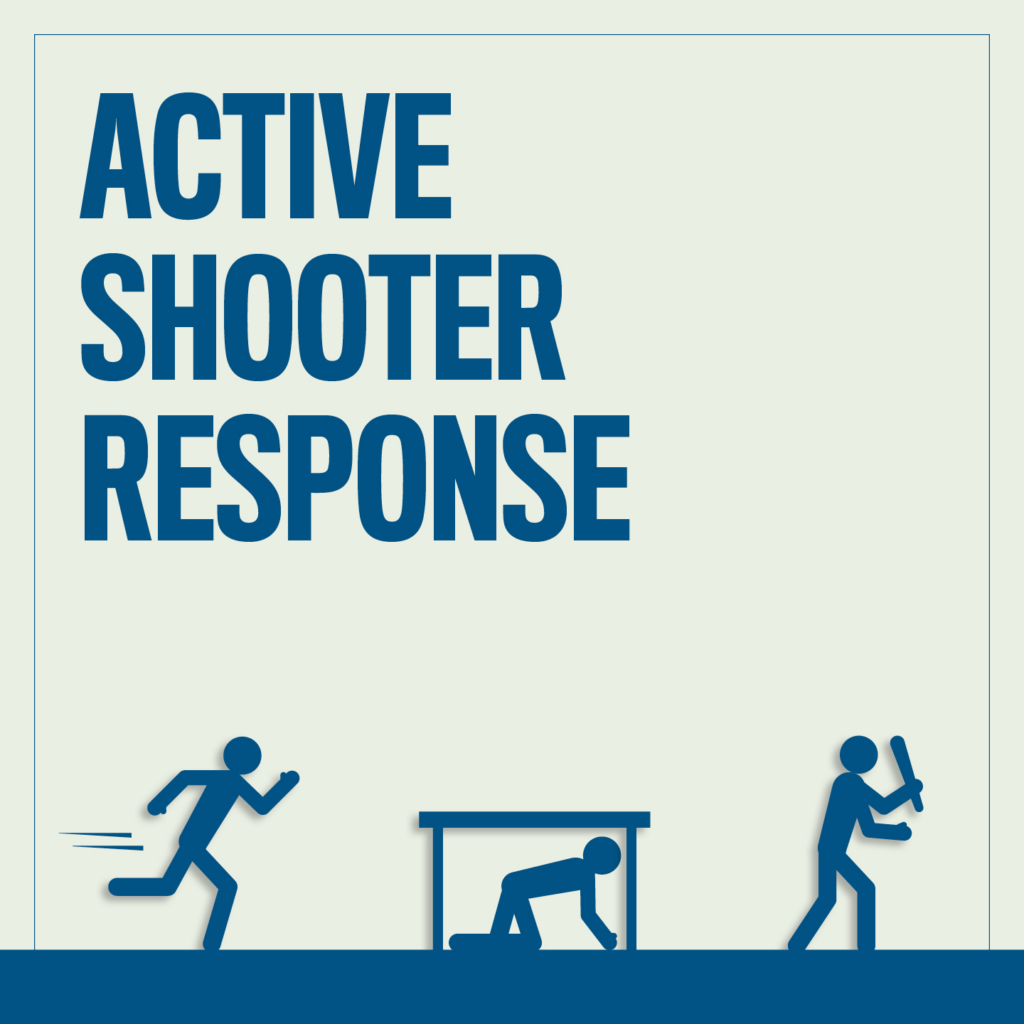
An active shooter is an individual actively engaged in killing or attempting to kill people in a confined and populated area. The primary response protocol—Run, Hide, Fight—emphasizes immediate action: evacuating if possible, hiding if not, and fighting as a last resort to incapacitate the shooter and survive the encounter.
Defining the Active Shooter Profile and Incident Dynamics
Understanding the nature of an active shooter incident is the first step toward effective preparation. Unlike other forms of workplace violence or criminal activity, active shooter situations are characterized by their rapid evolution and high intensity. According to the Federal Bureau of Investigation (FBI), these incidents often conclude within 10 to 15 minutes, frequently before law enforcement can arrive on the scene. This timeline necessitates that individuals present at the start of the event are prepared to make life-saving decisions independently.
In 2026, data-driven analysis continues to show that there is no single "profile" for a perpetrator. However, many shooters exhibit "pathway to violence" behaviors, such as sudden shifts in performance, increased grievances, or an obsession with previous mass casualty events. The objective of an active shooter is typically not robbery or hostage-taking but the maximization of casualties. Because the situation is fluid and unpredictable, predefined "safe zones" may become compromised, requiring individuals to maintain constant situational awareness.
The technical definition excludes incidents involving gang violence, drug-related shootings, or residential disputes, focusing instead on public or semi-public spaces like offices, schools, and transportation hubs. Recognizing the sound of gunfire—often described as sounding like firecrackers or heavy rhythmic thumping—is a critical survival skill, as delay in recognition is a leading factor in civilian casualties.
Immediate Response Strategies: Run, Hide, Fight
The Run, Hide, Fight framework, developed by the City of Houston and endorsed by the Department of Homeland Security (DHS), remains the gold standard for civilian response in 2026. This tiered approach is designed to be memorable under extreme stress.
Run (Evacuate)
If there is an accessible escape path, your primary objective is to evacuate the premises. This is the most effective way to ensure survival.
- Have an escape route and plan in mind: Do not rely on your daily entrance; look for fire exits, service hallways, or windows.
- Evacuate regardless of others: While you should encourage others to follow, do not let their indecision or "freezing" response delay your movement.
- Leave your belongings behind: Purses, laptops, and bags slow you down and can snag on obstacles.
- Keep your hands visible: When exiting the building, keep your hands empty and raised to show responding officers you are not a threat.
Hide (Barricade)
If evacuation is impossible or the shooter's location is unknown but nearby, you must find a place to hide where the shooter is less likely to find you.
- Hide in an area out of the shooter's view: Ideally, a room with a locking door.
- Provide protection from shots fired: Understand the difference between concealment (hides you from view) and cover (stops bullets). Thick walls, heavy filing cabinets, or engine blocks provide cover.
- Blockade the entry: Use heavy furniture to barricade the door. In 2026, many facilities use specialized door-locking devices, but manual barricading remains a core requirement.
- Silence your electronics: Turn off cell phone ringers and vibration functions. A vibrating phone on a hard floor can alert a shooter to your presence.
Fight (Incapacitate)
As a final resort, and only when your life is in imminent danger, you must attempt to disrupt or incapacitate the active shooter.
- Act with physical aggression: There is no room for hesitation. Commit to your actions.
- Use improvised weapons: Fire extinguishers, chairs, heavy staplers, or scissors can be used to strike or distract the attacker.
- Coordinate with others: If multiple people are in the room, develop a plan to swarm the attacker from different angles.
Organizational Preparedness and Emergency Action Plans
For businesses, schools, and government agencies, preparedness is a legal and ethical imperative. Under OSHA guidelines, employers have a "general duty" to provide a safe workplace, which in 2026 includes planning for hostile events. The cornerstone of this preparation is the Emergency Action Plan (EAP).
An effective EAP must be site-specific. It should include floor plans that identify "safe rooms" and evacuation routes, as well as clear protocols for alerting everyone in the building. Modern systems often include "push" notifications to smartphones, automated PA announcements, and visual strobes. Training must occur at least annually to move the response from cognitive memory to "muscle memory."
Furthermore, organizations should invest in Stop the Bleed training and kits. In an active shooter event, the primary cause of preventable death is hemorrhage. Providing trauma kits containing CAT (Combat Application Tourniquets) and hemostatic gauze throughout a facility can save lives during the "gap time" between the shooting and when paramedics are cleared to enter the scene.
| Response Phase | Primary Objective | Key Actions | Essential Equipment/Tools |
|---|---|---|---|
| Run | Increase distance from threat | Evacuate, leave bags, keep hands visible | Known exit routes, emergency lighting |
| Hide | Avoid detection and entry | Lock/barricade doors, silence phones, stay low | Door wedges, heavy furniture, cover |
| Fight | Neutralize the threat | Act with aggression, swarm, use improvised tools | Fire extinguishers, blunt objects, teamwork |
| Recovery | Life safety and stabilization | Apply tourniquets, assist police, mental health | Trauma kits (Stop the Bleed), EAP |
Law Enforcement and First Responder Interactions
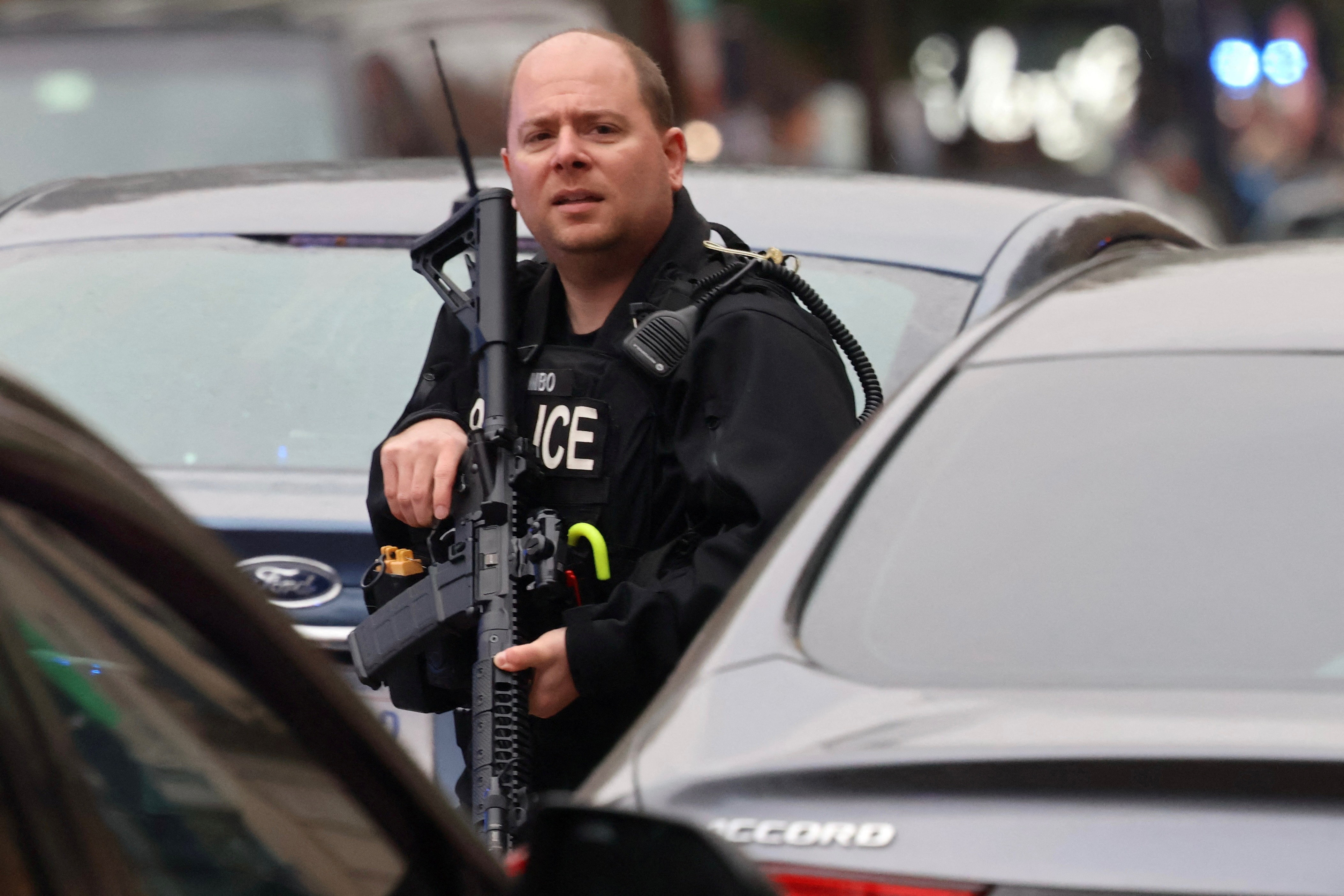
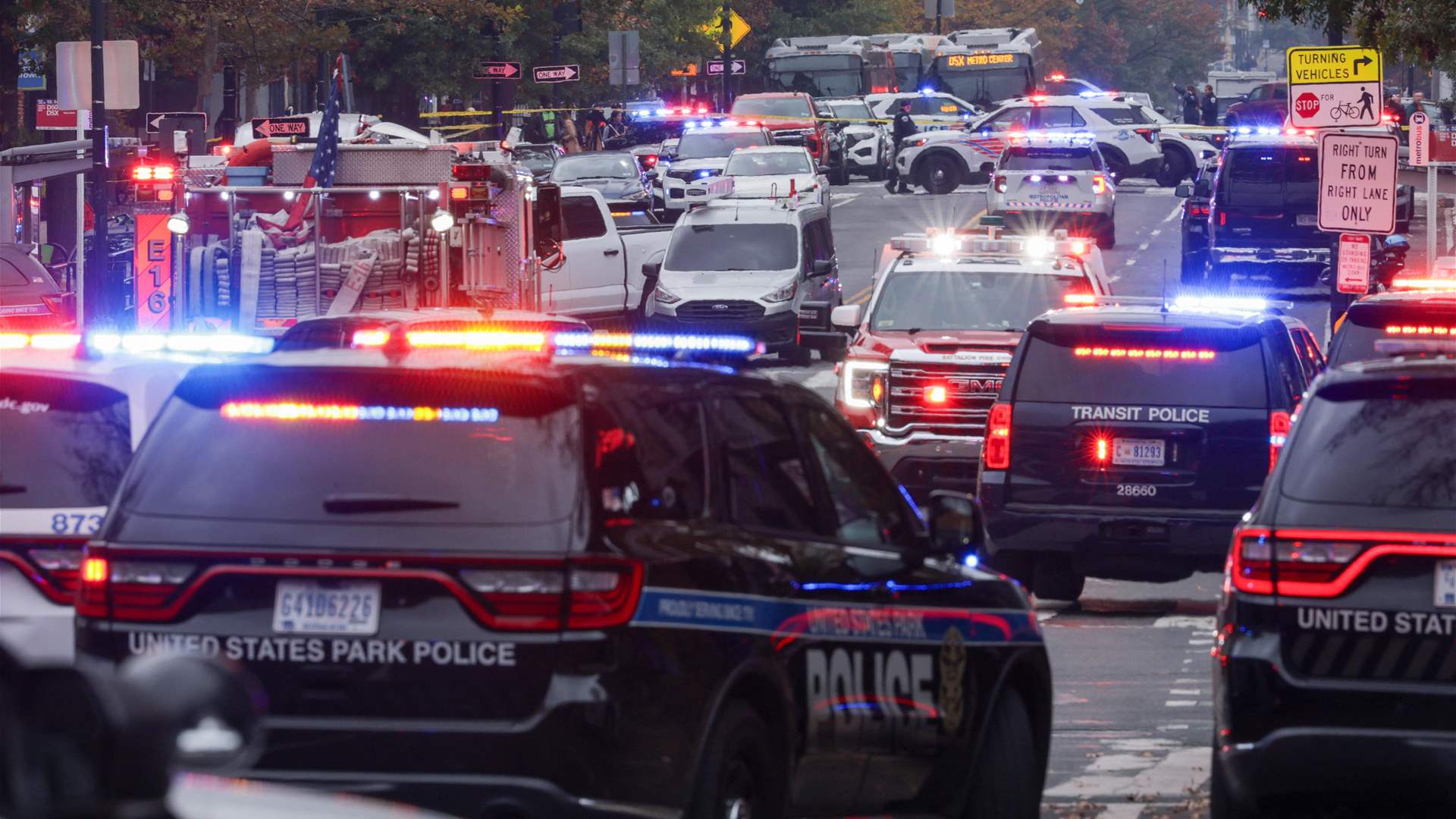
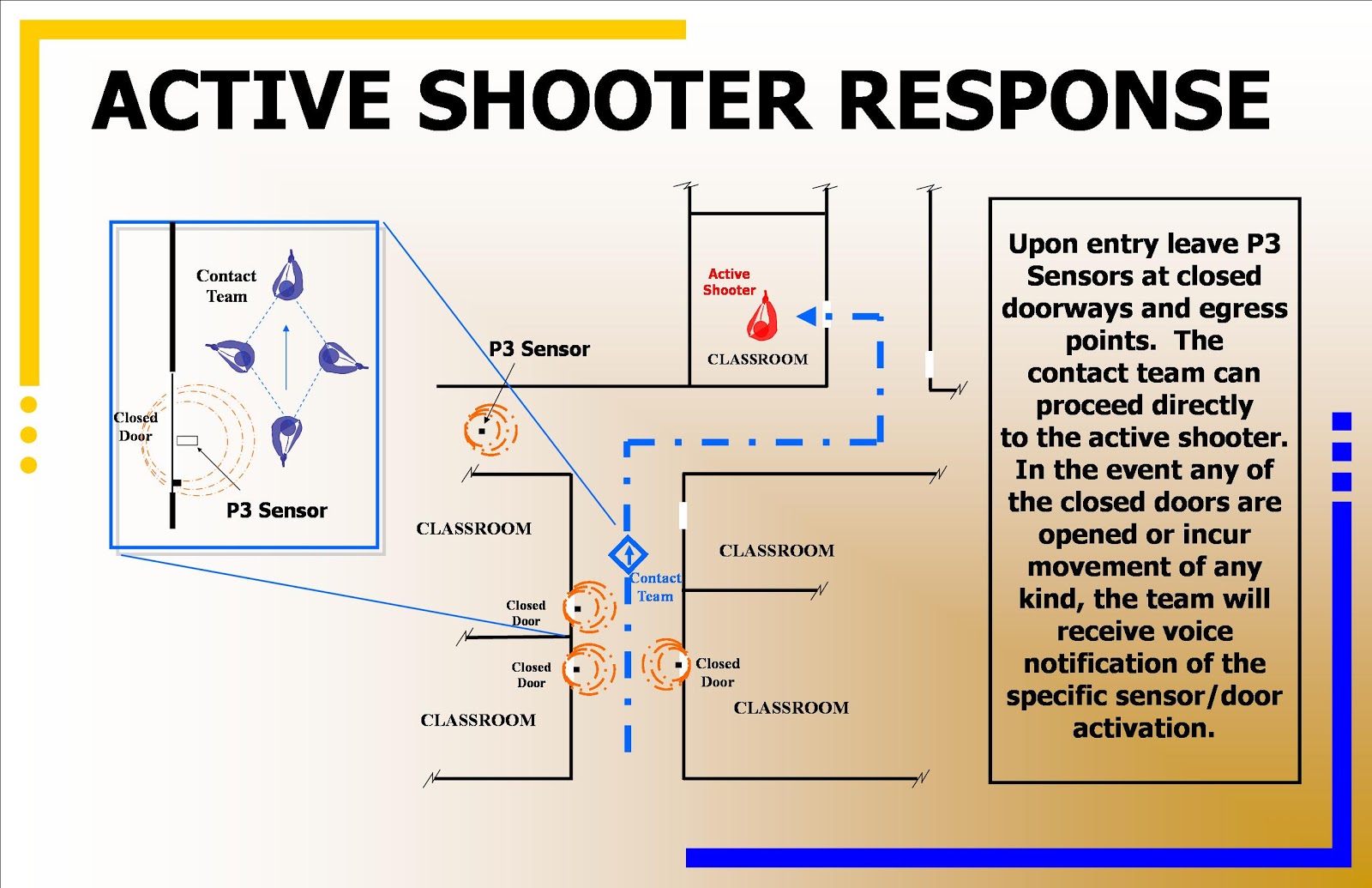
The primary goal of law enforcement upon arrival is to stop the active shooter as soon as possible. Officers will proceed directly to the area where the last shots were heard. Understanding their protocol helps prevent tragic misunderstandings.
In 2026, most jurisdictions utilize Contact Teams of one to four officers who will not stop to help injured persons. Their sole focus is the threat. Following the Contact Teams are Rescue Task Forces (RTFs), which consist of paramedics escorted by armed officers. These teams are the ones who will provide medical aid and evacuation for the wounded.
When law enforcement arrives:
- Remain calm and follow instructions.
- Put down any items in your hands.
- Immediately raise hands and spread fingers.
- Avoid making quick movements toward officers.
- Do not stop to ask officers for help or directions when evacuating.
Situational Awareness and Behavioral Indicators
Prevention is the most effective strategy for managing active shooter risks. Situational awareness—the practice of knowing what is happening around you—is a skill that can be developed. This involves identifying the nearest exits in any new environment and noting the location of fire extinguishers or heavy objects.
Beyond physical awareness, Threat Assessment Teams (TATs) within organizations are vital. These teams analyze "leakage," which occurs when a potential attacker shares their intent with others via social media, journals, or verbal threats. By intervening through mental health support, human resources, or legal channels before an individual reaches the "breach" point of their plan, many incidents can be prevented.
Educational institutions and workplaces in 2026 increasingly use the Standard Response Protocol (SRP) from the I Love U Guys Foundation, which provides a common language (Hold, Secure, Lockdown, Evacuate, Shelter) for students, staff, and first responders to ensure there is no confusion during an emergency.
Post-Incident Recovery and Trauma Management
The conclusion of the "hot zone" event is merely the beginning of a long recovery process. For survivors, the psychological impact can be profound, leading to Post-Traumatic Stress Disorder (PTSD) or other anxiety-related conditions. Organizations must have a plan for "psychological first aid."
Immediate post-incident actions include:
- Accountability: Establishing a designated assembly area to account for all employees or students.
- Notification: Managing the flow of information to families and the media to prevent the spread of misinformation.
- Site Preservation: The location is a crime scene. Nothing should be moved or cleaned until law enforcement provides clearance.
- Professional Counseling: Providing long-term access to trauma-informed care for all affected individuals.
Recovery also involves a "hot wash" or after-action review. This is a technical debrief where participants and leadership analyze what worked and what failed in the EAP. These insights are used to update protocols, improve physical security barriers, and enhance future training cycles.
FAQ
What should I do if I am in a room and can't lock the door?
If a door cannot be locked, you must use any available heavy objects to barricade it. This includes desks, filing cabinets, or even several chairs stacked together. If the door opens outward, use a belt or rope to secure the handle to a heavy piece of furniture or a structural point. The goal is to make your room look "hardened" so the shooter moves on to an easier target.
How do I know when it is safe to come out of hiding?
You should remain in your secure location until law enforcement or a known authority figure gives the "all clear." Police may enter the room using keys or by breaching the door. Always keep your hands visible and follow their commands immediately, as they may still be searching for multiple threats and will treat everyone as a potential suspect until cleared.
Is "Fight" always the last option?
Yes, "Fight" is considered the last resort because it carries the highest risk of injury or death. However, if you are cornered and have no way to run or hide, you must transition to this mindset immediately. Total commitment to the attack is necessary to disrupt the shooter's aim and physical control of their weapon.
Should I pull the fire alarm during an active shooter event?
Generally, you should NOT pull the fire alarm unless you see a fire. Pulling the fire alarm may cause people to flood into hallways and towards exits, potentially leading them directly into the path of the shooter. Modern protocols suggest using dedicated emergency notification systems that provide specific instructions for a "lockdown" rather than a fire evacuation.
Can I use my concealed carry weapon (CCW) during an incident?
If you are a CCW holder, you must be extremely cautious. Arriving law enforcement will not be able to distinguish you from the active shooter. If you choose to engage the threat, you risk being shot by responding officers or other armed citizens. If you have drawn your weapon, you should holster it or drop it the moment you hear or see law enforcement, and keep your hands empty and visible.
Recommendations for Immediate Action
To improve your personal and organizational safety profile, start with these three steps:
- Conduct a "Vulnerability Assessment": Walk through your primary workplace or school and identify at least two exit routes for every room you occupy. Note which rooms have locks and which would require barricading.
- Enroll in a Trauma Care Course: Visit the Stop the Bleed website to find a local course. Knowing how to pack a wound or apply a tourniquet is a life-saving skill applicable to many emergencies beyond active shooter events.
- Review the Official Resources: Familiarize yourself with the training materials provided by the FBI Active Shooter Resources and the DHS Ready.gov Active Shooter portal. These sites provide the most current government-verified guidelines and training videos.