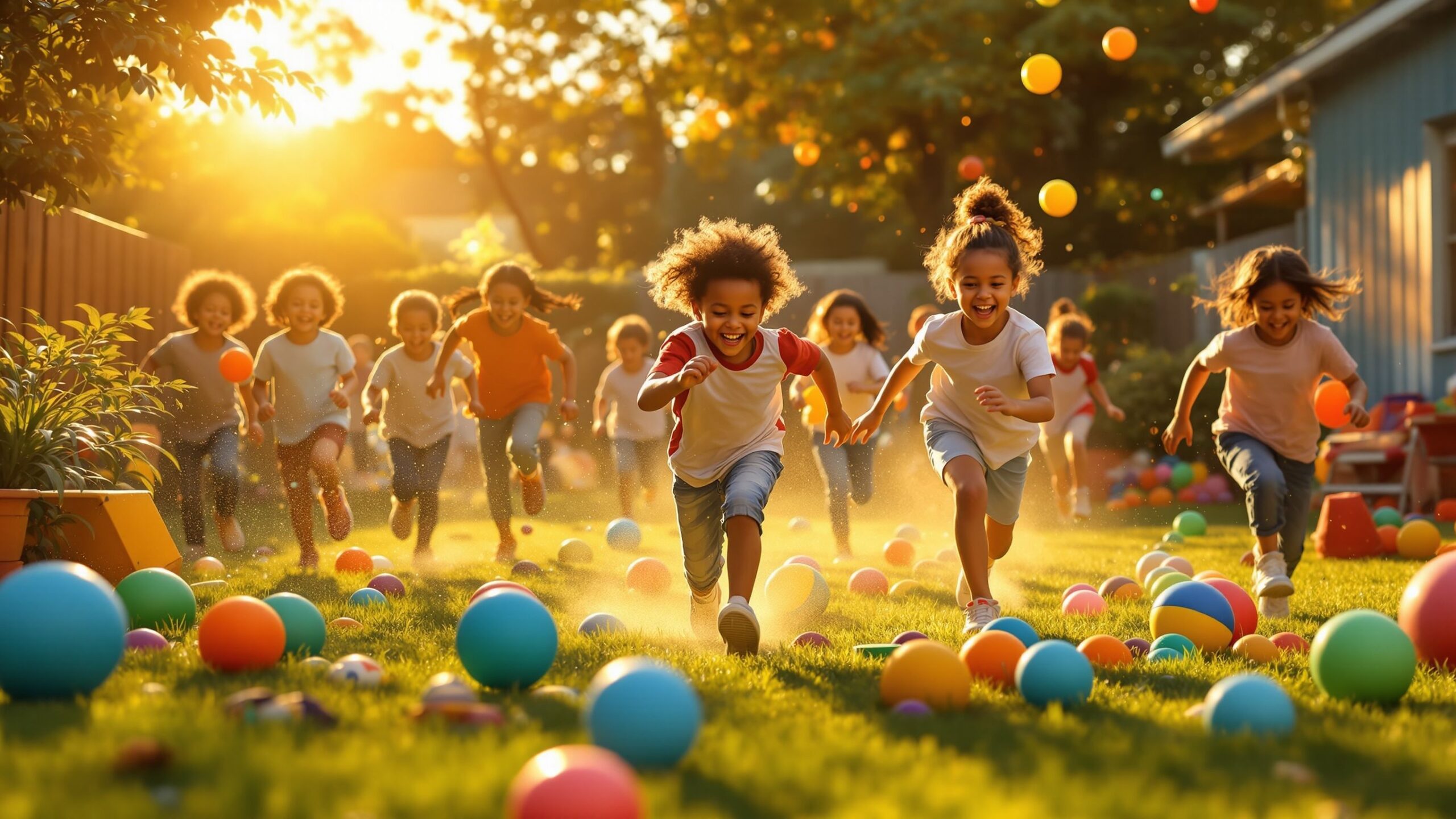
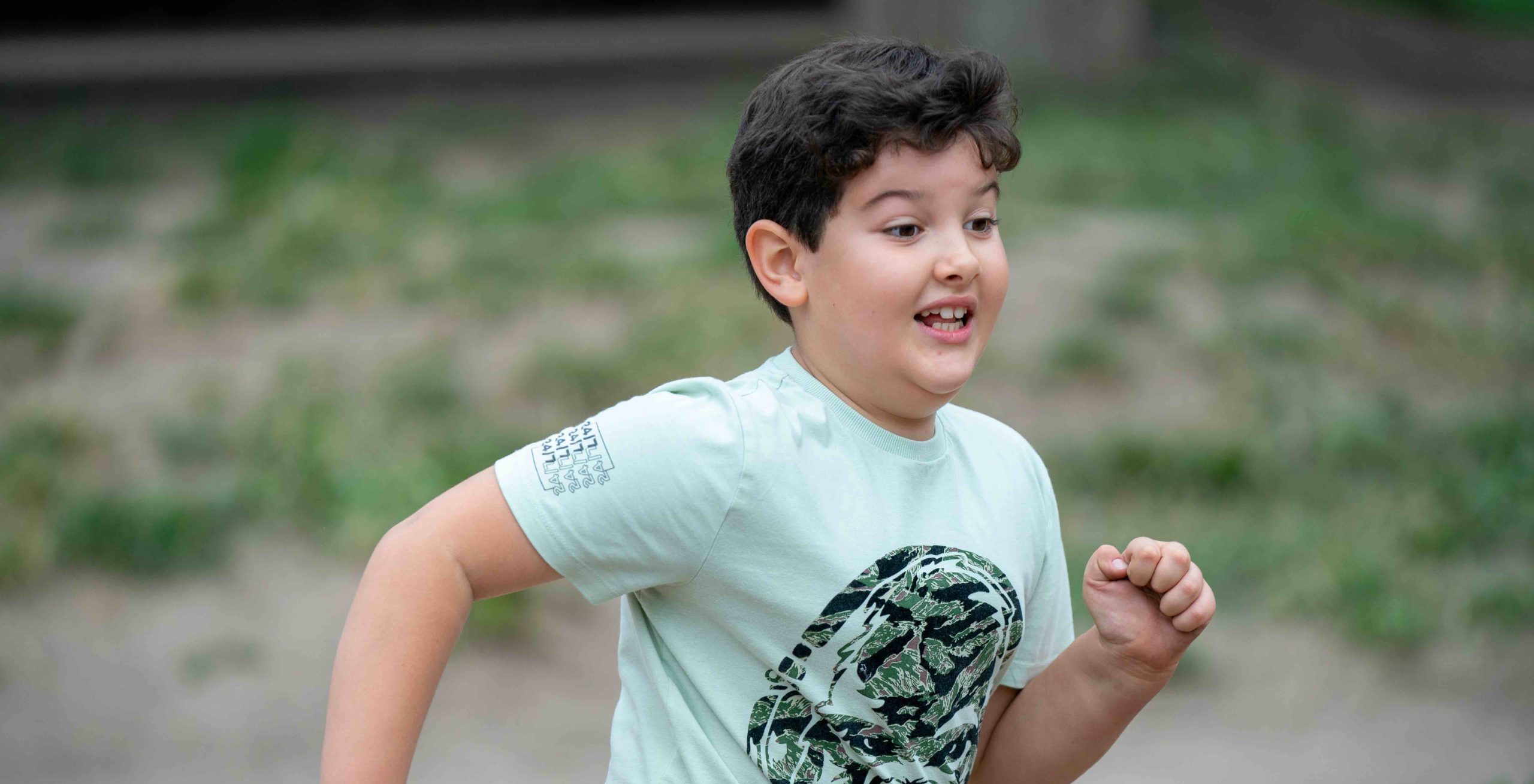
Active play refers to physical activity that involves gross motor movements, increases the heart rate, and is performed in a playful, often non-competitive context. Unlike sedentary leisure, active play integrates movement into the fabric of daily life, fostering physical health, cognitive development, and social-emotional resilience across all age groups, particularly during the formative years of childhood.
In 2026, the global understanding of health has shifted from a reactive model to a proactive, movement-centric approach. Active play is no longer viewed merely as an "extra" activity for the school playground; it is recognized as a fundamental biological necessity. Research from the World Health Organization (WHO) and various national pediatric associations continues to emphasize that the habits formed through active play are the single most significant predictors of lifelong cardiovascular health and metabolic stability.
To fully understand the scope of active play, one must examine its multi-dimensional impact on human development, the environmental factors that facilitate it, and the strategies for overcoming the sedentary barriers of the modern digital era.
The Fundamental Pillars of Active Play
Active play is categorized by its intensity, purpose, and level of organization. While the term often conjures images of children on a jungle gym, its scientific definition covers a broad spectrum of behaviors that engage the body's major muscle groups.
Physical and Physiological Development
The primary benefit of active play is the refinement of Fundamental Movement Skills (FMS). These include locomotor skills (running, hopping, sliding), stability skills (balancing, turning), and manipulative skills (throwing, catching, kicking). By 2026, clinical data has reinforced that children who master these skills through play are significantly more likely to remain physically active as adults.
Physiologically, active play strengthens the skeletal system by increasing bone density through weight-bearing activities. It also enhances cardiovascular efficiency and helps maintain a healthy Body Mass Index (BMI). Crucially, it improves neuroplasticity—the brain's ability to form new neural connections—by requiring the body to navigate complex physical environments in real-time.
Cognitive and Executive Function
Active play is often referred to as "brain building." When a child or adult engages in active play, they are constantly solving problems: "How do I climb this wall?" "How fast do I need to run to catch that ball?" This stimulates the prefrontal cortex, the area of the brain responsible for executive functions such as working memory, cognitive flexibility, and impulse control.
Studies published in 2025 and early 2026 have shown a direct correlation between frequent active play and improved academic performance. The increased blood flow to the brain during physical exertion elevates levels of brain-derived neurotrophic factor (BDNF), a protein that supports the survival of existing neurons and encourages the growth of new ones.
Social and Emotional Resilience
Active play provides a low-stakes environment for learning complex social hierarchies and emotional regulation. Whether it is a game of "Tag" or a recreational pickleball match, participants must negotiate rules, handle conflict, and manage the frustration of losing. This "risky play"—which involves elements of height, speed, or tools—is essential for developing a sense of agency and self-confidence. By navigating physical risks, individuals learn to assess their own capabilities and boundaries.
Developmental Stages and Age-Appropriate Activities
The nature of active play evolves as the human body matures. To maximize the benefits, activities should be tailored to the individual's developmental stage.
Early Childhood (Birth to 5 Years)
In the earliest years, active play is synonymous with sensory exploration. For infants, "tummy time" is the foundational active play that strengthens the neck and core. As toddlers begin to move, play shifts toward functional movement.
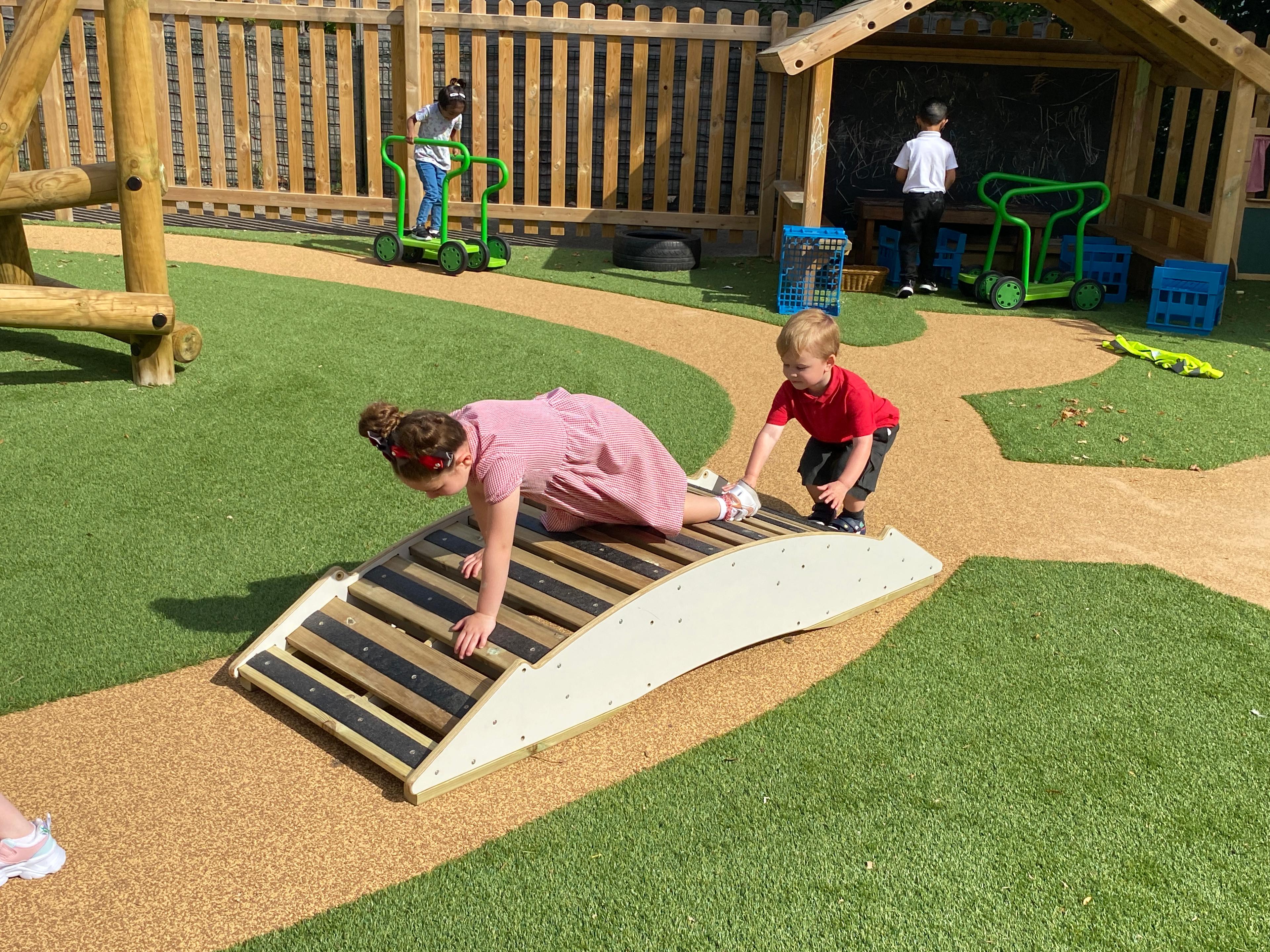
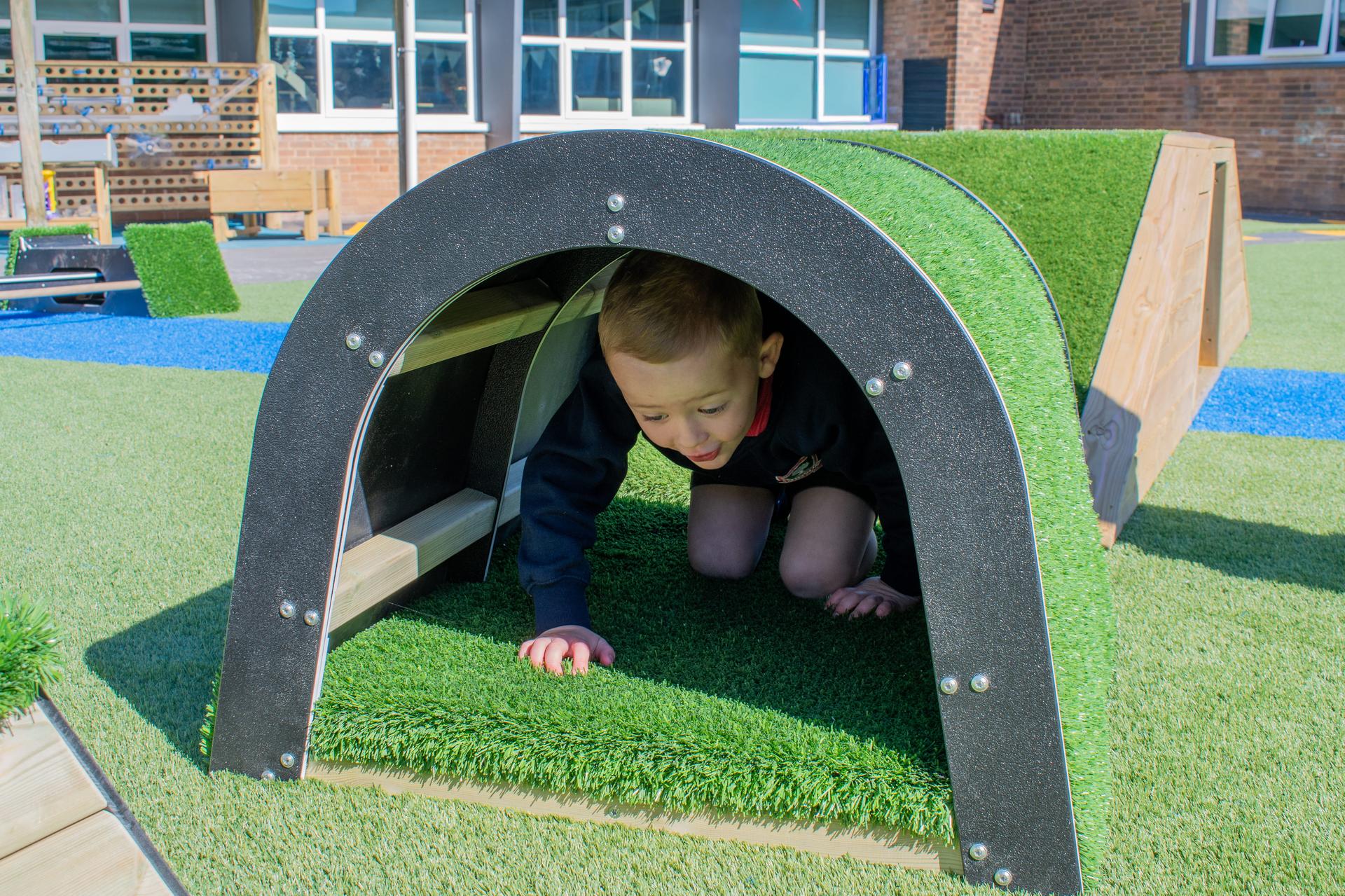
- Ages 1–2: Crawling through tunnels, pushing wagons, and simple dance.
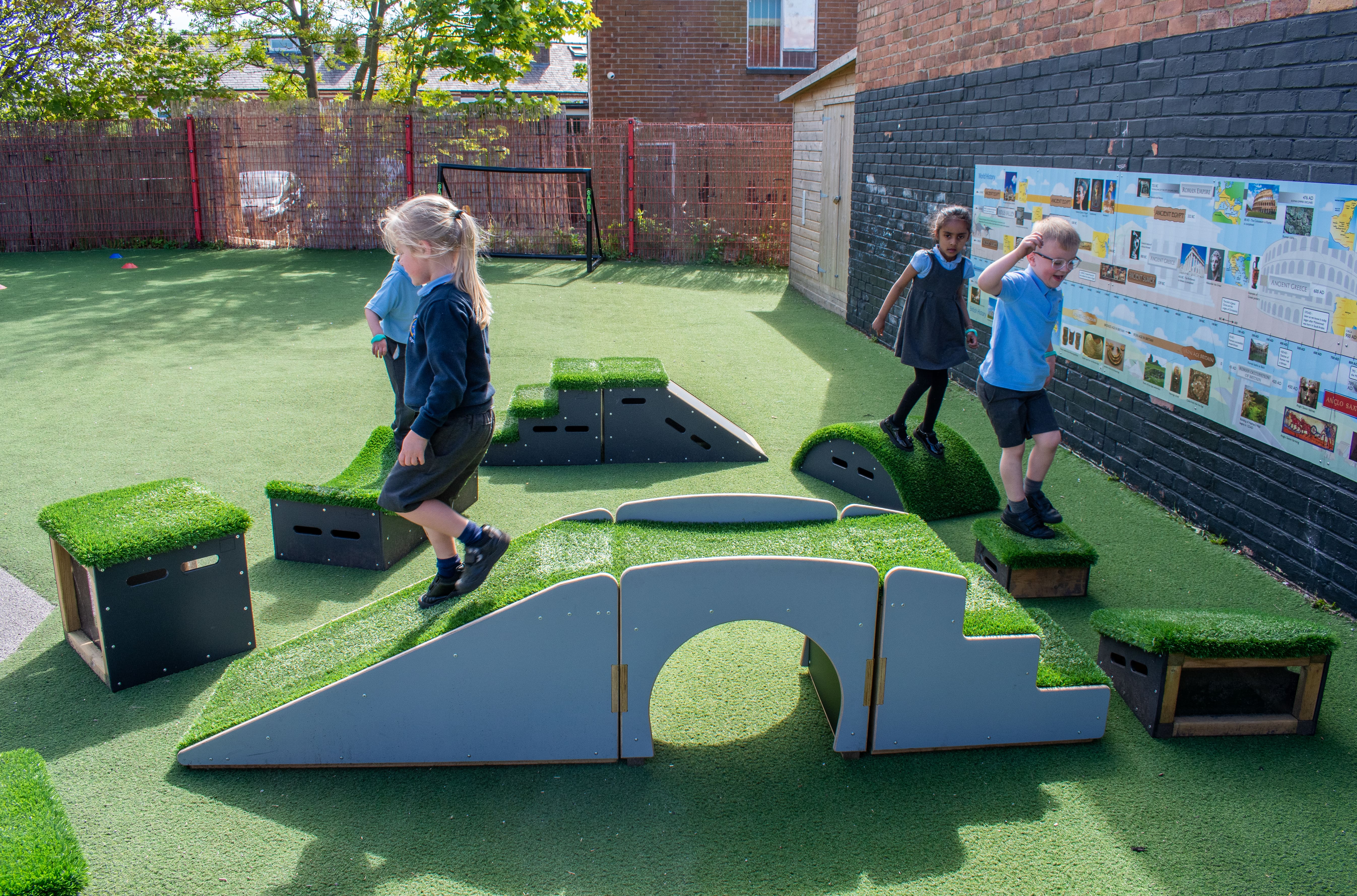
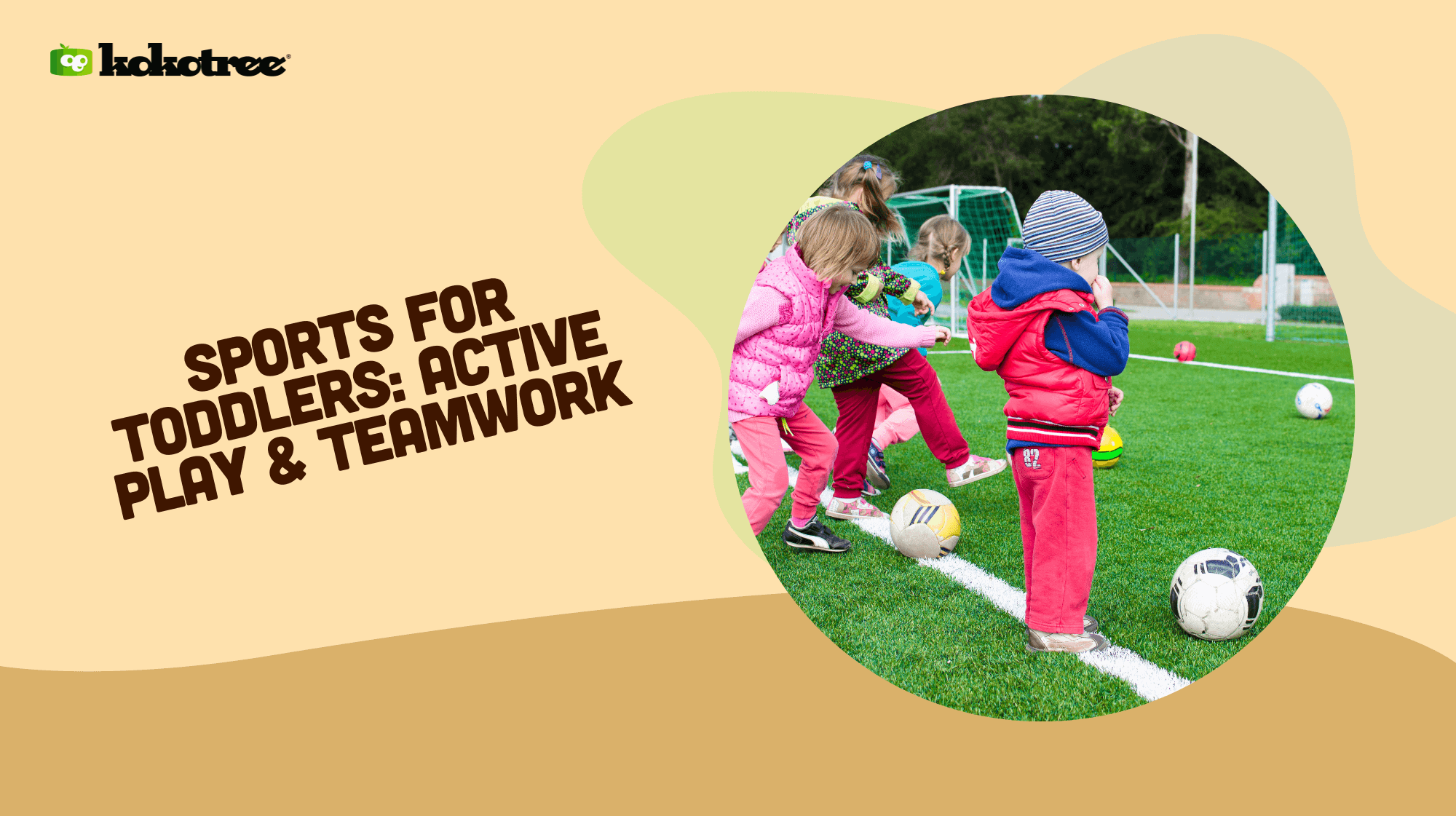
- Ages 3–5: Jumping, climbing on age-appropriate structures, and basic ball games. The focus here is on "discovery play," where the environment dictates the movement.
Middle Childhood (6 to 12 Years)
During these years, play becomes more structured but should remain largely intrinsic and fun. This is the peak period for developing FMS. Children begin to engage in "games with rules," which introduce the concepts of strategy and cooperation. Activities include biking, swimming, organized sports, and playground games like "Capture the Flag."
Adolescence and Adulthood
Active play in 2026 for older demographics often takes the form of "lifestyle sports" or recreational fitness that prioritizes social connection over elite competition. For adolescents, this might include skateboarding, parkour, or digital-physical hybrids like augmented reality (AR) outdoor games. For adults, active play is essential for stress reduction and maintaining mobility, often manifesting as hiking, community sports leagues, or "exergaming."
Structured vs. Unstructured Play: Finding the Balance
A critical debate in modern pedagogy and health is the balance between structured and unstructured active play. Both are necessary, but they serve different developmental purposes.
| Feature | Unstructured (Free) Play | Structured (Guided) Play |
|---|---|---|
| Definition | Child-led, spontaneous, no set goals. | Adult-led or rule-bound, goal-oriented. |
| Primary Benefit | Creativity, problem-solving, autonomy. | Skill acquisition, discipline, teamwork. |
| Example | Building a fort, exploring a woods. | Soccer practice, swimming lessons. |
| Risk Level | Often higher (encourages risk assessment). | Generally lower (supervised and controlled). |
| Cognitive Load | High (inventing rules/scenarios). | Moderate (following existing rules). |
In the current landscape of 2026, there is a renewed emphasis on unstructured play. After a decade of highly scheduled childhoods, experts are advocating for "boring time" that forces children to use their imagination to create active games. However, structured play remains vital for teaching technical skills—such as proper swimming form or cycling safety—that provide the "safety foundation" for free play.
Environmental Design for Active Engagement
The physical environment is the most significant facilitator of—or barrier to—active play. In 2026, urban planning and school design have begun to prioritize "playability."
The 15-Minute City and Playable Urbanism
The "15-minute city" concept ensures that every resident has access to high-quality green space and play areas within a short walk. This includes "playable sidewalks" with built-in textures and patterns that encourage jumping and balancing, and "pocket parks" that transform small urban lots into active hubs.
School Grounds and the "Loose Parts" Revolution
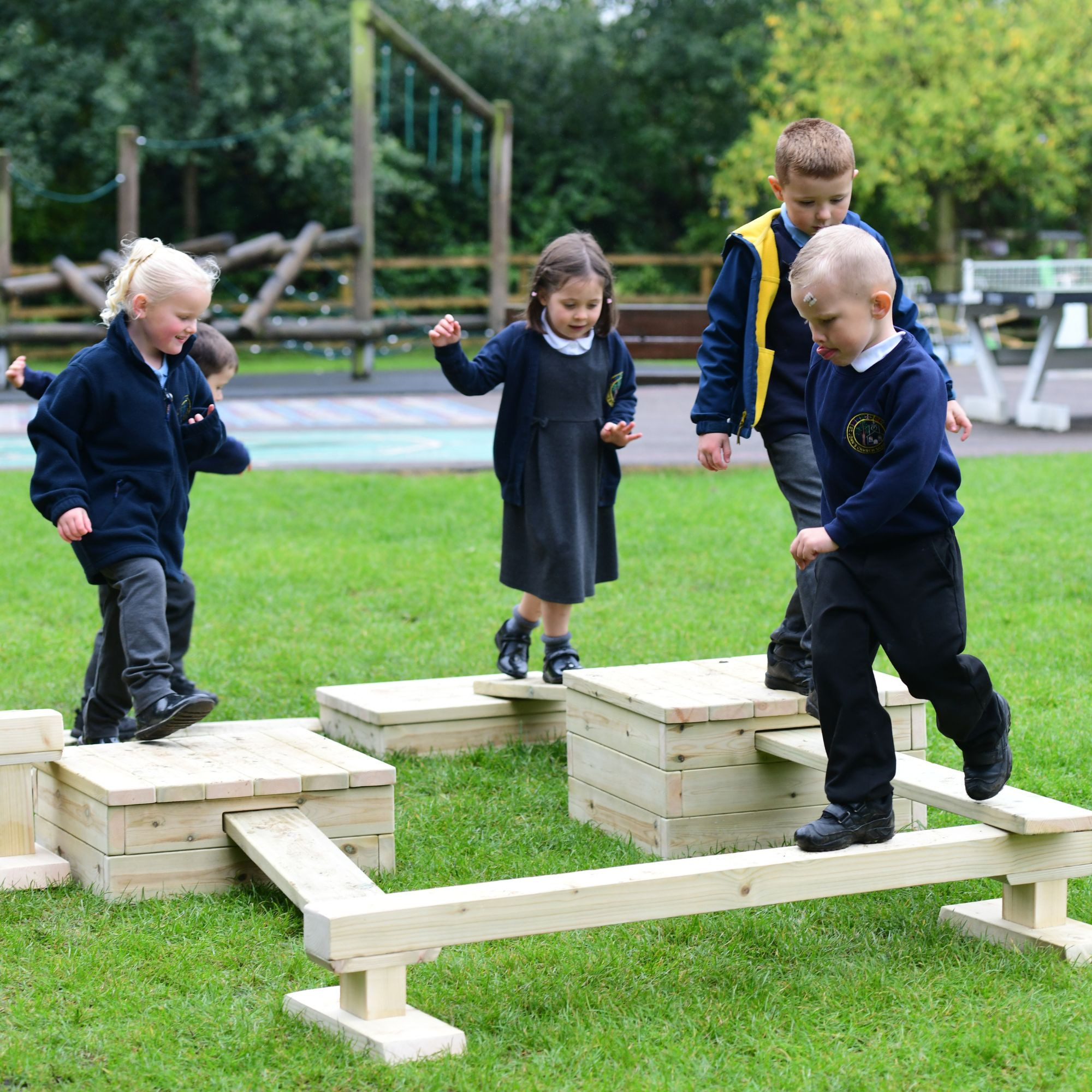
Forward-thinking educational institutions have moved away from static plastic playgrounds toward "loose parts" environments. By providing raw materials like tires, planks, crates, and ropes, schools encourage children to build their own play spaces. This not only increases physical activity but also fosters engineering mindsets and collaborative labor.
Indoor Integration
Recognizing that weather and urban density can limit outdoor access, indoor active play centers have evolved. These facilities often use sustainable materials and offer vertical play (climbing walls) to maximize movement in small footprints.
The Role of Technology in 2026 Active Play
While technology is often blamed for sedentary behavior, 2026 marks a turning point where "phygital" (physical + digital) play has become a tool for engagement.
Augmented Reality (AR) Play: High-tech "Tag" and scavenger hunt apps use AR to overlay digital challenges onto the physical world, requiring users to run, crouch, and navigate terrain to complete objectives. This has been particularly effective in engaging the "digital native" adolescent demographic who might otherwise avoid traditional sports.
Smart Playgrounds: Modern play structures are now often equipped with non-obtrusive sensors and interactive lighting that respond to movement. These systems can gamify the playground experience, setting challenges for speed or agility, which keeps children engaged for longer durations.
Wearable Integration: While controversial in some child-development circles, the use of simple activity trackers has allowed for "community challenges" where schools or neighborhoods compete for active play minutes, fostering a sense of collective achievement.
Overcoming Barriers to Movement
Despite the clear benefits, several factors continue to hinder active play. Addressing these requires a multi-faceted approach.
- Safety Concerns: "Helicopter parenting" can lead to the elimination of all perceived risks, resulting in sanitized play environments that fail to challenge the participant. The 2026 guidelines from the National Wildlife Federation suggest that "risky play" is actually a safety feature, as it teaches children how to fall and how to judge their own limits.
- Screen Addiction: The "attention economy" remains a powerful force. Families are encouraged to implement "Active First" policies, where screen time is earned through physical play, rather than being the default activity.
- Space Inequity: Access to safe, clean active play spaces is often divided along socioeconomic lines. Advocacy for "shared-use agreements"—where school facilities are opened to the public after hours—is a key strategy for addressing this gap.
Frequently Asked Questions
How much active play do children need daily?
According to current 2026 health guidelines, children and adolescents should engage in at least 60 minutes of moderate-to-vigorous physical activity daily. For toddlers and preschoolers, the recommendation is even higher: at least 180 minutes of movement of any intensity spread throughout the day, with at least 60 minutes being energetic play.
Can active play replace traditional PE in schools?
Active play and Physical Education (PE) are complementary but serve different roles. PE provides the curriculum-based instruction for skills and fitness, whereas active play allows for the spontaneous application of those skills. A balanced school day requires both structured instruction and the freedom of recess-based active play.
What is "risky play" and is it safe?
Risky play involves activities that provide a thrill or involve a risk of physical injury (like climbing high or using a hammer). In 2026, developmental psychologists argue that this is essential for building "risk competence." When children are denied the chance to experience small, managed risks, they are often less prepared for major risks later in life.
How can I encourage active play in a small apartment?
Indoor active play can be facilitated through verticality and creativity. Items like masking tape can create "floor mazes" or "hopscotch" grids. Yoga, dance parties, and indoor-safe equipment like soft foam blocks or climbing triangles (Pikler triangles) allow for gross motor engagement in confined spaces.
Does active play have benefits for seniors?
Absolutely. For seniors, active play—often referred to as "recreational mobility"—is vital for maintaining balance, preventing falls, and combating cognitive decline. Activities like lawn bowling, water aerobics, or even interactive VR sports provide the physical and social stimulation necessary for healthy aging.
Implementing a Movement-First Lifestyle
To effectively integrate active play into daily life, focus on consistency rather than intensity. Start by auditing the "sedentary defaults" in your environment—such as the layout of your living room or the route to school—and identify opportunities for movement.
The next step is to prioritize "green time" over "screen time." Spending just 20 minutes in a natural environment significantly increases the likelihood of spontaneous active play. For parents and educators, the most powerful tool is modeling behavior: when adults treat movement as a joyful, playful activity rather than a chore or "exercise," children are more likely to adopt a lifelong affinity for active play.