Active noise cancelling (ANC) is an advanced audio technology that uses integrated microphones and sophisticated algorithms to neutralize ambient sounds. By generating an "anti-noise" signal—a sound wave exactly 180 degrees out of phase with the background noise—it creates destructive interference that effectively silences external distractions before they reach the listener's eardrums.
The Physics of Silence: How Active Noise Cancelling Works
To understand active noise cancelling, one must first understand the wave-like nature of sound. Sound travels through the air as pressure waves consisting of peaks (compression) and troughs (rarefaction). When two sound waves meet, they interfere with one another. If the peaks and troughs of two identical waves align, they amplify the sound; this is known as constructive interference. However, if a device can generate a secondary wave where the peak corresponds exactly to the trough of the original wave, the two waves cancel each other out. This is destructive interference.
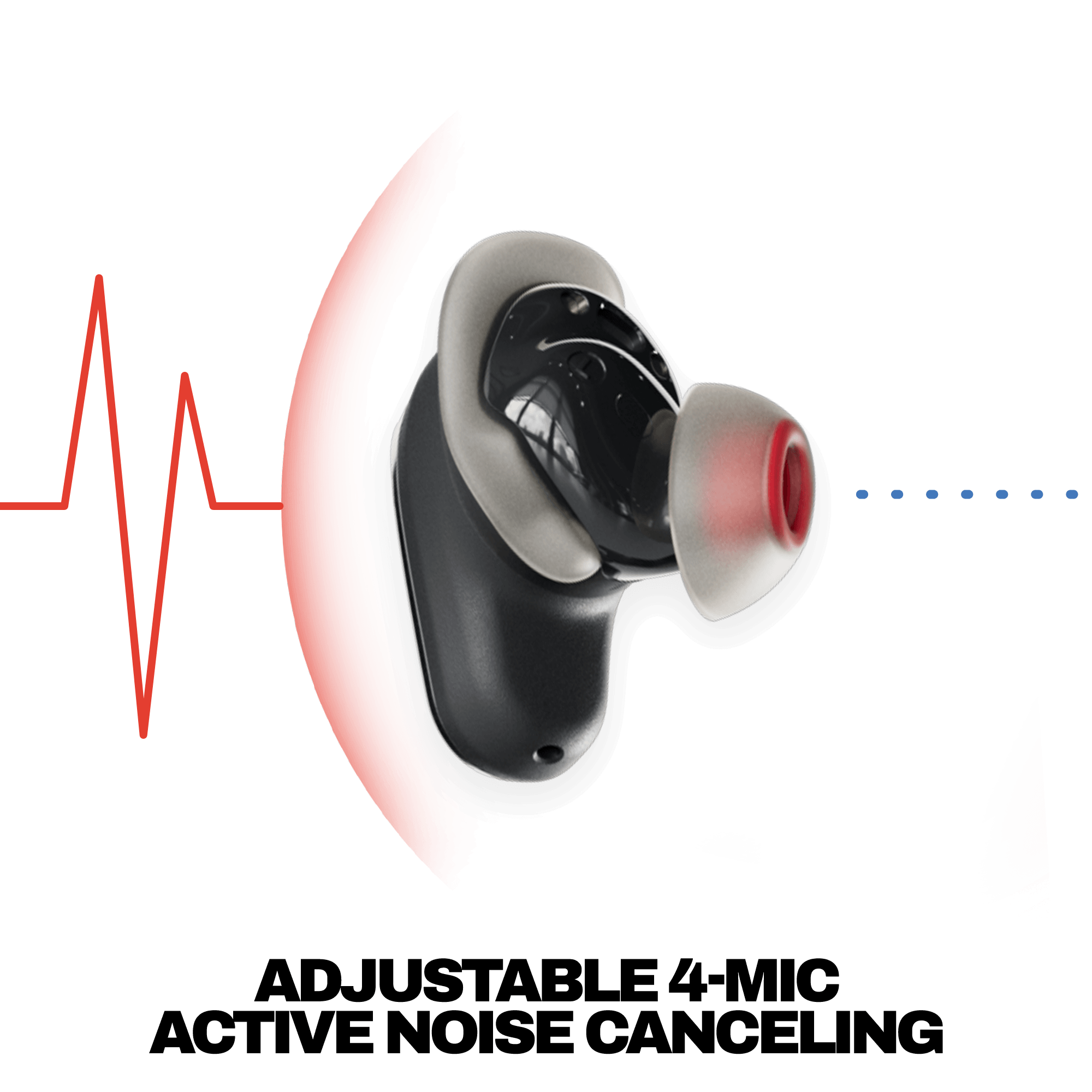
In a modern 2026 ANC system, this process happens in microseconds. The hardware consists of three primary components: the sensing microphone, the ANC chipset (digital signal processor), and the speaker driver. The microphone captures the ambient noise, the processor analyzes the waveform and calculates the inverse "anti-noise," and the driver plays this anti-noise along with your music.
The effectiveness of this technology is largely dependent on the frequency of the noise. Lower frequencies, such as the constant drone of an airplane engine or a hum of an air conditioner, have longer wavelengths that are easier for processors to predict and counteract. Higher-pitched, erratic sounds—like a sudden shout or a clattering keyboard—are significantly more difficult to cancel because their wavelengths are short and their patterns are unpredictable, often requiring the hardware to rely more on passive isolation than active electronic cancellation.
Architectural Variations: Feedforward, Feedback, and Hybrid ANC
Not all active noise cancelling systems are designed the same way. The placement of the sensing microphones dictates how the system perceives noise and how accurately it can correct it. Manufacturers generally use one of three architectures:
Feedforward ANC
In a feedforward system, the microphone is placed on the outside of the ear cup or earbud. This allows the system to "hear" the noise before the user does. It is particularly effective at dealing with high-frequency sounds because it has more time to process the signal before it reaches the ear. However, because the microphone does not hear what the user is actually hearing inside the ear cup, it cannot correct its own mistakes, and it is highly sensitive to wind noise hitting the external mic.
Feedback ANC
A feedback system places the microphone inside the ear cup, positioned in front of the speaker driver. This allows the system to hear exactly what the user hears. It is excellent at suppressing low-frequency noise and is more resistant to wind. The downside is that feedback systems can sometimes accidentally cancel out parts of the music itself (specifically the bass), and they are prone to "howling" or high-pitched artifacts if the processing loop isn't perfectly calibrated.
Hybrid ANC
As of 2026, Hybrid ANC is the gold standard found in premium consumer audio. It utilizes both external and internal microphones. By combining feedforward and feedback techniques, hybrid systems can suppress noise across a much broader frequency spectrum while minimizing the impact on the original audio quality. This dual-mic approach allows the device to suppress external environmental noise while simultaneously checking and correcting the audio signal delivered to the ear canal.
Adaptive ANC and the Role of AI in 2026
The landscape of noise cancellation has shifted from static filters to AI-driven, adaptive environments. In 2026, most flagship devices no longer require the user to toggle between "High," "Low," or "Off." Instead, they employ Dynamic Adaptive ANC.
These systems use machine learning models to identify specific acoustic environments—such as a crowded train station, a windy street, or a quiet office—and adjust the cancellation intensity in real-time. This prevents the "eardrum suck" sensation (a feeling of pressure) that occurs when ANC is too aggressive in a quiet room. Furthermore, modern chips can now account for "leakage" caused by glasses, hair, or head movement, adjusting the anti-noise signal instantly to maintain a consistent seal.
Another significant development is the integration of spatial awareness. High-end processors can now distinguish between "noise" that should be cancelled and "signals" that should be passed through, such as a siren, a flight announcement, or someone calling the user's name. This selective transparency is achieved by analyzing the directional metadata of incoming sound waves.
Comparing ANC Performance Across Form Factors
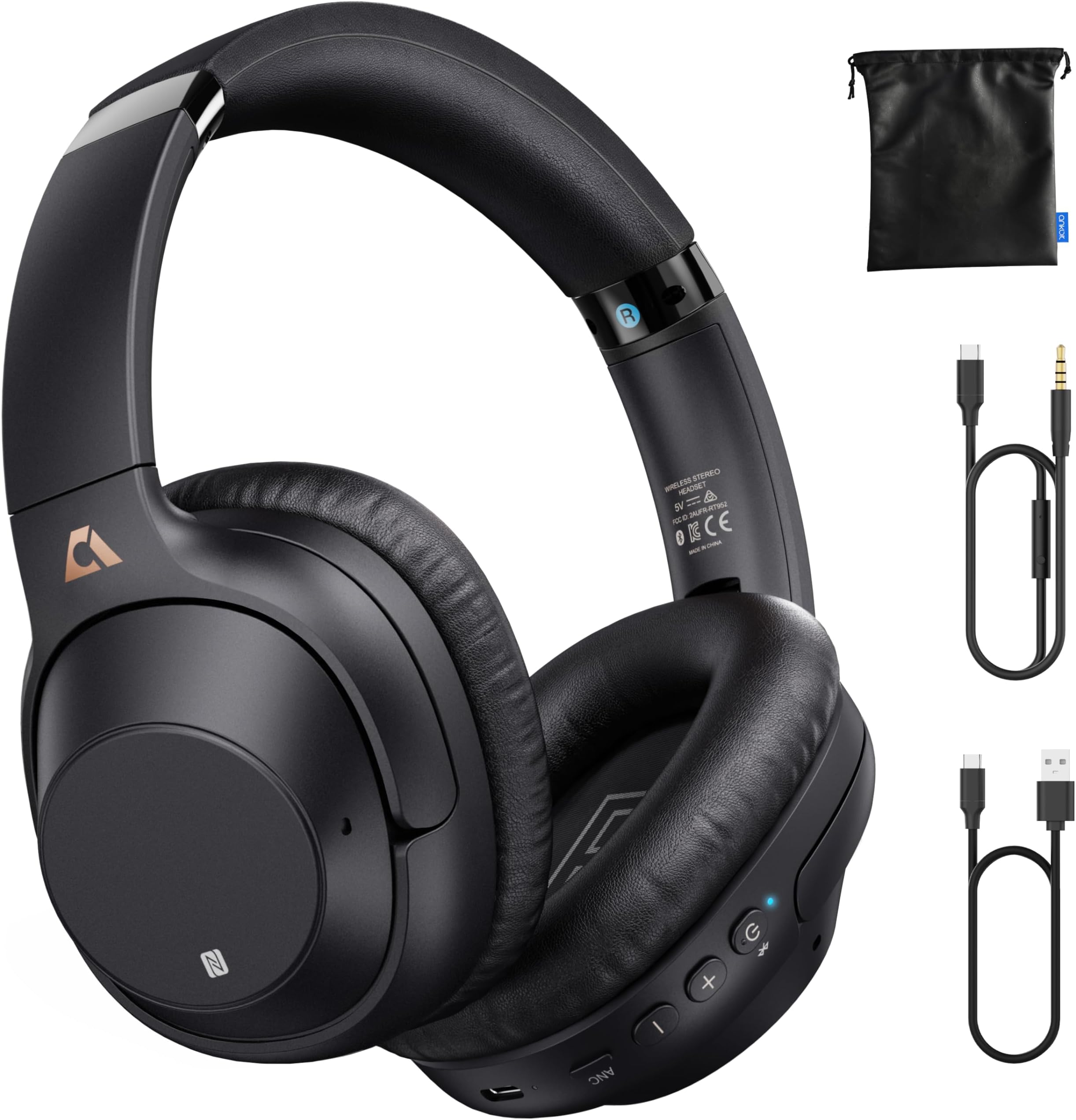
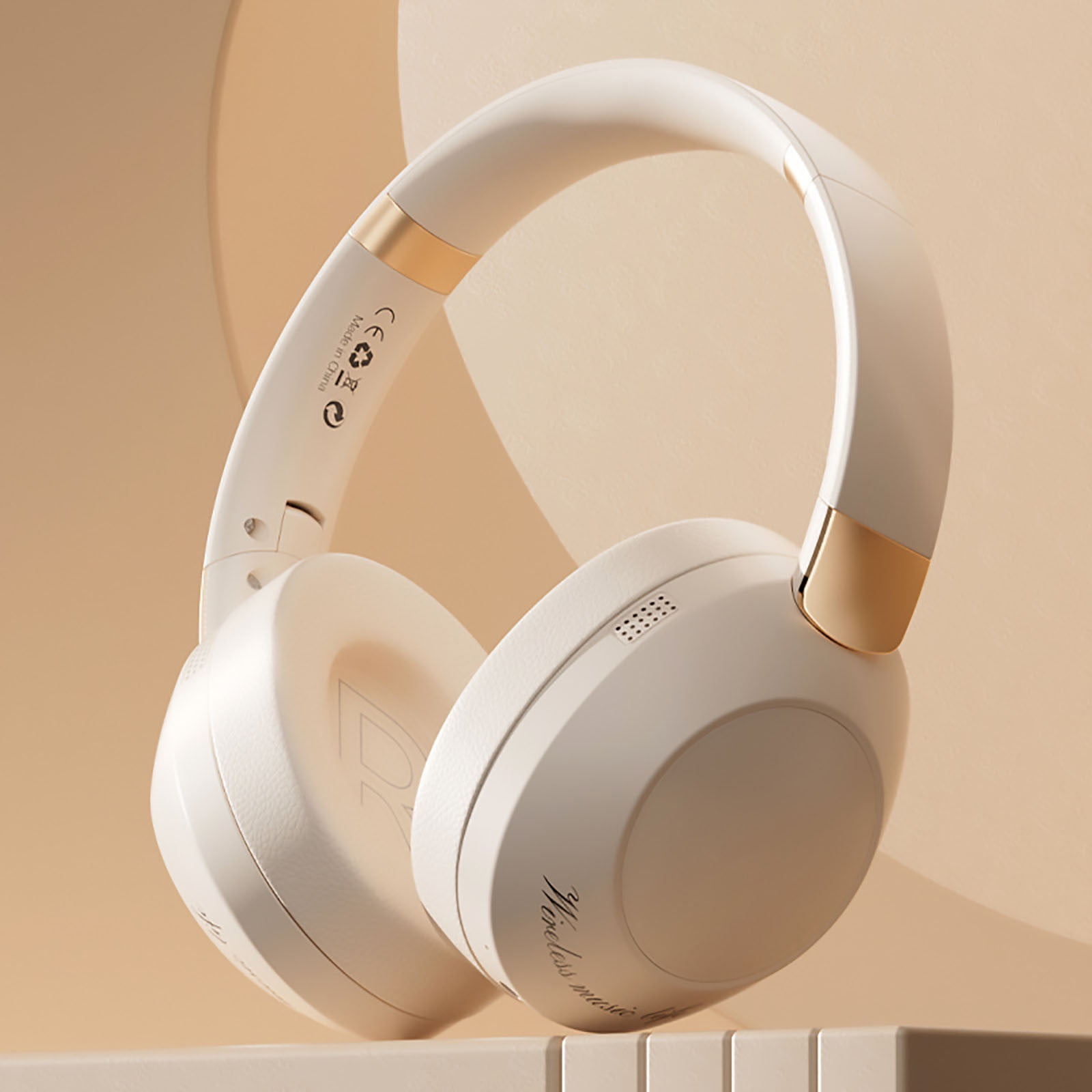
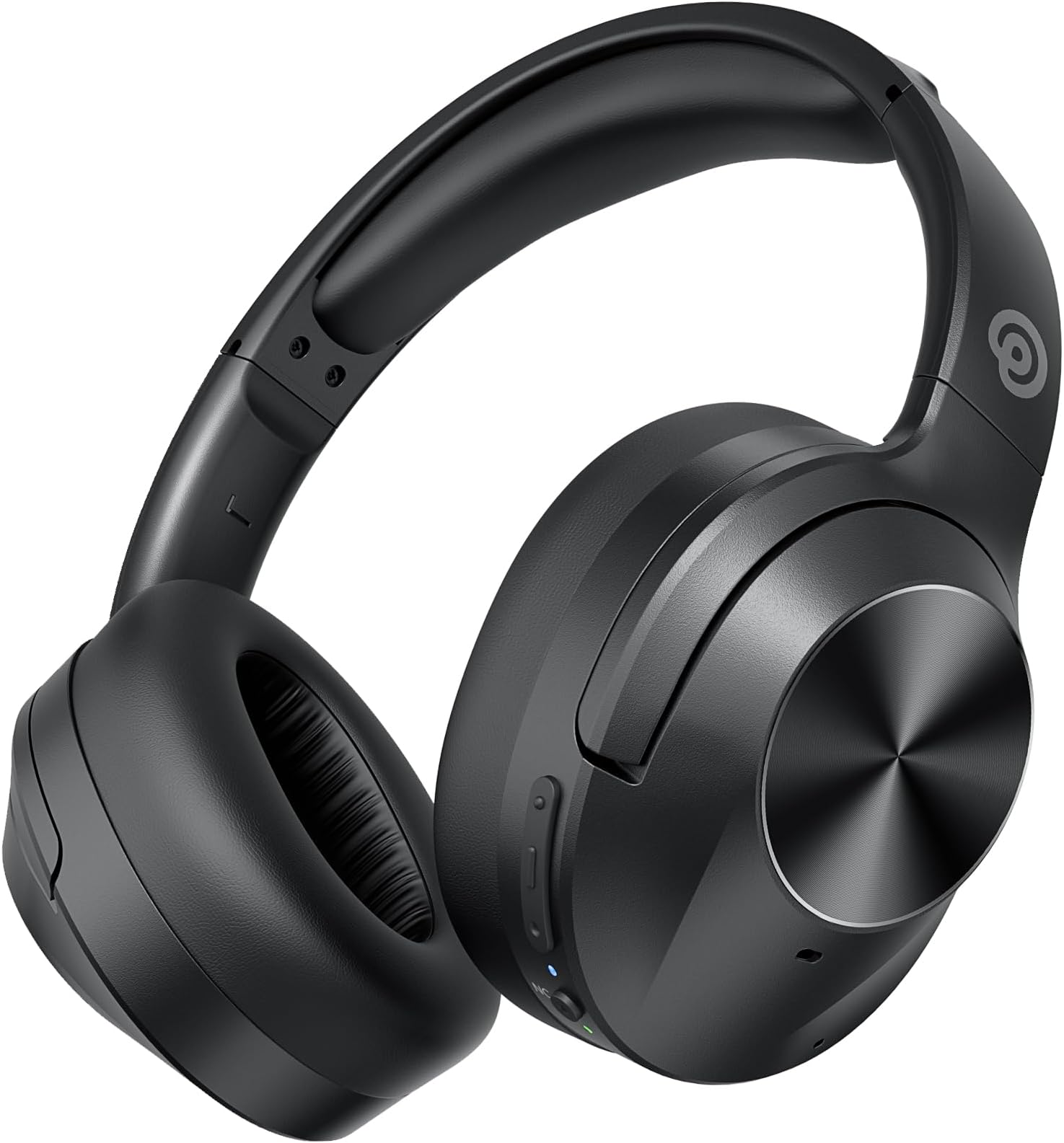
The physical design of a headphone or earbud significantly impacts how well the active noise cancelling performs. While the electronics do the heavy lifting, they are always supported by passive noise isolation—the physical barrier created by the device's materials.
| Feature | Over-Ear Headphones | In-Ear Earbuds |
|---|---|---|
| Passive Isolation | High (Large ear cups/padding) | Moderate (Dependent on silicone/foam seal) |
| ANC Potential | Highest (Large drivers, more mics) | High (Limited by battery/driver size) |
| Comfort | High for long sessions | Subjective (Can cause ear fatigue) |
| Wind Resistance | Lower (Large surface area) | Higher (Small profile, recessed mics) |
| Portability | Low (Bulky) | Excellent (Pocket-sized) |
| Ideal Use Case | Long-haul flights, deep work | Commuting, gym, light travel |
While over-ear headphones generally provide the best overall silence due to their larger batteries and superior passive seal, 2026 earbud technology has narrowed the gap significantly. Advances in micro-electro-mechanical systems (MEMS) microphones allow earbuds to house up to four microphones per side, rivaling the processing power of much larger units.
Practical Considerations: Battery Life and Sound Quality
Implementing ANC is a power-intensive process. The microphones must remain "always-on," and the digital signal processor (DSP) must work continuously to generate the anti-noise signal. On average, enabling ANC reduces battery life by 20% to 30%. In 2026, however, the adoption of Bluetooth LE Audio and more efficient 3nm chips has helped offset these losses, allowing many flagship headphones to reach 40+ hours of playback even with ANC active.
There is also the matter of audio fidelity. In the early days of noise cancellation, turning the feature on often resulted in a narrowed soundstage or a "hiss" (noise floor). Today, high-resolution codecs like LDAC and aptX Adaptive work in tandem with ANC chipsets to ensure that the "anti-noise" does not interfere with the music's harmonics. In many cases, the silence provided by ANC actually improves perceived sound quality by allowing the listener to hear subtle details in the music that would otherwise be masked by ambient noise.
Common Issues and Troubleshooting
Despite the sophistication of 2026 audio hardware, users may still encounter issues with their active noise cancelling performance. Most problems stem from physical fit or environmental factors rather than software failure.
- The "Eardrum Suck" Sensation: Some users feel a localized pressure when ANC is turned on. This isn't actual physical pressure but rather the brain's reaction to the sudden lack of low-frequency sound, which it perceives as a change in atmospheric pressure. Switching to an "Adaptive" mode usually resolves this.
- Wind Buffeting: When wind hits the external microphones of a feedforward system, it can create a harsh rushing sound. Modern firmware often includes a "Wind Reduction" mode that temporarily disables the external mics or uses the internal mics to compensate.
- High-Pitched Whistling: If the internal microphone gets too close to the speaker (often due to a damaged ear tip or a crushed ear cup), it can create a feedback loop, resulting in a loud whistle. Cleaning the sensors and replacing the ear tips is the standard fix.
- Degraded Cancellation: Over time, earwax or dust can clog the microphone ports. A gentle cleaning with a soft brush can often restore the ANC's original effectiveness.
Frequently Asked Questions
Does ANC protect your hearing?
Yes, indirectly. By reducing background noise, ANC allows users to listen to their media at lower, safer volume levels. In loud environments like airplanes or subways, people without ANC often crank their volume to 90-100% to drown out the engine, which can lead to permanent hearing damage. With ANC, 50-60% volume is usually sufficient.
Can ANC block out human voices?
ANC is most effective against constant, low-frequency sounds. Human voices are mid-to-high frequency and highly dynamic, making them harder to cancel completely. While flagship 2026 models can significantly muffle conversations, you will likely still hear some remnants of nearby speech unless you are also playing music.
Is it safe to use ANC while walking or cycling?
Using full ANC in traffic can be dangerous as it eliminates situational awareness. Most modern devices offer a "Transparency" or "Ambient" mode that uses the microphones to pipe in external sounds like car horns and sirens. It is highly recommended to use these modes or "Adaptive" settings when navigating busy streets.
Does ANC work without playing music?
Yes. You can use ANC-enabled headphones solely for silence. This is a common practice for travelers who want to sleep on planes or students who need a quiet study environment. However, some models have an "auto-off" feature that triggers if no audio is playing for a certain period; this can usually be adjusted in the device's companion app.
Selecting the Right ANC Solution for Your Environment
When choosing an active noise cancelling device in 2026, prioritize the architecture that fits your primary use case. If you are a frequent long-haul traveler, invest in high-end over-ear headphones with Hybrid ANC for the maximum reduction of engine drone. For daily commuters and office workers, premium earbuds with Adaptive ANC offer the best balance of portability and intelligent noise management. Always ensure you achieve a proper physical seal, as even the most advanced electronic cancellation cannot overcome a poor fit. Before purchasing, verify that the device supports the latest firmware updates, as manufacturers frequently release acoustic tuning improvements that can significantly enhance ANC performance over the life of the product.