Active adult housing refers to age-restricted or age-targeted residential communities designed specifically for independent individuals, typically aged 55 and older. These communities prioritize a maintenance-free lifestyle and robust social amenities—such as fitness centers, clubhouses, and organized events—without providing the dedicated medical care or assisted living services found in traditional senior care facilities.
Understanding the Active Adult Housing Concept
As we navigate 2026, the definition of "retirement" has undergone a significant transformation. Active adult housing is no longer just a place to "settle down"; it is a lifestyle choice for a demographic that remains physically active, professionally engaged, and socially connected. Unlike assisted living or nursing homes, active adult communities are designed for residents who are fully capable of living independently.
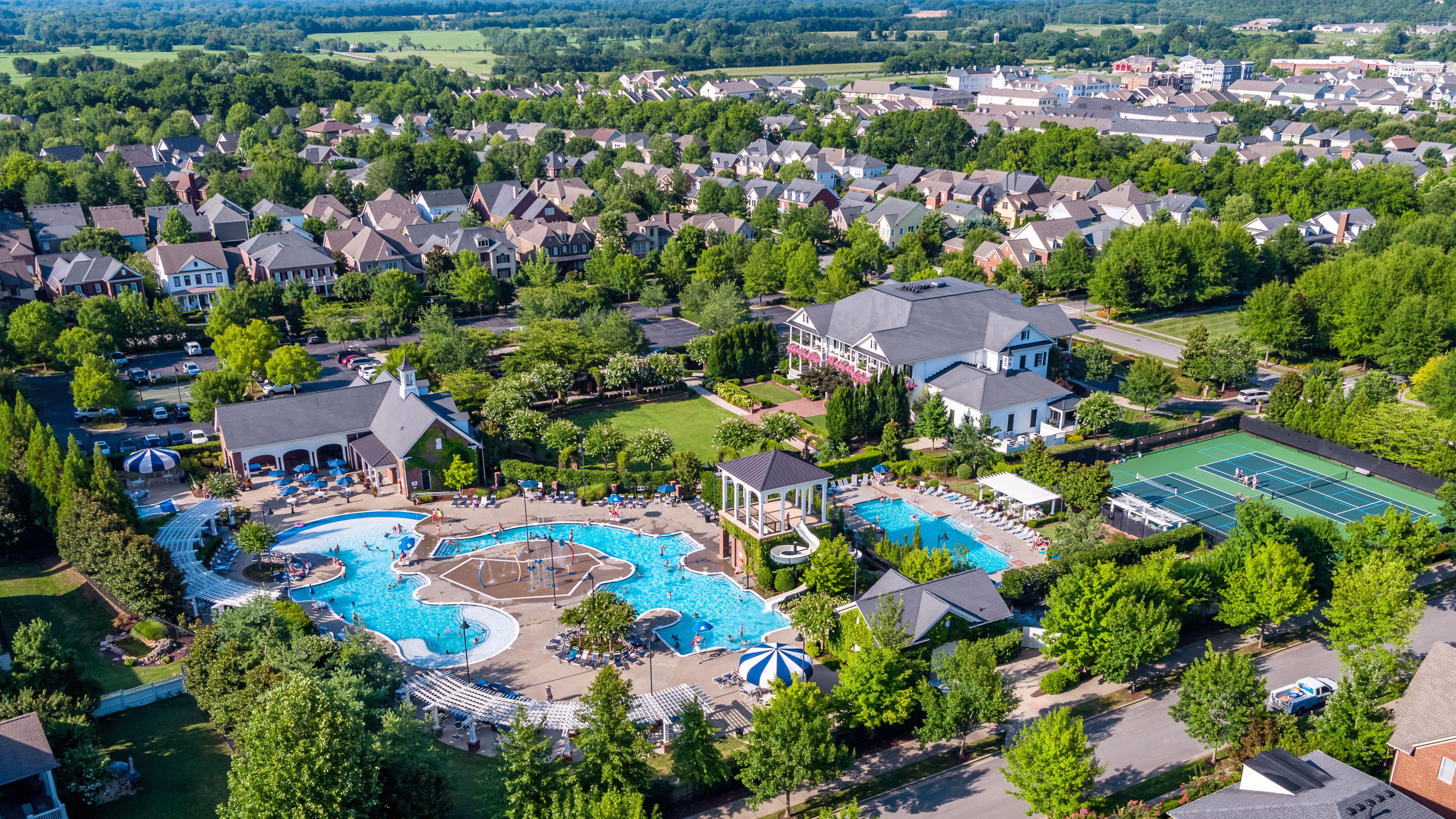
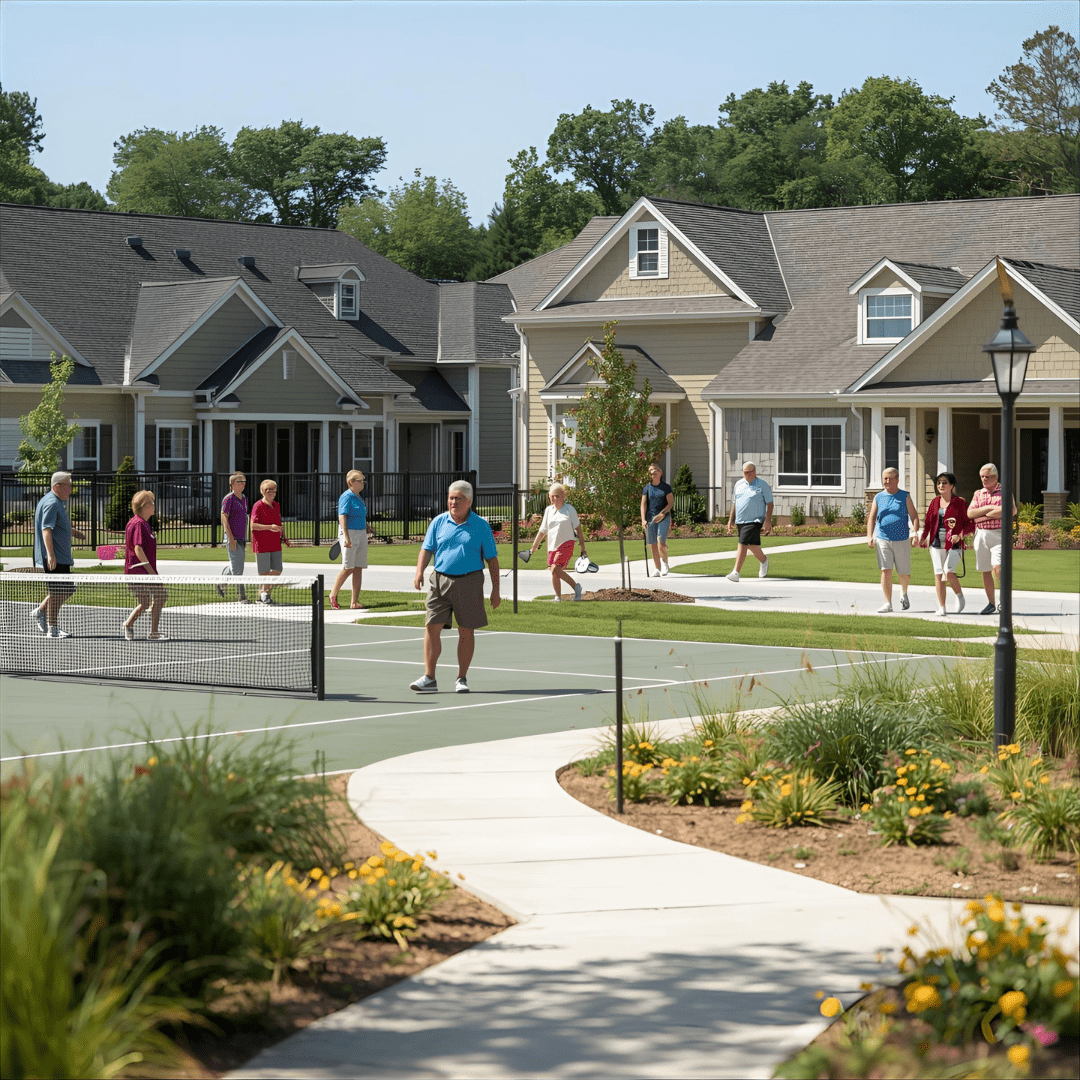
The core philosophy of these developments is the "lifestyle-first" approach. Developers focus on building environments that foster community engagement. This is achieved through the construction of extensive common areas, including pickleball courts, heated lap pools, community gardens, and high-tech business centers. In 2026, many of these residents are "silver nomads" or "semi-retired" professionals who require high-speed fiber internet and co-working spaces within their community clubhouses to maintain their consultancy roles or passion projects.
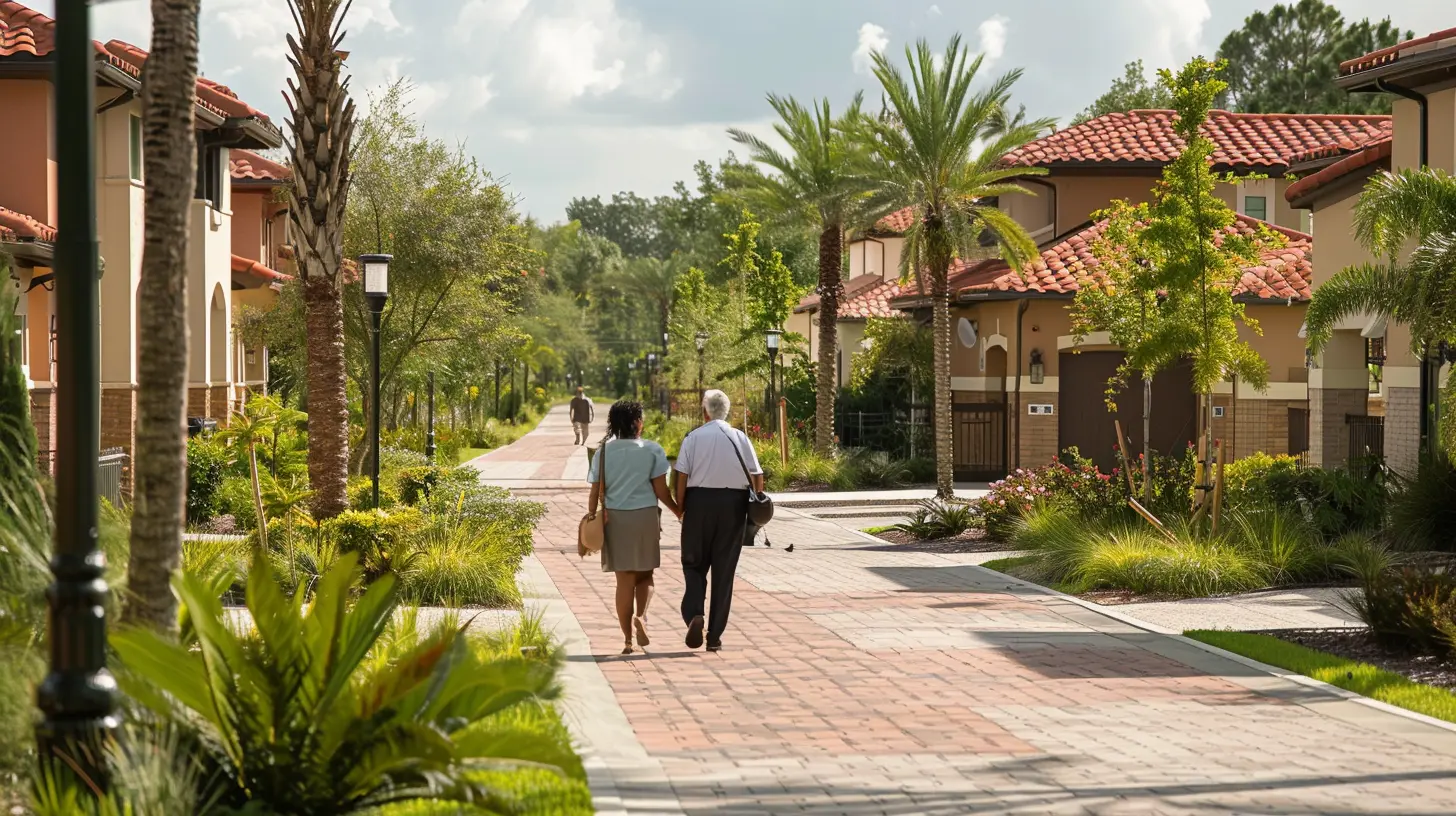
Furthermore, active adult housing is characterized by its "lock-and-leave" convenience. Many of these communities are governed by Homeowners Associations (HOAs) that handle exterior maintenance, landscaping, and security. This allows residents to travel or spend time with family without the burden of maintaining a large, traditional family home.
Regulatory Framework and Age Restrictions
The legal backbone of active adult housing in the United States is the Housing for Older Persons Act (HOPA) of 1995, which amended the Fair Housing Act. While the Fair Housing Act generally prohibits discrimination based on familial status (such as having children), HOPA provides a specific exemption for "senior" housing.
To qualify for this legal protection and remain an age-restricted community in 2026, a development must meet one of two primary criteria:
- 62 and Older: The housing is intended for, and solely occupied by, persons 62 years of age or older.
- 55 and Older: At least 80% of the occupied units must have at least one resident who is 55 years of age or older.
The "80/20 rule" is a critical component for prospective residents to understand. It allows for a 20% margin where the community can permit younger residents, such as a surviving spouse under 55 or, in rare cases, adult children. However, individual community bylaws are often stricter than federal law. Some communities in 2026 strictly enforce a 100% age-55+ rule to maintain the specific atmosphere their residents purchased into. It is essential for buyers to review the U.S. Department of Housing and Urban Development (HUD) guidelines regarding HOPA to understand their rights and the limitations of these restrictions.
Types of Active Adult Communities
The market for active adult housing has diversified significantly by 2026, moving beyond the traditional suburban "retirement village" model. Today, prospective residents can choose from several distinct formats:
Age-Restricted Planned Developments
These are often large-scale gated communities featuring hundreds or even thousands of single-family detached homes or villas. They offer the most extensive amenities, often including private golf courses, onsite restaurants, and elaborate community centers. Brands like Del Webb have historically set the standard for this model, which continues to thrive in Sun Belt states.
Age-Targeted Luxury Apartments and Condos
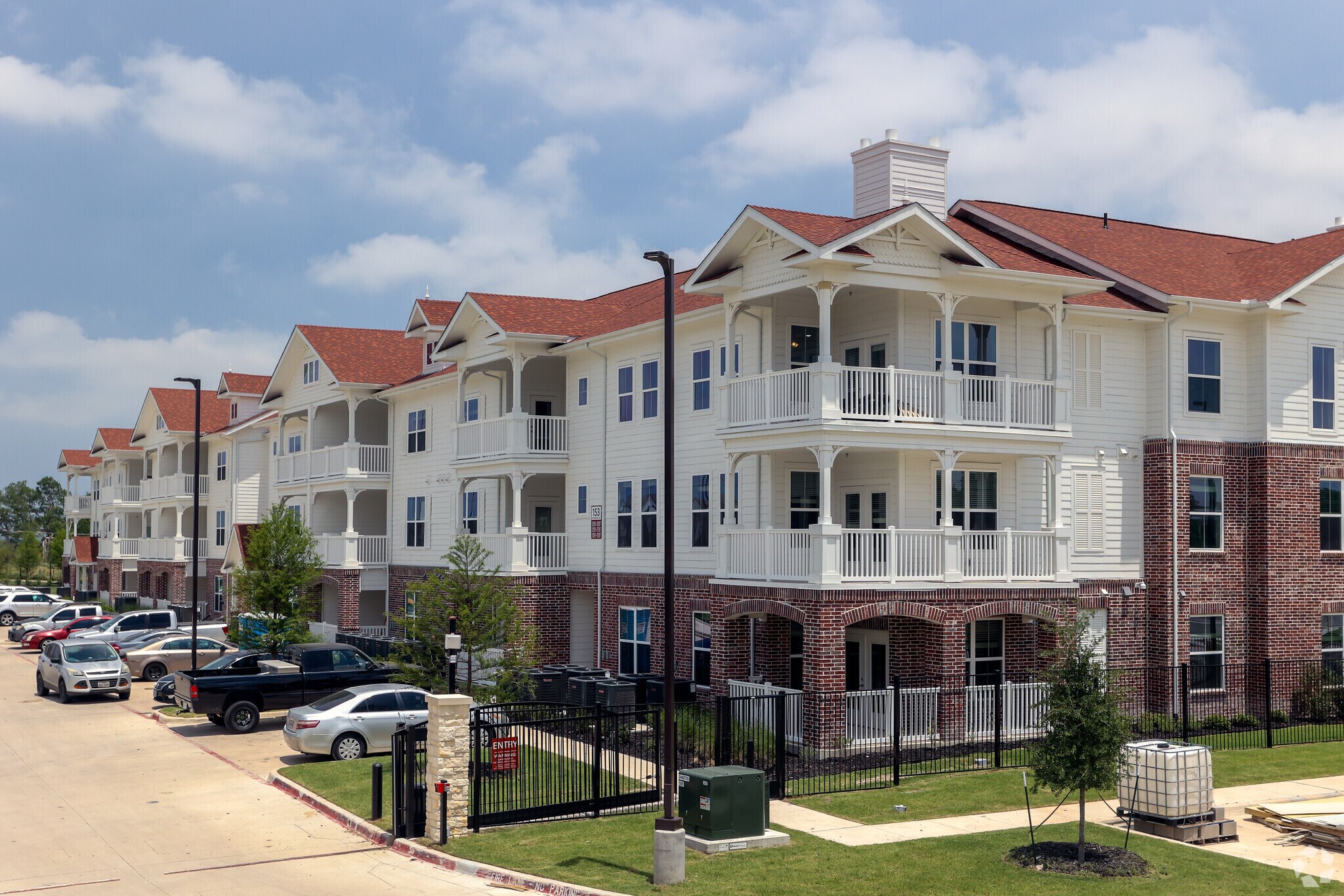
Found primarily in urban or "surban" (suburban-urban) centers, these communities do not always have strict legal age restrictions but are marketed exclusively to the 55+ demographic. They offer high-end finishes, concierge services, and proximity to cultural centers, theaters, and fine dining. In 2026, this model is particularly popular among those who wish to downsize from a large house but remain in a vibrant city environment.
University-Based Retirement Communities (UBRCs)
A growing trend in 2026 is the development of active adult housing on or near university campuses. These communities allow residents to audit classes, access university libraries, and attend collegiate sporting events. They appeal to the "lifelong learner" who seeks intellectual stimulation alongside their residential independence.
Specialized Niche Communities
Recent years have seen a rise in "affinity-based" housing. These are communities designed for specific groups, such as LGBTQ+ seniors, former military officers, or residents with a shared interest in specific hobbies like equestrian arts or sustainable farming (often called "Agri-hoods").
Financial Considerations and Costs
Investing in active adult housing requires a clear understanding of both the initial capital outlay and the ongoing monthly obligations. In 2026, pricing varies significantly based on geography and the level of luxury provided.
| Feature | Age-Restricted Community (55+) | Traditional Residential Neighborhood | Assisted Living Facility |
|---|---|---|---|
| Ownership Structure | Fee Simple or Leasehold | Fee Simple | Rental/Membership |
| Median Monthly Fees | $300 - $1,200 (HOA/Lifestyle) | $0 - $200 (Basic HOA) | $4,500 - $8,500 (Care Inclusive) |
| Medical Services | None (Third-party only) | None | Full On-site Support |
| Age Requirement | Required (usually 55+) | None | Usually 62+ or Need-based |
| Maintenance | Included (Exterior/Landscaping) | Owner Responsibility | Full Maintenance |
| Amenities | High (Clubhouses, Pools, Events) | Low/Variable | Moderate (Common Areas) |
HOA and Lifestyle Fees
The most significant recurring cost beyond a mortgage or rent is the Homeowners Association (HOA) fee. In high-end communities, these fees cover not only common area maintenance but also 24/7 security, high-speed internet packages, smart-home monitoring, and a full-time "lifestyle director" who organizes excursions and clubs.
Property Taxes and Insurance
Prospective residents must investigate local property tax rates, which can fluctuate. Some states offer "senior freezes" on property tax assessments, though these are often means-tested. Insurance for active adult homes is generally comparable to traditional homes, though some HOAs provide master policies that cover the exterior structure, reducing the individual homeowner's premium.
Key Amenities and Lifestyle Features in 2026
The "amenity wars" of the early 2020s have resulted in a sophisticated standard for active adult housing in 2026. Developers now focus on three pillars: wellness, connectivity, and sustainability.
Wellness Centers: Modern communities have replaced basic gyms with comprehensive wellness centers. These include professional-grade pickleball complexes (the most requested amenity in 2026), yoga studios with virtual instructors, and hydrotherapy pools. Some luxury developments now partner with local healthcare systems to provide "wellness clinics" that offer preventative screenings and nutritional counseling.
Technology Integration: By 2026, the "Smart Home" is standard. Active adult units are typically equipped with voice-activated lighting, automated climate control, and leak-detection systems. Furthermore, community-wide apps allow residents to book tennis courts, order food from the onsite bistro, or check the schedule for the local shuttle bus.
Environmental Sustainability: Sustainable building practices have become a primary selling point. Many 2026 communities feature solar arrays, EV charging stations in every garage, and xeriscaping to reduce water consumption. These features not only appeal to the environmentally conscious resident but also help stabilize long-term utility costs and HOA fees.
Comparing Active Adult to Other Senior Housing Options
One of the most frequent mistakes consumers make is conflating active adult housing with "senior living" or "retirement homes." The distinction is primarily rooted in the level of care.
- Independent Living vs. Active Adult: While similar, "Independent Living" facilities often include meals, housekeeping, and transportation in a centralized rental model. Active adult housing is more akin to traditional homeownership or standard apartment renting, where the resident is responsible for their own meals and daily chores.
- Assisted Living vs. Active Adult: Assisted living is a healthcare-based model for those who need help with Activities of Daily Living (ADLs), such as bathing or medication management. Active adult communities have no healthcare component. If a resident's health declines, they must either hire private in-home care or relocate to a facility with a higher "level of care."
- CCRCS (Continuing Care Retirement Communities): These are "all-in-one" campuses that include active adult units, assisted living, and nursing care. A resident can move through the continuum as they age. Active adult housing is a standalone product; it does not guarantee a bed in a nursing facility later in life.
Is Active Adult Housing Right for You?
Deciding to move into an age-restricted community is a significant lifestyle transition. Prospective residents should conduct a self-assessment based on their current needs and five-year outlook.
- Social Needs: If you find yourself isolated in a traditional neighborhood where neighbors are at work all day, the social infrastructure of an active adult community can be life-changing.
- Maintenance Tolerance: Are you tired of mowing the lawn, cleaning gutters, and shoveling snow? If these tasks are becoming a burden rather than a hobby, the "lock-and-leave" lifestyle is a major benefit.
- Financial Predictability: Active adult housing often provides more predictable monthly costs regarding home maintenance, though HOA fees can and do rise.
- The "Grandchild Factor": Potential buyers must be comfortable with the restrictions on visitors. Most 55+ communities allow children and grandchildren to visit for a limited duration (typically 2–4 weeks per year). If you plan on having a grandchild live with you full-time, active adult housing is likely not the right fit.
Commonly Asked Questions
Can I buy a home in a 55+ community if I am only 52?
It depends on the specific community’s bylaws and their current occupancy status under the HOPA 80/20 rule. Some communities allow a "younger" buyer if they meet certain criteria, while others strictly adhere to the 55+ threshold to ensure they remain in compliance with federal exemptions. Always check the CC&Rs (Covenants, Conditions, and Restrictions) before placing a deposit.
What happens if my spouse dies and they were the only one over 55?
In most cases, the surviving spouse is allowed to remain in the home. Federal law and most community bylaws include "grandfather" clauses to protect residents in these situations. However, it is vital to verify that the community's specific rules do not mandate a move-out upon the death of the qualifying age-restricted resident.
Is active adult housing a good investment for resale?
Historically, active adult homes hold their value well because they cater to a specific, growing demographic. However, the buyer pool is inherently smaller because of the age restriction. In 2026, homes in communities with modern, well-maintained amenities tend to appreciate faster than those in older developments with outdated facilities.
Are pets allowed in these communities?
Most active adult communities are pet-friendly, recognizing the importance of companion animals for mental health. However, there are often restrictions on the number of pets, their weight, or specific breeds. Many 2026 developments include dedicated dog parks and "paw-wash" stations as standard amenities.
What if I need medical help in the future?
Active adult communities do not provide medical services. Residents are responsible for arranging their own home health care. If your needs become intensive, you may need to sell the property and move to an assisted living facility or a skilled nursing center. Some residents proactively choose "Continuing Care" models for this reason.
Practical Steps for Prospective Residents
If you are considering a move into active adult housing in 2026, start by visiting multiple communities at different times of the week. Many developments offer "discovery stays" where you can live in a guest villa for 2–3 days to experience the amenities and meet current residents.
Before signing any contracts, hire a real estate attorney to review the HOA documents and the "Reserve Study." A reserve study tells you if the community has enough money saved for long-term repairs (like roof replacements or road repaving). A community with a low reserve fund is a red flag for future "special assessments"—large, unexpected bills charged to every homeowner. Finally, consult with a financial advisor to ensure that the HOA fees and lifestyle costs align with your long-term retirement income projections.