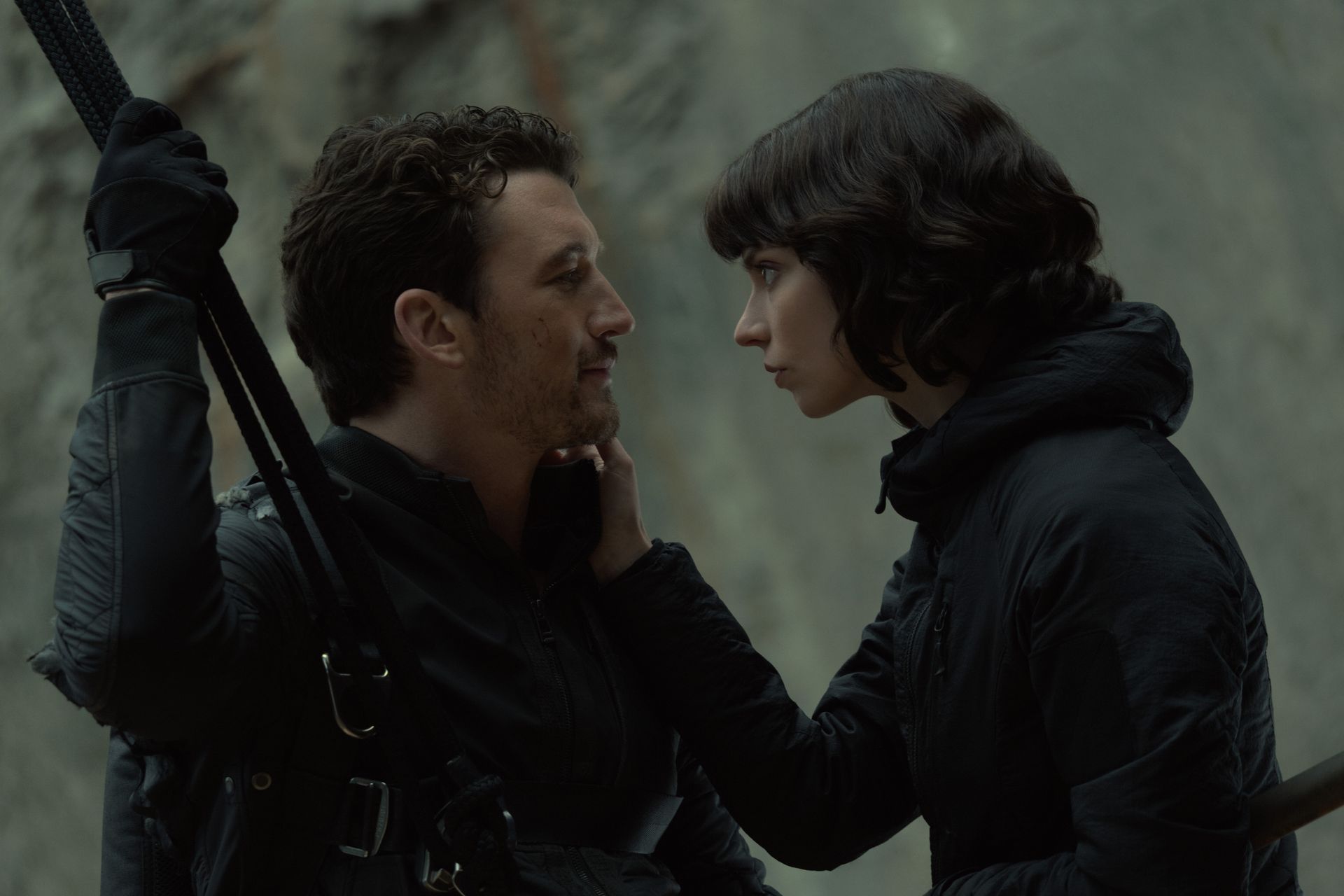
Action films are a cinematic genre defined by physical feats, high-stakes narratives, and the intensive use of practical or digital spectacle to generate suspense. By prioritizing kinetic energy and visual momentum over static dialogue, these productions require sophisticated coordination, specialized stunt choreography, and advanced post-production integration to execute sequences that safely simulate extreme danger.
Understanding the Core Pillars of the Action Genre
At its foundation, an action film is structured around the pursuit of a goal that forces the protagonist into a series of physical challenges. Unlike other genres that may prioritize psychological introspection, action films derive their pacing from the "set piece." A set piece is a planned sequence of high-intensity events—such as a chase, a fight, or a tactical infiltration—that functions as the structural heartbeat of the film.
In contemporary filmmaking, these sequences are rarely spontaneous. They require months of pre-visualization, a process where directors and stunt coordinators map out camera angles, actor movements, and safety parameters before a single frame is shot. This rigorous preparation is essential because the primary objective of any action sequence is to maintain the audience's immersion while ensuring the absolute safety of the human performers and crew members.
Technical Coordination: Stunts and Safety Protocols
The production of modern action films relies on the expertise of the stunt coordinator, a department head responsible for designing, testing, and executing physical risks. While technological advancements have introduced computer-generated imagery (CGI) as a tool for visual enhancement, the industry maintains a strong emphasis on "practical effects"—physical stunts performed on set.
Safety protocols in 2026 are governed by strict international labor standards and regional film commission guidelines. These include:
- Rigging Verification: All aerial work, wire-assisted jumps, and falls undergo load-testing to ensure equipment integrity.
- Medical Readiness: A dedicated medic or emergency medical technician is mandated to be on-site whenever a high-risk stunt is scheduled.
- Pre-Rig Meetings: Before a stunt is performed, the director, stunt coordinator, and key actors hold a "dry run" to verify the choreography and rehearse the precise timing of exits and interactions.
The synergy between practical stunt work and digital compositing has allowed for more complex visual storytelling. For instance, a stunt performer might execute a physical maneuver in a controlled environment, which is then blended with digital background extensions to create a seamless, high-velocity sequence that would have been impossible or prohibitively dangerous in previous decades.
Comparative Analysis of Action Subgenres
The action genre is not monolithic. It is categorized by its specific narrative framing and the types of conflict presented to the audience. Understanding these distinctions helps viewers and industry professionals identify the specific technical requirements for different types of productions.
| Subgenre | Focus | Primary Technical Requirement |
|---|---|---|
| Martial Arts | Hand-to-hand combat and precision movement. | Choreographic rhythm and physical conditioning. |
| Tactical/Military | Strategy, weaponry, and team-based maneuvers. | Authenticity in gear and movement tactics. |
| Vehicular | High-speed chases and motorized stunts. | Precision driving and specialized camera rigs. |
| Supernatural/Sci-Fi | Physics-defying feats and world-building. | CGI integration and motion capture coordination. |
The Role of Technology in Modern Spectacle
The integration of technology has evolved significantly by 2026. Drone cinematography has replaced many traditional helicopter-mounted cameras, allowing for tighter, more dynamic tracking shots through confined spaces. Furthermore, Volume stages—large-scale LED panel environments—enable filmmakers to simulate complex geographic locations, such as desert highways or dense urban centers, without the logistical burden of closing public infrastructure.
Despite these advancements, the human element remains the defining constraint. The "uncanny valley" effect—where digital animation appears subtly "off" to human observers—remains a primary concern. Consequently, top-tier productions continue to prioritize capturing genuine physical movement, as it provides a weight and kinetic reality that digital rendering still struggles to replicate perfectly.
Navigating Common Pitfalls in Production
Many independent or smaller-budget action films fall into the trap of over-relying on post-production visual effects to compensate for poor choreography or limited set preparation. This often leads to a disconnect between the action and the story. An effective action film is rooted in character motivation; if the audience does not understand why the protagonist is fighting or fleeing, the visual spectacle loses its narrative stakes.
Another common mistake is the failure to maintain spatial continuity. In an action sequence, the audience must be able to track the characters' positions relative to one another. When editing, the "180-degree rule"—maintaining the camera’s perspective on one side of the action—must be strictly followed. Violating this rule can disorient the viewer, causing them to lose track of the action and breaking the suspension of disbelief.
How to Evaluate Action Quality
When analyzing an action film, it is helpful to look for clarity in the composition of the frames. High-quality action sequences utilize long takes and wide shots to showcase the full range of movement, rather than relying on rapid, "shaky-cam" cuts to hide a lack of choreography. A well-executed sequence allows the viewer to see the effort, the proximity of the danger, and the strategic decisions made by the characters.
Additionally, the sound design plays a critical role in the perception of action. The auditory "weight" of a punch, the mechanical sound of a firearm, or the screech of tires adds a layer of realism that defines the genre's intensity. In 2026, advanced spatial audio formats have further refined this, allowing sound editors to place the audience directly in the center of the conflict.
Frequently Asked Questions
What is the difference between a stunt double and a performer?
A stunt double is a trained professional who replaces an actor during sequences that involve high physical risk or specialized skills. A performer, in this context, refers to the actor themselves, who may perform basic movements or sequences that do not meet the legal threshold for "stunt" classification under safety regulations.
Why do some action films use "shaky-cam" techniques?
Shaky-cam is often used to impart a sense of chaos and immediacy to a scene. While effective in specific narrative contexts, it is sometimes employed to mask limited budget or inadequate training in stunt choreography. Effective use requires a balance between intentional camera movement and clear visual information.
How has the definition of a "set piece" changed in 2026?
By 2026, the definition has expanded to include "virtual set pieces." These are sequences filmed within LED volumes where the environment reacts in real-time to the camera's movement, allowing for long, uninterrupted takes that were previously hindered by the need for complex, traditional green-screen compositing.
Are practical effects becoming obsolete?
No, practical effects remain the industry gold standard for achieving high-quality results. Most modern blockbuster productions utilize a hybrid approach, using practical effects for the foundational physical movement and CGI to enhance the scale, finish, and safety of the final image.
What should an aspiring action filmmaker prioritize?
Prioritize choreography and spatial awareness. Before focusing on camera gear or software, a filmmaker must understand how to construct a scene where movement flows logically, the audience knows where the characters are, and the stakes of the conflict are clearly established through character action.
Next Steps for Action Film Analysis
For those interested in the technical side of action cinema, the most productive next step is to conduct a "frame-by-frame" analysis of established benchmarks in the genre. Choose a three-minute action sequence from a critically acclaimed film and document every cut. Observe how the director transitions between wide shots (which establish geography) and close-ups (which emphasize emotional stakes). Pay attention to the background movement and the use of audio cues. By deconstructing these sequences, you will gain a deeper appreciation for the precision required to produce the spectacle of action film.