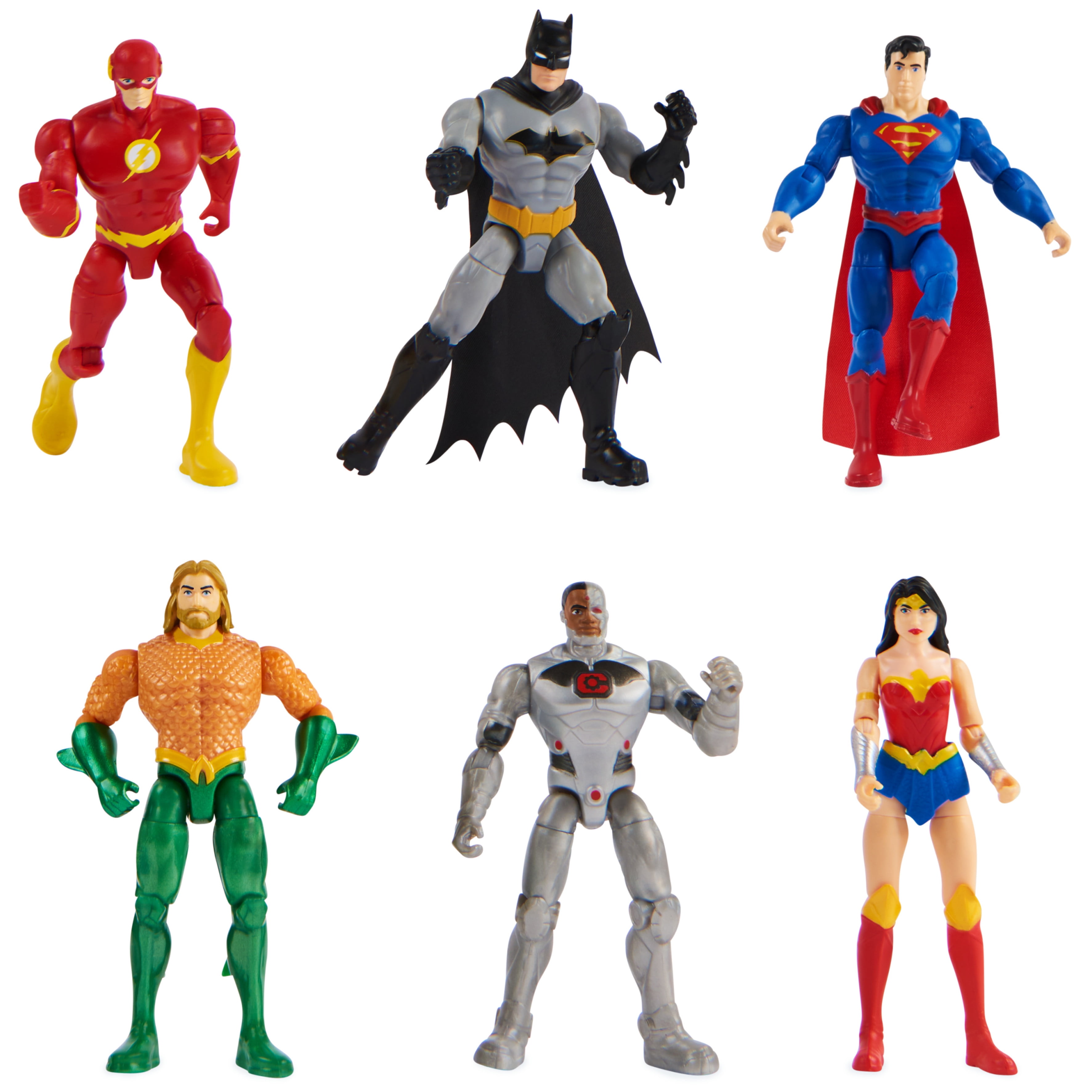
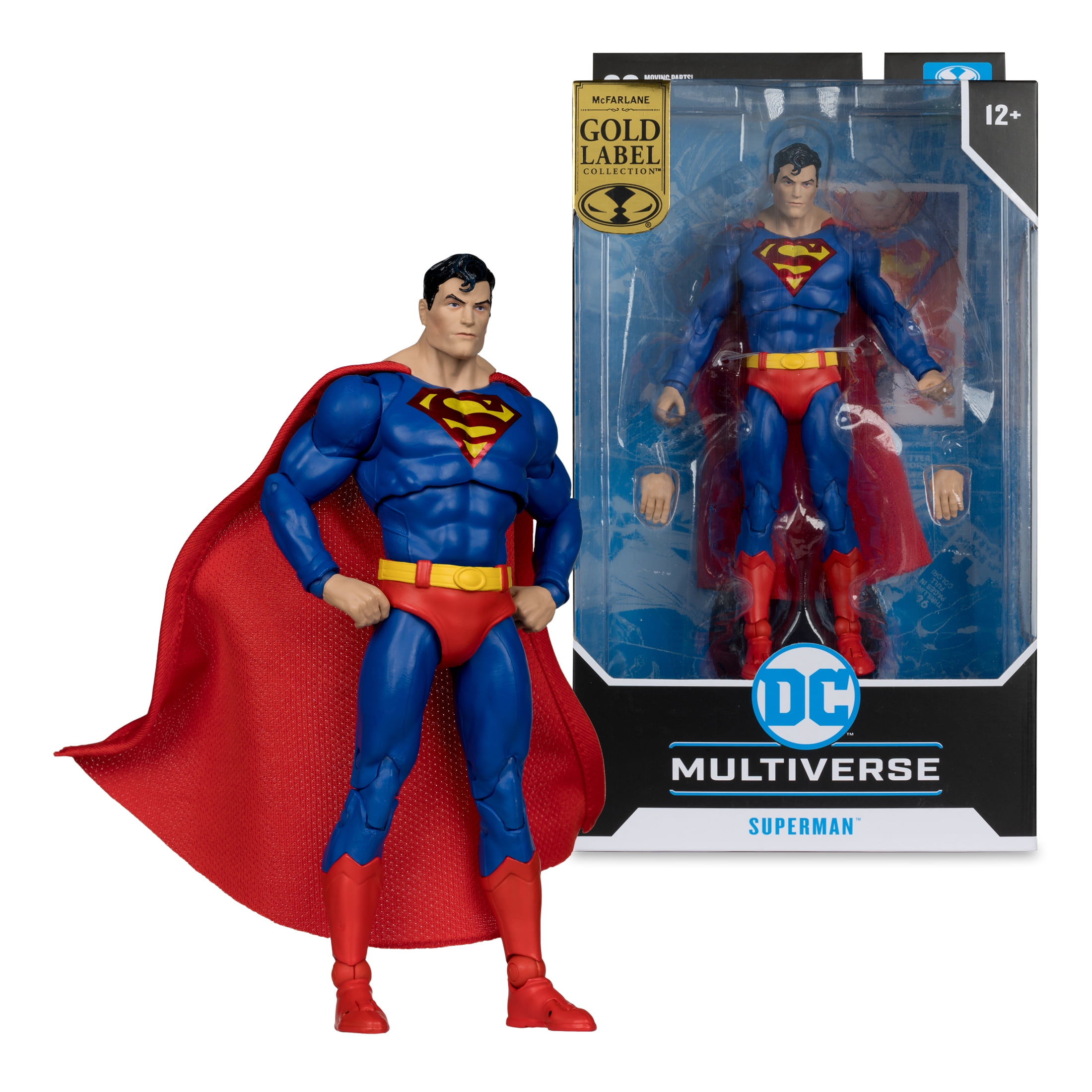
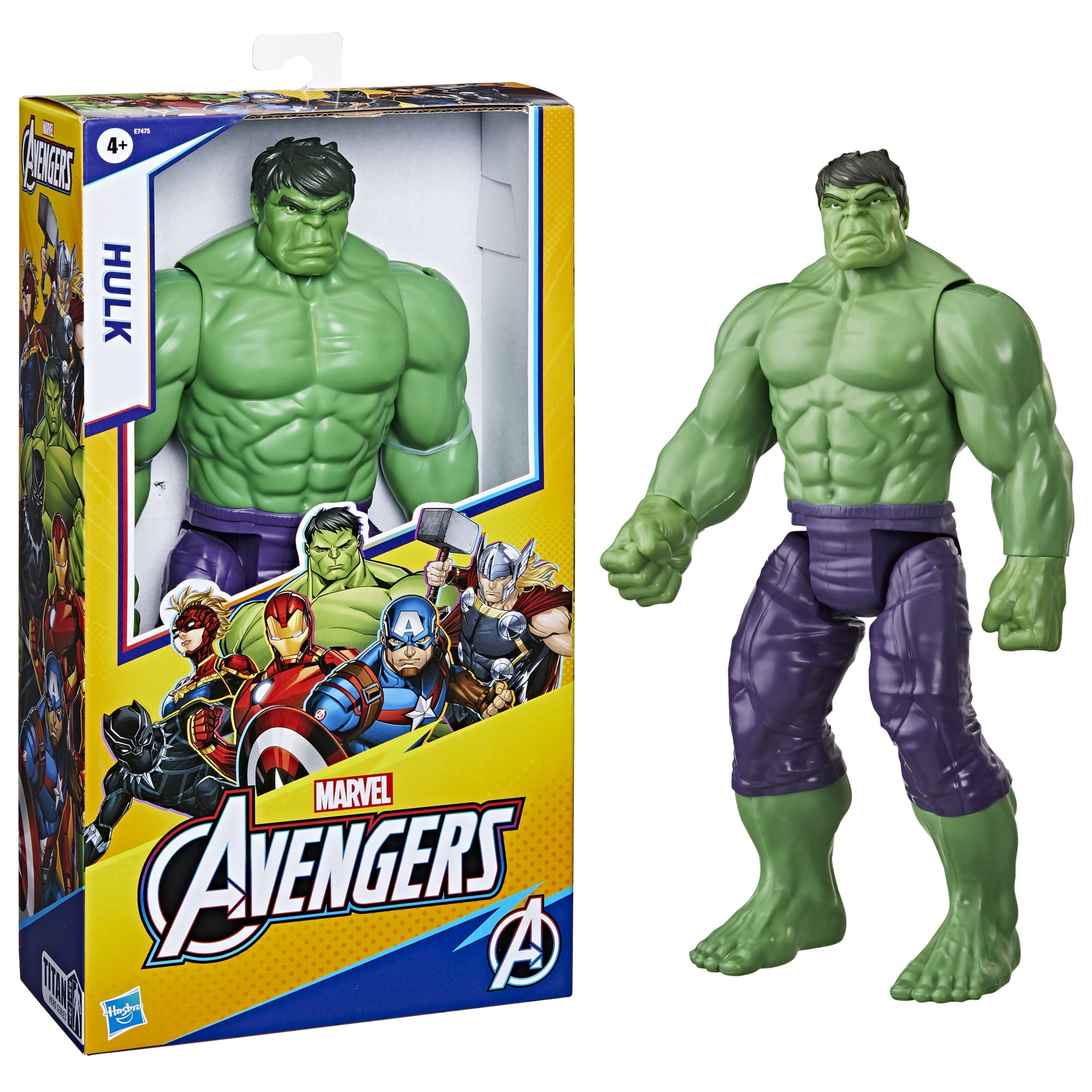
Action figures represent a specialized intersection of toy manufacturing, pop culture memorabilia, and investment-grade assets. Selecting the right figures requires understanding specific scales, material composition, and preservation techniques to ensure longevity. Whether you are a casual fan or an entry-level collector, the primary task is balancing personal aesthetic preference with structural integrity and long-term storage requirements to prevent degradation.
Understanding Action Figure Scales and Categories
Action figures are not a monolith; they are defined primarily by their scale, which dictates both their display requirements and their manufacturing detail. Understanding these dimensions is the first step toward building a coherent collection or evaluating a potential purchase.
The most common scale remains the 1:12 ratio, often referred to as "6-inch scale." This has become the industry standard for major franchises, offering a balance between shelf space efficiency and the ability to include high-detail articulation points. In this scale, a standard human character is represented as approximately six inches tall.
Smaller scales, such as 1:18 (roughly 3.75 inches), were the gold standard for decades, popularized by lines that prioritized vehicle integration and large-scale dioramas. Conversely, 1:6 scale figures—often called "sixth scale"—provide the highest level of detail. These pieces typically incorporate real fabric clothing, leather accessories, and intricate head sculpts. Because 1:6 figures use complex materials, they demand stricter environmental controls compared to standard plastic molded figures.
Material Composition and Structural Integrity
The physical longevity of an action figure depends heavily on the polymers and synthetic materials used during production. Most modern figures are constructed from variations of Polyvinyl Chloride (PVC) and Acrylonitrile Butadiene Styrene (ABS). While these materials are durable, they are subject to specific chemical processes that collectors must manage.
The most notable issue is "plasticizer migration." Over time, the chemical agents that keep PVC flexible can leach to the surface, resulting in a sticky, tacky residue. This is not necessarily a sign of rot, but it indicates that the figure has been exposed to suboptimal temperatures or humidity. Collectors often mitigate this by ensuring display environments remain below 25°C (77°F) and avoiding direct UV exposure, which accelerates the breakdown of synthetic bonds.
Evaluation and Market Verification
Determining the value or the "health" of a figure requires a standardized approach to inspection. Whether you are buying from a secondary market or auditing your own collection, the following criteria define the condition of an item:
| Feature | Mint in Box (MIB) | Loose (Out of Box) |
|---|---|---|
| Packaging | Sealed, no crushing/sun fading | N/A |
| Joint Tension | Factory default | Varies due to wear |
| Paint Finish | Unaltered, no rub | May show chips or scuffs |
| Completeness | All original accessories included | Must verify against inventory |
Before committing to a high-value purchase, verify the "run" of the figure. Many manufacturers release multiple versions of the same character with slight variations in deco (paint applications) or accessory loadouts. Always reference the manufacturer's official product identification number to distinguish between standard releases and "chase" or limited-edition variants.
Managing Environmental Risks
Even the most robust action figures are vulnerable to their surroundings. The primary enemies of a collector’s investment are light, heat, and moisture.
- Light Exposure: UV radiation causes pigment fading and embrittlement of plastic. If displaying figures near a window, use UV-filtering film on the glass to protect the paint applications.
- Temperature Fluctuations: Rapid changes in temperature can cause the plastic to expand and contract, leading to stress fractures at the joints—especially in figures with heavy internal metal armatures.
- Humidity Control: Excessive moisture can lead to mold on fabric accessories or the accelerated breakdown of certain soft-touch coatings used on premium figures. Aim for a consistent environment with 40-50% relative humidity.
Standard Maintenance and Cleaning Protocols
Maintenance should be approached with caution to avoid damaging factory finishes. For dust removal, a soft-bristled brush (such as a clean, dry makeup brush) is sufficient. Never use harsh chemical cleaners, alcohol, or abrasive cloths, as these will strip paint and damage the matte or gloss finish of the plastic.
If a figure exhibits joint looseness, do not attempt to force the joint into a static pose. If the joint is a pin-and-hole design, the friction can often be increased by applying a tiny amount of floor polish or professional-grade joint tightener into the socket. This adds a microscopic layer of friction that holds the pose without damaging the plastic. Always perform a patch test on a non-visible area of the figure before applying any product to a joint.
Frequently Asked Questions
How do I safely remove a sticky residue from my figures?
Use a very small amount of mild dish soap diluted in distilled water on a microfiber cloth. Gently wipe the surface, then immediately dry it with a separate clean cloth. Avoid harsh solvents, as they will dissolve the underlying paint.
Can I keep my figures in their original boxes long-term?
While "Mint in Box" is the preferred state for collectors, be aware that the cardboard and plastic blisters can trap moisture. Ensure the boxes are stored in a dry, dark place and checked periodically for signs of box rot or moisture intrusion.
What is the best way to display figures without causing joint wear?
Use clear acrylic stands or waist-gripping display arms. These remove the weight of the figure from the ankle and knee joints, preventing the "sagging" that occurs when a figure remains in a static pose for months or years.
How do I identify a bootleg or counterfeit figure?
Counterfeits often have inconsistent paint shading, softer plastic textures, and lack official licensing logos on the packaging. Check the specific mold stamps—usually found on the feet or the base of the spine—to confirm they match the manufacturer’s legitimate production marks.
Recommended Next Steps for Collectors
If you are just beginning to curate a collection, start by defining your scope. Attempting to collect "everything" is logistically impossible due to the sheer volume of releases. Instead, focus on a specific scale (e.g., 1:12) or a specific property (e.g., science fiction or historical figures).
Before purchasing your next item, perform a thorough audit of your available display space. Investing in museum-quality display cases with built-in LED lighting (specifically low-heat, high-CRI lights) will protect your figures from environmental damage while maximizing their visual appeal. Regularly update your inventory list, noting the purchase date, price, and current condition of each piece to keep an accurate record of your collection’s status.