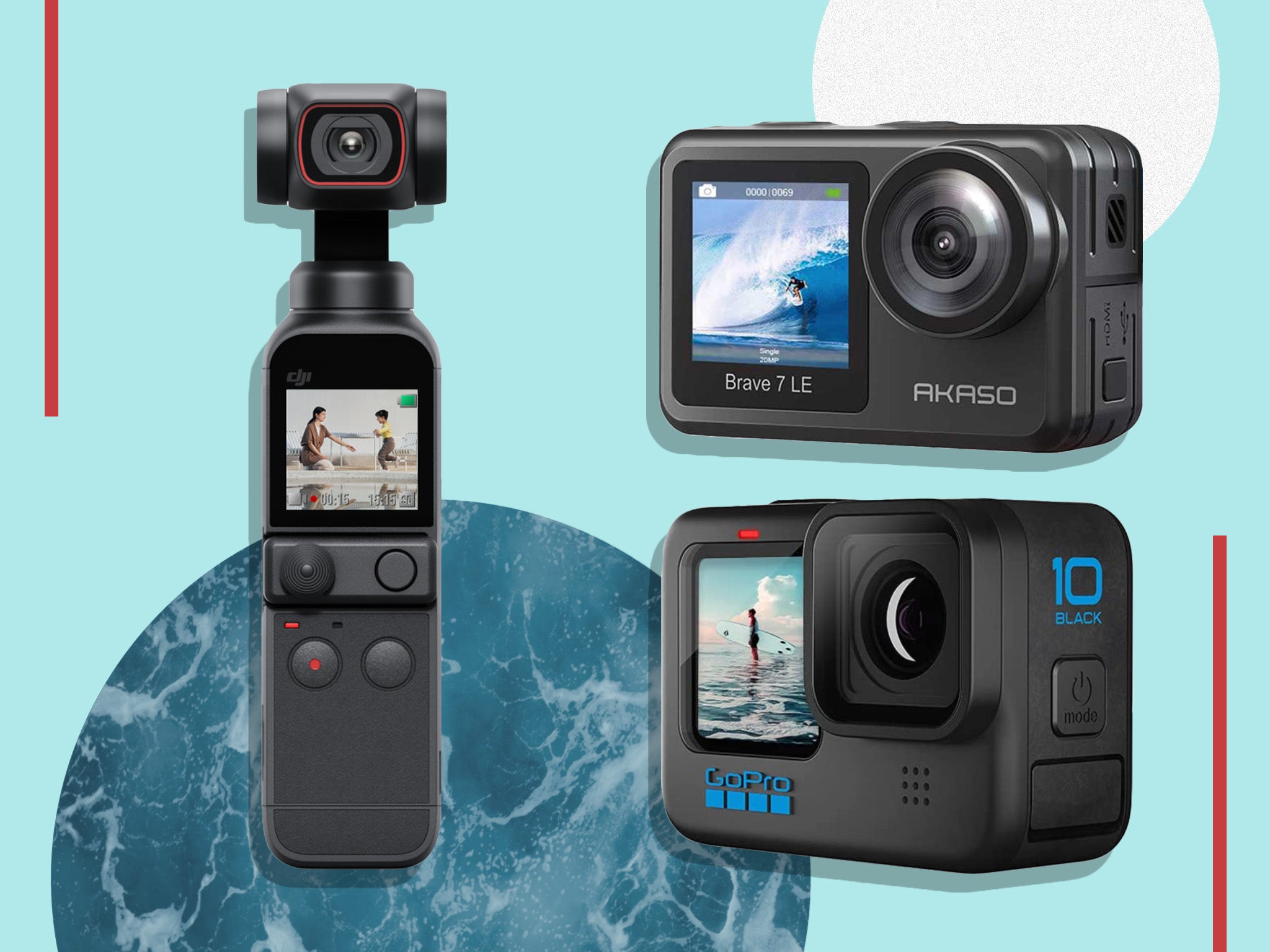
An action camera is a compact, rugged, and highly portable digital video camera designed to capture immersive, high-motion perspectives in demanding environments. Whether mounted to a helmet, handlebars, or surfboards, these devices combine ultra-wide-angle optics with advanced electronic image stabilization to deliver smooth, high-resolution footage during intense physical activities.
Understanding Action Camera Fundamentals and Core Design
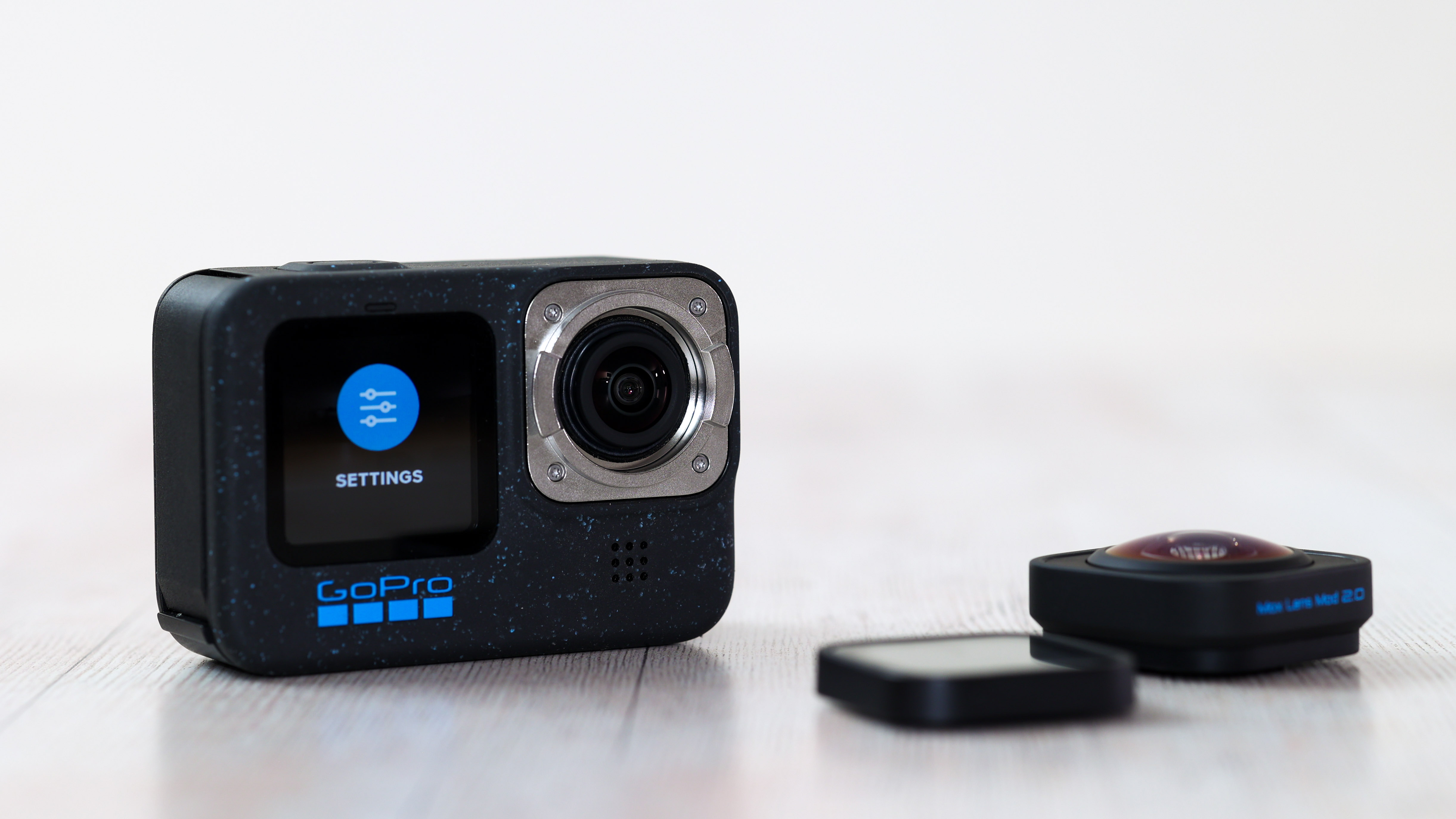
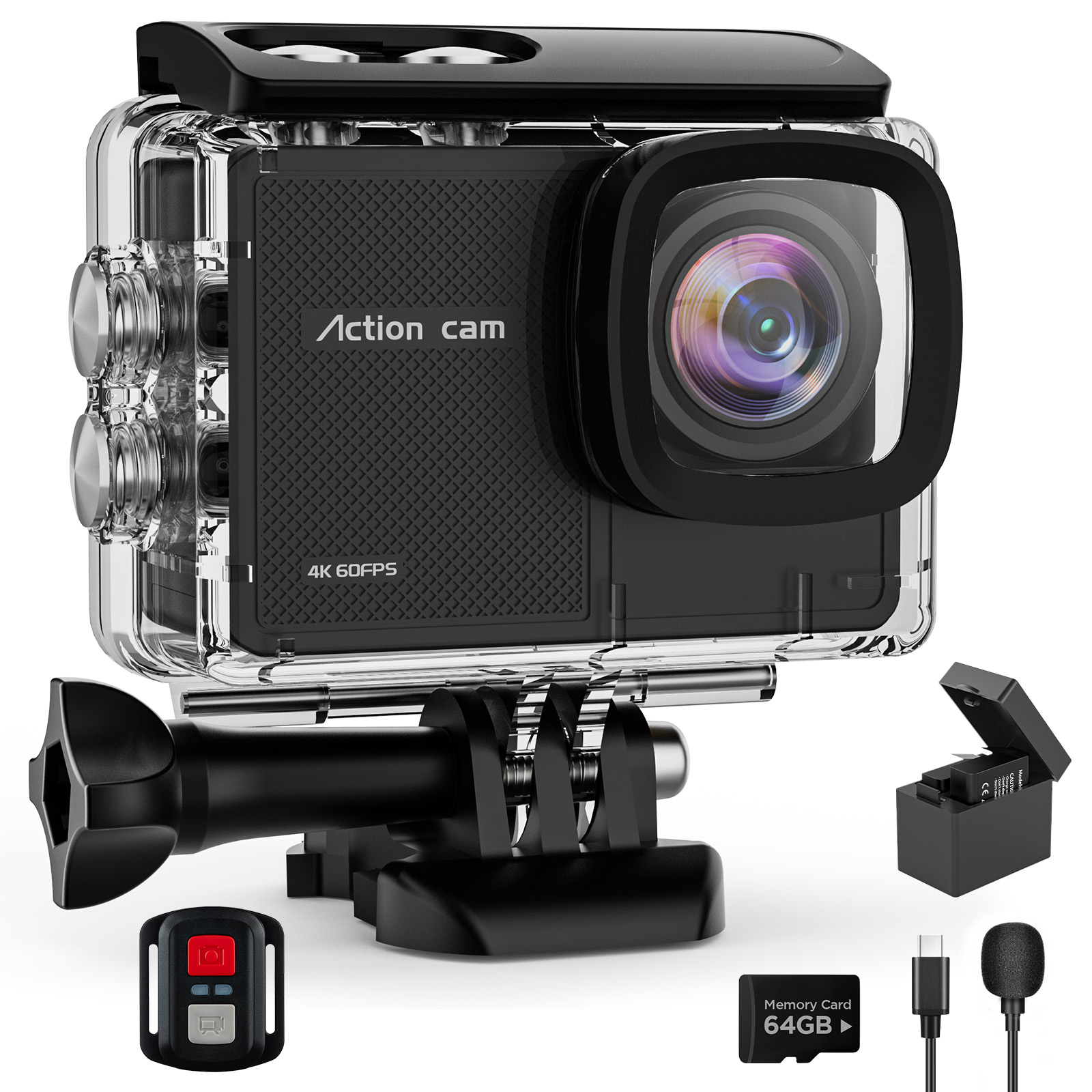
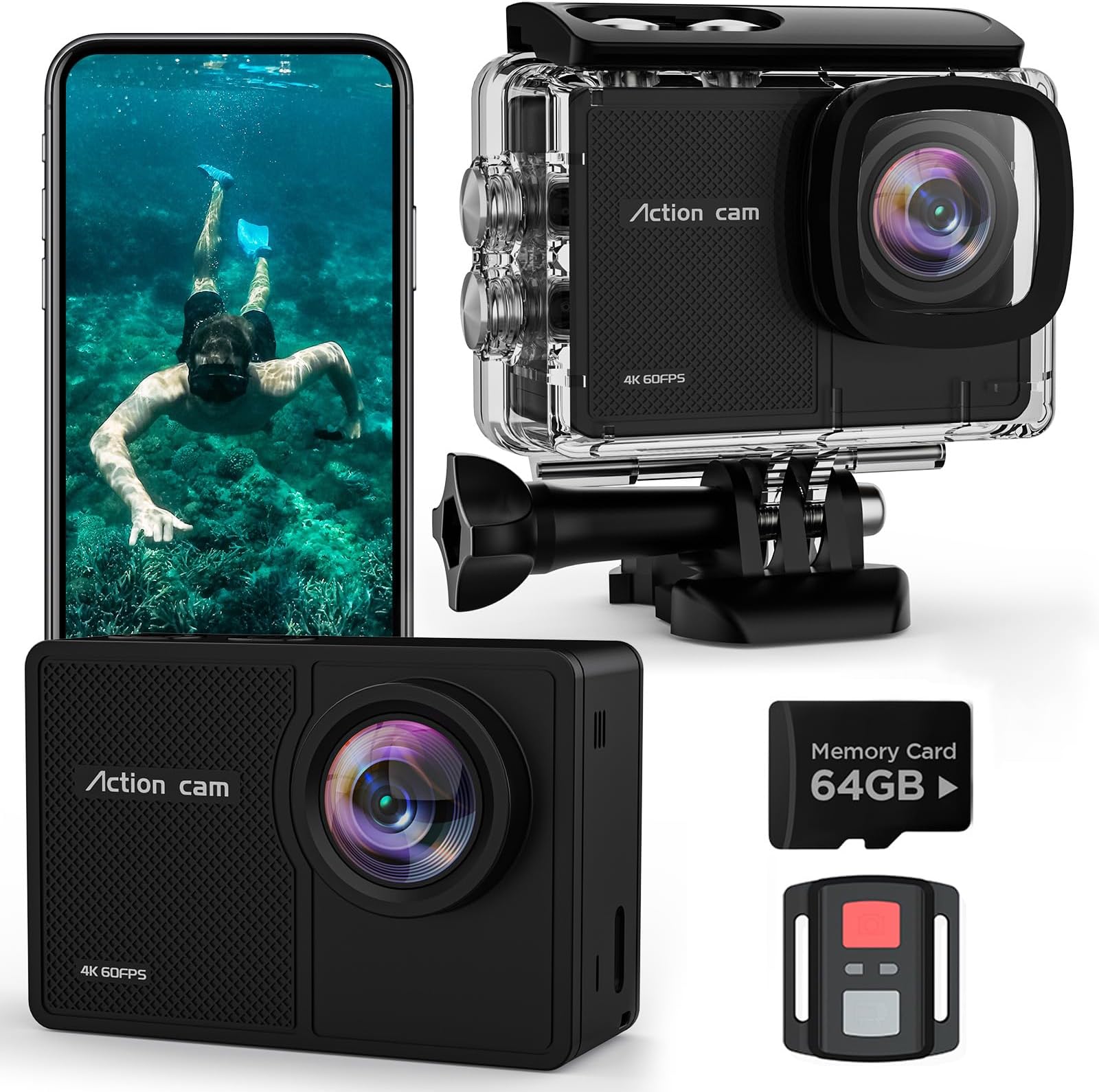
An action camera is fundamentally engineered to survive conditions that would instantly damage standard consumer camcorders or mirrorless digital cameras. The architecture relies on robust, weather-sealed outer shells, highly durable fixed-focus lenses, and solid-state internal components containing no delicate moving mechanical parts like optical zoom mechanisms. This specialized construction allows the device to absorb heavy physical shocks, resist extreme temperatures, and, in many cases, function completely submerged underwater without requiring an external housing.
The primary engineering challenge solved by modern action cameras is the capture of stable, high-definition video while mounted to moving bodies or fast-paced vehicles. To achieve this, manufacturers utilize compact physical footprints paired with high-performance digital image sensors. These sensors are capable of recording high frame rates—ranging from 60 frames per second up to 240 frames per second or higher—which are essential for capturing sharp slow-motion playback of fast-moving subjects. Furthermore, fixed wide-angle lenses provide an expansive field of view, typically between 120 and 170 degrees, ensuring that the immediate surrounding environment and action are fully framed even when the camera is mounted close to the user.
Evolution of Key Technical Specifications
Modern action cameras have evolved significantly from early standard-definition POV (point-of-view) recorders, introducing sophisticated processing power that rivals traditional cinema equipment in specific use cases. Evaluating a device requires looking closely at sensor size, video resolution ceilings, frame rate options, and stabilization algorithms.
Resolution standards have shifted decisively toward 4K and 5.3K recording at elevated bitrates, allowing users to crop into frames during post-production without severe loss of detail. However, resolution is only part of the equation. Frame rate flexibility dictates how creative a user can be with time-based effects. Recording at 1080p or 4K at 120fps enables smooth 4x or 5x slow-motion capture, transforming chaotic, high-speed maneuvers into cinematic sequences.
Electronic image stabilization (EIS) represents the most critical technological leap in the category. Software algorithms analyze movement across multiple axes, cropping the video slightly in real-time to smooth out vibrations, heavy bumps, and erratic panning. Advanced horizon-leveling features further ensure that the video remains completely upright even if the camera body rotates a full 360 degrees during an intense maneuver.
| Feature / Specification | Standard Consumer Camcorder | Typical Action Camera | Professional Cinema Rig |
|---|---|---|---|
| Primary Form Factor | Handheld, elongated body | Ultra-compact, cube or rectangular block | Modular, heavily rigged body |
| Ruggedness & Waterproofing | Low; requires external housing | High; waterproof up to 10m+ bare | Moderate; requires external cages/housings |
| Lens System | Zoom lens with moving parts | Ultra-wide fixed-focus prime lens | Interchangeable cinema lenses |
| Stabilization Method | Optical Image Stabilization (OIS) | Advanced Electronic Image Stabilization (EIS) | Mechanical gimbals and steadycams |
| Primary Mounting Option | Tripod thread | Proprietary fingers, magnetic mounts, adhesive bases | 1/4"-20 threads, rod support systems |
Essential Mounting Ecosystems and Accessories
The versatility of an action camera is largely defined by its mounting ecosystem. Because these devices are meant to be worn or attached to dynamic objects, the method of attachment dictates the perspective and safety of the recording.
Common mounting configurations include:
- Helmet Mounts: Utilizing adhesive curved or flat bases paired with quick-release buckles, helmet mounts place the camera at eye-level, providing a true first-person perspective for cycling, motorcycling, and snow sports.
- Handlebar and Pole Mounts: Clamping mechanisms secure the camera to bicycle handlebars, ski poles, or extension poles (often called selfie sticks), allowing for both forward-facing and self-facing angles.
- Chest Harnesses: Positioning the camera on the center of the chest provides a more stable perspective than the head, incorporating body movement and arms into the frame for activities like hiking, running, and motocross.
- Surfy and Marine Mounts: Specialized suction cups, float handles, and tether straps secure the camera to surfboards, kayaks, and boats while ensuring the device can be easily recovered if detached in open water.
Selecting the appropriate mount requires balancing mechanical security against ease of removal. Quick-release mounting fingers and magnetic locking systems have largely replaced traditional threaded screw mounts in high-action environments, allowing users to transition the camera between different mounting locations within seconds.
Practical Performance, Battery Limitations, and Thermal Management
While image sensors and software processing have advanced dramatically, physical constraints present distinct operational challenges for action cameras. The small form factor limits internal battery capacity and surface area available for passive heat dissipation.
Battery life is heavily dependent on recording settings. Continuous recording at maximum resolution (such as 4K at 120fps or 5.3K at 60fps) demands intense processing power, rapidly draining lithium-ion batteries and generating substantial internal heat. In warm environments or during stationary high-resolution recording, modern action cameras frequently trigger thermal shutdown protections to prevent internal component damage. Operators mitigate this by carrying multiple spare batteries, utilizing external USB-C power banks for extended stationary shoots, and selecting lower resolutions (such as standard 4K at 30fps) when maximum runtime is required.
Audio performance is another operational consideration. Due to the need for waterproofing and rugged housing seals, internal microphones are typically enclosed behind protective membranes and software wind-reduction filters. While adequate for casual audio capture, professional applications generally require external microphones connected via USB-C adapters or wireless audio transmitters paired directly with the camera's processing unit.
Selecting the Right Device for Specific Activities
Choosing an action camera requires aligning device capabilities with the specific physical demands of the user's intended activities. Extreme sports like skydiving, downhill mountain biking, and surfing place intense vibrational and impact stress on the equipment, prioritizing robust build quality, reliable waterproofing, and aggressive image stabilization.
Conversely, creators focusing on vlogging, travel documentation, or motovlogging may prioritize low-light performance, color profile depth (such as 10-bit color recording for advanced color grading), and screen articulation over extreme drop resistance. Evaluating these requirements ensures that users do not overspend on niche durability features they do not need, or conversely, purchase a consumer-grade device that fails under harsh environmental exposure.
Frequently Asked Questions
Are action cameras completely waterproof without a separate housing?
Most modern flagship action cameras feature internal rubber seals and hydrophobic lens coatings that render them waterproof down to depths of 10 meters (33 feet) without any external housing. However, diving deeper than this specified threshold requires a dedicated dive case to protect the chassis from extreme water pressure.
How does electronic image stabilization affect video quality?
Electronic image stabilization works by cropping the outer edges of the video sensor feed to create a digital buffer, allowing software to counter sudden shakes and jitters. While this results in exceptionally smooth footage, the aggressive digital crop slightly narrows the effective field of view and can introduce artifacts in low-light conditions where high shutter speeds cause motion blur.
Can action cameras be used as webcams for computers?
Virtually all contemporary action cameras include a webcam mode accessible via a USB connection. Users can connect the camera to a desktop or laptop computer, install the manufacturer's utility software, and stream high-definition video directly for video conferencing, live streaming, or content creation.
What is the advantage of shooting in flat color profiles?
Flat color profiles (often branded as D-Log, Log, or Flat) capture a wider dynamic range by retaining more detail in shadow and highlight areas. This unprocessed footage appears washed out straight out of the camera, but it provides editors with significantly more flexibility to perform color grading and balance exposures during post-production.
How much storage space is required for high-resolution action footage?
Recording at high resolutions like 4K or 5.3K at elevated bitrates generates massive video files, often consuming between 1 gigabyte to 2 gigabytes of storage per minute of footage. Users must utilize high-speed MicroSD cards (typically rated V30, V60, or UHS-3) with sufficient capacity—usually 128GB to 512GB—to prevent write errors and accommodate extended shooting sessions.
Optimizing Your Portable Recording Setup
To maximize the longevity and performance of an action camera setup, establish a strict post-shoot maintenance routine. Rinse the camera thoroughly in fresh water after exposure to saltwater, mud, or chlorinated pools to prevent mineral buildup around moving latches and door seals. Keep firmware updated to the latest manufacturer version to ensure optimal processing efficiency, bug fixes, and stabilization improvements. Prioritize investing in spare batteries, high-durability memory cards, and secure tether systems over auxiliary cosmetic accessories to guarantee reliable performance in the field.