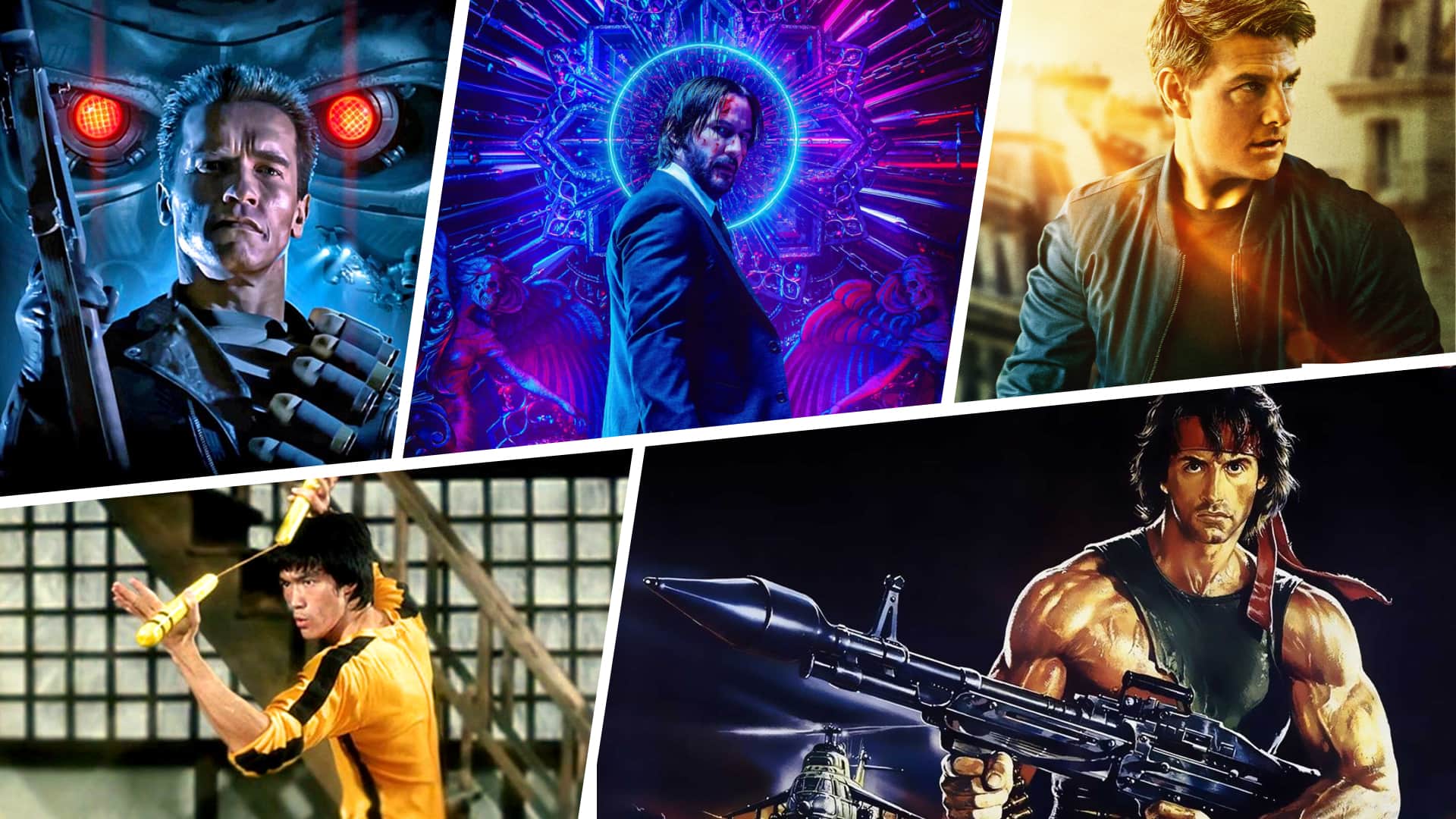
An action actor is a specialized performer in film, television, and live entertainment who combines traditional dramatic acting skills with advanced physical training, stunt capabilities, and rigorous safety coordination to execute high-intensity movement sequences on screen.
Understanding the Role of the Action Actor
The modern entertainment industry demands performers who can seamlessly transition from emotional dialogue scenes to intense physical choreography. An action actor is distinct from a traditional stunt double, although many professionals cross over between the two disciplines. While a stunt double steps in to perform high-risk falls, vehicular crashes, or complex combat choreography where the actor's face is obscured, an action actor executes their own fight sequences, tactical movements, and physical feats with the camera framed directly on them. This dual capability allows directors to maintain narrative continuity and emotional intensity during high-stakes sequences without cutting away to a double.
Stepping into this career path requires a comprehensive understanding of physical conditioning, dramatic training, and industry safety standards. Performers must possess exceptional spatial awareness, body control, and endurance. Furthermore, they must master the language of cinematic movement—understanding how to sell a punch, react to an explosion, or handle weapons safely and convincingly on camera. The relationship between the action actor, the stunt coordinator, and the director forms the backbone of any successful physical sequence in modern filmmaking.
Core Physical and Technical Prerequisites
Before stepping onto a professional set, an action actor must build a formidable foundation in physical fitness, martial arts, and specialized movement arts. Unlike standard athletic training, the training required for action performance emphasizes safety, control, and repeatability over raw competition or speed. Performers need to execute the exact same movement sequence identically take after take, often under extreme environmental conditions and tight production schedules.
Most successful action performers cross-train across multiple disciplines to create a versatile toolkit. Common foundational areas include:
- Martial Arts and Combat Sports: Disciplines like Muay Thai, Brazilian Jiu-Jitsu, boxing, and traditional wushu or taekwondo build striking power, grappling control, and fluidity of movement.
- Gymnastics and Acrobatic Training: Spatial awareness, tumbling, and wire-work training help performers understand how to fall safely, absorb impact, and manage their bodies in mid-air.
- Weapon Handling and Tactical Movement: Safe handling of prop firearms, edged weapons, and tactical clearing techniques ensures authenticity in military, thriller, and sci-fi productions.
- Flexible Conditioning: High-intensity interval training (HIIT) combined with mobility work prevents injuries and builds the cardiovascular stamina required for grueling shooting days.
Training, Education, and Craft Development
While raw physical ability opens doors, professional acting capability keeps an action actor employed. A performer who can throw an impressive roundhouse kick but cannot deliver a compelling line of dialogue will struggle to land substantial roles. Consequently, aspiring action performers must invest equal time in conservatory-style acting training, scene study, and emotional preparation.
Training programs often involve specialized stunt schools that focus specifically on cinematic combat, camera blocking, and safety protocols. These institutions teach performers how to throw punches that miss by inches while looking like direct hits from the camera's perspective, a technique known as "selling" the impact. Additionally, actors must learn how to react physically to unseen forces, such as simulated shockwaves or projectile impacts, using imagination and precise timing.
| Skill Category | Core Components | Primary Cinematic Application |
|---|---|---|
| Dramatic Acting | Scene study, emotional depth, line delivery | Maintaining character arc during intense physical narratives |
| Screen Combat | Stage fighting, martial arts, weapon choreography | Hand-to-hand combat scenes and sword fights |
| Acrobatics & Falls | Wire work, high falls, rolling, tumbling | Explosions, vehicle impacts, and dynamic movement |
| Tactical Skills | Firearm safety, tactical movement, formations | Military, law enforcement, and action-thriller roles |
Navigating Auditions and Showreels
Breaking into the action market requires specialized marketing materials that differ significantly from those of dramatic actors. Traditional headshots are necessary, but casting directors and stunt coordinators casting action roles demand visual proof of physical capability. This is where a targeted action reel becomes the most critical asset for any aspiring performer.
An effective action reel should be concise, typically lasting between sixty and ninety seconds. It must feature clean, well-lit footage showcasing the performer executing real combat choreography, movement, and acting moments. Shaky phone footage or poorly lit gym videos often hinder an actor's prospects. Industry professionals look for clarity of movement, rhythm, and emotional engagement even while physical exertion is high. Collaborating with professional cinematographers and stunt coordinators to shoot custom action scenes specifically for a reel has become an industry-standard practice for newcomers.
Safety Protocols and Risk Management on Set
Safety is the absolute priority on any professional production featuring physical action. Action actors work closely with stunt coordinators, assistant directors, and safety officers to map out every movement before a single camera rolls. The stunt coordinator acts as the ultimate authority on whether a sequence can be executed safely under the given conditions.
Performers must understand their own physical limits and communicate transparently with the production team. Fatigue, dehydration, or unfamiliar equipment can quickly turn a routine physical sequence into a hazardous situation. Comprehensive risk assessments, rigorous rehearsals, and mandatory safety meetings (commonly known as safety tailgates) precede every complex action sequence. Adhering strictly to these protocols protects not only the actor but the entire cast and crew working in the vicinity.
Frequently Asked Questions
What is the difference between a stunt double and an action actor?
A stunt double is a specialized professional who replaces an actor during high-risk physical sequences, such as major falls, crashes, or complex fights where the face is not visible. An action actor is a principal cast member who performs their own physical choreography, combat, and movement sequences while remaining on camera to maintain narrative and emotional continuity.
Do I need prior martial arts experience to become an action actor?
While prior martial arts or athletic experience provides a significant advantage, it is not strictly mandatory. Many successful performers enter the industry with strong acting backgrounds and undergo intensive, specialized training in screen combat, acrobatics, and tactical movement to prepare for specific roles.
How do action actors protect themselves from injury?
Action actors mitigate injury risk through rigorous cross-training, proper conditioning, and strict adherence to set safety protocols. They work closely with stunt coordinators to rehearse movements repeatedly at reduced speeds, utilize appropriate protective padding, and rely on controlled camera angles and editing techniques to enhance safety.
What should be included in an action actor showreel?
An action showreel should feature concise, high-quality clips demonstrating both physical skill and dramatic acting capability. It should highlight clean combat choreography, movement versatility, and emotional performance under physical exertion, avoiding cluttered or poorly lit footage that obscures the performer's technique.
Can traditional actors transition into action roles?
Yes, many traditional actors successfully transition into action roles by undertaking dedicated physical training. Studios frequently seek actors who can handle demanding physical schedules because it allows directors greater flexibility in framing scenes and reduces the need for constant cuts between the principal actor and a double.
Next Action: To begin your journey as an action actor, enroll in a reputable screen combat or stunt training facility to build a verified foundation in safe physical performance while simultaneously developing your dramatic acting portfolio.