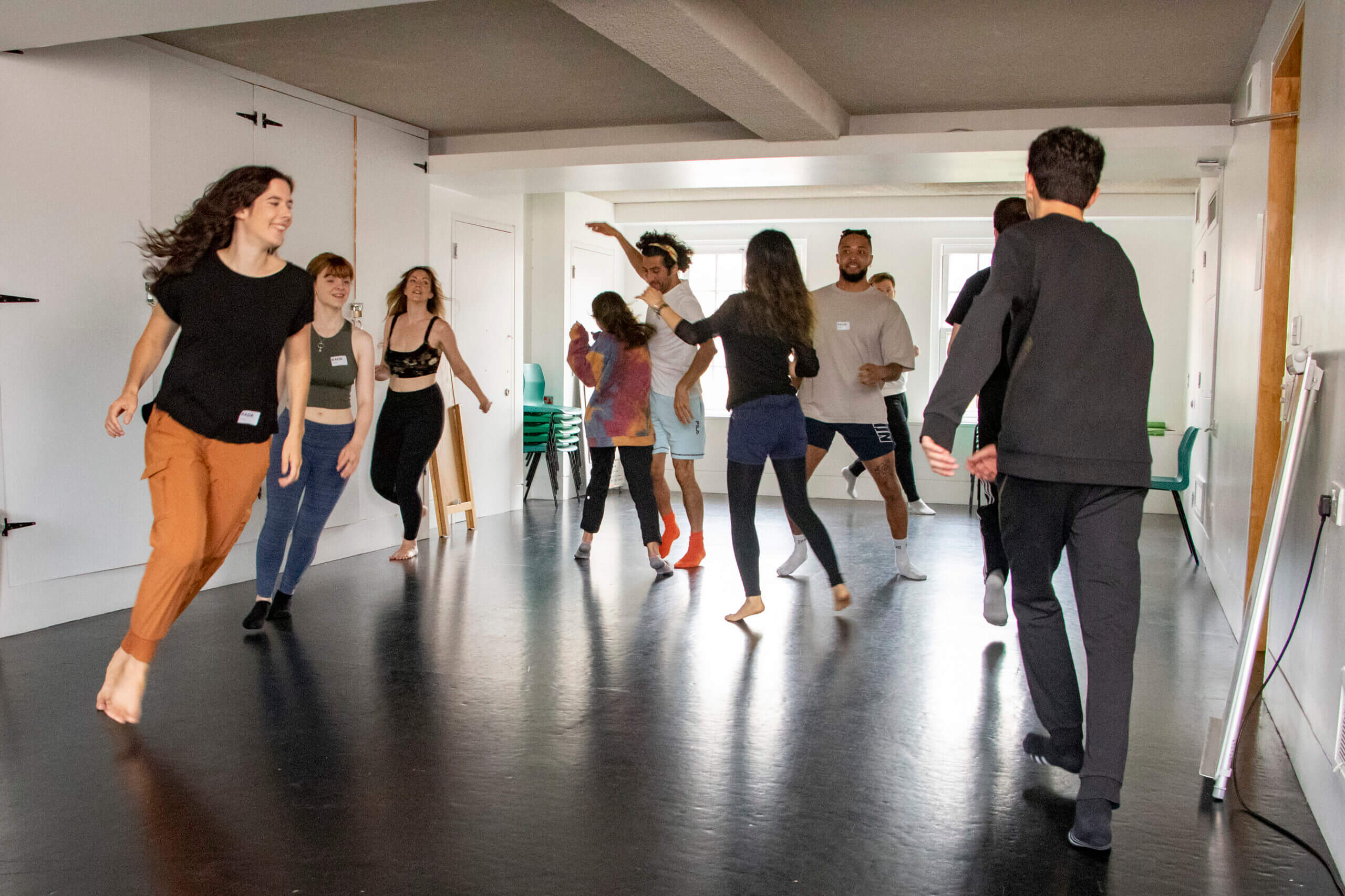
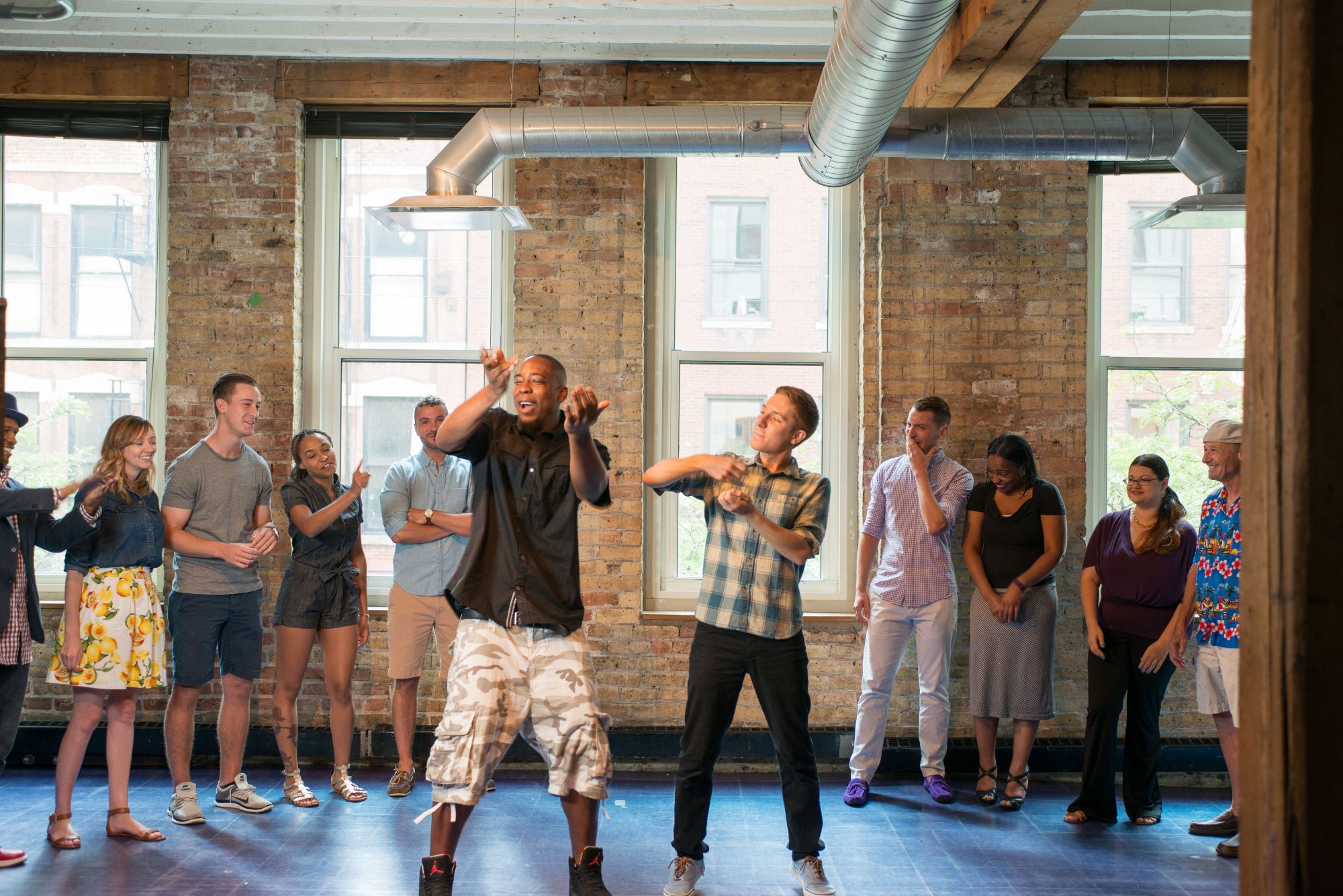
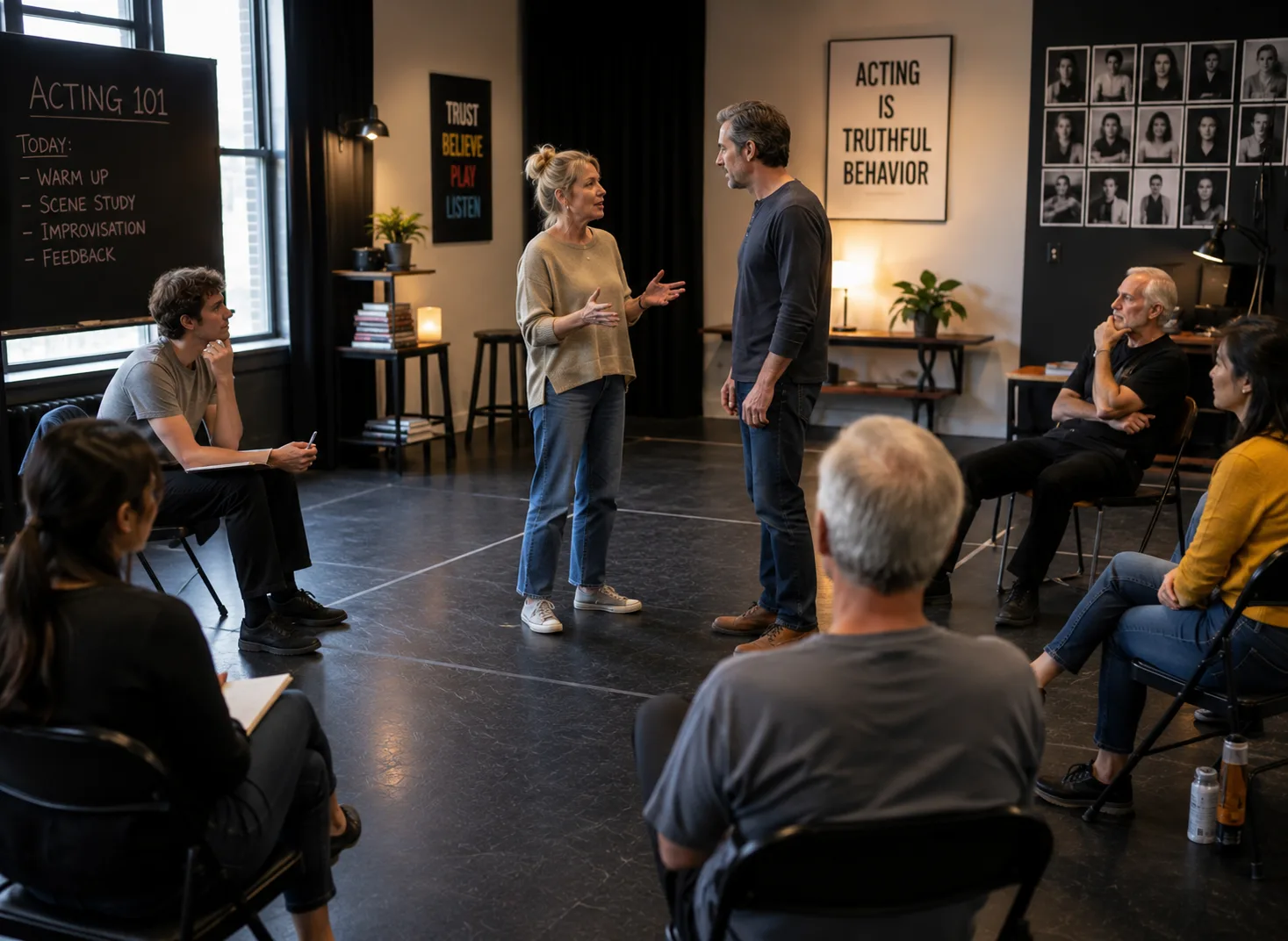
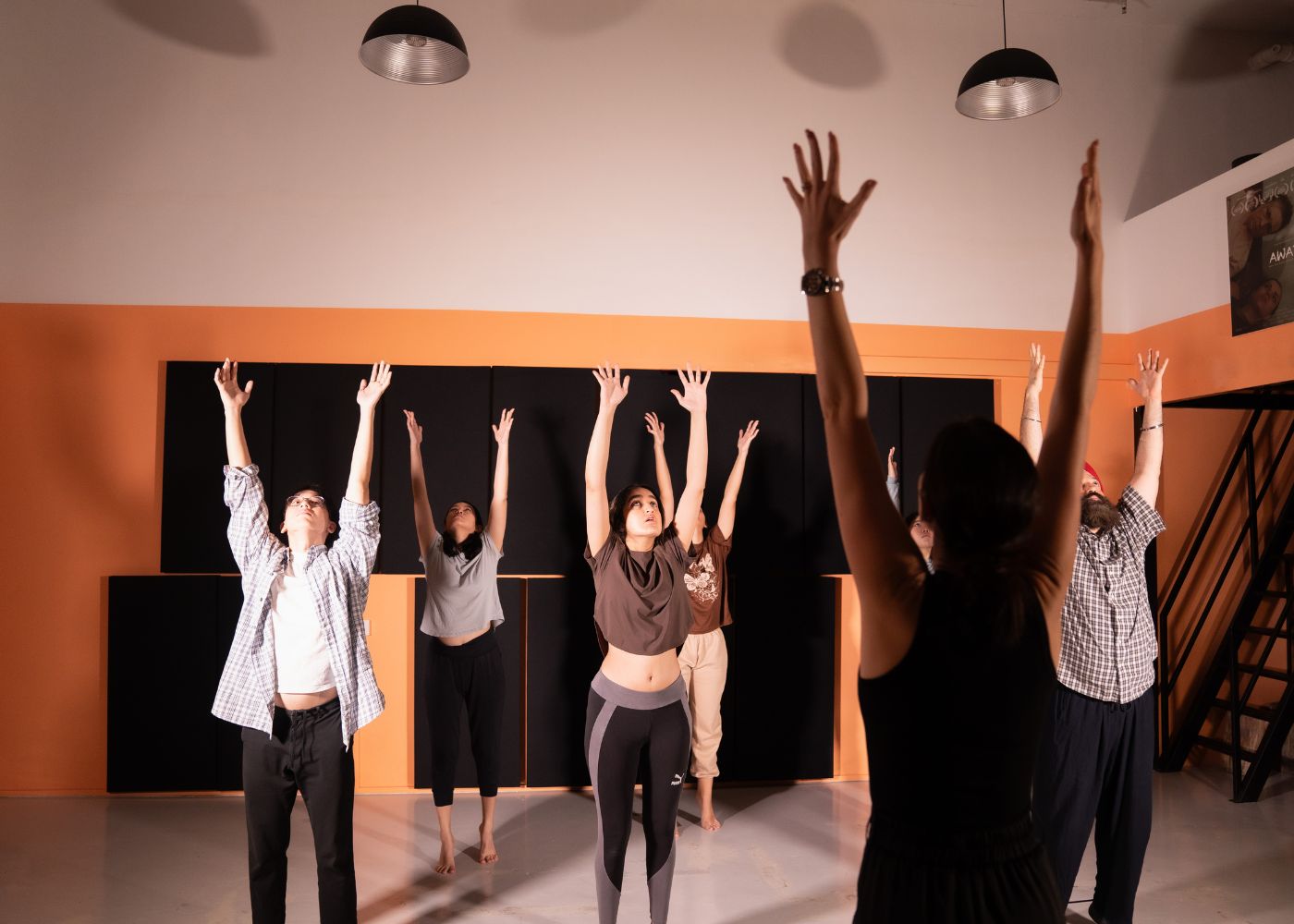
Acting training encompasses the systematic development of an actor’s vocal, physical, and psychological instruments to build believable characters and sustain compelling performances across stage and screen. It involves rigorous study of established acting methodologies, voice projection, movement techniques, text analysis, and camera technique, equipping performers with the technical control required to make creative choices repeatable under professional production conditions.
Understanding the Fundamentals of Acting Training
At its core, professional acting training bridges the gap between raw natural instinct and reliable technical execution. While many individuals possess innate emotional sensitivity or charisma, relying solely on intuition often leads to inconsistent performances, vocal strain, or an inability to adjust choices when working under tight production schedules. Systematic training provides actors with a toolkit to access their emotional lives safely, analyze dramatic texts accurately, and physicalize characters without injuring themselves.
The foundation of any serious training program rests on three primary pillars: voice, movement, and psychological technique. Voice work teaches actors how to project across large theatrical spaces, maintain vocal health during intensive runs, and alter their pitch, resonance, and dialect to match specific characters. Movement training builds physical awareness, spatial control, and postural flexibility, enabling performers to embody characters whose physical habits differ entirely from their own. Psychological and textual techniques provide the intellectual framework needed to dissect a script, uncover subtext, and identify a character's objectives and obstacles.
Major Acting Methodologies and Techniques
Over the past century, several foundational acting techniques have shaped modern performance education. Understanding these methodologies allows actors to select training programs that align with their creative goals and performance preferences.
The Stanislavski System, developed by Constantin Stanislavski at the Moscow Art Theater, serves as the bedrock for modern Western acting. It emphasizes psychological realism, emotional memory, "magic if" scenarios, and physical actions that drive emotional states. Lee Strasberg later adapted these concepts into Method Acting in the United States, placing heavy emphasis on affective memory and personal substitution, where actors draw upon their own past experiences to evoke authentic emotions for a role.
In contrast, techniques such as Meisner, Chekhov, and practical aesthetics focus more on external listening and imaginative transformation. The Meisner technique, created by Sanford Meisner, trains actors to live truthfully under imaginary circumstances by shifting their absolute focus onto their scene partner through repetitive exercises. Michael Chekhov’s psychophysical approach utilizes gestures and archetypal imagery to stimulate emotional responses from the outside in. David Mamet and William H. Macy developed Practical Aesthetics to give actors a clear, objective-driven approach to text analysis that minimizes self-indulgence and emotional manipulation.
| Methodology | Primary Focus | Key Originator / Developer | Core Exercise or Tool |
|---|---|---|---|
| The Stanislavski System | Psychological realism and objective-driven action | Constantin Stanislavski | The "Magic If" and objective analysis |
| Method Acting | Affective memory and emotional recall | Lee Strasberg | Personal substitution and sensory work |
| The Meisner Technique | Behavioral responsiveness and active listening | Sanford Meisner | Repetition exercise |
| Michael Chekhov Technique | Psychophysical movement and archetype | Michael Chekhov | Psychological gesture |
| Practical Aesthetics | Action-based textual analysis | David Mamet & William H. Macy | The "That Which is Happening" analysis |
Evaluating Types of Acting Programs
Aspiring and working actors face a wide array of educational formats, ranging from multi-year university degrees to part-time community workshops and specialized on-camera classes. Each format serves distinct career stages and professional requirements.
University programs, such as a Bachelor of Fine Arts (BFA) or a Master of Fine Arts (MFA) in acting, offer immersive, multi-year conservatory training embedded within an academic institution. These programs provide deep exposure to classical text, stage combat, voice, movement, and theater history. They are well-suited for individuals seeking comprehensive, foundational training over several years, though they often require significant financial investment and time commitment.
Independent conservatories and studio programs operate outside traditional universities, often located in major entertainment hubs like New York City, Los Angeles, London, or Chicago. Studios such as the Identity School of Acting, the Stella Adler Studio of Acting, or the Baron Brown Studio focus intensely on specific techniques. They cater to actors seeking targeted professional development, networking opportunities with casting directors, and flexible scheduling that accommodates auditioning and working professionals.
Essential Components of Comprehensive Curriculums
A robust acting training curriculum balances classical discipline with contemporary media requirements. Without a structured balance between stage and screen preparation, actors often find themselves ill-equipped for the rapid transitions demanded by modern casting pipelines.
The following checklist outlines the essential modules found in comprehensive professional training programs:
- Vocal Technique: Breath support, articulation, diction, accent reduction, and projection training for stage and microphone work.
- Physical Conditioning: Stage combat, period movement, Laban movement analysis, yoga, or Alexander Technique to eliminate physical tension.
- Text and Script Analysis: Deconstructing dramatic structure, identifying beats, discovering subtext, and scoring a script for intentions and obstacles.
- On-Camera Technique: Adjusting scale for close-up frames, hitting marks, maintaining continuity across multiple takes, and managing self-tape auditions.
- Improvisation: Developing spontaneity, building trust with scene partners, and learning to make bold, risk-taking choices without over-relying on pre-planned blocking.
Navigating Costs, Commitments, and Career Integration
Investing in acting training requires careful financial and logistical planning. Tuition fees vary drastically, ranging from nominal costs at public universities and community workshops to tens of thousands of dollars per year for elite private conservatories. Actors must evaluate return on investment by researching alumni placement records, teaching faculty credentials, and the institution's connection to regional theaters and casting offices.
Beyond financial costs, the time commitment can conflict with professional availability. Many actors balance part-time survival jobs with intensive evening or weekend classes. It is crucial to select programs that offer sustainable schedules, preventing burnout while maintaining steady artistic growth. Furthermore, training should not be viewed as a finite phase that ends upon graduation; professional actors continuously take master classes, dialect coaching, and scene study workshops to keep their instruments sharp between engagements.
Common Pitfalls in Acting Education
Actors often encounter several common traps during their training journey. Recognizing these pitfalls helps performers maximize their educational investments and avoid stagnation.
One frequent mistake is chasing trends or studying with instructors simply because they are popular among specific celebrity circles, rather than choosing a method that genuinely addresses the actor's individual weaknesses. Another pitfall is intellectualizing the work—over-analyzing a script to the point where the performance becomes academic, rigid, and devoid of spontaneous life. Conversely, relying entirely on raw emotion without technical control leads to inconsistent performances and rapid emotional fatigue. A balanced approach respects both the intellectual rigor of text analysis and the visceral freedom of physical and emotional expression.
How Do I Choose the Right Acting Class for My Current Skill Level?
Assess your immediate professional goals and technical gaps, then audit classes at reputable studios to observe instructor feedback styles and student progress. Beginners should prioritize foundational classes focusing on relaxation, listening, and basic script analysis, while experienced professionals benefit from targeted master classes, on-camera scene study, or specialized voice and movement workshops.
Is a Drama School Degree Essential for a Professional Acting Career?
A formal drama school degree is not legally required to work as an actor, and many successful performers are self-taught or trained through independent studios. However, a degree program provides a structured, immersive environment, conservatory-level networking, and rigorous technical grounding that can accelerate an actor's readiness for high-level stage and screen work.
How Much Does Professional Acting Training Cost?
Costs vary widely depending on the institution and format. Independent drop-in classes or community workshops may charge per session or month, ranging from $150 to $500 monthly. Full-time independent conservatories and university BFA or MFA programs can cost anywhere from $10,000 to over $50,000 annually in tuition, depending on public or private status and residency.
How Often Should Working Actors Continue Their Training?
Even working actors benefit from maintaining ongoing training habits, often participating in weekly scene study classes, periodic dialect coaching, or short-term workshops. Continuous training keeps the actor's creative instrument flexible, prevents complacency, and provides a safe space to take artistic risks outside the pressures of commercial auditions.
What Is the Difference Between Stage and Screen Acting Training?
Stage acting requires amplified physical movement, vocal projection, and sustained emotional energy to reach audiences sitting far from the stage. Screen acting relies heavily on internal thought processes, subtlety, and vocal restraint, as the camera and microphone capture microscopic facial expressions and whispers within intimate frames. Comprehensive training programs teach actors how to scale their performances appropriately for both mediums.
Action Steps for Selecting and Enrolling in Training
Begin your training journey by conducting an honest self-assessment of your current strengths and weaknesses—such as vocal projection, on-camera comfort, or script analysis. Research local independent studios and academic institutions, read reviews from verified alumni, and request to audit classes before committing funds. Prepare a contemporary monologue and a headshot, as many reputable programs require an audition or interview for admission. Establish a sustainable budget and schedule that allows you to train consistently without compromising your ability to audition and work in the industry.