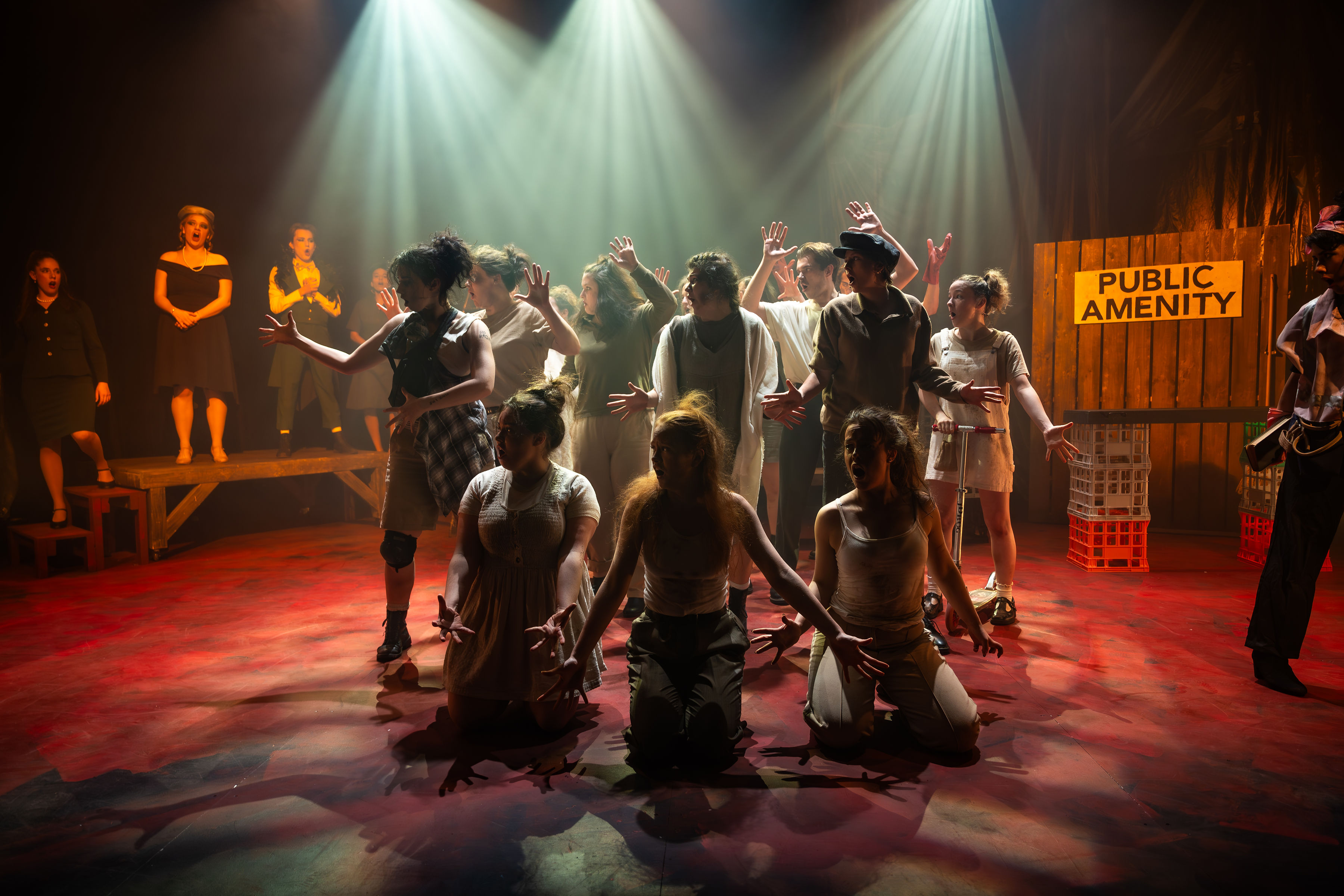
The intersection of acting and music creates a multi-dimensional performance framework where vocal cadence, emotional resonance, and rhythmic timing reinforce one another. Performers who integrate both disciplines leverage shared foundations in breathing, character interpretation, and audience connection to elevate their stage and screen execution.
The intersection of performance disciplines represents a rich area of study for both stage actors and musicians seeking to expand their expressive range. While traditionally treated as separate tracks in formal conservatory training, acting and music share foundational principles that enhance one another. Understanding how these two arts interact allows performers to build deeper characters, control their physical instruments with greater precision, and deliver more compelling interpretations.
Foundational Synergies Between Vocal Delivery and Musicality
At the core of both acting and music is the human voice. A trained actor utilizes pitch, tone, resonance, and projection to communicate subtext and emotional states. Similarly, a vocalist manipulates these exact variables to convey the emotional landscape of a composition. When an actor studies musical phrasing, they often develop a heightened awareness of rhythm in spoken dialogue, preventing flat deliveries and introducing natural peaks and valleys to dramatic text.
Conversely, musicians who study acting learn how to break through technical perfection to find the genuine narrative beneath the notes. A musical composition tells a story, and the performer must inhabit that narrative much like an actor inhabits a script. By applying dramatic beat analysis to a musical piece, instrumentalists and vocalists can identify the inciting incident, climax, and resolution within a score, resulting in a more communicative and emotionally resonant performance.
Rhythmic Integration and Physical Timing
Timing is a critical variable in both disciplines. In music, rhythm dictates the tempo, meter, and synchronization between performers. In acting, timing dictates comedic delivery, dramatic tension, and the kinetic flow of a scene on stage or in front of a camera. The concept of the "beat" exists in both worlds: musical beats structure the temporal flow of sound, while theatrical beats mark shifts in thought, intention, or power dynamics between characters.
When actors cultivate a strong sense of internal rhythm, their physical movements become more intentional and visually engaging. They learn to move across a stage with the fluidity of a dancer or the precise timing of a percussionist. This physical awareness prevents awkward blocking and ensures that movement complements the emotional weight of the dialogue rather than distracting from it.
| Performance Element | Application in Acting | Application in Music | Shared Objective |
|---|---|---|---|
| Tempo | Pacing dialogue and dramatic tension | Controlling musical speed and meter | Managing audience engagement and narrative momentum |
| Dynamics | Shifting volume and emotional intensity | Controlling volume (piano/forte) and emphasis | Creating contrast and highlighting emotional peaks |
| Phrasing | Grouping words into meaningful thoughts | Shaping musical lines for expressive flow | Communicating clear intent and avoiding monotony |
| Subtext | Unspoken motivations behind lines | Emotional weight behind the notes | Establishing authenticity and psychological depth |
Training Methodologies and Cross-Disciplinary Practice
Modern conservatory training programs increasingly recognize the value of cross-disciplinary education. Actors are frequently required to take basic ear-training, sight-singing, or movement classes to expand their sensory awareness. Similarly, contemporary music programs often incorporate stage movement and improvisation to help musicians overcome performance anxiety and physical stiffness.
Improvisation serves as a powerful bridge between the two fields. Musical improvisation relies on listening, reacting within a structured chord progression, and trusting spontaneous creative choices. Theatrical improvisation utilizes the exact same neurological pathways: accept, advance, listen, and respond. Practitioners who train in both forms develop exceptional reflexes, allowing them to adapt seamlessly to unexpected stage occurrences or collaborative changes in real-time.
Technical Considerations in Musical Theatre and Film Scoring
The fusion of acting and music is most visible in musical theatre, opera, and film scoring. In these mediums, the performer cannot rely solely on spoken text or pure instrumentation.
- Character Integration: The transition from spoken dialogue to song must feel organic, requiring the actor to maintain psychological continuity as the medium shifts from speech to melody.
- Breath Management: Sustaining long musical phrases while maintaining physical posture and emotional vulnerability demands advanced diaphragmatic control, a technique shared by classical stage actors and opera singers.
- Microphone Technique: Screen actors and modern vocalists must understand how microphone placement affects vocal dynamics, requiring subtle adjustments in projection compared to proscenium stage environments.
Navigating these technical demands requires rigorous rehearsal discipline. Performers must practice singing under physical exertion, running lines while maintaining a steady tempo, and adjusting their interpretive choices based on the acoustic properties of different performance spaces.
Common Pitfalls and How to Avoid Them
Integrating acting and music presents distinct challenges, and performers often encounter specific traps when attempting to master both disciplines simultaneously.
- Over-Intellectualizing the Performance: Focusing too heavily on technical correctness—such as hitting exact notes or memorizing every micro-beat of dialogue—can strip a performance of its spontaneity and emotional truth.
- Neglecting Vocal Health: Combining aggressive theatrical projection with belting or high-register singing without proper vocal warm-ups can lead to strain, nodules, or long-term vocal damage.
- Treating Music and Acting as Separate Entities: In musical performance, actors sometimes "act" during the dialogue scenes and merely "sing" during the musical numbers, creating a jarring disconnect in character consistency.
To avoid these pitfalls, performers should prioritize holistic rehearsal strategies. Integration exercises, such as speaking text to a metronome or singing a song while walking through a complex physical blocking sequence, help build muscle memory and mental flexibility.
Frequently Asked Questions
Can an actor succeed professionally without musical training?
Many successful screen and stage actors possess little to no formal musical training. However, foundational musicality—such as an ear for pitch, rhythm, and vocal modulation—significantly enhances an actor's versatility, particularly in voiceover work, classical theatre, and musical theatre productions.
How does learning an instrument help with script analysis?
Learning an instrument trains the brain to recognize patterns, structural motifs, and thematic variations. When applied to a dramatic script, this analytical framework helps performers identify structural arcs, recurring motifs in character behavior, and moments of tension and release.
What is the best way to transition from straight acting to musical theatre?
Transitioning performers should work with a qualified vocal coach to establish safe breath support and range extension. Pairing vocal coaching with dance or movement classes helps bridge the gap between spoken performance and physicalized musical expression.
Is breath control different for actors and singers?
The underlying diaphragmatic mechanics are identical, but the application differs. Singers require sustained, regulated breath support for long musical phrases, whereas actors often need explosive, variable breath control to support sudden shifts in emotional intensity and physical projection.
How do casting directors view multi-disciplinary performers?
Casting directors generally view versatility as a major asset, especially in theatre and commercial projects. A performer who can handle both text-based drama and musical performance provides production teams with greater flexibility during the casting process.
Strategic Next Steps for Cross-Disciplinary Development
Performers looking to deepen their mastery of both disciplines should start by auditing classes outside their primary comfort zone. If you are primarily an instrumentalist or vocalist, enroll in an introductory scene study or Meisner-based acting class to explore text interpretation. If you are primarily an actor, take a basic musicianship or vocal training course to build rhythmic and tonal awareness. Document your progress through recorded practice sessions, evaluating how your physical tension, vocal clarity, and emotional delivery evolve as your cross-disciplinary skills improve.