An acquisition framework is a structured, repeatable methodology used by organizations to attract, evaluate, and onboard customers, talent, or corporate assets. By combining data-driven channel selection, standardized evaluation metrics, and clear operational milestones, it transforms unpredictable growth efforts into a measurable, scalable system.
Organizations often struggle with volatile growth metrics, unpredictable customer acquisition costs, and misaligned internal incentives. Without a centralized methodology, marketing teams chase fleeting trends, human resources departments scramble to fill vacancies reactively, and corporate development groups pursue misaligned mergers. Developing a robust acquisition framework establishes the guardrails, criteria, and operational workflows necessary to achieve sustainable scaling. This guide examines the core mechanics, structural components, operational requirements, and strategic implementation of acquisition frameworks across diverse organizational applications.
Defining the Core Components of an Acquisition Framework
At its foundation, any operational acquisition framework relies on three interdependent pillars: targeting criteria, channel architecture, and conversion mechanics. Without alignment between these elements, structural breakdowns occur, leading to wasted capital and strained operational bandwidth.
Targeting criteria define the exact profile of the entity being acquired. In customer acquisition, this takes the form of an ideal customer profile or buyer persona, detailing firmographic data, behavioral triggers, and pain points. In corporate development, targeting criteria involve minimum revenue thresholds, technological compatibility, and cultural alignment.
Channel architecture governs the pathways through which the organization reaches its targets. Whether utilizing outbound sales sequences, paid digital advertising, programmatic recruitment portals, or investment banking intermediaries, the chosen channels must match the habits and accessibility of the target audience.
Conversion mechanics represent the bridge between initial contact and finalized acquisition. This includes the technical infrastructure, legal documentation, and user experience flows that reduce friction. A well-designed framework continuously monitors these three pillars to identify bottlenecks and optimize resource allocation.
Prerequisites and Strategic Alignment Before Implementation
Deploying an acquisition framework requires rigorous internal preparation. Attempting to implement structural growth mechanisms without foundational readiness often amplifies existing organizational inefficiencies.
The first prerequisite is financial clarity. Stakeholders must establish clear unit economics, maximum allowable acquisition costs, and lifetime value projections. Without these financial guardrails, teams may acquire assets or customers that cost more to onboard than they return in long-term value.
The second prerequisite is technological infrastructure. Modern frameworks rely heavily on data collection, attribution modeling, and customer relationship management tools. Organizations must audit their existing tech stack to ensure it can capture, process, and report data in real time.
Finally, leadership must secure cross-functional buy-in. Acquisition is rarely the responsibility of a single department. Marketing, sales, finance, and legal teams must understand their specific roles within the broader framework and agree upon shared key performance indicators.
Comparing Customer, Talent, and Corporate Acquisition Frameworks
While the overarching goal of an acquisition framework remains consistent—bringing external value into the organization—the execution varies significantly depending on the specific asset class. The table below outlines the primary distinctions among customer, talent, and corporate acquisition frameworks.
| Framework Type | Primary Objective | Key Metrics | Typical Timeline | Core Challenges |
|---|---|---|---|---|
| Customer Acquisition | Drive revenue and market share | CAC, LTV, Conversion Rate | Days to Months | Attribution accuracy, market saturation |
| Talent Acquisition | Secure specialized skills and labor | Time-to-hire, Cost-per-hire, Retention | Weeks to Months | Talent scarcity, employer branding |
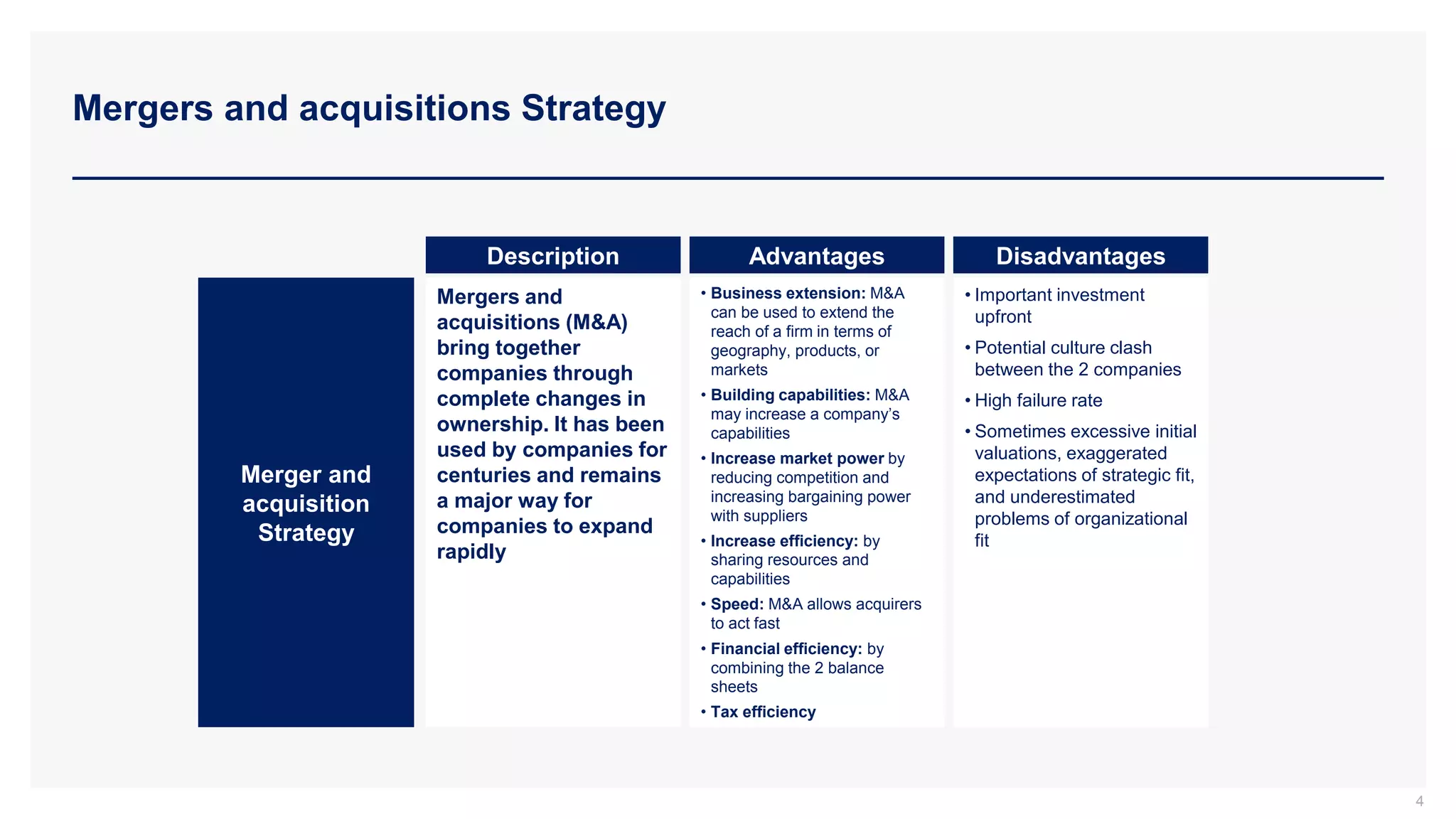
| Corporate Acquisition | Expand market footprint or technology | ROI, Integration velocity, Synergies | Months to Years | Cultural friction, regulatory hurdles |
Customer acquisition frameworks prioritize high-velocity data processing, automated funnel optimization, and scalable digital touchpoints. Talent acquisition frameworks focus heavily on employer value propositions, screening precision, and candidate experience. Corporate acquisition frameworks demand rigorous due diligence, legal compliance, risk assessment, and meticulous post-merger integration planning.
Step-by-Step Implementation of an Acquisition Framework
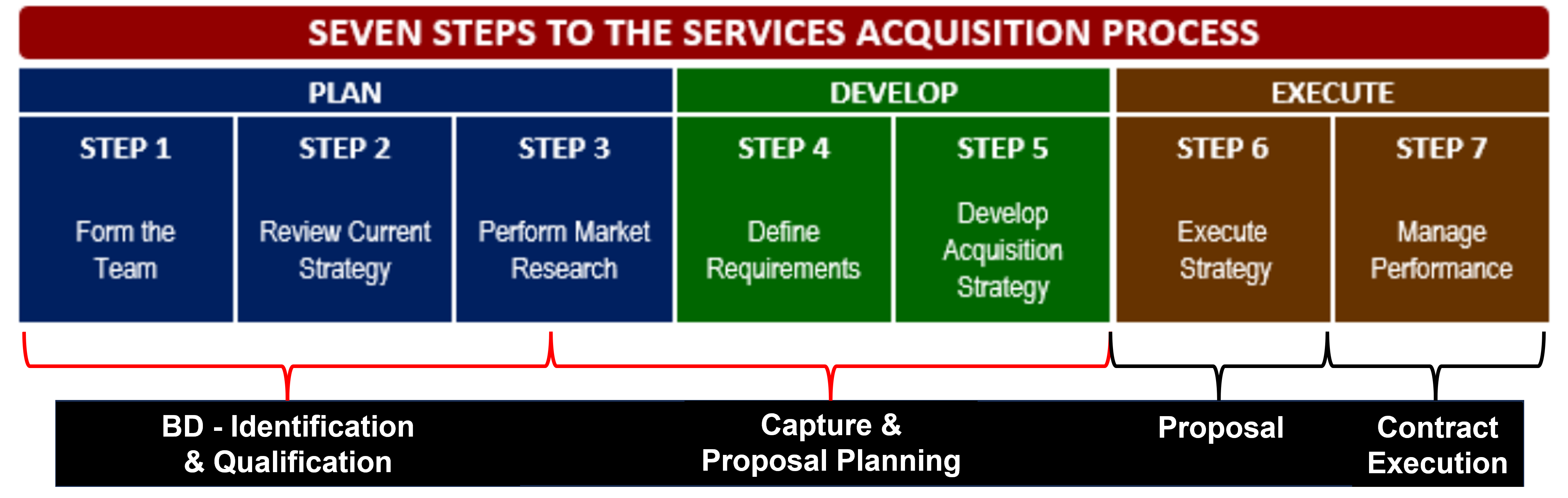
Implementing an acquisition framework requires a disciplined, sequential approach. Skipping phases or rushing through validation checks compromises the integrity of the entire system.
- Audit Existing Operations: Analyze historical acquisition data to identify past successes, failure points, baseline conversion rates, and current resource expenditures.
- Define Objectives and Constraints: Establish clear, quantifiable targets for volume, cost, and quality, alongside strict budget and regulatory limitations.
- Map the Target Journey: Document every touchpoint, evaluation gate, and decision-making milestone an entity passes through from initial awareness to final onboarding.
- Deploy Tracking and Attribution: Implement analytics tools, tagging structures, and reporting dashboards to measure performance at each stage of the journey.
- Execute Controlled Pilots: Launch targeted campaigns or pilot transactions within a restricted segment to test framework assumptions with minimal risk.
- Optimize and Scale: Review pilot data, eliminate friction points, reallocate capital to high-performing channels, and scale operations across the broader organization.
Overcoming Common Operational Mistakes and Bottlenecks
Even well-designed acquisition frameworks encounter friction during execution. Recognizing these pitfalls allows teams to implement proactive safeguards.
A frequent error is over-reliance on a single acquisition channel. If market conditions shift or platform algorithms change, organizations with undiversified channels experience immediate pipeline collapse. Frameworks must incorporate channel redundancy to maintain stability.
Another critical bottleneck is data siloing. When marketing, sales, and finance teams operate on disparate software platforms without unified reporting, attribution becomes distorted. This leads to misinformed budget allocations and finger-pointing during underperformance periods. Establishing a single source of truth through integrated data architecture resolves this issue.
Finally, organizations often neglect post-acquisition retention. Treating acquisition as a terminal event rather than the beginning of a long-term relationship results in high churn rates, negating the financial investments made during the initial onboarding phases.
Frequently Asked Questions
What is the primary purpose of an acquisition framework?
An acquisition framework provides a structured, repeatable methodology for identifying, attracting, evaluating, and onboarding customers, talent, or corporate assets. It replaces ad-hoc growth efforts with measurable, data-driven systems designed to optimize resource allocation and improve conversion predictability.
How do customer acquisition costs impact the framework design?
Customer acquisition costs establish the upper financial limit an organization can spend to secure an asset while maintaining profitability. Framework designs must incorporate these unit economics to ensure that chosen channels and conversion tactics deliver a positive return on investment over the asset's lifecycle.
Can a single acquisition framework be used for both hiring and sales?
No, hiring and sales require distinct operational workflows, regulatory compliance standards, and evaluation metrics. While the underlying strategic philosophy of defining targets and optimizing conversion funnels remains similar, the specific mechanics, legal requirements, and engagement channels differ entirely.
What role does technology play in modern acquisition frameworks?
Technology automates data collection, tracks attribution across multiple touchpoints, manages customer or candidate pipelines, and provides real-time analytics dashboards. A modern framework relies on integrated software tools to reduce manual friction and enable rapid decision-making based on accurate data.
How often should an organization update its acquisition framework?
Organizations should conduct formal framework reviews on a quarterly basis, with continuous monitoring of daily performance metrics. Market dynamics, competitive pressures, and algorithmic shifts require regular adjustments to channel strategies, targeting criteria, and conversion flows to maintain effectiveness.
What are the risks of neglecting post-acquisition integration?
Neglecting post-acquisition integration leads to cultural friction, operational inefficiencies, unfulfilled financial synergies, and high churn rates among newly acquired customers or employees. A sustainable framework must treat onboarding and integration as critical continuations of the initial acquisition effort.
Continuous Refinement and Strategic Adaptation
Building an effective acquisition framework is not a one-time project, but an ongoing operational discipline. Markets evolve, consumer behaviors shift, and competitive landscapes change rapidly. Organizations that treat their acquisition frameworks as living systems—continuously auditing data, testing new channels, and refining conversion mechanics—position themselves for resilient, long-term growth. By prioritizing structural clarity, financial discipline, and cross-functional alignment, decision-makers can turn acquisition from an unpredictable expense into a reliable engine for organizational expansion.