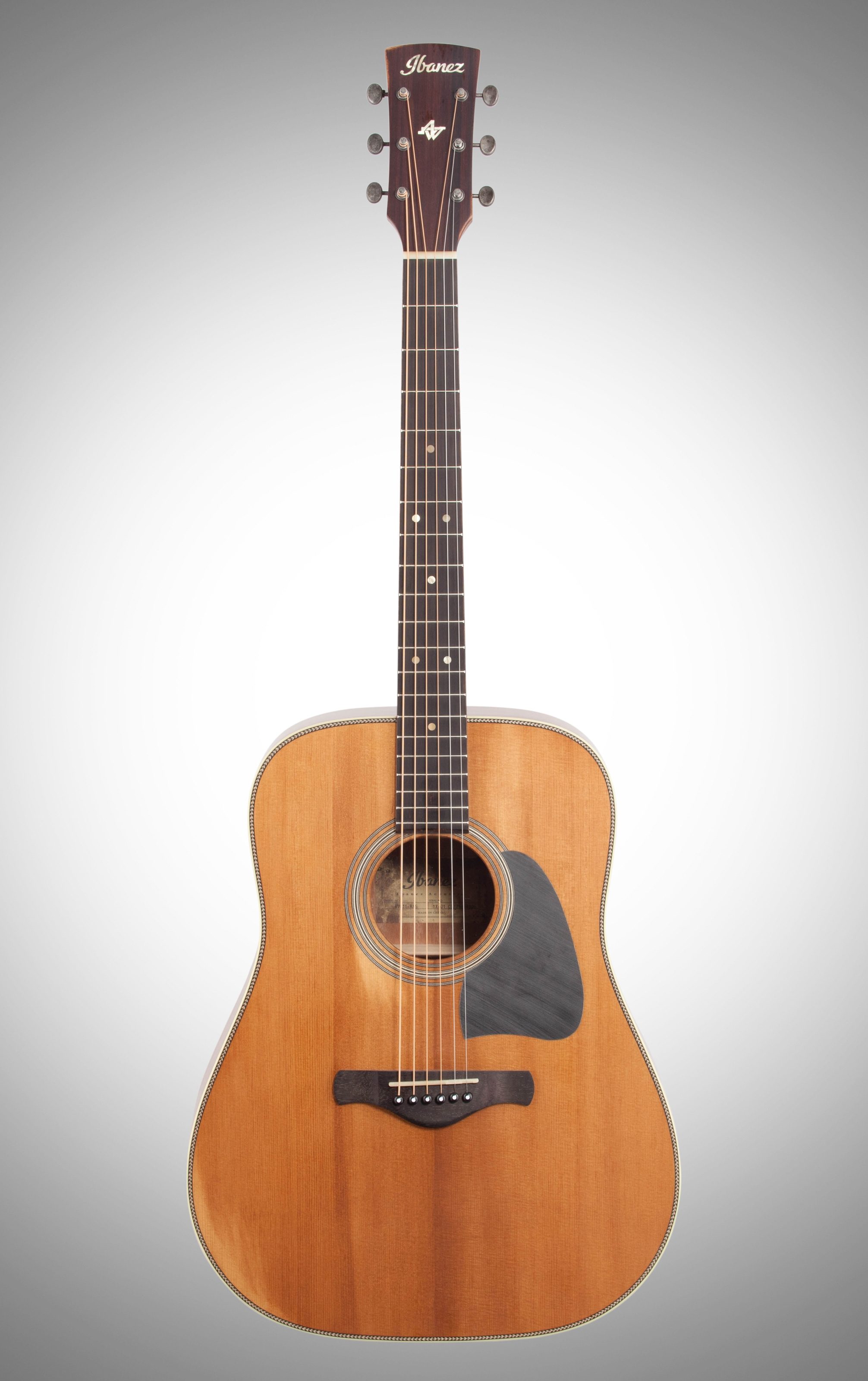
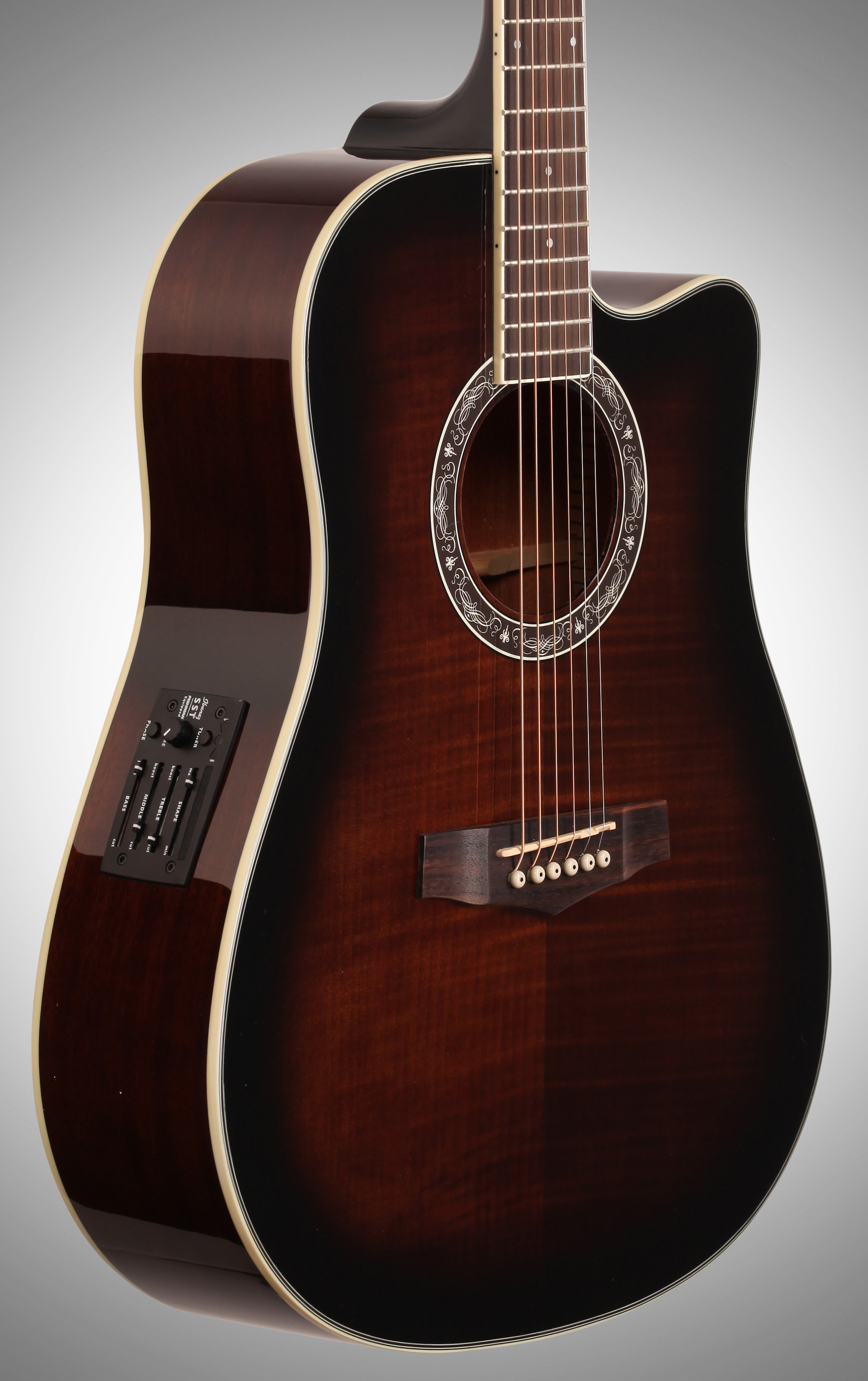
The acoustic guitar is a self-contained string instrument that produces sound entirely through acoustic means, transferring string vibrations directly through the bridge and soundboard into the hollow body chamber. Choosing the right instrument requires evaluating body shapes, tonewoods, scale lengths, and structural bracing to match your physical comfort and musical goals.
Anatomy and Physical Construction of the Acoustic Guitar
An acoustic guitar is an intricate assembly of specialized wood components designed to withstand immense structural tension while maximizing acoustic resonance. Understanding the physical layout of the instrument helps players evaluate build quality, diagnose tuning instability, and perform basic troubleshooting.
The instrument is broadly divided into three main sections: the headstock, the neck, and the body. The headstock houses the tuning machines—precision geared mechanisms that alter string tension to tune the instrument. From the headstock, strings pass over the nut, a small strip of bone, synthetic bone, or graphite that establishes the precise spacing and height of the strings above the fingerboard. The neck itself contains the fretboard, embedded with metal frets that divide the string into precise chromatic intervals. Beneath the fretboard, a steel truss rod runs the length of the neck, counteracting the immense pull of the steel strings and allowing technicians to adjust neck relief.
The body of the guitar serves as the primary acoustic amplifier. The soundboard, or top wood, is the single most critical component for tone generation; species such as Sitka spruce or western red cedar capture the energy of vibrating strings and project it outward. Bracing patterns glued to the underside of the soundboard—most commonly X-bracing—reinforce the thin wood against string tension while dictating how the top flexes and resonates. The soundhole, typically cut into the center of the upper bout, allows air inside the body chamber to pump in and out, reinforcing low-frequency response through Helmholtz resonance. Finally, the bridge anchors the strings to the soundboard via bridge pins, transferring vibrational energy directly into the top through the saddle.
Understanding Body Shapes and Acoustic Profiles
The physical dimensions and internal volume of an acoustic guitar body dictate its tonal balance, projection, and ergonomic suitability for different playing styles. Manufacturers employ several classic body shapes, each engineered for specific sonic and physical requirements.
The Dreadnought, originally developed by Martin in the early 20th century, features a large body with square shoulders and a wide waist. This shape delivers robust low-end response and high volume projection, making it the dominant choice for bluegrass flatpickers and rhythm players who need to cut through a mix. However, the sheer physical bulk of a dreadnought can prove challenging for smaller players or beginners.
At the opposite end of the spectrum, Concert and Grand Concert models offer smaller, more tapered waistlines and shallower depths. These instruments sacrifice some low-end power in favor of a focused midrange, crystalline treble clarity, and balanced string-to-string separation. Fingerstyle players frequently favor smaller-bodied guitars because they respond swiftly to delicate finger-picking and do not muddy complex polyphonic arrangements.
Jumbo guitars maximize internal air volume with wide, rounded lower bouts, delivering immense projection and rich, booming bass response that suits heavy strummers. Auditorium and Grand Auditorium designs bridge the gap, offering a comfortable waist contour similar to a concert guitar combined with a deeper body depth that retains broad frequency response.
Tonewoods and Materials Science
The selection of wood species for an acoustic guitar's top, back, sides, and neck fundamentally determines its voice, responsiveness, and aesthetic appeal. Tonewoods are broadly categorized into soundboard materials and back-and-side materials.
For the soundboard, softwood species dominate due to an optimal stiffness-to-weight ratio. Sitka spruce is the industry standard, offering high tensile strength, wide dynamic range, and a clear, direct tone that matures and opens up over years of playing. Adirondack spruce provides even greater headroom and stiffness, favored by players who demand aggressive attack without distortion. Cedar offers a warmer, darker, and more immediately responsive tone with rapid overtone generation, though it lacks the ultimate headroom of spruce and is softer against physical dents.
Back and sides do not vibrate as freely as the top, but they reflect and color the sound wave trapped inside the body. Mahogany produces a dry, woody, and focused midrange with prominent fundamental notes. Rosewood, including East Indian and rare Brazilian variants, imparts a scooped midrange paired with shimmering highs and deep, resonant lows. Maple offers a neutral, transparent acoustic signature with quick decay, making it popular for stage instruments where feedback control is paramount.
| Body Shape | Primary Tonal Characteristics | Best Suited For | Typical Physical Scale |
|---|---|---|---|
| Dreadnought | Deep bass, high volume, scooped mids | Flatpicking, bluegrass, heavy strumming | Full size (25.4" scale) |
| Concert / Grand Concert | Balanced mids, clear highs, focused tone | Fingerstyle, recording, smaller players | Compact (24.9" to 25.3" scale) |
| Grand Auditorium | Versatile, rich lows, articulate highs | General singer-songwriters, mixed technique | Mid-size (25.4" scale) |
| Jumbo | Immense projection, rich bass, wide spread | Stage performance, aggressive rhythm playing | Oversized (25.5" scale) |
Essential Accessories and Setup Requirements
Purchasing an acoustic guitar is only the first step; maintaining structural stability and playability requires specific accessories and periodic adjustments. Neglecting basic environmental controls or setup parameters can lead to irreversible warping, high string action, and intonation failure.
Humidity control is the single most vital maintenance factor for wooden instruments. Solid-wood acoustic guitars thrive in relative humidity levels between 45% and 55%. When exposed to dry winter air or forced-air heating, tonewoods contract, causing the soundboard to sink, frets to sprout sharp edges along the fingerboard edge, and the top to crack. Conversely, excessive humidity causes wood to swell, flattening the arch of the top and dampening projection. Using soundhole humidifiers in dry climates and sealed guitar cases with hygrometers prevents these structural failures.
String height, known as action, dictates physical comfort and fret buzz. High action requires excessive finger pressure, causing hand fatigue, while action set too low results in strings slapping against the metal frets. Adjusting action requires modifying the height of the bone saddle by sanding its bottom surface or adjusting the truss rod to alter neck relief.
Essential gear checklist for acoustic guitar ownership:
- Hard-shell case or heavy padded gig bag for transit and climate shielding.
- Clip-on chromatic tuner for precise pitch calibration in variable environments.
- Hygrometer to continuously monitor internal case or room humidity.
- Pack of quality acoustic strings (phosphor bronze or 80/20 bronze) matched to preferred tension.
- Microfiber cloth and specialized guitar polish to remove skin oils and corrosive sweat from the finish and frets.
Frequently Asked Questions
What is the difference between solid wood and laminate acoustic guitars?
Solid wood guitars feature tops, backs, and sides carved from single, continuous planks of harvested timber. These instruments possess superior resonance, dynamic range, and tonal maturation, meaning the wood improves as it ages and vibrates over time. Laminate guitars consist of thin layers of wood glued together under pressure. While laminate instruments are structurally durable, resistant to humidity changes, and significantly cheaper, they lack the acoustic complexity and depth of solid-wood builds.
How often should I change the strings on an acoustic guitar?
String change frequency depends entirely on playing time, skin chemistry, and environmental exposure. Active players who practice daily should change their strings every two to four weeks, while casual players can extend this to two or three months. Signs that strings require replacement include dull, thudding tone, visible corrosion or discoloration, and difficulty maintaining accurate intonation up the neck.
Can I install steel strings on a classical nylon-string guitar?
Never install steel strings on a classical guitar. Classical guitars lack an internal steel truss rod and feature lighter bracing patterns built exclusively to withstand the low tension of nylon strings. Installing steel strings generates triple the tension load, which will rapidly warp the neck, pull the bridge completely off the soundboard, and structurally ruin the instrument.
How do I stop my fingers from hurting when I start learning?
Fingertip pain during early practice sessions is a normal physiological response to pressing against steel wire. The skin on your fretting fingertips must build denser calluses over several weeks of consistent, short practice intervals. Avoid pressing harder than necessary to make a clean note, ensure your action is professionally adjusted so the strings sit low to the frets, and take short breaks whenever sharp pain or blistering occurs.
What causes an acoustic guitar to buzz when I play a note?
Fret buzz typically stems from three primary issues: string action set too low for your picking intensity, a warped neck lacking sufficient forward relief, or loose hardware such as tuning machine bushings. If the buzz occurs only on specific frets, those frets may be uneven and require professional leveling. If the buzz is open across all strings, adjusting the truss rod counter-clockwise by a quarter-turn often provides immediate relief.
Professional Evaluation and Next Actions
Selecting and maintaining an acoustic guitar requires balancing physical build quality against your personal ergonomic needs and musical application. Begin by visiting a reputable local music retailer to physically hold and test instruments across various body shapes and neck profiles. Pay close attention to how comfortably your right arm rests over the lower bout and whether your fretting hand reaches across the width of the nut without strain. Once you acquire an instrument, invest in a reliable hard-shell case, a hygrometer, and a professional setup from an experienced guitar technician to optimize string action and intonation. Regular care combined with proper environmental humidification ensures your instrument delivers stable performance and rich tonal resonance for decades.