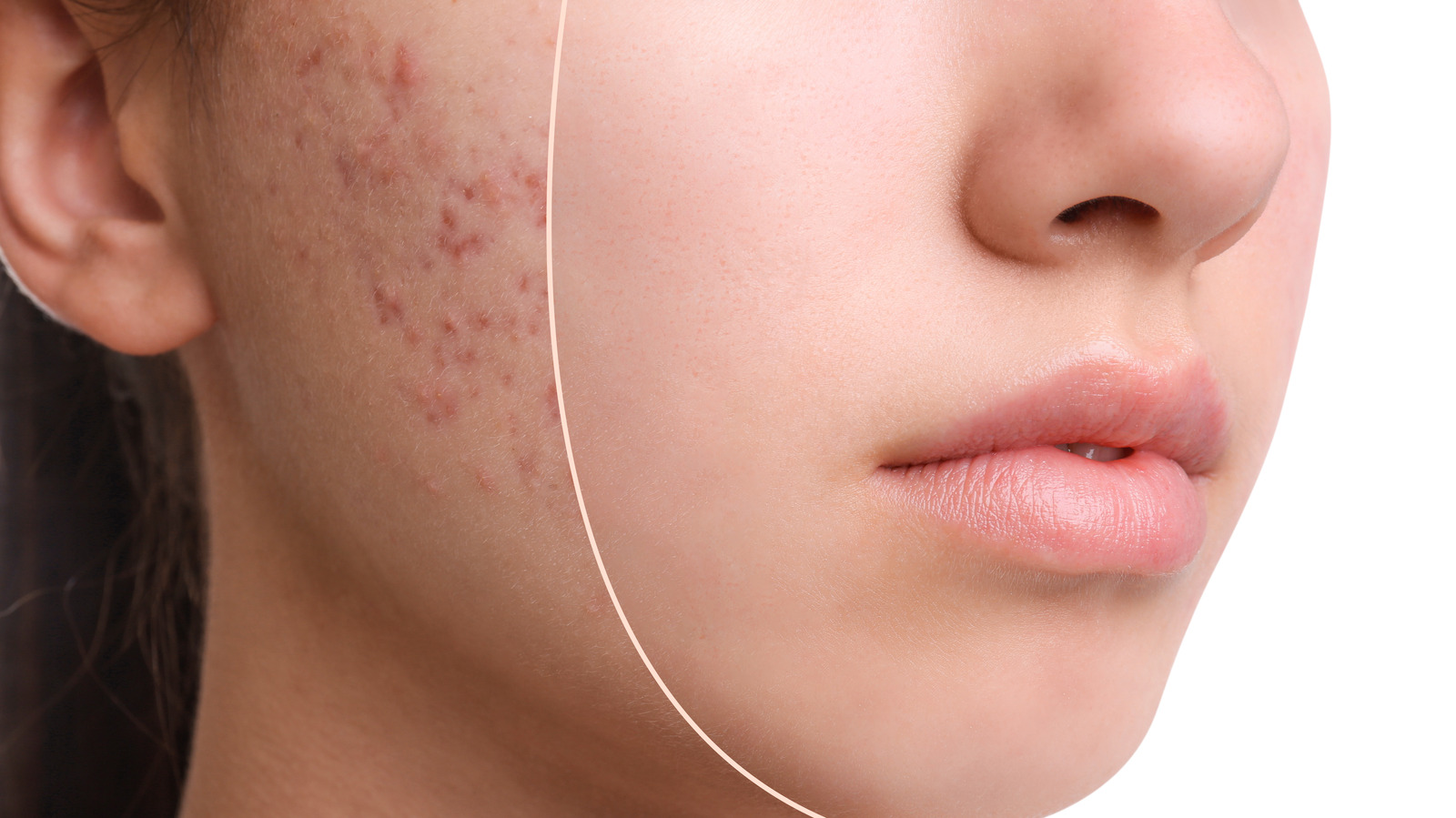
Acne scars are permanent structural changes and textural irregularities left behind in the skin following severe or inflammatory acne lesions. Effective management requires identifying whether marks are atrophic, hypertrophic, or hyperpigmented, as treatments range from topical retinoids and chemical peels to energy-based laser resurfacing and surgical subcision.
The journey to clear skin often concludes with an unexpected and frustrating final chapter: the marks left behind long after active breakouts have subsided. While many post-inflammatory color changes fade independently over time, true structural acne scars alter the physical architecture of the skin. Navigating the landscape of dermatological interventions requires a clear understanding of why these marks form, how they are classified, and which evidence-based therapies offer genuine improvement. Addressing them successfully is rarely a matter of applying a single over-the-counter cream; rather, it demands a strategic, customized approach tailored to individual skin types and scar morphologies.
The Pathophysiology of Acne Scars: Why and How They Form
Acne scars are the direct consequence of severe inflammation within the dermis caused by deep acne lesions such as cysts and nodules. When a pore becomes clogged with excess sebum, dead skin cells, and Cutibacterium acnes bacteria, the wall of the follicle can rupture. This triggers a robust immune response, sending white blood cells to attack the bacteria and causing localized tissue destruction.
The skin attempts to repair this structural trauma by producing collagen, the primary structural protein of the dermis. However, this healing process rarely restores the skin to its exact pre-injury state. If the body produces too little collagen during the healing phase, a depression or pit forms in the skin. Conversely, if the healing response becomes overactive and manufactures an excess of collagen, a raised, firm bump develops.
Genetics play a profound role in determining how an individual's skin responds to severe inflammation. Individuals with a personal or familial history of abnormal scarring—such as keloids—are significantly more susceptible to permanent textural damage. Furthermore, the practice of picking, squeezing, or manually extracting active acne lesions exacerbates dermal trauma, pushing inflammatory material deeper into the surrounding tissue and dramatically increasing the likelihood of permanent scarring.
Classifying Acne Scars: Atrophic, Hypertrophic, and Hyperpigmented
Before selecting any therapeutic intervention, a dermatologist must accurately classify the scars. Treatment protocols that excel at flattening raised scars will prove entirely ineffective—and potentially harmful—when applied to depressed textural losses. Clinical classification categorizes these lesions into three primary groups.
Atrophic Scars (Depressed)
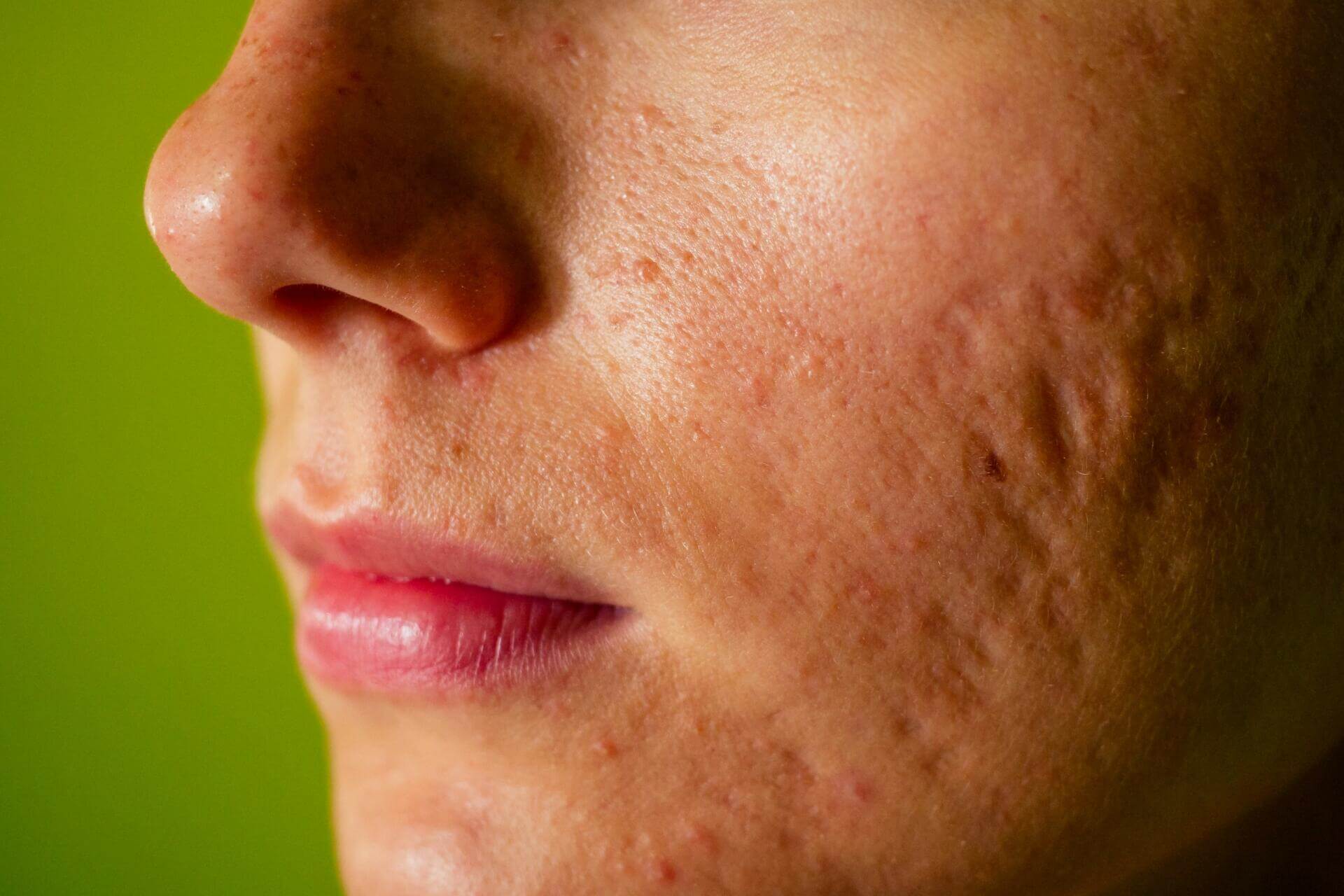
Atrophic scars represent the vast majority of acne marks and are characterized by a loss of tissue beneath the skin's surface. They are further subdivided into three distinct morphological shapes:
- Icepick scars: Deep, narrow, and sharply marginated tracks that extend vertically into the deep dermis, resembling small punctures made by an icepick.
- Boxcar scars: Broad, U-shaped depressions with sharply defined, steep vertical edges resembling chickenpox scars. They can be shallow or deep.
- Rolling scars: Wider depressions with sloped, gently rolling edges that give the skin an undulating, wave-like texture. These are caused by fibrous bands pulling the epidermis down toward the subcutaneous fat.
Hypertrophic and Keloid Scars (Raised)
Unlike atrophic variants, raised scars occur due to excessive collagen deposition during the healing process. Hypertrophic scars remain confined within the original boundaries of the initial acne lesion, often flattening out partially over the course of several years. Keloid scars, which are less common on the face and more frequently observed on the chest, back, and shoulders, extend far beyond the margins of the original wound and rarely regress spontaneously.
Post-Inflammatory Hyperpigmentation and Erythema (Color Changes)
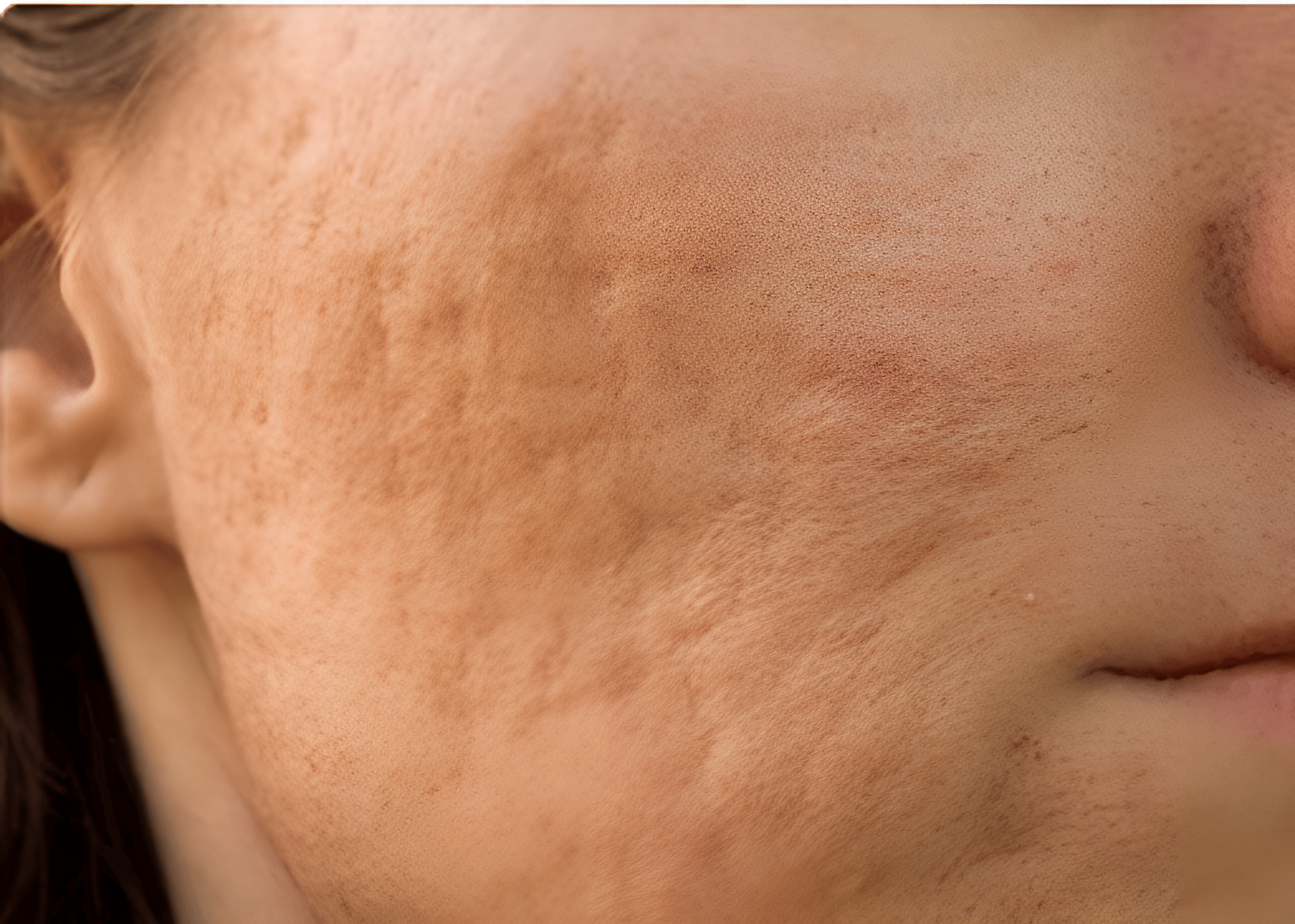
It is crucial to distinguish true structural scars from post-inflammatory hyperpigmentation (PIH) and post-inflammatory erythema (PIE). PIH manifests as flat brown or black patches resulting from excess melanin production triggered by inflammation. PIE appears as pink, red, or purple flat marks caused by damaged or dilated capillaries close to the skin's surface. While often referred to colloquially as "acne scars," these flat color alterations do not involve permanent structural tissue loss and typically resolve independently over months, though treatments can accelerate the process.
Comparative Overview of Clinical Acne Scar Treatments
Because different scar morphologies require distinct interventions, modern dermatology relies on a multimodal approach. Combining techniques often yields superior outcomes compared to relying on a single modality.
| Treatment Modality | Primary Scar Type Addressed | Mechanism of Action | Recovery / Downtime | Typical Sessions Required |
|---|---|---|---|---|
| Subcision | Rolling scars | A specialized needle is inserted beneath the scar to sever tethered fibrous bands, releasing the skin upward. | 3 to 7 days (bruising and swelling) | 3 to 6 sessions |
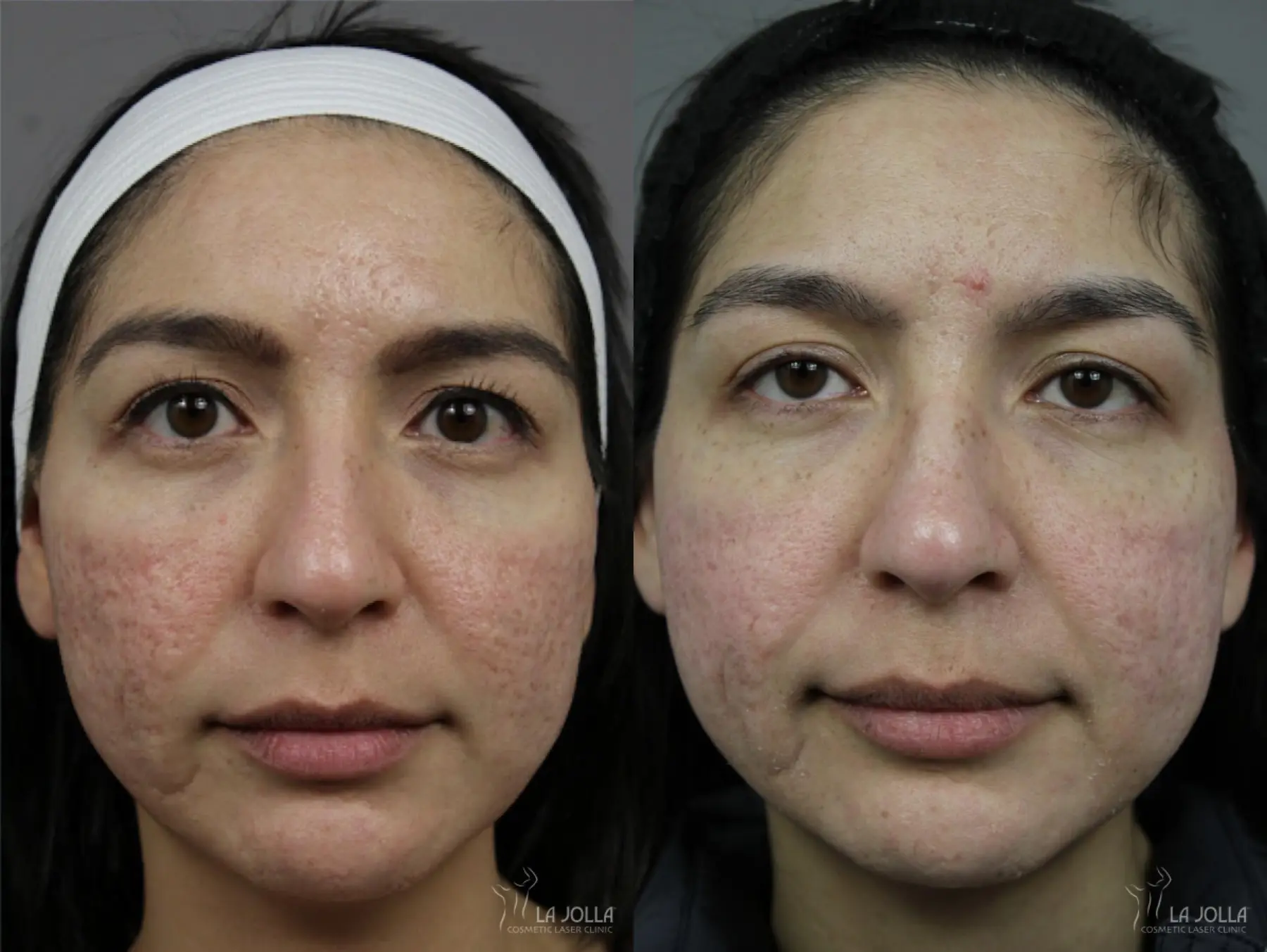
| Ablative Laser Resurfacing | Deep boxcar and icepick scars | Uses high-energy wavelengths (e.g., CO2 or Er:YAG) to vaporize damaged skin layers and stimulate deep neocollagenesis. | 10 to 21 days | 1 to 2 sessions |
| Non-Ablative Laser / Radiofrequency | Mild to moderate rolling and boxcar scars | Delivers thermal energy into the dermis without destroying the epidermis, promoting collagen remodeling. | 1 to 3 days (mild redness) | 3 to 5 sessions |
| Microneedling (Collagen Induction) | Rolling and shallow boxcar scars | Creates micro-injuries in the skin using fine needles, triggering the body's natural wound-healing cascade. | 2 to 4 days (redness and minor swelling) | 4 to 6 sessions |
| Chemical Peels (TCA / Glycolic Acid) | Superficial boxcar and pigmentation | Applies chemical agents to exfoliate upper layers and encourage cellular turnover and remodeling. | 3 to 10 days (scaling and peeling) | 3 to 6 sessions |
| Dermal Fillers | Soft, broad rolling scars | Injects hyaluronic acid or collagen-stimulating substances beneath the depression to instantly lift the skin. | Minimal (occasional bruising) | Varies (repeat every 6–18 months) |
Procedural Interventions and In-Office Therapies
For moderate to severe structural scarring, over-the-counter topical treatments provide negligible results. True dermal remodeling requires professional dermatological procedures designed to physically alter skin architecture.
Subcision for Tethered Scars
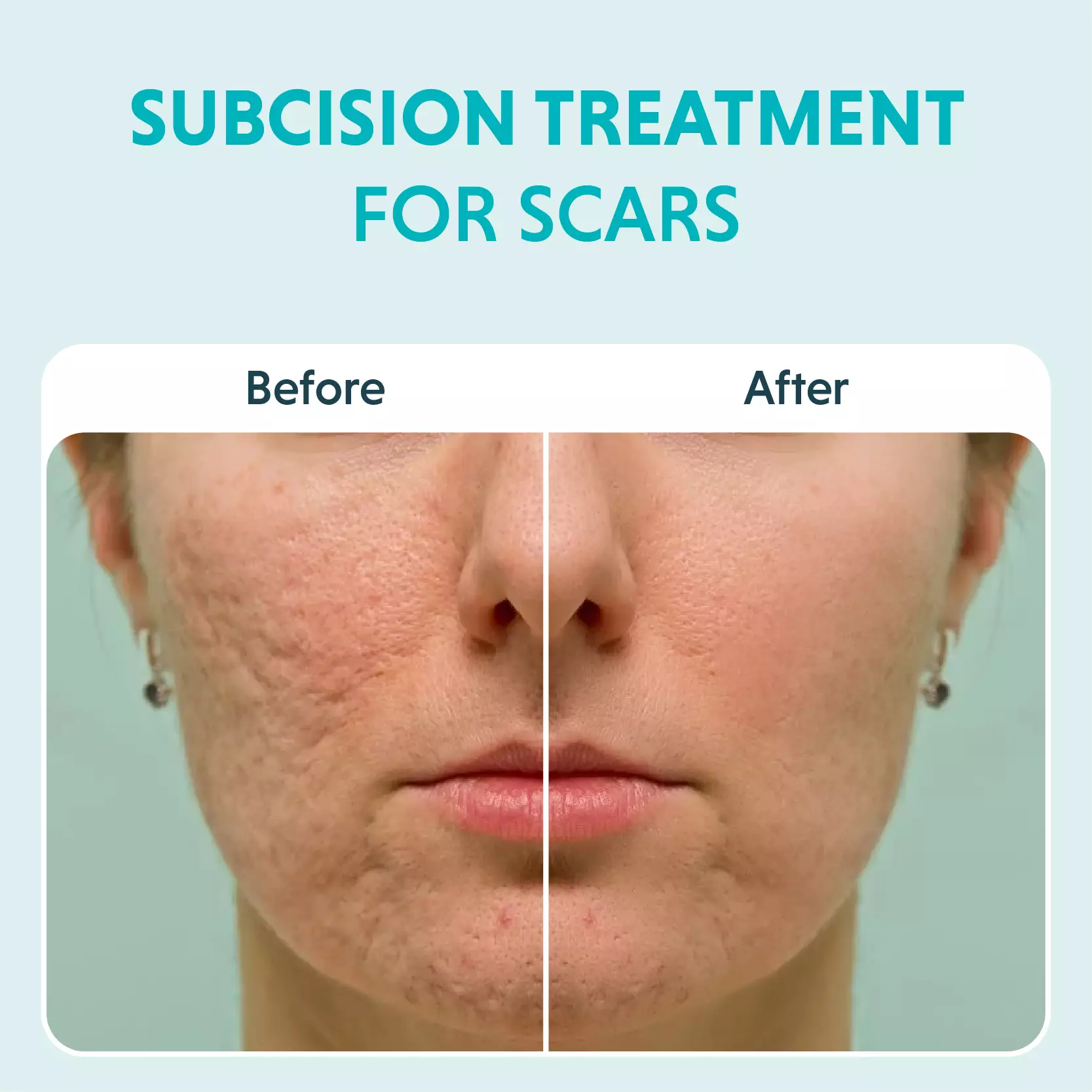
Rolling scars are fundamentally held down by fibrotic bands that anchor the epidermis to the subcutaneous tissue. Subcision addresses this root mechanical cause. During the procedure, a dermatologist numbs the treatment area and introduces a specialized surgical needle beneath the scar. By sweeping the needle horizontally, the practitioner releases the tethered bands, allowing the depressed skin to spring upward. This process also creates a controlled wound healing response that fills the base with new collagen.
Laser Resurfacing Technologies
Lasers are among the most powerful tools in scar revision. They are broadly categorized into ablative and non-ablative systems:
- Ablative lasers remove the entire top layer of skin. While highly effective at smoothing deep contours, they carry a longer recovery period and a higher risk of pigmentary changes, particularly in darker skin tones.
- Fractional non-ablative lasers and radiofrequency devices treat microscopic columns of tissue while leaving surrounding skin intact. This significantly reduces downtime and makes energy-based treatments accessible to a wider range of skin types.
Microneedling and Radiofrequency Microneedling
Microneedling punctures the skin with fine needles to stimulate collagen production. Modern variants incorporate radiofrequency (RF) energy, delivering heat directly into the dermis via the needles. This dual-action approach tightens existing collagen fibers while robustly stimulating new neocollagenesis, proving particularly effective for mixed scar types.
Topical Treatments, Chemical Peels, and Adjunctive Care
While procedural treatments handle deep structural damage, topical agents and chemical peels play an essential supportive role in refining skin texture, evening out tone, and managing concurrent acne breakouts.
Topical retinoids—such as tretinoin, adapalene, and tazarotene—accelerate cellular turnover and stimulate long-term collagen production. While they cannot lift a deep icepick scar, consistent long-term use softens shallow textural irregularities and fades post-inflammatory hyperpigmentation.
Chemical peels utilize acids like glycolic acid, salicylic acid, and trichloroacetic acid (TCA) to exfoliate damaged superficial layers. High-concentration TCA CROSS (Chemical Reconstruction of Skin Scars) is frequently utilized for deep icepick scars. In this targeted technique, a high-strength acid is deposited directly into the base of the individual scar using a toothpick, inducing localized tissue swelling and collagen accumulation that gradually fills the pit from the bottom up.
Managing Patient Expectations and Safety Considerations
Navigating acne scar treatment requires patience, financial investment, and realistic expectations. Complete eradication of scars is rarely possible; the clinical objective is substantial improvement in skin texture, making scars less noticeable under normal lighting and social distances.
Patients must also understand that skin tone heavily dictates the safety profile of aggressive treatments. Individuals with higher Fitzpatrick skin phototypes (darker skin tones) face a heightened risk of post-inflammatory hyperpigmentation or hypopigmentation when undergoing aggressive ablative lasers or deep chemical peels. Consequently, practitioners must carefully select devices, wavelengths, and chemical concentrations to minimize these risks. Consulting a board-certified dermatologist ensures that treatments are customized to individual skin physiology rather than generalized trends.
Frequently Asked Questions About Acne Scars
Can acne scars disappear completely on their own without medical treatment?
True structural acne scars—such as icepick, boxcar, and rolling scars—involve permanent loss or abnormal deposition of dermal collagen and do not disappear completely on their own. However, flat red or brown marks (PIE and PIH) often fade independently over several months to years, though targeted topicals can accelerate this process.
Which acne scar treatment works best for deep icepick scars?
Icepick scars are notoriously narrow and deep, rendering broad resurfacing lasers largely ineffective at the base of the scar. Targeted treatments such as TCA CROSS or surgical excision (punch elevation or excision) are typically required to effectively elevate or close these deep, narrow punctures.
Is acne scar treatment covered by health insurance?
In the vast majority of cases, insurance providers classify acne scar revision as a cosmetic procedure and do not provide coverage. Patients should consult their specific insurance carrier and treating dermatologist to verify whether any functional aspects of scarring—such as severe physical discomfort or contractures—qualify for medical exception.
How long must I wait after active acne clears before starting scar treatments?
Dermatologists generally recommend waiting until active, inflammatory acne is well-controlled before initiating aggressive scar revision procedures. Treating skin that is actively breaking out with procedures like subcision or laser resurfacing can spread bacteria, worsen inflammation, and compromise healing outcomes.
Do over-the-counter scar creams and serums actually work?
Over-the-counter creams containing ingredients like vitamin C, niacinamide, and retinol can improve surface hydration, brighten post-inflammatory hyperpigmentation, and provide very mild smoothing benefits. However, they lack the biological mechanism required to alter deep dermal collagen loss or repair structural atrophic scars.
Strategic Next Actions for Effective Scar Management
Begin your scar revision journey by scheduling a formal consultation with a board-certified dermatologist who specializes in procedural dermatology and treats diverse skin tones. Request a comprehensive skin analysis to categorize your specific scar morphology, as an accurate diagnosis dictates the entire treatment protocol. Be prepared for a multi-step, combination therapy plan that spans several months, balancing in-office procedures with a disciplined, dermatologist-recommended home skincare regimen.