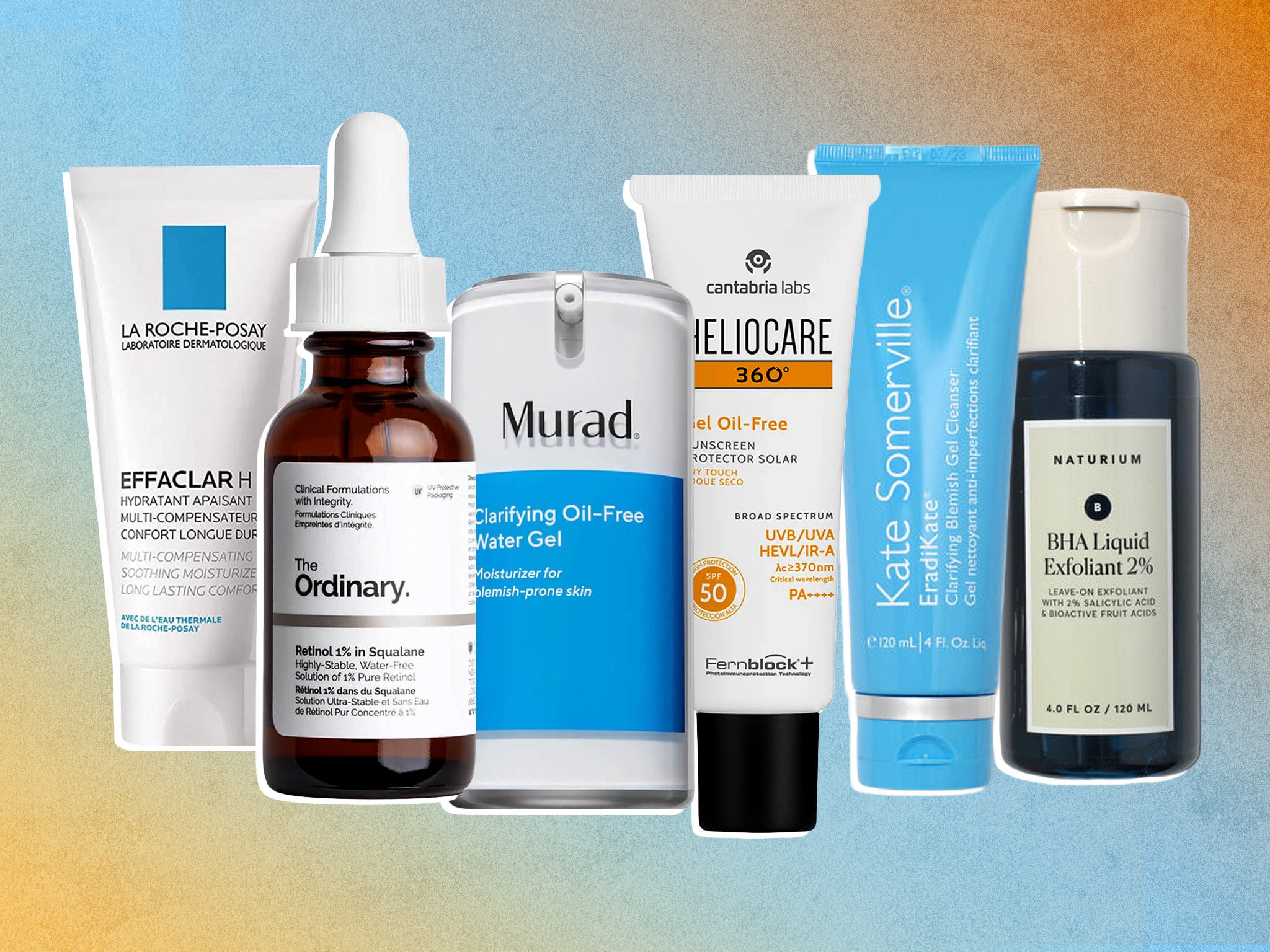
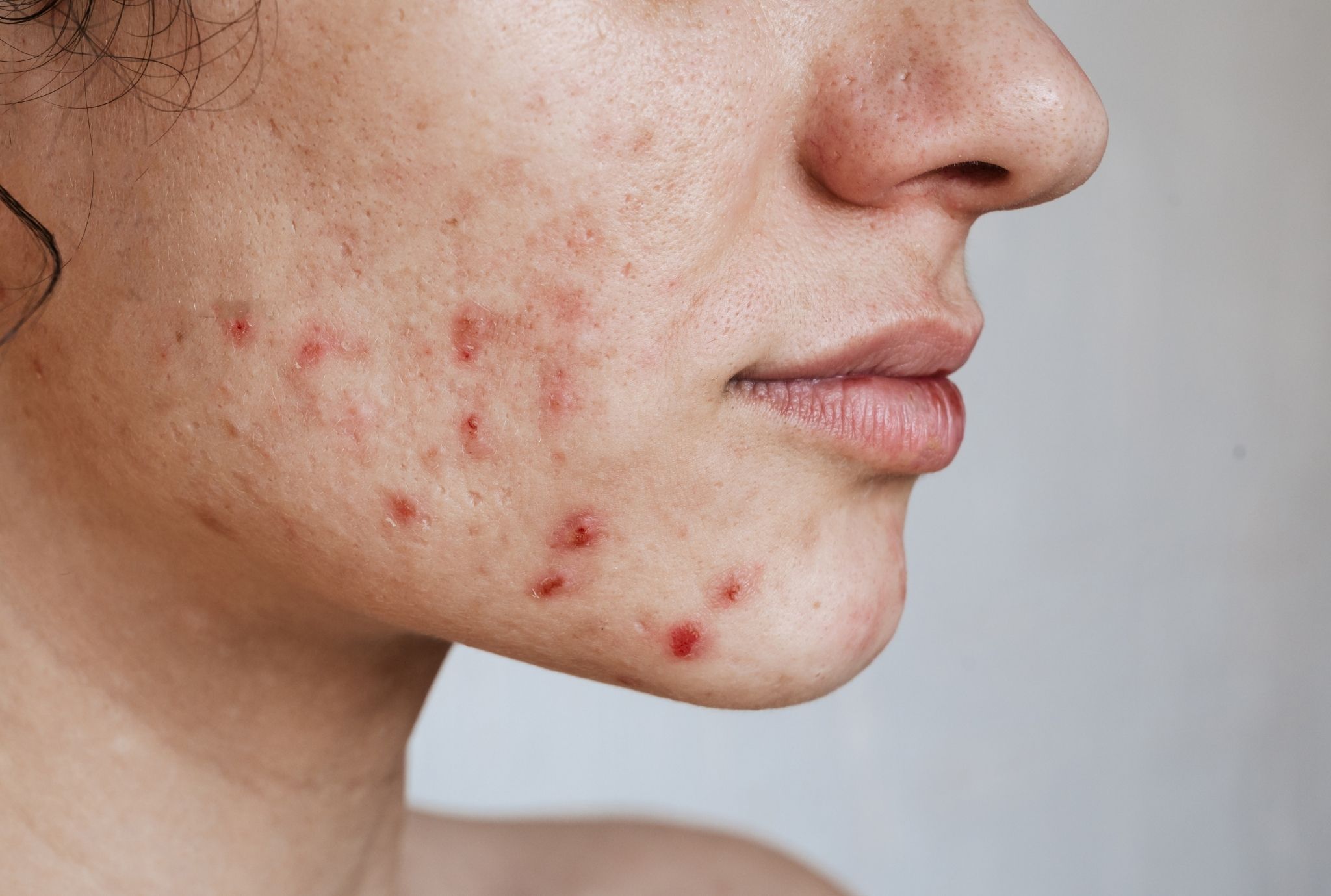
Acne care involves a targeted regimen of cleansing, active topical treatments, and lifestyle modifications designed to unclog pores, reduce inflammation, and prevent long-term scarring. Managing breakouts successfully requires identifying your specific skin type, selecting evidence-based active ingredients like salicylic acid or benzoyl peroxide, and maintaining consistency over several weeks to observe visible improvements.
Effective acne care is foundational to dermatology and personal skin health. Because acne vulgaris affects individuals across various age groups—spanning adolescents experiencing hormonal shifts to adults dealing with persistent inflammatory lesions—understanding the underlying physiological mechanisms is essential. Effective management goes beyond superficial cleansing; it requires a structured strategy to address follicular hyperkeratinization, excess sebum production, and the proliferation of Cutibacterium acnes bacteria. Navigating this landscape demands a clear understanding of active ingredients, clinical procedures, and potential pitfalls that can exacerbate skin irritation.
Understanding the Pathophysiology of Acne
To build an effective acne care routine, you must first understand why breakouts occur. Acne is a multi-factorial inflammatory disorder of the pilosebaceous unit, which consists of a hair follicle and its accompanying sebaceous gland. Four primary physiological factors drive the development of acne lesions: follicular hyperkeratinization, excessive sebum production, microbial colonization, and subsequent inflammation.
Follicular hyperkeratinization occurs when skin cells inside the hair follicle shed irregularly, failing to slough off smoothly. Instead, these sticky cells clump together, forming a microcomedone that blocks the pore. Simultaneously, androgen hormones stimulate the sebaceous glands to produce excess oil, or sebum. Trapped oil and dead skin cells create a plug within the follicle.
Inside this oxygen-deprived environment, Cutibacterium acnes (C. acnes) bacteria proliferate rapidly. This bacterial overgrowth triggers an immune response, releasing inflammatory cytokines that transform the blocked pore into red, swollen papules, pustules, or deeper nodules and cysts. Understanding this sequence explains why spot treatments alone are rarely sufficient and why comprehensive care must target both microcomedone formation and bacterial proliferation simultaneously.
Establishing a Foundational Daily Skincare Routine
Consistency is the cornerstone of any successful acne management plan. A streamlined, non-irritating daily regimen protects the skin barrier while delivering active therapeutics directly to the affected areas. Overloading the skin with too many active ingredients simultaneously often strips the moisture barrier, triggering rebound oil production and increased sensitivity.
The Core Three-Step Daily Regimen
- Gentle Cleansing: Wash your face twice daily using a mild, non-comedogenic, sulfate-free cleanser. Avoid physical scrubs with rough abrasive particles, as micro-tears can worsen inflammation and spread bacteria. Massage the cleanser gently with fingertips and rinse thoroughly with lukewarm water.
- Targeted Active Treatment: Apply a dermatologist-recommended topical treatment to dry skin. Depending on your skin's tolerance, this may include retinoids to normalize cell turnover or antimicrobial agents to reduce bacterial load. Allow the product to absorb completely before moving to the next step.
- Hydration and Barrier Protection: Finish with a lightweight, oil-free, non-comedogenic moisturizer. Maintaining barrier integrity is critical, especially when using drying acne medications. Skipping moisturizer often leads to compromised skin barrier function, increased irritation, and heightened vulnerability to environmental stressors.
Key Active Ingredients in Modern Acne Care
Selecting the right active ingredients depends on the type of lesions you experience—whether non-inflammatory comedones (blackheads and whiteheads) or inflammatory lesions (papules and pustules). Modern dermatological care relies on several well-studied compounds.
| Active Ingredient | Primary Mechanism | Best Suited For |
|---|---|---|
| Salicylic Acid (BHA) | Oil-soluble exfoliant; penetrates pores to dissolve sebum and dead cells. | Blackheads, whiteheads, and mild oily acne. |
| Benzoyl Peroxide | Antimicrobial; introduces oxygen into pores to kill C. acnes bacteria. | Inflammatory papules, pustules, and red spots. |
| Topical Retinoids | Regulates cellular turnover; prevents microcomedone formation. | Comedonal acne, anti-aging, and scar prevention. |
| Alpha Hydroxy Acids | Water-soluble exfoliants; removes surface dead skin cells and refines texture. | Surface roughness, hyperpigmentation, and dullness. |
Salicylic acid acts as a beta-hydroxy acid, making it uniquely capable of penetrating oil-filled follicles to clear deep-seated debris. Benzoyl peroxide works rapidly against inflammatory lesions by releasing free radicals that destroy bacterial cell walls, though users must exercise caution as it can bleach fabrics and towels. Topical retinoids—such as adapalene, available over-the-counter, or prescription tretinoin—require an acclimation period of several weeks, often causing initial dryness or purging before revealing smoother, clearer skin.
Tailoring Care for Specific Skin Types and Demographics
Acne care is not a universal framework; it requires customization based on individual skin physiology, age, and environmental factors. Adult female acne, for instance, frequently presents along the lower jawline and chin, strongly influenced by cyclical hormonal fluctuations. In such cases, topical treatments alone may have limitations, necessitating a consultation with a healthcare professional regarding systemic options like anti-androgen medications or oral therapies.
Conversely, adolescent acne typically involves higher sebum production across the entire T-zone (forehead, nose, and chin). Teenagers often benefit from straightforward routines featuring salicylic acid cleansers and lightweight moisturizers. Individuals with sensitive skin must prioritize barrier-repair ingredients like ceramides and niacinamide, introducing active agents slowly—such as every second or third night—to minimize redness, stinging, and flaking.
Common Mistakes to Avoid in Acne Management
Well-intentioned skincare efforts frequently derail due to counterproductive habits that worsen breakouts. Recognizing and avoiding these pitfalls significantly accelerates skin recovery.
- Over-Washing and Aggressive Scrubbing: Washing the face more than twice daily or using harsh physical scrubs strips natural lipids, leading to barrier disruption and increased inflammation.
- Picking and Popping: Manual extraction introduces secondary bacterial infections from fingers into open pores, dramatically increasing the risk of permanent scarring and hyperpigmentation.
- Layering Too Many Actives: Combining high-strength retinoids, alpha-hydroxy acids, and benzoyl peroxide simultaneously causes chemical burns and severe irritation. Introduce one active ingredient at a time, allowing weeks for skin adjustment.
- Skipping Sun Protection: Many acne treatments increase photosensitivity. Unprotected UV exposure darkens post-inflammatory hyperpigmentation, making acne marks linger much longer. Always apply a broad-spectrum, non-comedogenic sunscreen during daytime routines.
When to Seek Professional Dermatological Care
While over-the-counter options successfully manage mild to moderate breakouts, certain presentations require professional intervention. Persistent cystic acne, nodules that develop deep beneath the skin surface, and lesions leaving indented scars or dark spots require evaluation by a board-certified dermatologist.
Dermatologists can provide prescription-strength topicals, oral antibiotics, hormonal therapies, or in-office procedures such as chemical peels, cortisone injections for rapid cyst reduction, and extraction of stubborn comedones. Seeking professional guidance early prevents irreversible textural changes and scarring, safeguarding long-term skin health.
Frequently Asked Questions About Acne Care
How long does it take for acne treatments to show visible results?
Most topical acne care products require six to twelve weeks of consistent daily use to produce noticeable improvements. Skin cells follow an approximate 28-day turnover cycle, and active ingredients need multiple cycles to normalize follicular shedding, reduce bacterial load, and clear existing microcomedones.
Can diet and lifestyle choices directly impact acne breakouts?
Dietary factors, particularly foods with a high glycemic index and dairy products, can influence sebum production and systemic inflammation in susceptible individuals. While diet alone rarely causes acne, maintaining adequate hydration, managing chronic stress, and ensuring sufficient sleep support overall skin barrier resilience and recovery.
Is it safe to use moisturizers if I have oily, acne-prone skin?
Using a moisturizer is essential even for oily skin types. Skipping hydration signals the sebaceous glands to produce excess oil to compensate for surface dryness. Selecting a lightweight, oil-free, non-comedogenic lotion containing hyaluronic acid or ceramides hydrates the skin without clogging pores.
What is the difference between blackheads and whiteheads?
Blackheads (open comedones) occur when the pore remains open to the air, causing the trapped sebum and dead skin cells to oxidize and turn dark. Whiteheads (closed comedones) happen when the pore remains sealed beneath a thin layer of skin, appearing as small, flesh-colored or whitish bumps. Both represent non-inflammatory forms of acne.
How should I manage post-acne dark spots and hyperpigmentation?
Post-inflammatory hyperpigmentation results from excess melanin production triggered by skin inflammation. Effective management involves consistent daily use of broad-spectrum sunscreen to prevent darkening, alongside brightening agents like vitamin C, niacinamide, or azelaic acid that inhibit tyrosinase and accelerate cellular renewal.
Optimizing Your Long-Term Skin Strategy
Sustaining clear skin requires transitioning from intensive breakout treatment to a balanced maintenance regimen once acute lesions subside. Continue using gentle cleansing and barrier-supporting hydration daily, while maintaining a reduced-frequency application of your primary active ingredient to prevent new microcomedones from forming. Monitor your skin's changing needs across different seasons, adapting product textures as humidity and temperature fluctuate. Consistency, patience, and gentle handling remain the most effective tools for lifelong skin health.