ACM SIGCHI is the premier international society for professionals, researchers, and students in human-computer interaction, dedicated to shaping how people interact with technology through global conferences, specialized publications, and a vast network of local chapters.
Origins, Evolution, and Organizational Scope of ACM SIGCHI
The Association for Computing Machinery (ACM) represents one of the oldest and most influential scientific and educational computing societies in the world. Within this broader institutional framework, the Special Interest Group on Computer-Human Interaction (SIGCHI) functions as the premier international multidisciplinary academic and professional society for the field of human-computer interaction (HCI). Established to bridge the gap between computer science, behavioral sciences, industrial design, media studies, and numerous other disciplines, SIGCHI has grown from a small coalition of visionary researchers into a massive global community. Its scope spans the study, design, implementation, and evaluation of interactive computing systems for human use.
The foundation of SIGCHI rests on the recognition that technology cannot be built in a technical vacuum. Understanding how humans perceive, process, and react to digital interfaces requires a synthesis of empirical research and rigorous engineering practices. Over the decades, the organization has expanded its domain beyond traditional desktop computing to encompass mobile devices, ubiquitous computing, virtual and augmented reality, artificial intelligence interfaces, and accessibility frameworks. By maintaining a broad yet rigorous intellectual umbrella, SIGCHI fosters cross-pollination among academic researchers pushing theoretical boundaries and industry practitioners solving immediate usability challenges.
Core Activities, Flagship Conferences, and Publications
At the heart of ACM SIGCHI's global influence are its premier peer-reviewed conferences and archival publications, which serve as the primary venues for disseminating cutting-edge HCI research. The annual ACM CHI Conference on Human Factors in Computing Systems is widely recognized as the flagship international event in the field. Attendance at CHI typically draws thousands of researchers, designers, engineers, and product leaders from around the globe to present full papers, participate in interactive courses, and engage in specialized workshops. In addition to the main CHI conference, SIGCHI sponsors or co-sponsors a diverse portfolio of specialized conferences tailored to specific sub-disciplines.
Major SIGCHI-Sponsored Conferences
| Conference Name | Focus Area & Description | Typical Participant Profile |
|---|---|---|
| CHI | General flagship conference covering all aspects of human-computer interaction, usability, and design. | Researchers, academics, UX practitioners, and graduate students. |
| UIST | User Interface Software and Technology focusing on innovative software and hardware techniques. | Computer scientists, interaction engineers, and prototyping specialists. |
| CSCW | Computer-Supported Cooperative Work and Social Computing examining collaborative technologies. | Sociologists, organizational researchers, and collaboration software developers. |
| DIS | Designing Interactive Systems focusing on human-centered design theory, aesthetics, and methodologies. | Industrial designers, interaction designers, and creative technologists. |
| MobileHCI | Mobile Human-Computer Interaction exploring mobile, wearable, and pervasive computing experiences. | Mobile app developers, ubiquitous computing researchers, and hardware engineers. |
In addition to these live gatherings, SIGCHI oversees prominent archival publications, including the ACM Transactions on Computer-Human Interaction (TOCHI) and the digital magazine Interactions. These publications provide rigorous peer-reviewed validation for theoretical models, empirical studies, and design methodologies that shape the future of digital product development.
Community Structure, Local Chapters, and Special Interest Subgroups
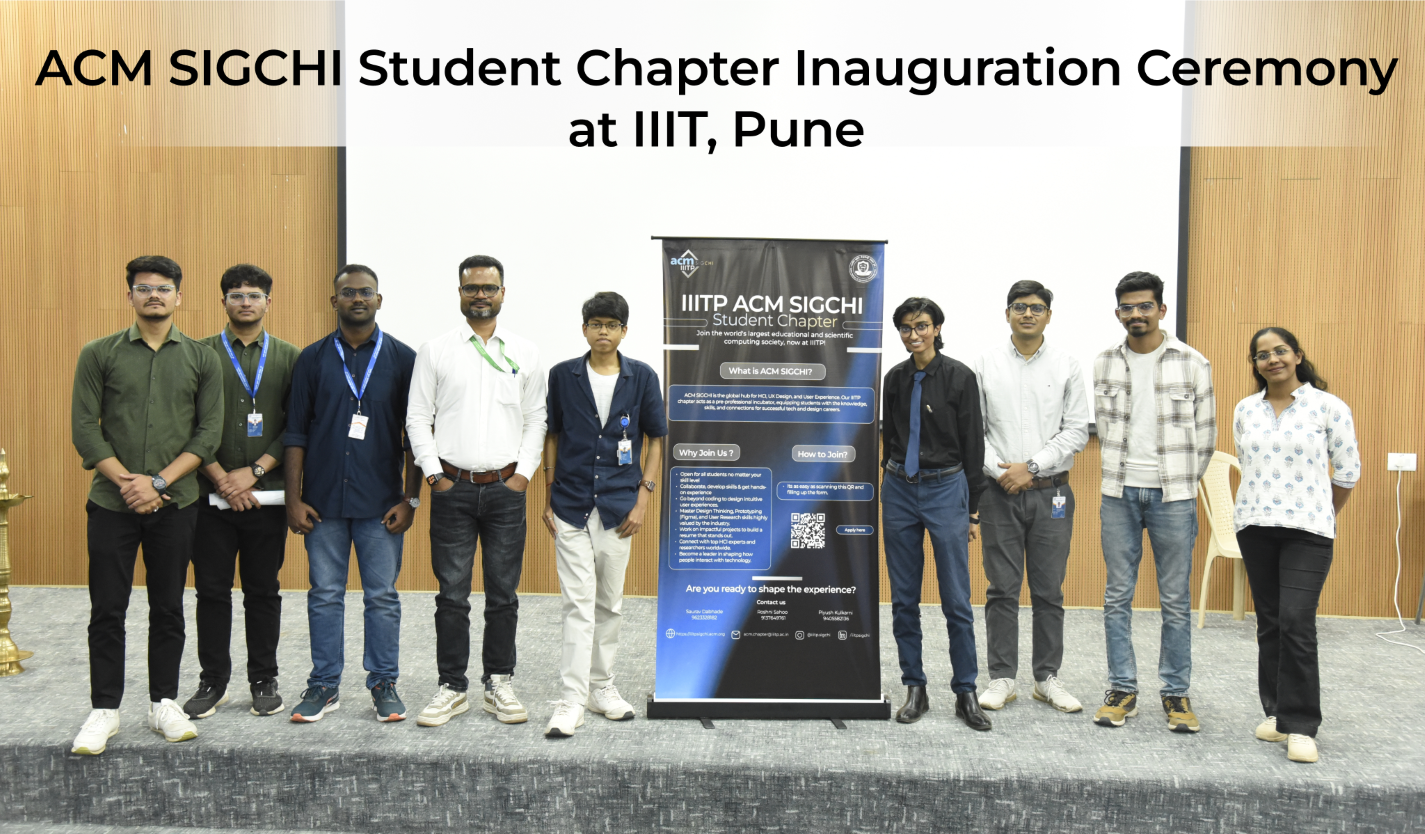
The operational strength of ACM SIGCHI lies in its decentralized, community-driven architecture. While the executive committee governs global strategy, standards, and conference portfolios, the grassroots vitality of the organization is maintained through its global network of local chapters and specialized communities. Local chapters operate in major metropolitan areas and university campuses across North America, Europe, Asia, South America, and Oceania. These chapters host regional meetups, lightning talks, design crits, and networking events, enabling practitioners who cannot regularly travel to international conferences to engage with peer networks in their local regions.
Furthermore, SIGCHI accommodates emerging research areas through specialized communities and working groups. As new technological paradigms emerge—such as generative artificial intelligence, neuro-adaptive interfaces, or cross-cultural interaction design—researchers can form targeted communities within the broader SIGCHI ecosystem. These subgroups curate specialized workshops, maintain dedicated mailing lists, and guide the inclusion of emerging topics in conference calls for participation. This flexible structure ensures that the organization remains responsive to rapid technological shifts while maintaining historical continuity and rigorous academic standards.
Membership Benefits, Professional Development, and Access
Joining ACM SIGCHI offers substantial professional advantages for anyone deeply involved in user experience research, interaction design, or academic computing. While individuals can join SIGCHI directly, many members also hold concurrent membership in the parent ACM organization to maximize access to digital library resources. Membership benefits are calibrated to support both early-career professionals and established academic fellows throughout their career lifecycles.
- Digital Library Access: Subsidized or included access to the ACM Digital Library, granting comprehensive retrieval rights for decades of published CHI conference proceedings and journal articles.
- Registration Discounts: Reduced registration fees for the annual CHI conference and all specialized SIGCHI-sponsored events, offsetting the cost of membership for active researchers.
- Grants and Travel Support: Eligibility for specialized travel grants, student stipends, and research funding programs designed to increase global participation from underrepresented regions.
- Leadership and Governance Roles: Opportunities to vote in executive committee elections, serve on conference organizing committees, and participate in local chapter leadership.
Navigating these benefits effectively requires aligning one's membership level with professional goals. Students and educators often benefit most from academic tier pricing and specialized mentorship programs, while corporate practitioners leverage industry discounts and recruitment pipelines established through conference attendance.
Ethical Standards, Inclusion, and Accessibility Initiatives
As technology increasingly permeates every facet of human life, the ethical responsibilities of interface designers and researchers have intensified. ACM SIGCHI maintains rigorous ethical guidelines regarding human-subjects research, data privacy, and inclusive design principles. Authors submitting work to SIGCHI venues must adhere to strict institutional review board (IRB) standards and ensure that experimental methodologies protect participant privacy and well-being. Furthermore, the organization places a profound emphasis on accessibility, both within its digital and physical events and as a core subject of academic inquiry.
In recent years, SIGCHI has implemented comprehensive diversity, equity, and inclusion (DEI) initiatives to dismantle geographic, financial, and cultural barriers to participation. These efforts include hybrid conference formats, translation support, regional mentoring networks, and codes of conduct enforced across all sponsored gatherings. By actively addressing bias in technology design and fostering a globally inclusive membership base, SIGCHI ensures that the future of human-computer interaction reflects the diverse needs of humanity rather than a narrow technical demographic.
Frequently Asked Questions
What is the difference between ACM and ACM SIGCHI?
ACM is the overarching Association for Computing Machinery, representing the world's largest educational and scientific computing society across all computer science disciplines. ACM SIGCHI is a specialized sub-organization (Special Interest Group) within ACM that focuses exclusively on the multidisciplinary field of human-computer interaction, user experience, and interactive design.
How can I publish my research at a SIGCHI conference?
To publish research at a SIGCHI conference such as CHI, authors must submit original, peer-reviewed manuscripts through the designated conference submission portal, typically managed via systems like PCS. Submissions undergo rigorous double-blind peer review by expert reviewers and subcommittee chairs evaluating originality, methodological rigor, and contribution to the HCI field.
Do I need to be an ACM member to join SIGCHI?
While you can join ACM SIGCHI as a standalone member, many professional benefits and digital library integrations are optimized when combined with a full ACM membership. Membership structures vary, offering tiered pricing for students, developing regions, and professional researchers.
What types of professionals participate in ACM SIGCHI?
The SIGCHI community is highly multidisciplinary, comprising academic researchers, university professors, graduate students, user experience (UX) designers, interaction designers, software engineers, human factors specialists, and accessibility experts from both academia and major technology enterprises.
How do local SIGCHI chapters operate?
Local chapters are autonomous regional groups sanctioned by the global SIGCHI organization. They operate independently to host local meetups, workshops, and networking events, providing a community hub for practitioners and academics living within a specific geographic area.
Where can I access past CHI conference proceedings?
Past conference proceedings, extended abstracts, and journal articles are archived and publicly or subscription-wise searchable through the ACM Digital Library, serving as the definitive historical repository of human-computer interaction literature.
Maximizing Your Engagement with the HCI Community
To extract maximum value from ACM SIGCHI, new participants should begin by attending a local chapter event or reviewing open-access proceedings in the ACM Digital Library to identify current research trends. If you are an active researcher or practitioner, submitting a late-breaking work, workshop proposal, or full paper to an upcoming conference provides a direct pathway to peer recognition and professional growth. Engage early with specialized communities aligned with your specific sub-discipline to build lasting collaborative networks and contribute to the ongoing evolution of human-centered technology.