Proper acid safety requires understanding chemical reactivity, utilizing appropriate personal protective equipment, implementing strict engineering controls, and adhering to standardized emergency response protocols to prevent severe chemical injuries and facility contamination.
Working with acids in laboratories, manufacturing facilities, or industrial processing plants introduces inherent chemical hazards that demand rigorous management. Acids range from weak organic acids, such as acetic acid, to highly aggressive mineral acids, including hydrofluoric, sulfuric, nitric, and hydrochloric acid. Each chemical substance possesses unique physical properties, volatility levels, and exothermic reactivities that dictate how it must be handled, stored, and disposed of. Because corrosive substances can destroy human tissue upon contact, cause catastrophic structural damage to equipment, and release toxic vapors into the atmosphere, facility operators and technicians must establish multi-layered safety protocols. Navigating these risks successfully relies on an integrated approach combining chemical identification, proper engineering controls, mandatory personal protective equipment, and clear emergency containment strategies.
Understanding Acid Classifications and Corrosive Hazards
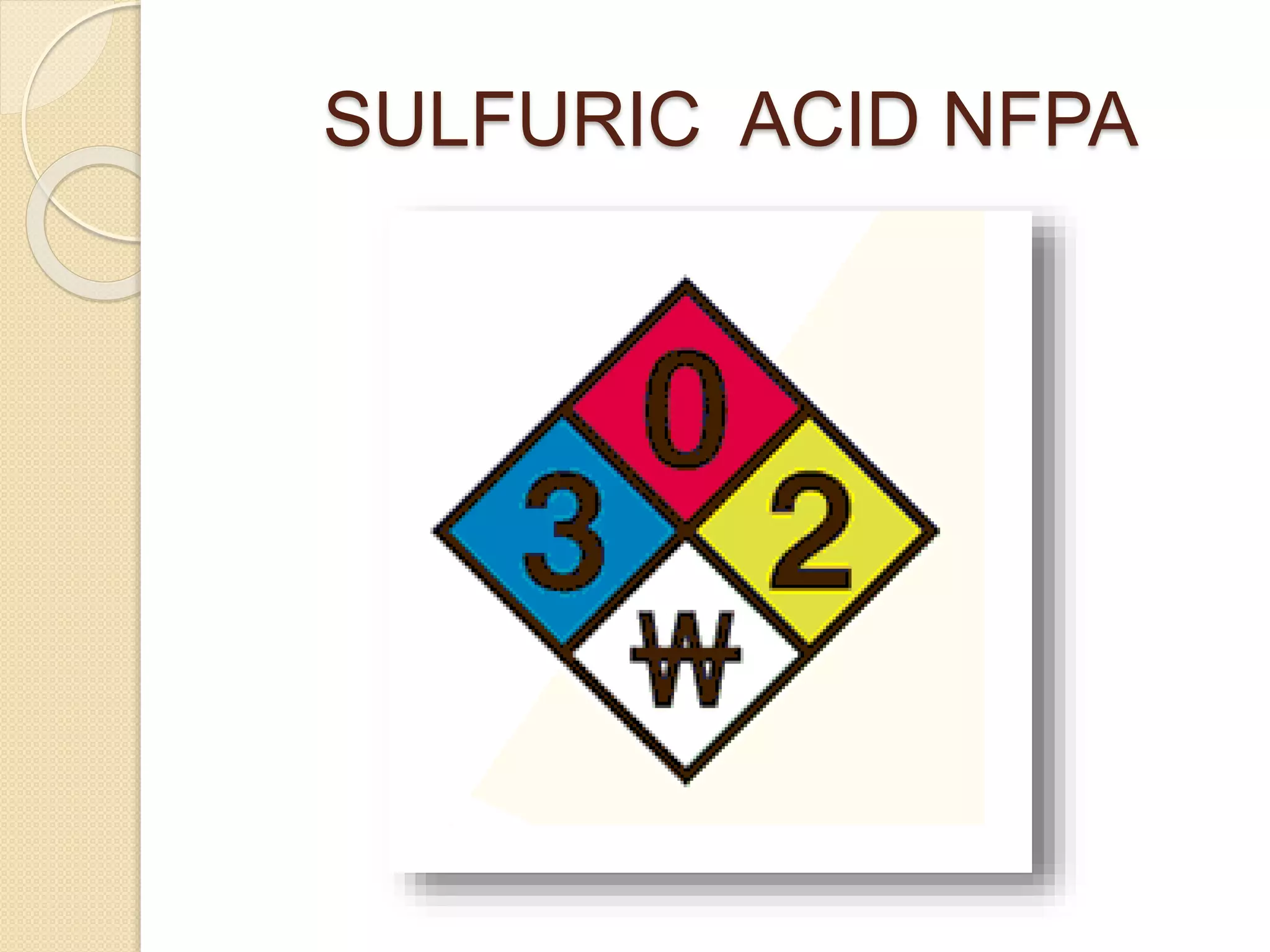
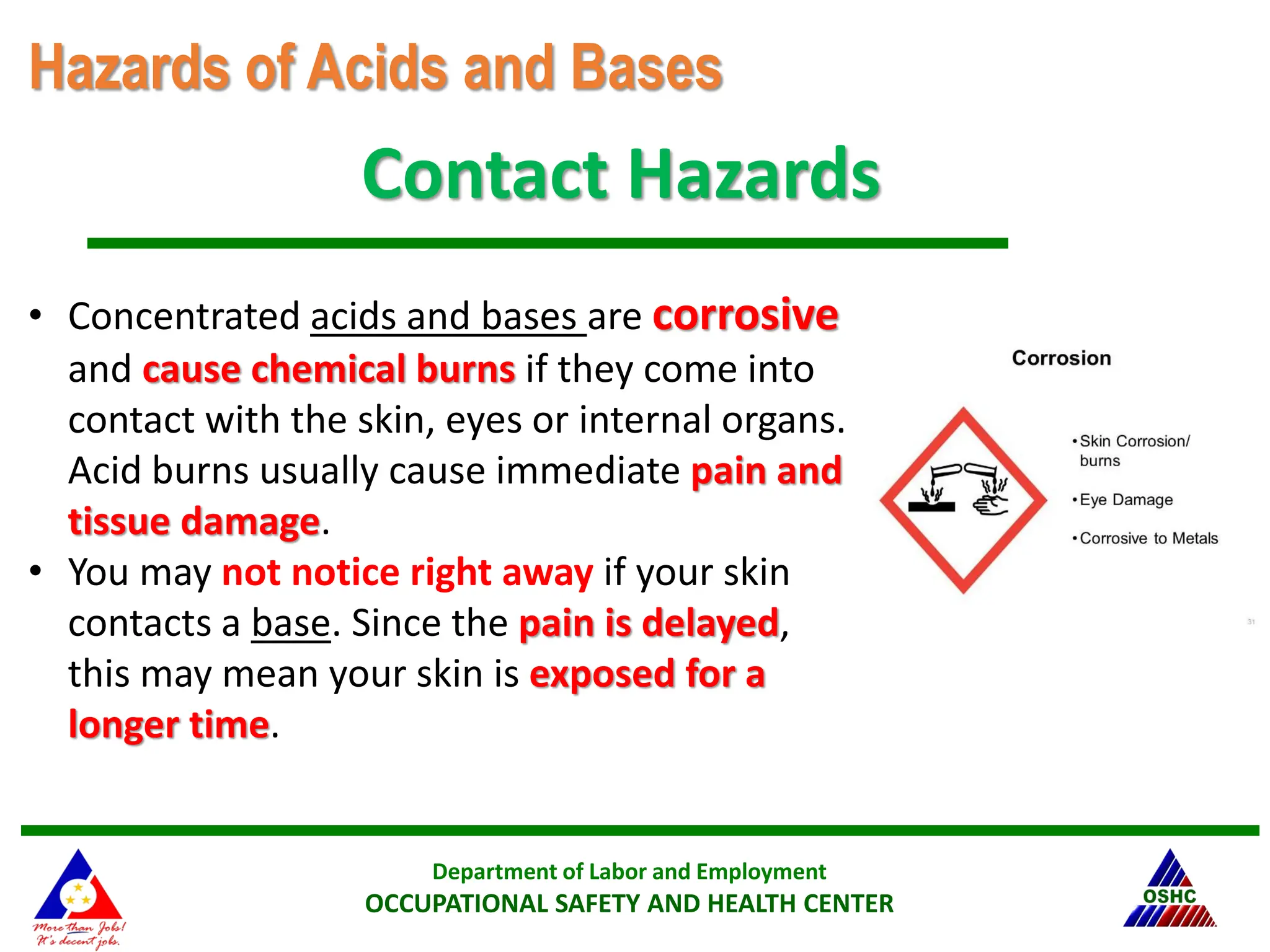
Acids are categorized primarily by their dissociation constants and concentrations, which determine their strength and corrosiveness. Strong mineral acids dissociate completely in aqueous solutions, releasing high concentrations of hydrogen ions ($\text{H}^+$) that aggressively attack metals, organic matter, and living tissue. For instance, concentrated sulfuric acid is both a powerful acid and a strong dehydrating agent; when it contacts skin, it strips water molecules from cellular structures in an intense exothermic reaction that causes deep thermal and chemical burns. Nitric acid acts as a potent oxidizing agent capable of turning skin yellow through the xanthoproteic reaction while causing severe tissue destruction. Understanding these chemical mechanisms is essential for determining the appropriate safety measures required for every specific compound.
Beyond skin contact, the physical state of the acid dictates inhalation risks and vapor hazards. Fuming acids, such as fuming hydrochloric acid or concentrated nitric acid, release dense, toxic aerosols and gases that can destroy respiratory tracts, cause pulmonary edema, and corrode metallic infrastructure within the workspace. Other acids, like hydrofluoric acid (HF), present a uniquely insidious danger. Unlike typical mineral acids that cause immediate surface pain, hydrofluoric acid penetrates deeply through human skin without immediate warning, releasing fluoride ions that bind with systemic calcium and magnesium in the body. This process can precipitate severe hypocalcemia, cardiac arrhythmias, and deep bone necrosis. Recognizing these specific hazard profiles ensures that personnel do not underestimate weak or specialized acids that might otherwise appear less dangerous than traditional heavy mineral acids.
Engineering Controls and Facility Design Requirements
Mitigating acid exposure risks begins at the structural and facility design level through the implementation of robust engineering controls. Chemical fume hoods represent the primary line of defense for laboratory-scale operations. A certified fume hood maintains a continuous inward airflow velocity, typically between 100 to 120 feet per minute, capturing hazardous vapors, mists, and aerosols before they can escape into the breathing zone of the operator. Technicians must verify that fume hood certification is current and ensure that sash heights remain at the designated operational level to maintain face velocity. For large-scale industrial applications, dedicated ventilation scrubbers must be installed to neutralize acidic exhaust gases prior to atmospheric release, ensuring compliance with environmental protection standards.
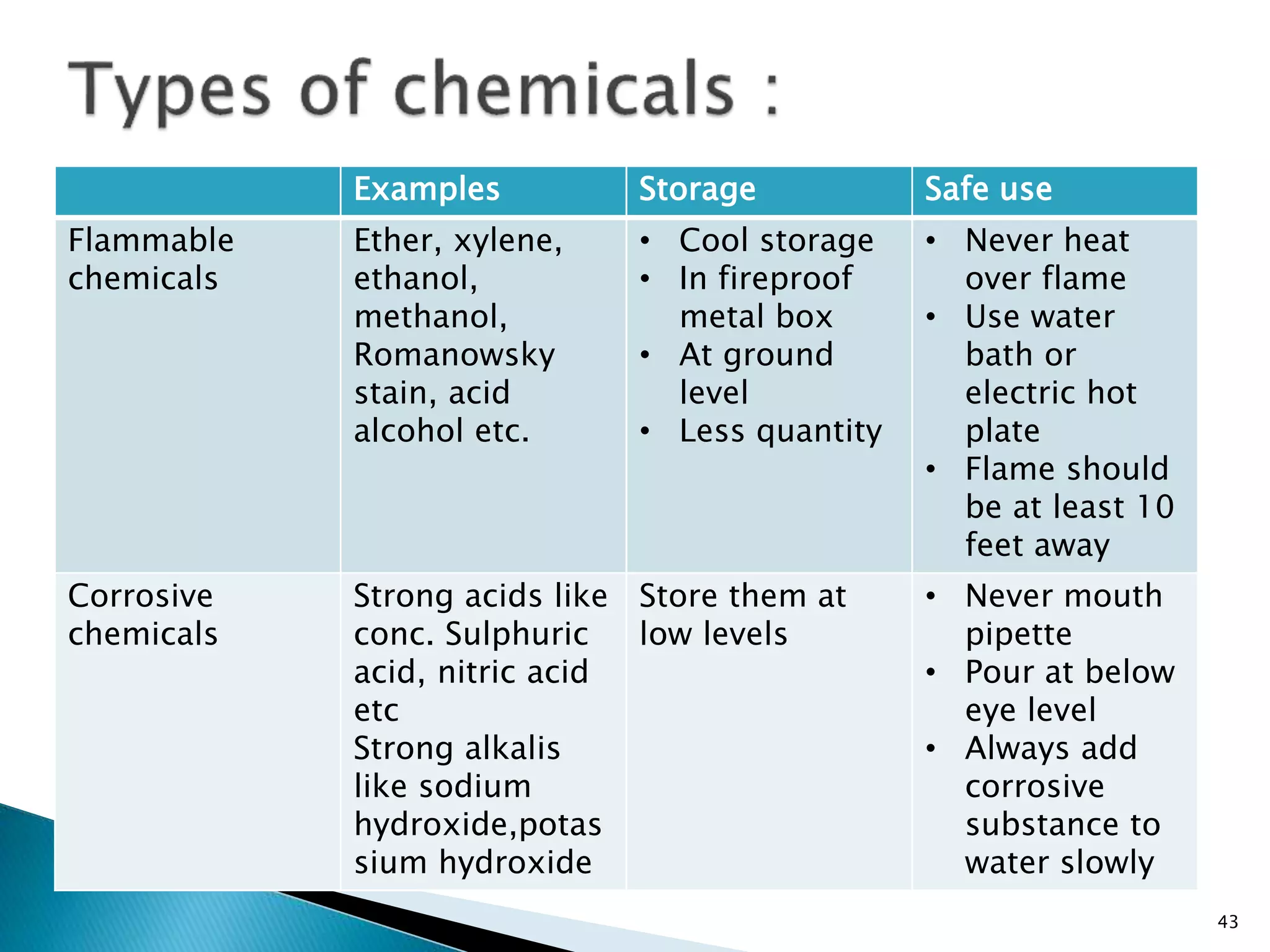
Facility infrastructure must also account for chemical compatibility in plumbing, flooring, and containment systems. Floors exposed to acid handling must feature acid-resistant coatings, such as specialized epoxy or vinyl ester resins, coupled with sloped drainage systems connected to dedicated neutralization tanks. Storage areas require dedicated acid cabinets constructed from corrosion-resistant materials like high-density polyethylene (HDPE) or heavy-gauge steel treated with epoxy powder coatings. Wooden cabinetry is strictly prohibited due to its combustibility and vulnerability to acid degradation. Furthermore, emergency safety equipment—including ANSI-compliant eyewash stations and drench showers—must be positioned within ten seconds or 55 feet of any acid handling location, with unobstructed pathways and tepid water delivery systems that operate continuously when activated.
| Acid Type | Common Formula | Primary Hazards | Recommended Storage Material |
|---|---|---|---|
| Hydrochloric Acid | $\text{HCl}$ | Severe respiratory irritation, skin burns, toxic chloride fumes | Polyethylene, PVC, or rubber-lined steel |
| Sulfuric Acid | $\text{H}_2\text{SO}_4$ | Dehydrating agent, extreme exothermic reaction with water | Carbon steel, glass, or heavy plastic |
| Nitric Acid | $\text{HNO}_3$ | Powerful oxidizer, toxic nitrogen oxide fumes, tissue destruction | Glass or stainless steel (isolated from organics) |
| Hydrofluoric Acid | $\text{HF}$ | Deep tissue penetration, systemic toxicity, binds serum calcium | Polypropylene or specialized polyethylene |
Personal Protective Equipment and Selection Protocols
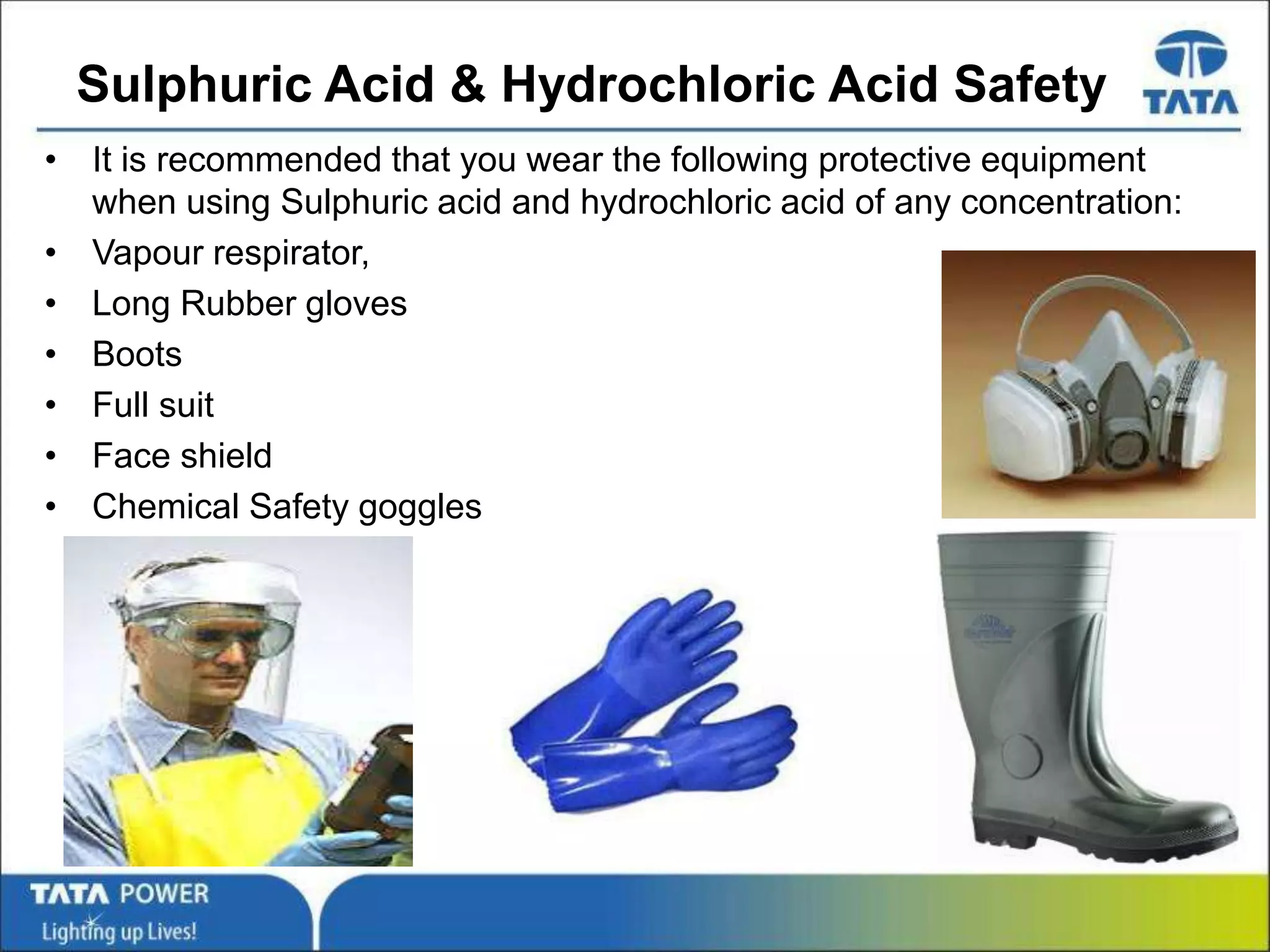
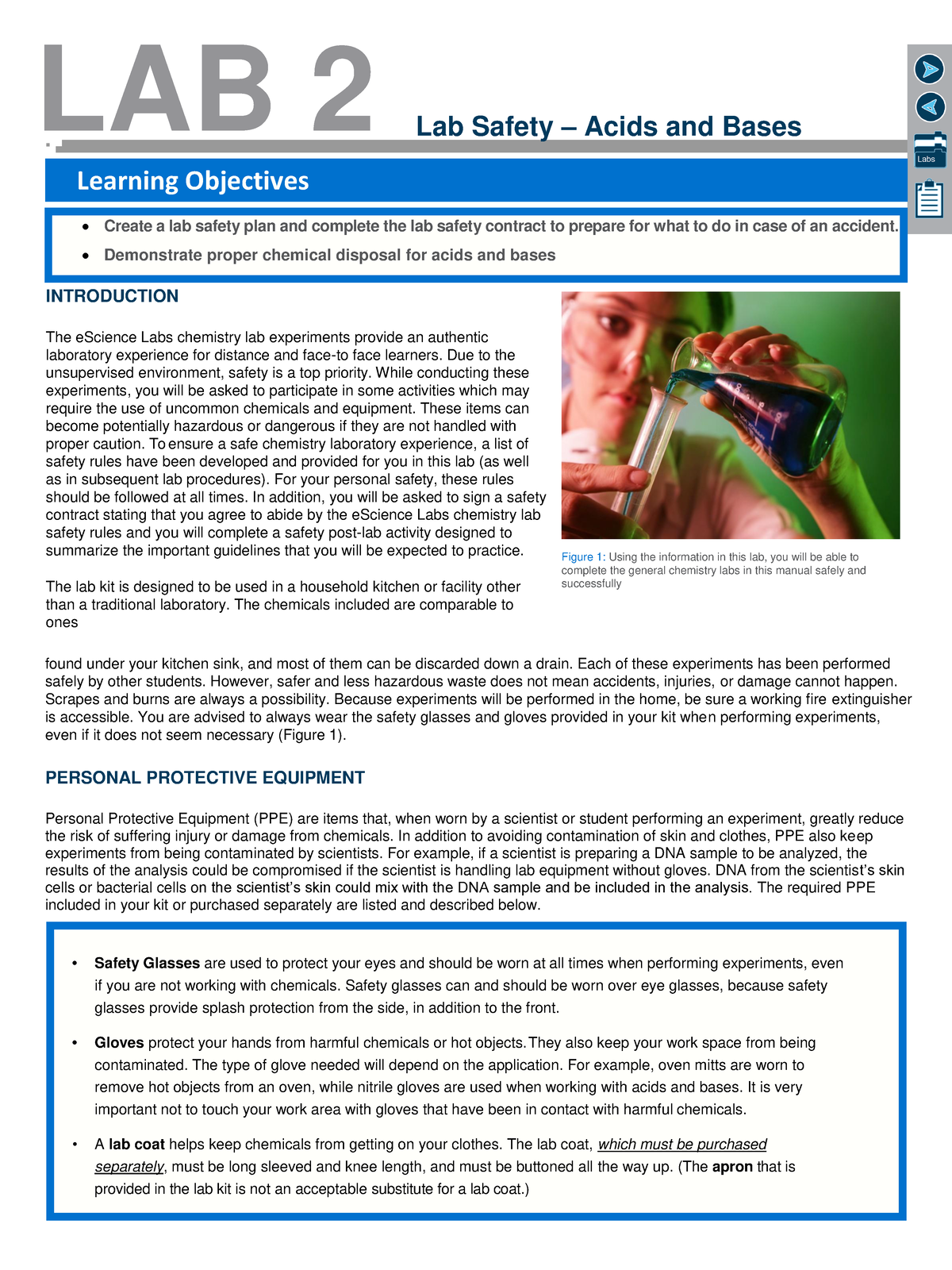
Even with advanced engineering controls in place, personal protective equipment (PPE) serves as the critical final barrier protecting workers from accidental splashes, spills, or vapor exposure. Selecting the correct PPE requires evaluating the specific acid concentration, physical state, and duration of the task. Standard laboratory coats made of cotton or untreated polyester are inadequate for heavy acid handling because they absorb chemicals and disintegrate rapidly. Instead, personnel must wear heavy-duty aprons and sleeves constructed from chemical-resistant polymers such as neoprene, butyl rubber, or PVC. For high-risk operations involving splashing hazards, full-face shields combined with splash-proof chemical goggles are mandatory to protect the eyes and facial tissue from catastrophic injury.
Hand protection demands careful matching of glove polymer material to the chemical being handled, as no single glove material protects against all acids. Natural rubber and nitrile offer adequate protection against dilute mineral acids but degrade rapidly when exposed to concentrated oxidizing agents like nitric acid or sulfuric acid. Butyl rubber or Viton gloves are frequently required for handling aggressive chemicals due to their superior chemical resistance profiles. Before each use, workers must inspect gloves for pinholes, tears, or signs of chemical degradation. Additionally, footwear must consist of closed-toe, liquid-resistant shoes or boots made of leather or rubber, completely covering the foot to prevent spilled acids from pooling against the skin.
Safe Storage, Handling, and Segregation Practices
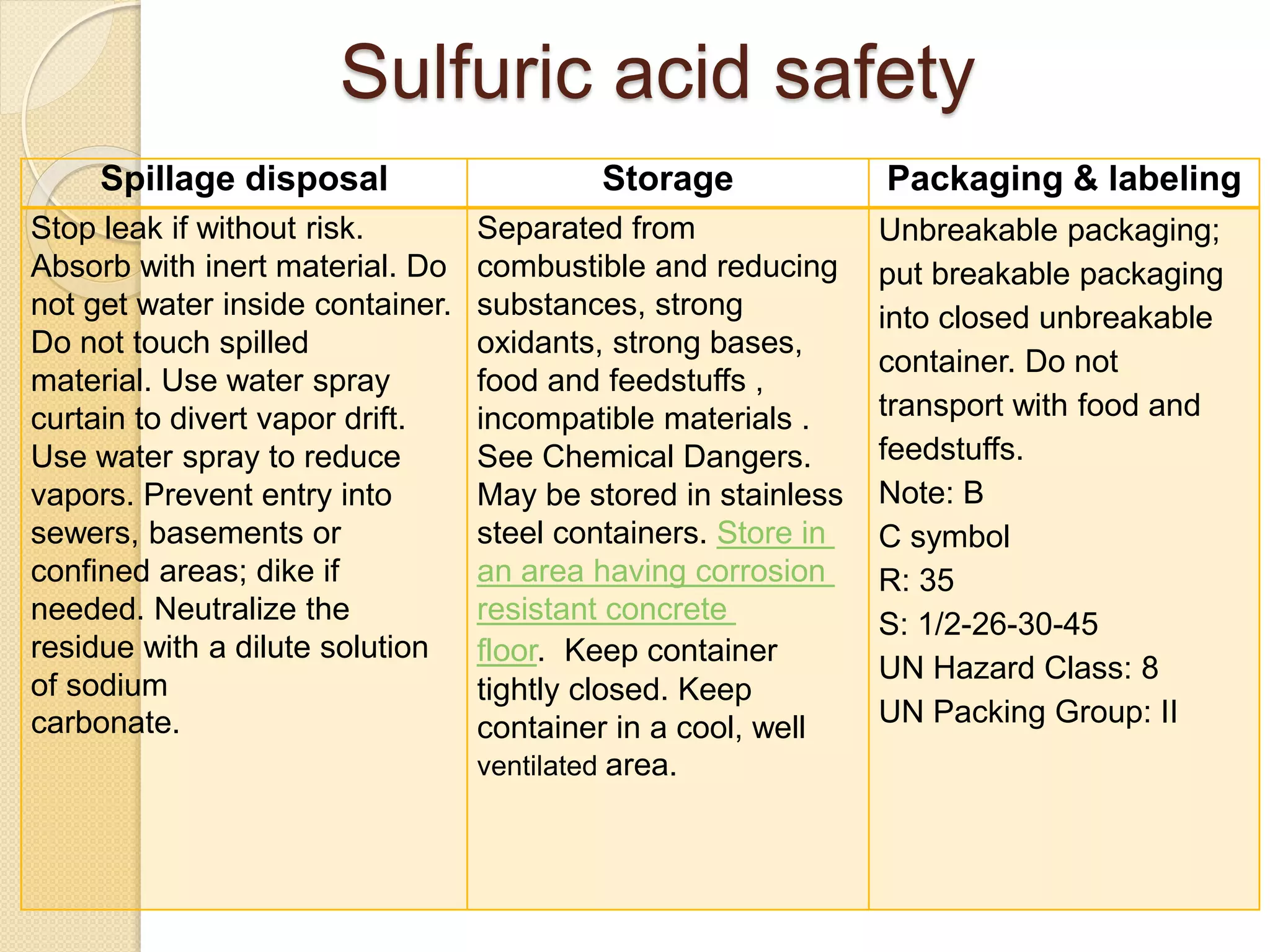
Proper storage management prevents accidental chemical reactions, fires, and toxic gas releases within chemical stockrooms and industrial warehouses. Acids must always be segregated from incompatible chemical families, most notably bases, flammable liquids, and oxidizing agents. For example, mixing an acid with a base results in a violent neutralization reaction that can generate excessive heat and cause boiling or splashing. More dangerously, mixing acids with reactive metals, sulfides, cyanides, or hypochlorites can release lethal gases such as hydrogen sulfide, hydrogen cyanide, or chlorine gas. Consequently, secondary containment trays must be utilized under all acid storage containers to capture potential leaks and prevent intermixing of incompatible spills.
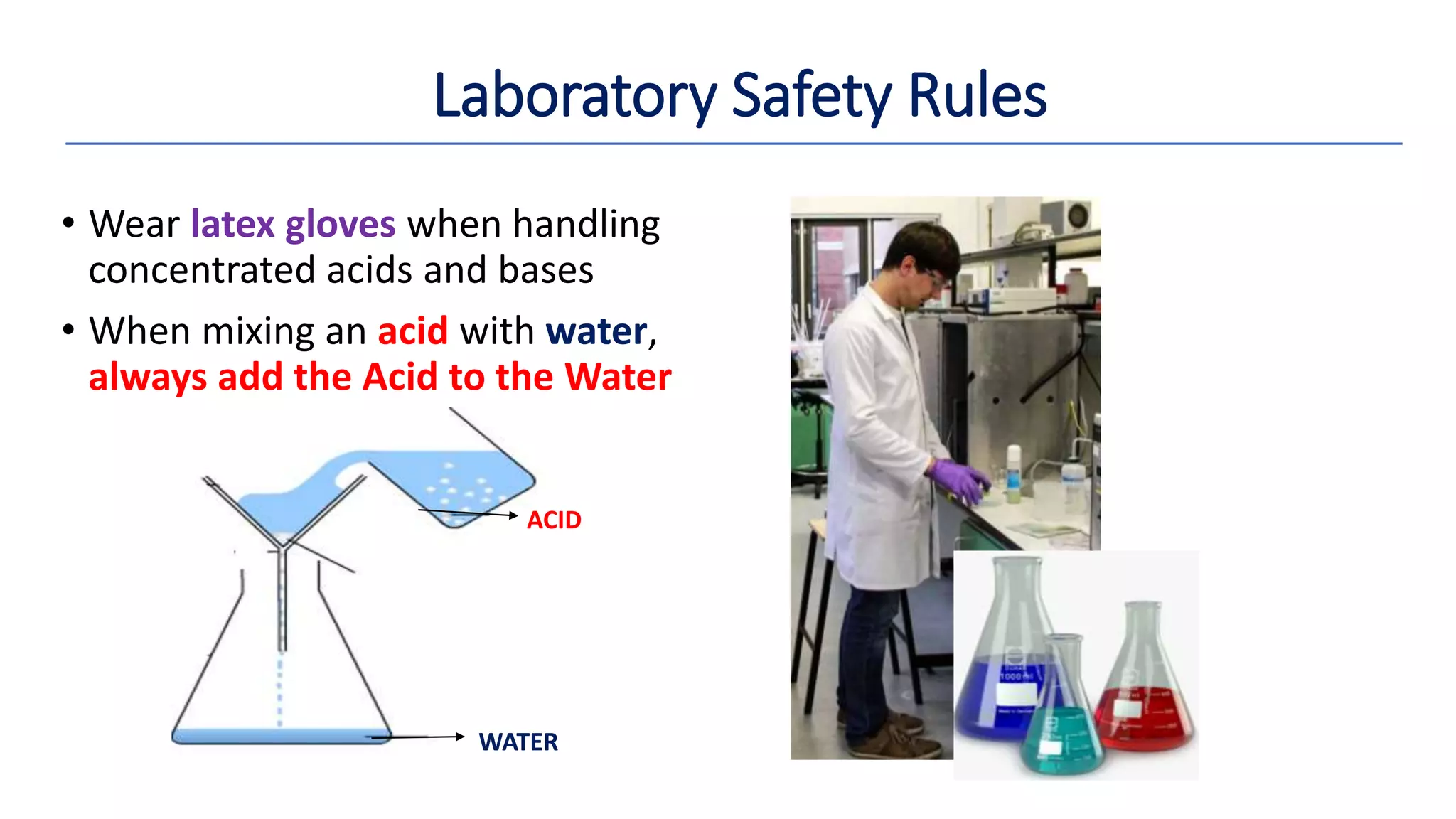
Container integrity is paramount during routine handling and transport. Acids should never be stored above eye level, as lifting heavy glass bottles increases the risk of dropping and shattering containers. When transferring acids from large carboys to smaller vessels, technicians must utilize mechanical pumps, siphon systems, or specialized tilting cradles rather than free-pouring. When diluting concentrated acids—particularly sulfuric acid—operators must always follow the fundamental chemical safety rule: always add acid to water, never water to acid. Adding water directly to a concentrated acid causes localized boiling, violent spattering, and dangerous acid misting because the intense heat of dissolution cannot be dissipated safely.
Emergency Response and Spill Containment Procedures
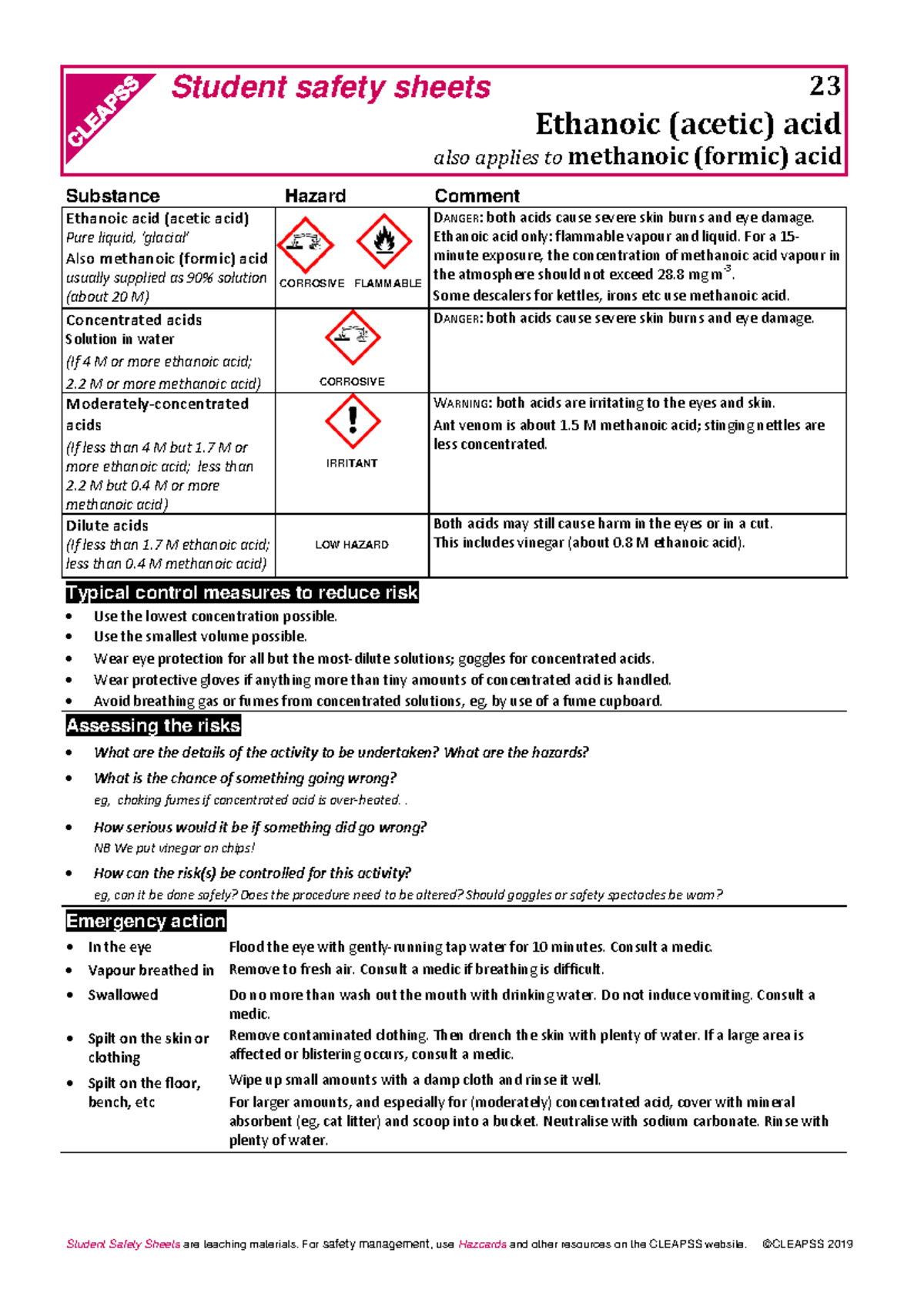
Despite rigorous preventative measures, accidental acid spills and exposures can still occur, requiring immediate, rehearsed emergency responses to minimize harm. In the event of a minor skin exposure, the affected individual must immediately flush the contaminated area under an emergency safety shower or eyewash station for a minimum of 15 minutes while removing contaminated clothing. For hydrofluoric acid exposures, immediate washing must be followed by the application of calcium gluconate gel to neutralize migrating fluoride ions, alongside urgent medical evaluation. Neutralizing agents should never be applied to chemical burns on living tissue without explicit medical instruction, as the neutralization reaction can generate additional thermal burns.
For facility spills, trained personnel must evaluate the scale and volatility of the incident before taking action. Minor spills within a designated fume hood can typically be managed using neutralizers such as sodium carbonate or specialized acid spill kits containing absorbent pillows and neutralizing powders. Major spills or releases involving fuming acids require immediate evacuation of the area, activation of the facility emergency alarm, and notification of hazardous materials response teams. Spill responders must wear full encapsulating suits and self-contained breathing apparatuses (SCBA) to enter the contaminated zone, where they deploy containment dikes to prevent acids from entering floor drains, storm sewers, or municipal waterways, thereby protecting the broader environment from toxic contamination.
What should you do immediately if concentrated acid splashes into your eyes?
Flush your eyes immediately at an emergency eyewash station with clean, tepid water for at least 15 minutes, holding your eyelids open to ensure thorough rinsing beneath the lids. Seek emergency medical attention immediately after completing the initial flush, and bring the chemical safety data sheet if possible.
How do you safely dilute concentrated sulfuric acid with water?
Always pour the concentrated acid slowly into a pre-measured volume of cold water while stirring continuously to dissipate the heat generated by the exothermic reaction. Never pour water into concentrated acid, as this causes violent boiling and dangerous chemical splashing.
Why is hydrofluoric acid considered more dangerous than hydrochloric acid?
Hydrofluoric acid penetrates human skin without causing immediate, noticeable pain or surface damage, allowing the chemical to reach deep tissues and bones where fluoride ions bind with calcium and magnesium, causing systemic toxicity and cardiac arrest.
What materials are prohibited for storing concentrated nitric acid?
Organic materials such as wood, paper, and standard plastics like polyethylene are prohibited because concentrated nitric acid acts as a powerful oxidizing agent that can cause spontaneous combustion or rapidly degrade the container.
How often should facility emergency showers and eyewash stations be tested?
ANSI standards require weekly activation checks to verify proper water flow and clear any sediment, alongside a comprehensive annual inspection to ensure full regulatory compliance and operational reliability.
Prioritizing Rigorous Protocol for Long-Term Safety
Maintaining a safe working environment when handling corrosive chemicals requires unwavering adherence to established safety protocols, ongoing employee training, and rigorous equipment maintenance. Facility managers and technical staff must regularly review chemical inventory lists, update safety data sheets, and conduct hazard assessments before introducing new processes. By respecting the chemical properties of acids and maintaining operational vigilance, organizations can successfully eliminate preventable workplace injuries and protect both their personnel and the surrounding community.