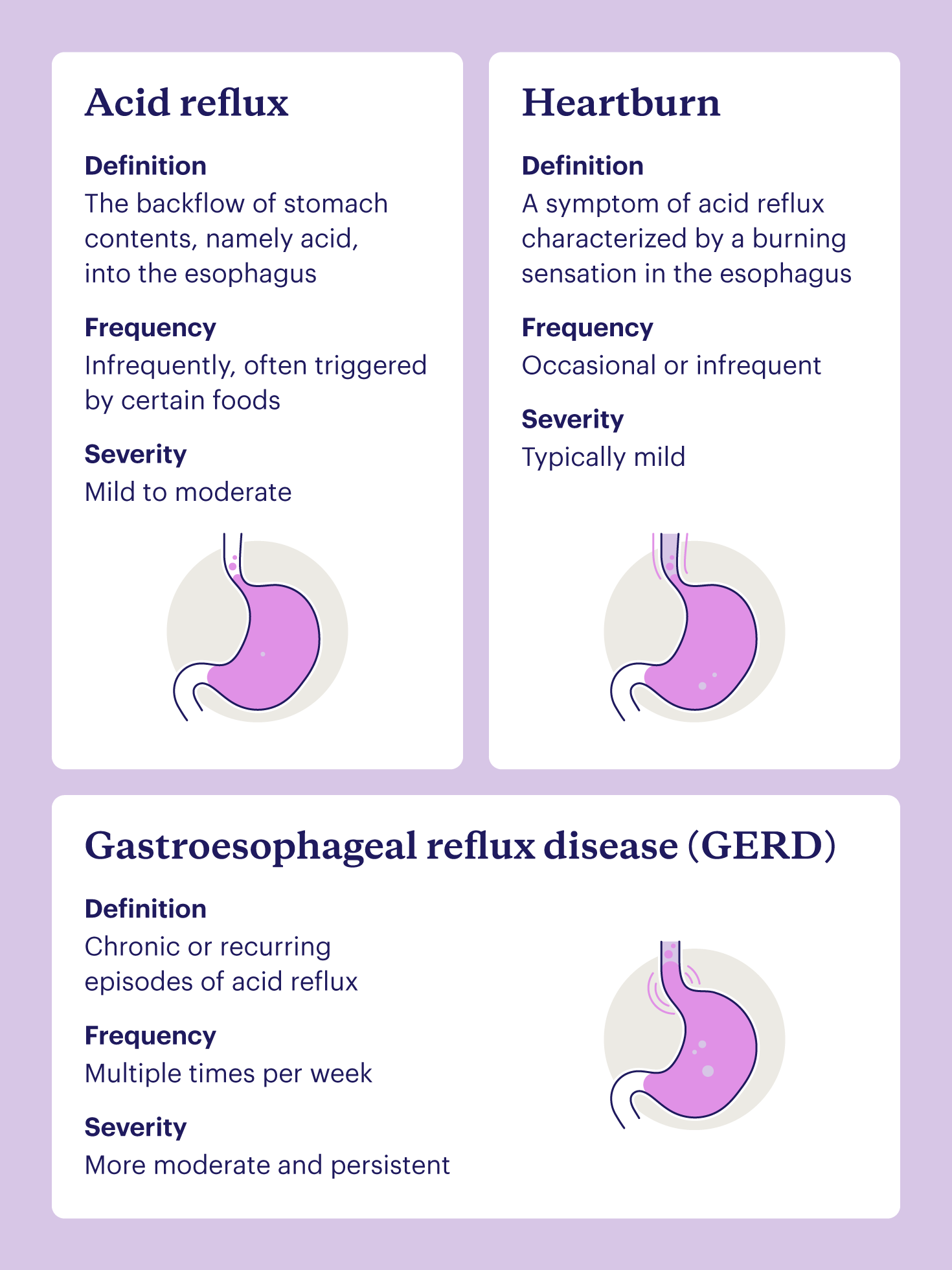
Acid reflux occurs when stomach contents, including gastric acid and digestive enzymes, flow backward into the esophagus due to a weakened or relaxed lower esophageal sphincter, frequently causing a burning sensation known as heartburn. Managing this condition requires a clear understanding of its underlying anatomical mechanics, dietary triggers, lifestyle factors, and available medical interventions ranging from over-the-counter antacids to prescription therapies and surgical options.
Anatomical and Physiological Mechanisms of Acid Reflux
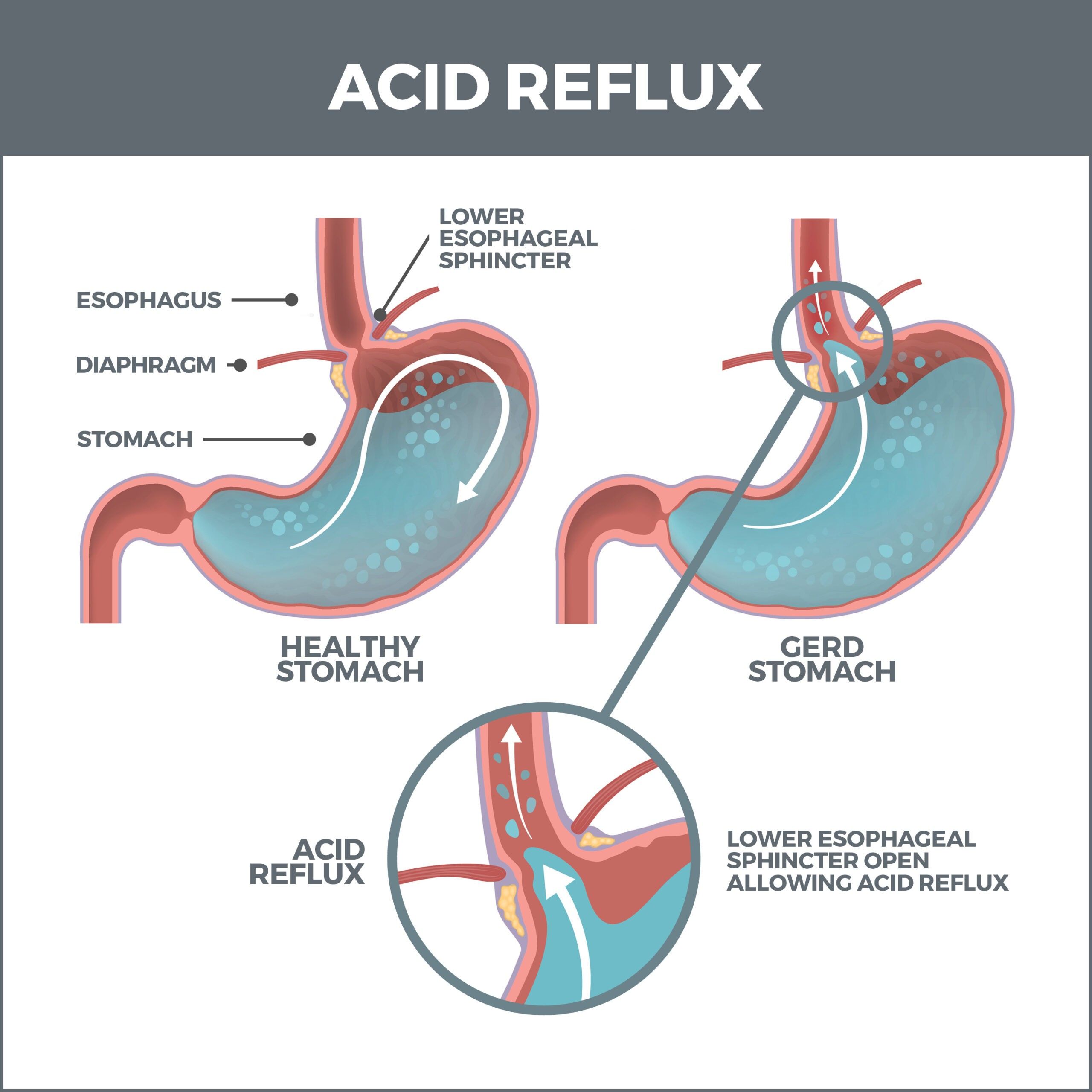
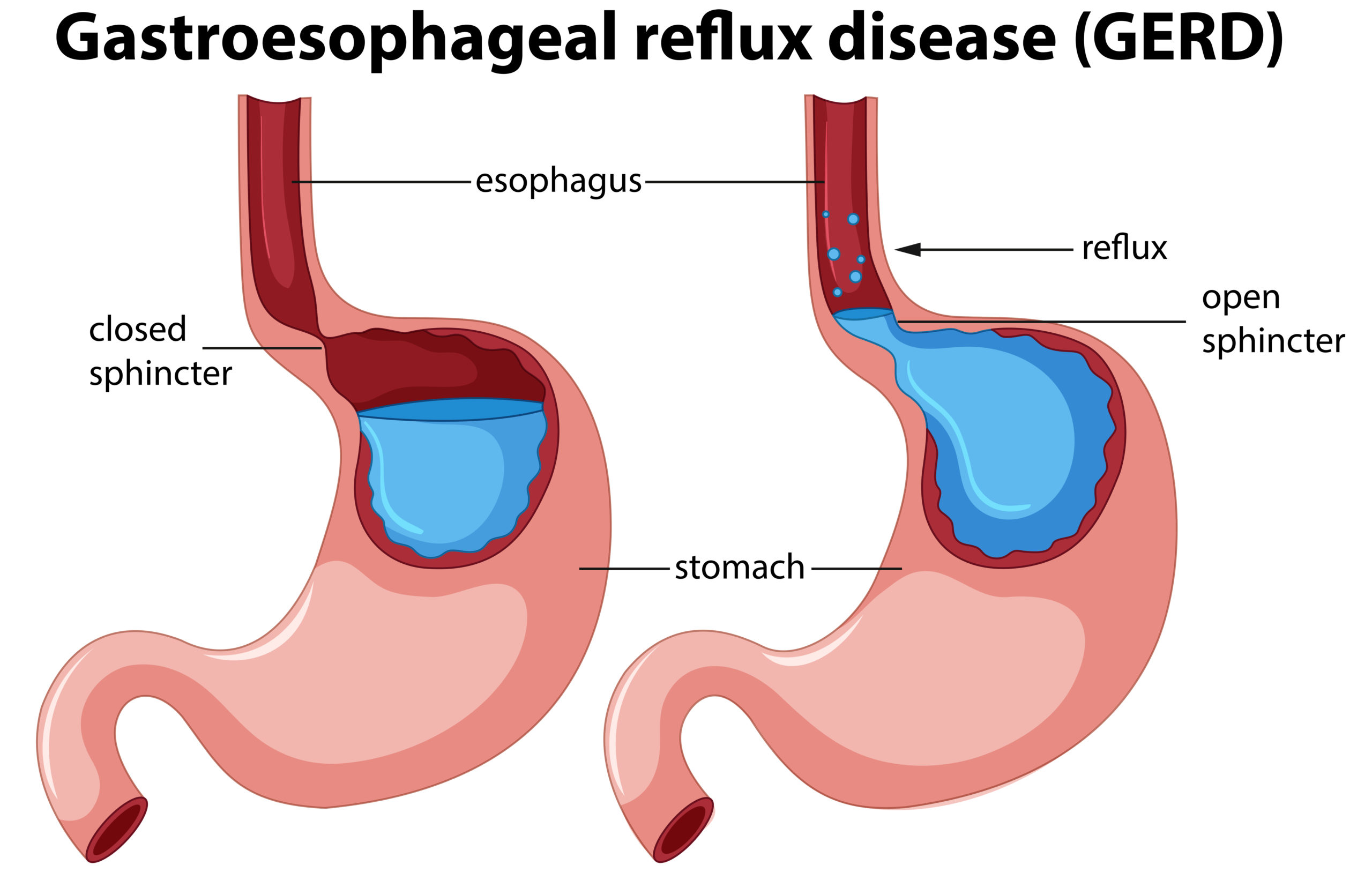
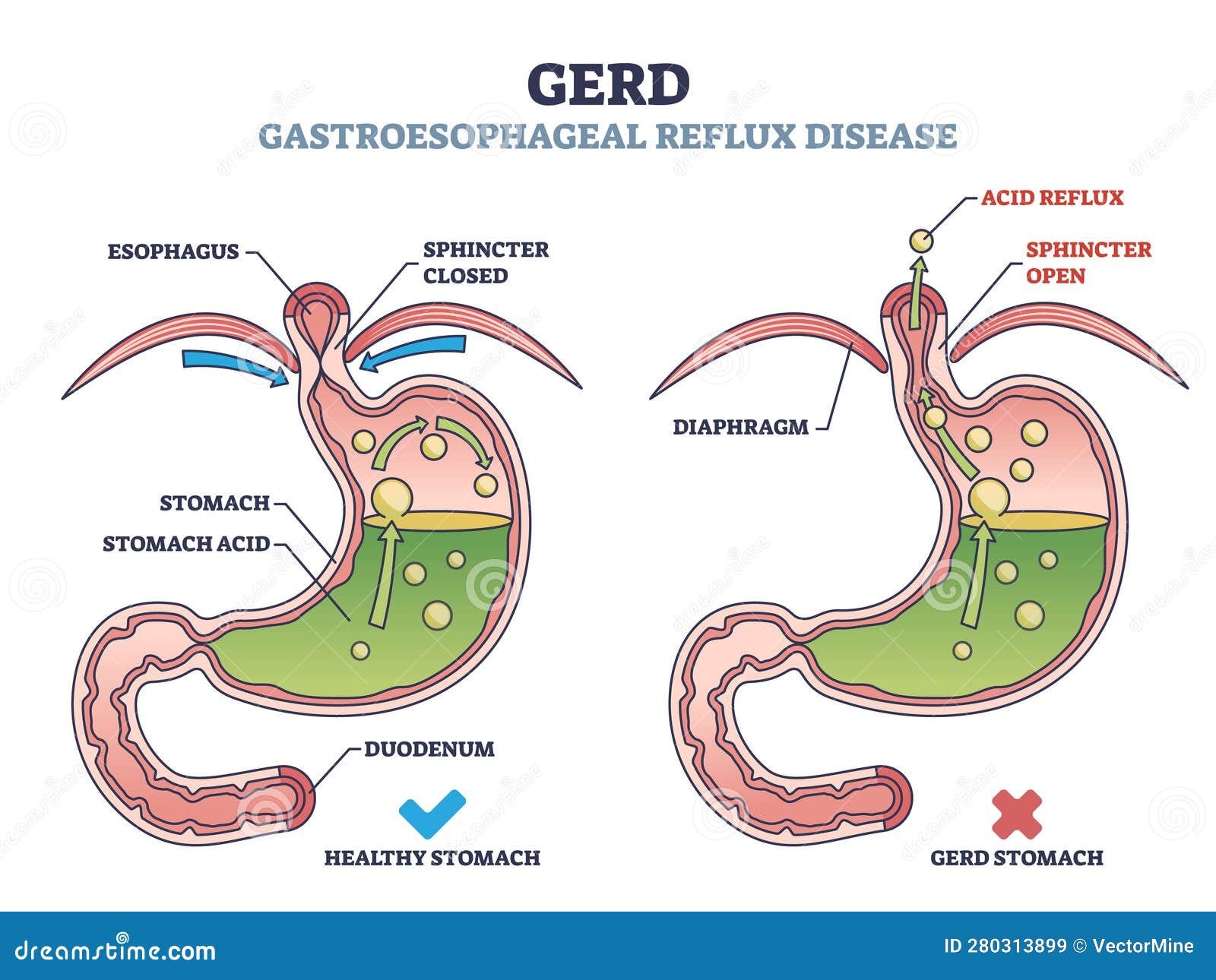
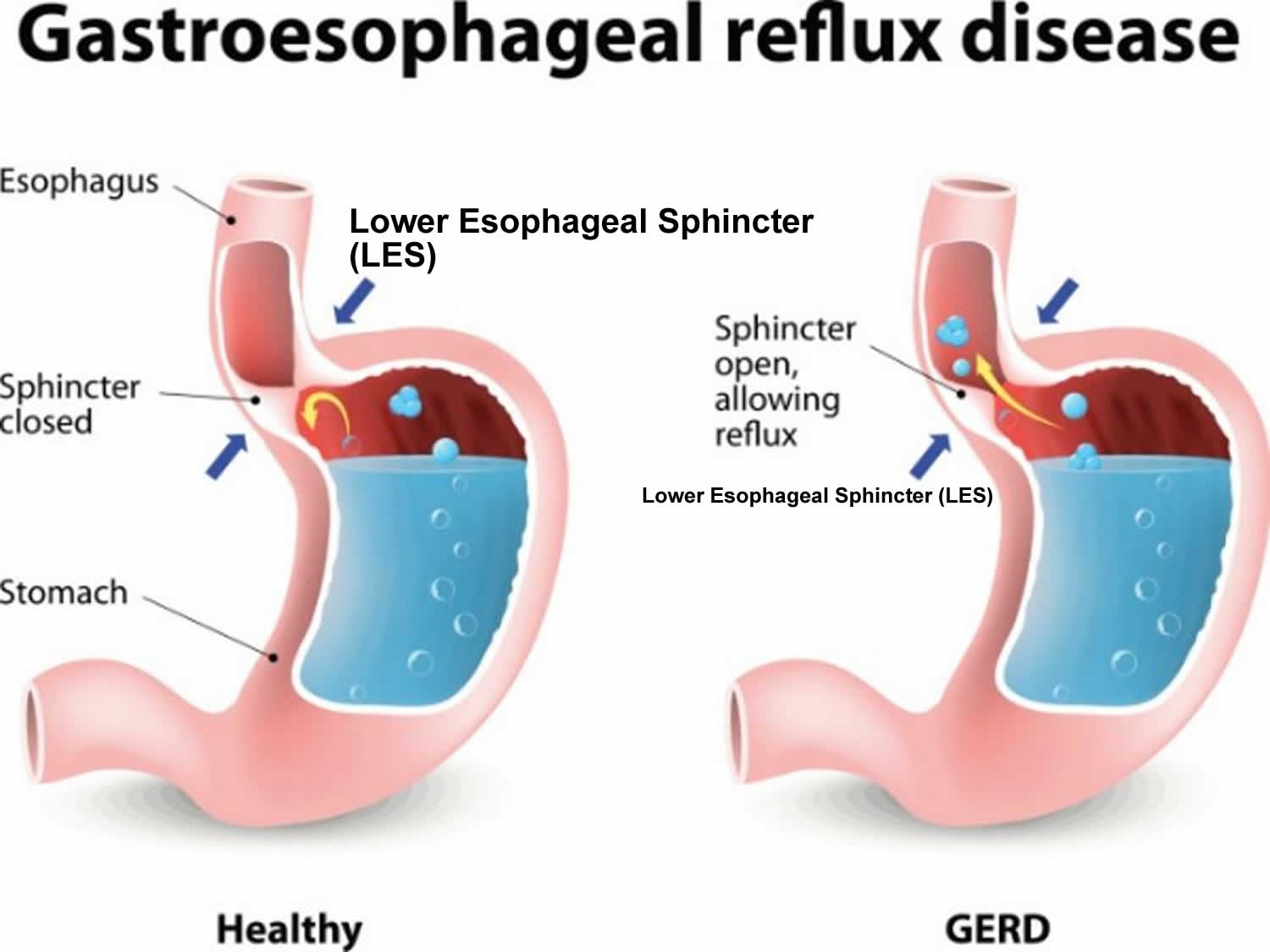
To understand why acid reflux happens, one must examine the anatomy of the upper gastrointestinal tract, specifically the transition zone between the esophagus and the stomach. The primary barrier against gastric reflux is the lower esophageal sphincter (LES), a specialized ring of smooth muscle fibers located at the distal end of the esophagus. In a properly functioning digestive system, the LES remains tonically contracted to prevent the contents of the stomach from traveling upward. When an individual swallows, the LES relaxes temporarily to allow food and liquid to pass into the stomach, after which it contracts tightly once more.
Reflux episodes occur when this muscular barrier fails or relaxes inappropriately at times other than swallowing. These inappropriate relaxations are known as transient lower esophageal sphincter relaxations (TLESRs). Additionally, individuals can develop a hypotensive LES, meaning the resting pressure of the muscle is chronically low and insufficient to withstand intra-gastric pressure. When stomach pressure exceeds LES pressure, gastric contents breach the barrier and irritate the delicate squamous epithelium of the esophagus.
Beyond the LES, the anatomical structure known as the diaphragmatic crura plays a vital reinforcement role. The hiatus—the opening in the diaphragm through which the esophagus passes—acts as an external sphincter. When a hiatal hernia is present, a portion of the stomach pushes upward through the hiatus into the chest cavity. This anatomical displacement disrupts the mechanical support provided by the diaphragm, compromising the LES barrier and significantly increasing the frequency and severity of acid reflux events.
Common Triggers and Lifestyle Contributing Factors
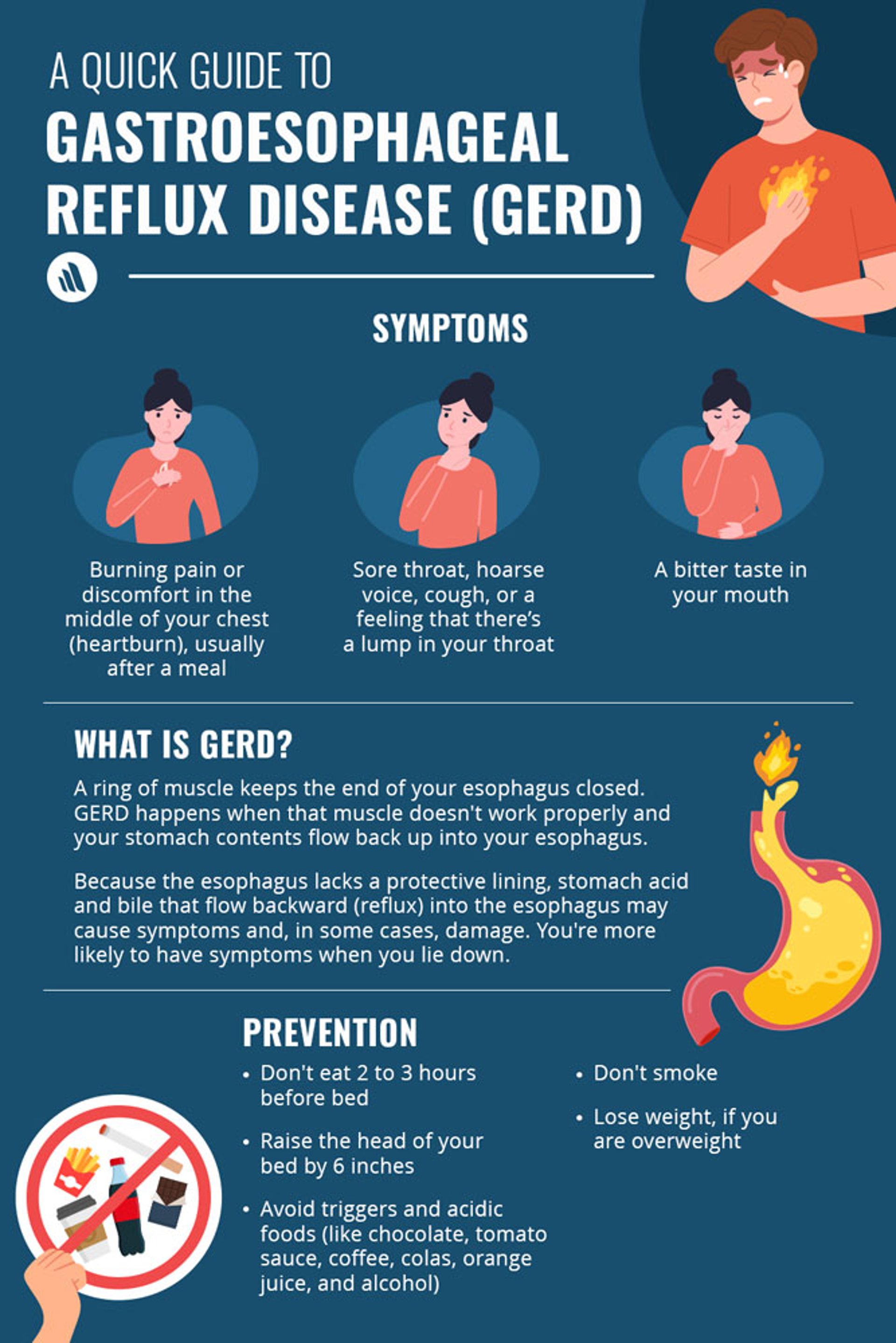
While anatomical vulnerabilities set the stage for acid reflux, specific dietary and behavioral triggers frequently precipitate acute episodes. Certain foods and beverages are known to decrease LES pressure or directly irritate the esophageal mucosa. High-fat meals delay gastric emptying, leaving a larger volume of food and acid in the stomach for an extended period, which increases the likelihood of reflux. Other common dietary triggers include citrus fruits, tomato-based products, chocolate, peppermint, caffeine, carbonated beverages, and alcohol.
Lifestyle choices also exert a profound influence on symptom frequency and severity. Obesity is one of the strongest independent risk factors for acid reflux and its chronic complication, gastroesophageal reflux disease (GERD). Excess intra-abdominal adipose tissue exerts continuous physical pressure on the stomach, mechanical forcing the gastric contents upward and contributing to the development of hiatal hernias.
Posture and timing of food intake are equally critical. Lying down horizontally too soon after consuming a meal removes the assistance of gravity in keeping gastric contents localized in the stomach. Healthcare providers universally advise patients to avoid eating within two to three hours before bedtime. Furthermore, cigarette smoking contributes to reflux by reducing salivary bicarbonate production—which normally helps neutralize acid cleared from the esophagus—and by relaxing the LES muscle over time.
| Trigger Category | Specific Factors | Primary Mechanism |
|---|---|---|
| Dietary | High-fat meals, chocolate, peppermint | Delays gastric emptying or directly relaxes the LES |
| Dietary | Citrus, tomatoes, vinegar, coffee | Directly irritates the esophageal mucosal lining |
| Behavioral | Eating late at night, heavy meals | Overfills the stomach and removes gravitational assistance |
| Anatomical/Physical | Obesity, pregnancy, tight clothing | Increases intra-abdominal pressure against the stomach |
| Substance Use | Nicotine/smoking, alcohol consumption | Reduces LES resting tone and impairs salivary protection |
Diagnostic Approaches and Clinical Evaluation
When acid reflux symptoms occur with high frequency—typically defined by medical guidelines as two or more times per week—clinicians evaluate patients for gastroesophageal reflux disease (GERD) to rule out complications and confirm the diagnosis. The evaluation typically begins with a thorough clinical history, documenting symptom patterns, duration, severity, and response to empiric lifestyle modifications or over-the-counter acid-suppressing medications.
For uncomplicated cases, diagnostic testing may not be immediately necessary. However, when alarm symptoms are present—such as dysphagia (difficulty swallowing), odynophagia (painful swallowing), unexplained weight loss, iron deficiency anemia, or persistent vomiting—further investigation is mandatory. The gold standard for visualizing mucosal damage, such as erosive esophagitis, strictures, or Barrett's esophagus, is an upper gastrointestinal endoscopy, formally known as esophagogastroduodenoscopy (EGD).
When endoscopy is normal or inconclusive, or when pre-surgical evaluation is required, specialized diagnostic tools are employed. Ambulatory esophageal pH monitoring measures the acidity levels within the esophagus over a 24-to-48-hour period using either a transnasal catheter or a wirelessly tethered capsule (Bravo system). Esophageal manometry assesses the motility and peristaltic function of the esophageal body as well as the resting pressure and relaxation coordination of the LES, ensuring that motility disorders are not misdiagnosed as simple reflux.
Medical Management and Pharmacological Options
Pharmacological therapy for acid reflux targets the reduction of gastric acidity or the enhancement of anti-reflux barriers. Treatment strategies generally follow a step-up or step-down approach, depending on the severity of mucosal injury and the persistence of symptoms.
Antacids provide rapid, short-term relief by directly neutralizing existing hydrochloric acid in the stomach lumen. While effective for occasional, mild heartburn, they do not heal underlying esophageal mucosal inflammation or prevent future reflux events. For more frequent symptoms, histamine-2 receptor antagonists (H2RAs) such as famotidine offer longer-lasting acid suppression by blocking histamine receptors on the parietal cells of the stomach, reducing acid secretion.
Proton pump inhibitors (PPIs) represent the most potent class of acid-suppressing medications available. Drugs such as omeprazole, lansoprazole, and pantoprazole irreversibly bind to the hydrogen-potassium ATPase pumps on gastric parietal cells, shutting down the final step of acid production. PPIs are highly effective for healing erosive esophagitis and providing symptom relief, though long-term continuous use requires clinical monitoring for potential micronutrient malabsorption and bone density impacts, as outlined by agencies such as the U.S. Food and Drug Administration (FDA).
Surgical and Advanced Interventions
When medical therapy fails to control symptoms, when patients experience severe regurgitation despite maximal medical management, or when individuals wish to avoid lifelong dependence on daily pharmacotherapy, surgical and endoscopic interventions are considered.
The traditional surgical standard for severe GERD is the Nissen fundoplication. During this laparoscopic procedure, the upper portion of the stomach (the fundus) is wrapped completely (360 degrees) around the lower end of the esophagus. This mechanical maneuver reinforces the LES, increases resting pressure, and repairs any concurrent hiatal hernia, preventing both acid and non-acid gastric contents from refluxing. Partial fundoplications (such as a Toupet 270-degree wrap) are sometimes performed to reduce post-surgical side effects like gas bloat or dysphagia.
An alternative minimally invasive option is magnetic sphincter augmentation, commonly known by the device name LINX. This procedure involves laparoscopically placing a band of interlinked titanium beads with magnetic cores around the exterior of the LES. The magnetic attraction is strong enough to keep the sphincter closed against resting gastric pressures, yet weak enough to allow swallowed food and belching to pass through normally.
What Are the Long-Term Complications of Untreated Acid Reflux?
Long-term chronic exposure of the esophageal mucosa to gastric acid and pepsin can lead to structural damage and severe medical complications. Chronic inflammation results in erosive esophagitis, which can progress to esophageal strictures—narrowing of the esophagus caused by scar tissue formation that causes severe dysphagia. In some individuals, persistent injury prompts a cellular adaptation known as Barrett's esophagus, wherein the normal squamous lining is replaced by metaplastic columnar epithelium. Barrett's esophagus is a recognized precursor lesion carrying an increased lifetime risk of developing esophageal adenocarcinoma, a highly aggressive form of cancer requiring routine endoscopic surveillance.
How Do Dietary Changes Impact Reflux Frequency?
Dietary modifications directly reduce the physiological triggers that provoke transient lower esophageal sphincter relaxations or stimulate excessive acid production. Avoiding high-fat foods, citrus, caffeine, and alcohol decreases the chemical burden on the gastric mucosa and maintains higher resting tone in the lower esophageal sphincter. While diet alone may not resolve anatomical defects like a hiatal hernia, it remains a cornerstone of conservative management for reducing daily symptom frequency and dependence on medications.
Can Weight Loss Resolve Acid Reflux Symptoms?
Significant weight loss frequently reduces or eliminates acid reflux symptoms in individuals with overweight or obesity. Excess intra-abdominal weight increases baseline gastric pressure, which mechanically forces the LES open and contributes to the formation of hiatal hernias. Clinical studies demonstrate that lowering body mass index (BMI) decreases intra-abdominal pressure, improves esophageal clearance, and reduces the frequency of acid exposure events in the distal esophagus.
When Should Someone Seek Immediate Medical Attention for Reflux?
While typical acid reflux presents as a burning sensation in the chest, certain alarm symptoms require immediate clinical evaluation to rule out cardiac events or acute gastrointestinal emergencies. Individuals experiencing sudden crushing chest pain, shortness of breath, pain radiating to the jaw or left arm, severe difficulty swallowing, vomiting blood, or passing black, tarry stools must seek urgent medical care immediately.
Next Actions and Clinical Guidance
If you experience frequent acid reflux symptoms—occurring two or more times per week—schedule an appointment with a primary care physician or a gastroenterologist for a comprehensive evaluation. Begin by tracking your daily symptom patterns, meal times, and suspected trigger foods in a journal to share with your clinician. Avoid self-diagnosing or relying indefinitely on high-dose over-the-counter acid suppressants without professional medical oversight, as persistent symptoms warrant proper diagnostic testing to protect esophageal health and rule out underlying complications.