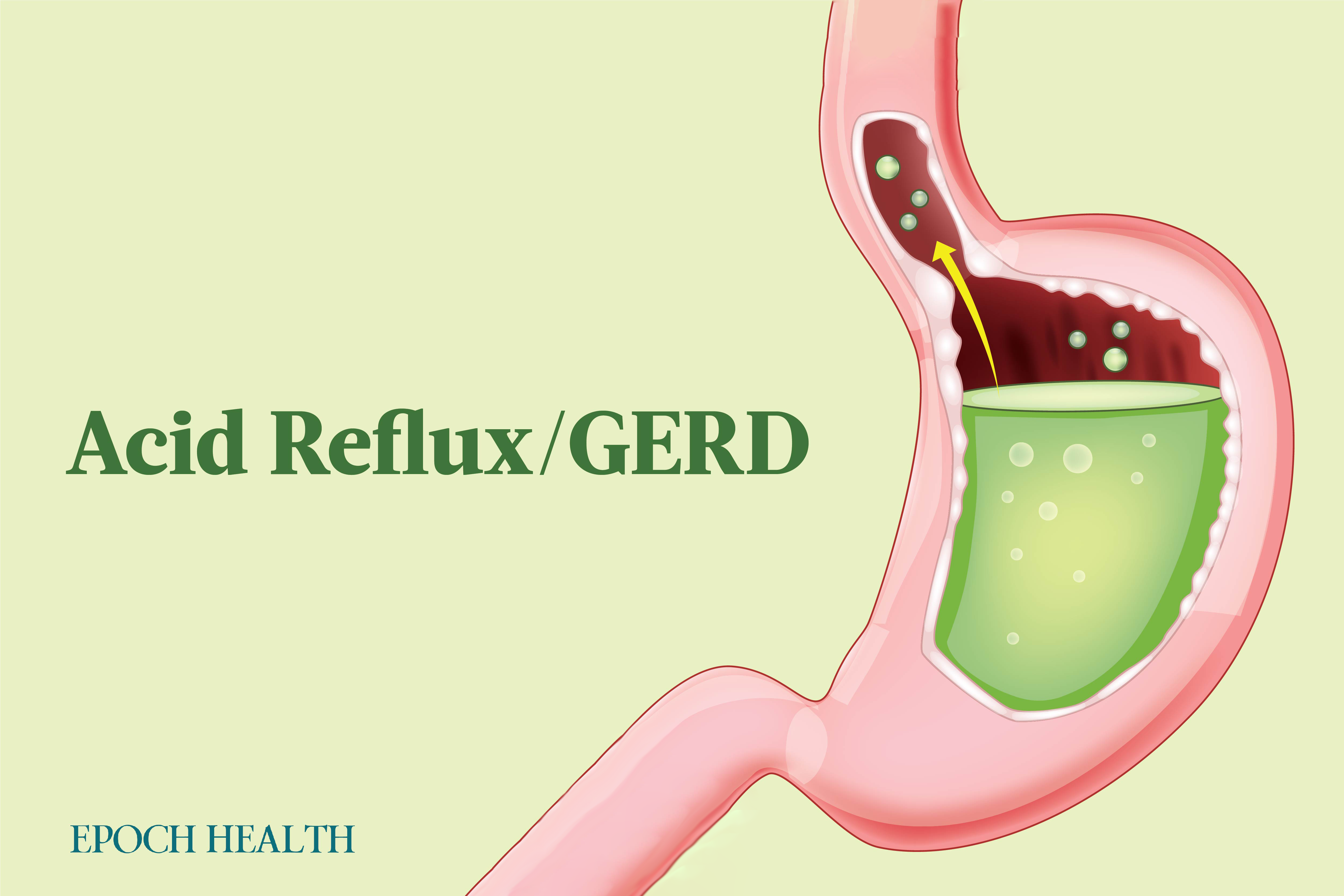
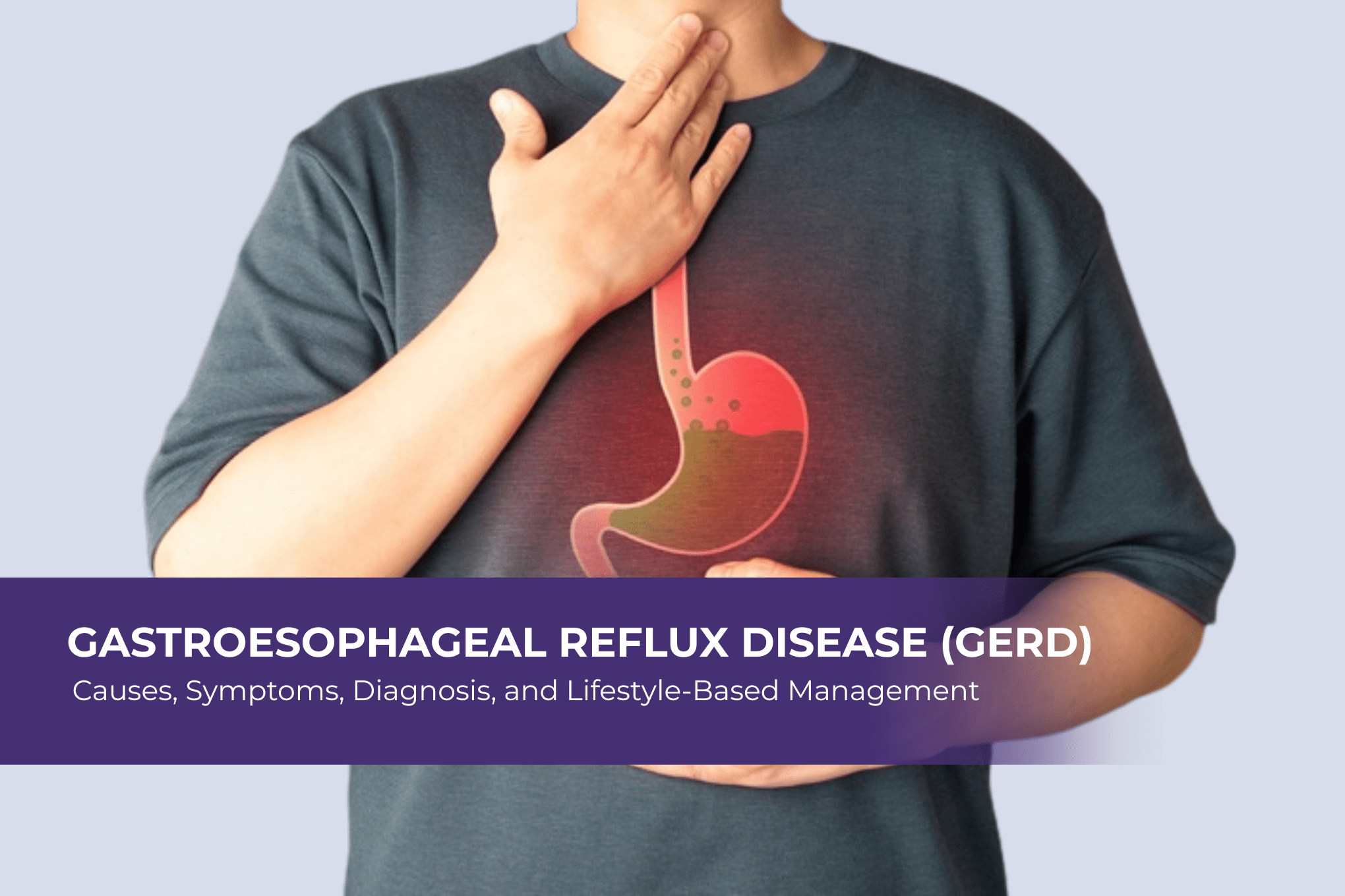
Acid reflux occurs when stomach contents flow backward into the esophagus, irritating its lining and producing discomfort, heartburn, or more severe complications over time if left unmanaged. Understanding the mechanisms, triggers, diagnostic pathways, and lifestyle or medical adjustments required for long-term control is essential for anyone experiencing frequent digestive distress.
Understanding Acid Reflux and Its Underlying Mechanisms
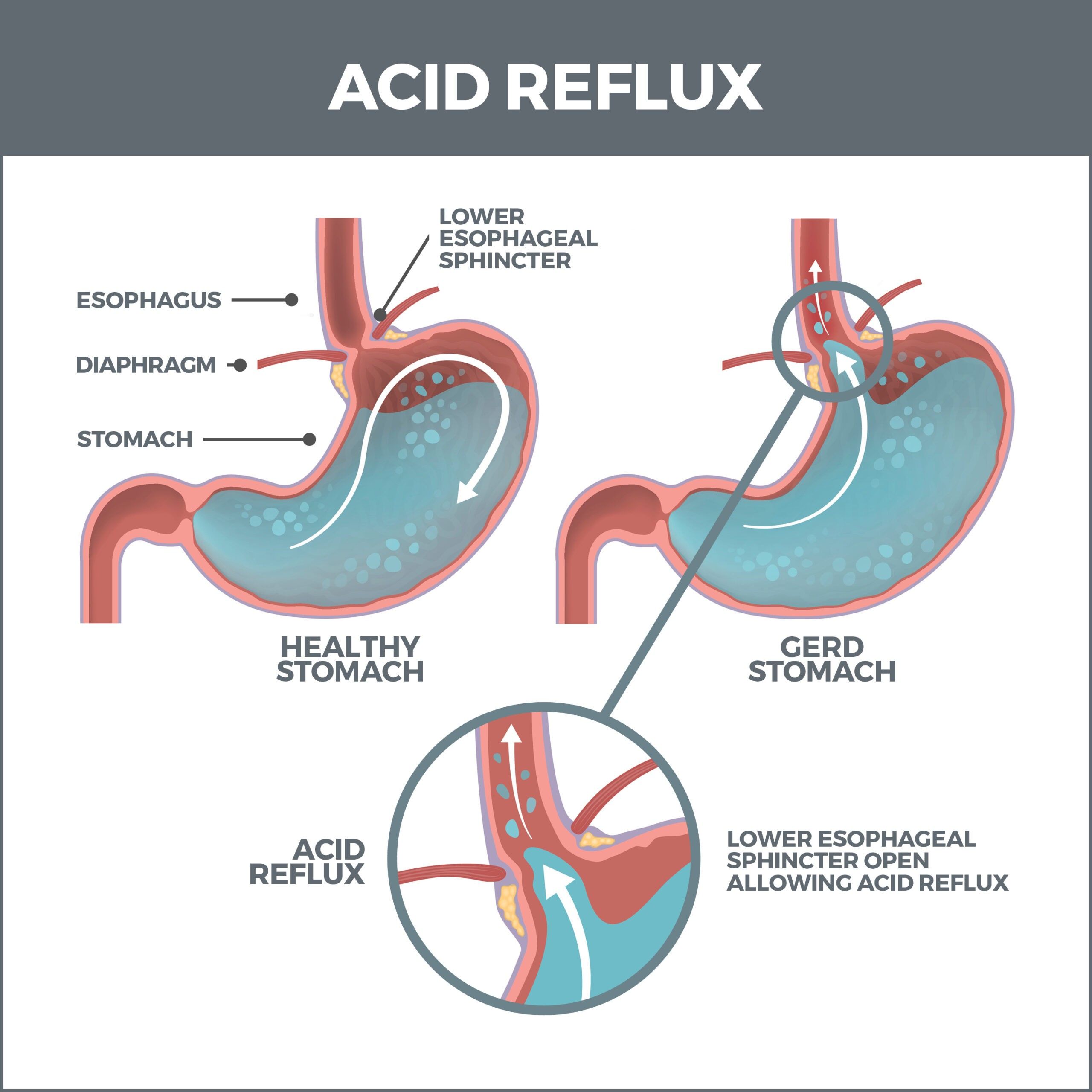
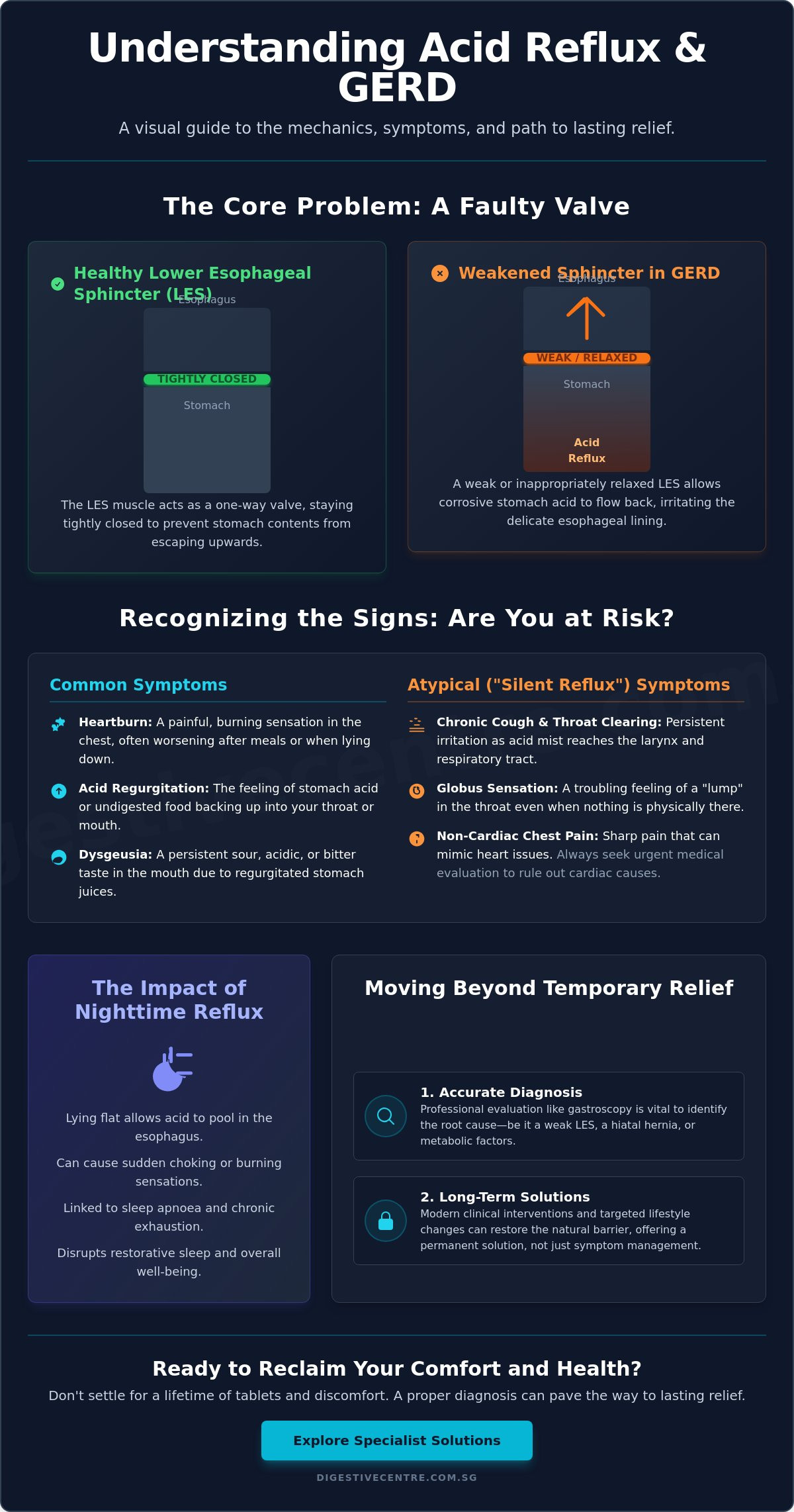
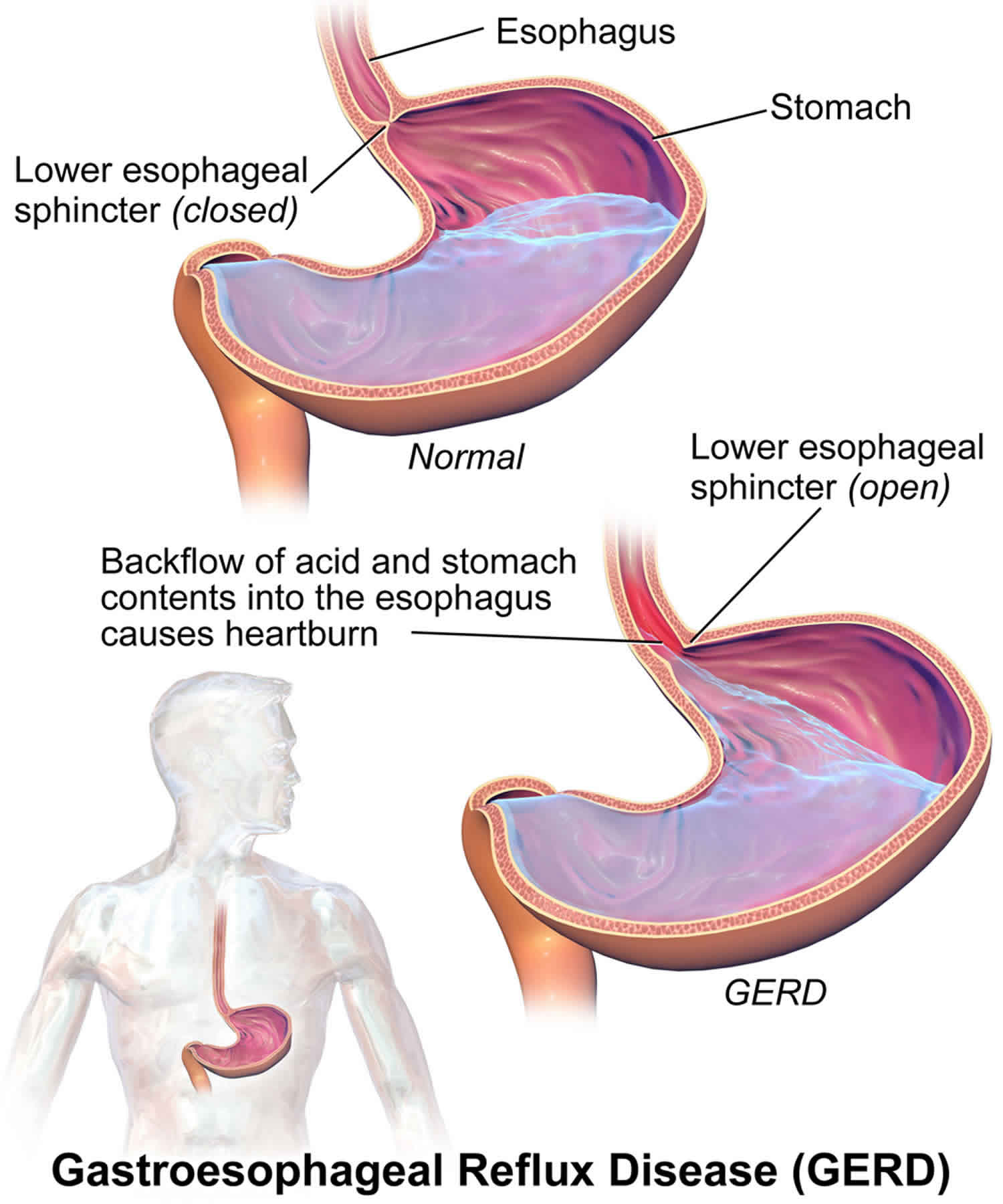
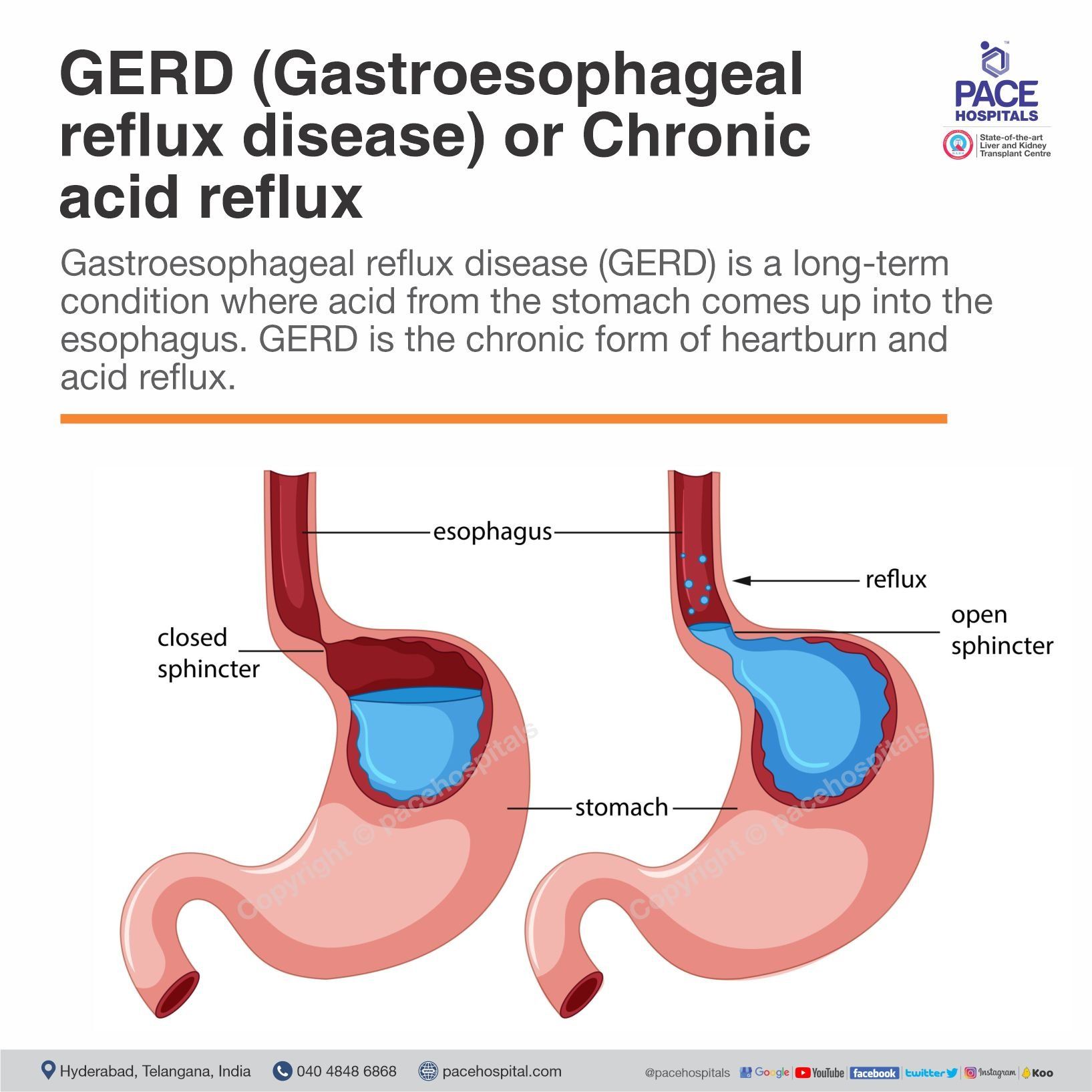
At the junction between the esophagus and the stomach lies a ring of muscle fibers known as the lower esophageal sphincter (LES). This sphincter acts as a one-way valve designed to open when you swallow to allow food to pass into the stomach and close tightly afterward to prevent gastric juices from escaping upward. When the LES relaxes inappropriately or weakens over time, stomach acid, pepsin, and bile can wash back into the esophagus. This delicate mucosal lining lacks the robust protective barrier found in the stomach, leading to the chemical irritation and inflammation characteristic of acid reflux.
While occasional reflux is a normal physiological occurrence experienced by most healthy individuals after large meals, frequent episodes cross the threshold into a chronic condition. When symptoms occur more than twice a week or interfere with daily life, healthcare providers often evaluate the condition as gastroesophageal reflux disease (GERD). Left unaddressed, chronic exposure to gastric acid can erode the esophageal tissue, leading to strictures, bleeding, or a precancerous condition called Barrett's esophagus. Recognizing the boundary between benign occasional indigestion and progressive disease is the first step toward effective management.
Primary Causes and Risk Factors Triggering Reflux Episodes
A variety of anatomical, lifestyle, and physiological factors contribute to the weakening or inappropriate relaxation of the lower esophageal sphincter. Anatomical abnormalities, most notably a hiatal hernia, play a significant role in many chronic cases. A hiatal hernia occurs when the upper part of the stomach pushes upward through the diaphragm, a muscle partition that separates the chest from the abdomen. This displacement can compromise the mechanical reinforcement that the diaphragm normally provides to the LES, making backflow much easier.
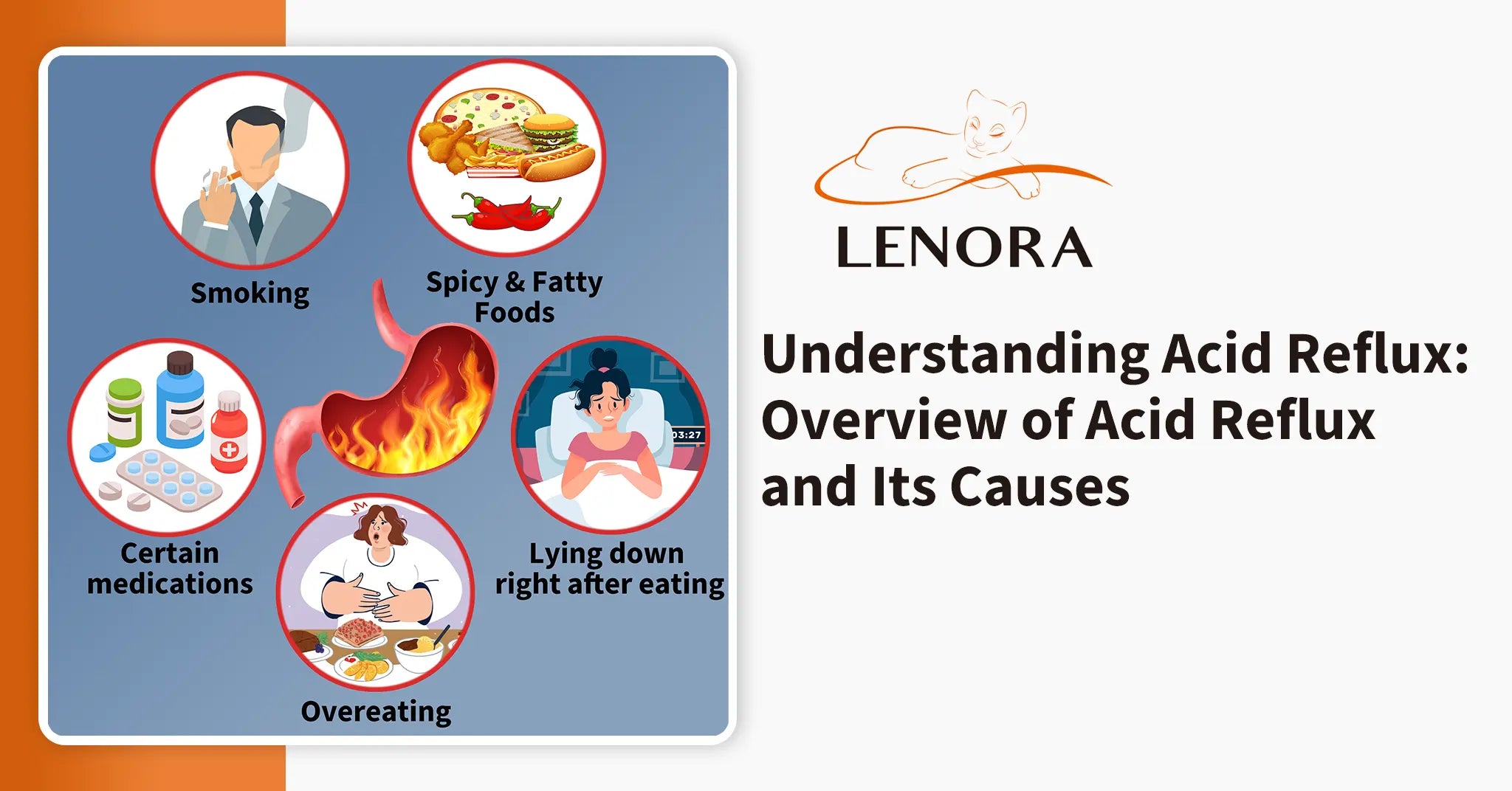
Lifestyle and dietary habits also exert a profound influence on gastric pressure and LES tone. Consuming large, high-fat meals delays gastric emptying, keeping the stomach distended for longer periods and increasing the likelihood of upward pressure against the valve. Certain dietary items are well-documented triggers that relax the LES or stimulate excess acid production, including:
- Citrus fruits and tomato-based products
- Caffeinated beverages and alcohol
- Chocolate, peppermint, and high-fat foods
- Spicy dishes and carbonated drinks
Systemic factors such as pregnancy and obesity elevate intra-abdominal pressure, physically pushing stomach contents upward. Additionally, certain medications—including nonsteroidal anti-inflammatory drugs (NSAIDs), calcium channel blockers, and certain sedatives—can relax the smooth muscle of the LES or irritate the esophageal mucosa directly, exacerbating symptoms.
| Trigger Category | Common Examples | Mechanism of Action |
|---|---|---|
| Dietary Items | Fatty foods, chocolate, peppermint | Relaxes the lower esophageal sphincter muscle |
| Acidic Foods | Citrus fruits, tomatoes, vinegar | Directly irritates the sensitive esophageal lining |
| Lifestyle Habits | Large meals, lying down immediately after eating | Increases gastric volume and upward mechanical pressure |
| Substances | Alcohol, caffeine, tobacco | Impairs sphincter closure and stimulates acid secretion |
Recognizing Symptoms Beyond Heartburn
While a burning sensation in the chest behind the breastbone—commonly known as heartburn—is the most prevalent indicator of acid reflux, the clinical presentation can be remarkably diverse. Symptoms often worsen after eating, when bending over, or while lying flat in bed at night. Many individuals experience regurgitation, characterized by a sour or bitter-tasting acid fluid backing up into the throat or mouth, sometimes accompanied by sudden excess salivation known as water brash.
Extraintestinal or atypical symptoms can also occur when stomach acid travels further up into the pharynx, larynx, or airways. These manifestations frequently lead to diagnostic challenges because they mimic other medical conditions. Patients may experience:
- Chronic, dry cough, particularly at night or upon waking
- Hoarseness or voice changes caused by vocal cord irritation
- A persistent sensation of a lump in the throat, medically termed globus sensation
- New-onset or worsening asthma symptoms, wheezing, or chest tightness
- Dental enamel erosion and chronic sore throat due to acid exposure in the oral cavity
Because these atypical signs may appear without classic heartburn, individuals experiencing unexplained respiratory or throat irritation should consult a physician to rule out silent or laryngopharyngeal reflux.
Diagnostic Procedures and Medical Evaluations
Accurate diagnosis of acid reflux and GERD involves a combination of clinical evaluation, symptom scoring, and objective testing, especially when empirical treatments fail or "red flag" symptoms are present. Red flags that necessitate prompt investigation include difficulty swallowing (dysphagia), painful swallowing (odynophagia), unexplained weight loss, iron deficiency anemia, or gastrointestinal bleeding.
Physicians utilize several advanced diagnostic modalities to assess the severity of mucosal damage and measure acid exposure:
- Upper Endoscopy (EGD): A flexible, lighted tube equipped with a camera is passed through the mouth down into the esophagus, stomach, and duodenum. This procedure allows the gastroenterologist to visualize inflammation (esophagitis), strictures, hiatal hernias, and take tissue biopsies to check for cellular changes like Barrett's esophagus.
- Ambulatory Esophageal pH Monitoring: A small catheter is threaded through the nose into the esophagus, or a wireless capsule is attached to the esophageal wall during an endoscopy. This device measures and records acid levels over a 24- to 48-hour period, correlating daily symptoms with actual reflux events.
- Esophageal Manometry: This test measures the rhythmic muscle contractions of the esophagus and the pressure exerted by the lower esophageal sphincter during swallowing, ensuring the organ functions correctly before any surgical interventions are considered.
Long-Term Management Strategies and Medical Interventions
Effective long-term management of acid reflux requires a multi-tiered approach combining lifestyle modifications, pharmacological therapies, and, in refractory cases, surgical options. The primary objective is to control symptoms, heal esophageal mucosal erosion, and prevent long-term complications such as strictures or malignancy.
Lifestyle and Dietary Modifications
Foundational adjustments can significantly reduce the frequency and intensity of reflux episodes. Patients are advised to eat smaller, more frequent meals rather than large portions, and to avoid lying down for at least three to four hours after eating. Elevating the head of the bed by six to nine inches using sturdy bed risers—rather than simply stacking pillows, which can increase abdominal pressure—utilizes gravity to keep stomach contents where they belong during sleep. Weight management is also critical for individuals with a high body mass index, as losing excess weight directly decreases intra-abdominal pressure.
Pharmacological Options
When lifestyle changes are insufficient, medications provide targeted relief by neutralizing stomach acid or reducing its production:
- Antacids: Provide rapid, short-term neutralization of existing stomach acid for mild, occasional symptoms.
- H2 Blockers (Histamine-2 Receptor Antagonists): Decrease the amount of acid released into the digestive tract by blocking histamine receptors on acid-producing cells, offering longer relief than antacids.
- Proton Pump Inhibitors (PPIs): Represent the most potent class of acid-suppressing medications, shutting down the cellular proton pumps responsible for acid secretion. PPIs are highly effective for healing severe esophagitis, though long-term daily use should be managed under medical supervision to evaluate potential nutritional absorption impacts.
Surgical and Interventional Treatments
For individuals who experience persistent symptoms despite optimal medical therapy, prefer to avoid lifelong medication, or suffer from structural defects like a large hiatal hernia, surgical evaluation may be warranted. Laparoscopic Nissen fundoplication involves wrapping the top part of the stomach around the lower esophagus to reinforce the LES barrier. Alternative minimally invasive procedures, such as magnetic sphincter augmentation (the LINX device), utilize a ring of titanium beads with magnetic attraction to support the weak valve while still allowing normal swallowing and belching.
Frequently Asked Questions
What is the difference between occasional acid reflux and GERD?
Acid reflux is the physical backflow of stomach contents into the esophagus, an experience most people have occasionally after heavy meals. GERD, or gastroesophageal reflux disease, is a chronic, more severe medical condition defined by frequent reflux episodes occurring twice a week or more, causing persistent tissue damage, discomfort, or lifestyle disruption.
Can lifestyle changes alone cure chronic acid reflux?
Lifestyle modifications such as weight loss, dietary adjustments, and elevating the head of the bed can significantly control symptoms and reduce medication dependence for many individuals. However, structural issues like a large hiatal hernia or severe LES dysfunction often require ongoing medical therapy or surgical intervention for complete long-term management.
Why do I experience acid reflux symptoms mainly at night?
Nighttime reflux is common because lying flat eliminates the assistance of gravity in keeping gastric contents inside the stomach. Additionally, saliva production—which naturally helps neutralize and clear acid—drops significantly during sleep, and swallowing occurs less frequently, allowing acid to pool in the esophagus for longer periods.
Are there any long-term risks associated with taking proton pump inhibitors (PPIs)?
While PPIs are safe and highly effective for healing esophageal erosion, long-term continuous use has been studied in relation to potential reductions in the absorption of certain nutrients, such as calcium, magnesium, and vitamin B12. Patients requiring chronic acid suppression should periodically consult their healthcare provider to evaluate the lowest effective dose.
When should I see a doctor for acid reflux symptoms?
You should consult a physician if you experience frequent reflux symptoms that do not respond to over-the-counter medications, or if you experience warning signs such as difficulty or pain when swallowing, unexplained weight loss, persistent vomiting, or black, tarry stools.
Actionable Next Steps for Relief and Care
If you are experiencing frequent or disruptive digestive symptoms, begin by maintaining a detailed symptom and food diary for two weeks to identify personal triggers such as specific foods, stress, or late-night eating. Schedule an appointment with your primary care physician or a gastroenterologist to discuss your symptoms, rule out underlying complications, and develop a personalized treatment plan. Whether your management strategy involves targeted dietary adjustments, short-term medication, or further diagnostic testing, professional medical guidance ensures safe, effective, and sustainable relief from acid reflux.