Acetic acid is a versatile organic compound and carboxylic acid, chemically represented as CH₃COOH, characterized by its distinct pungent odor and sour flavor. It serves as a fundamental building block in the global chemical industry for producing polymers and fibers, while also functioning as a primary component in vinegar and a critical reagent in laboratory synthesis.
Chemical Structure and Fundamental Properties
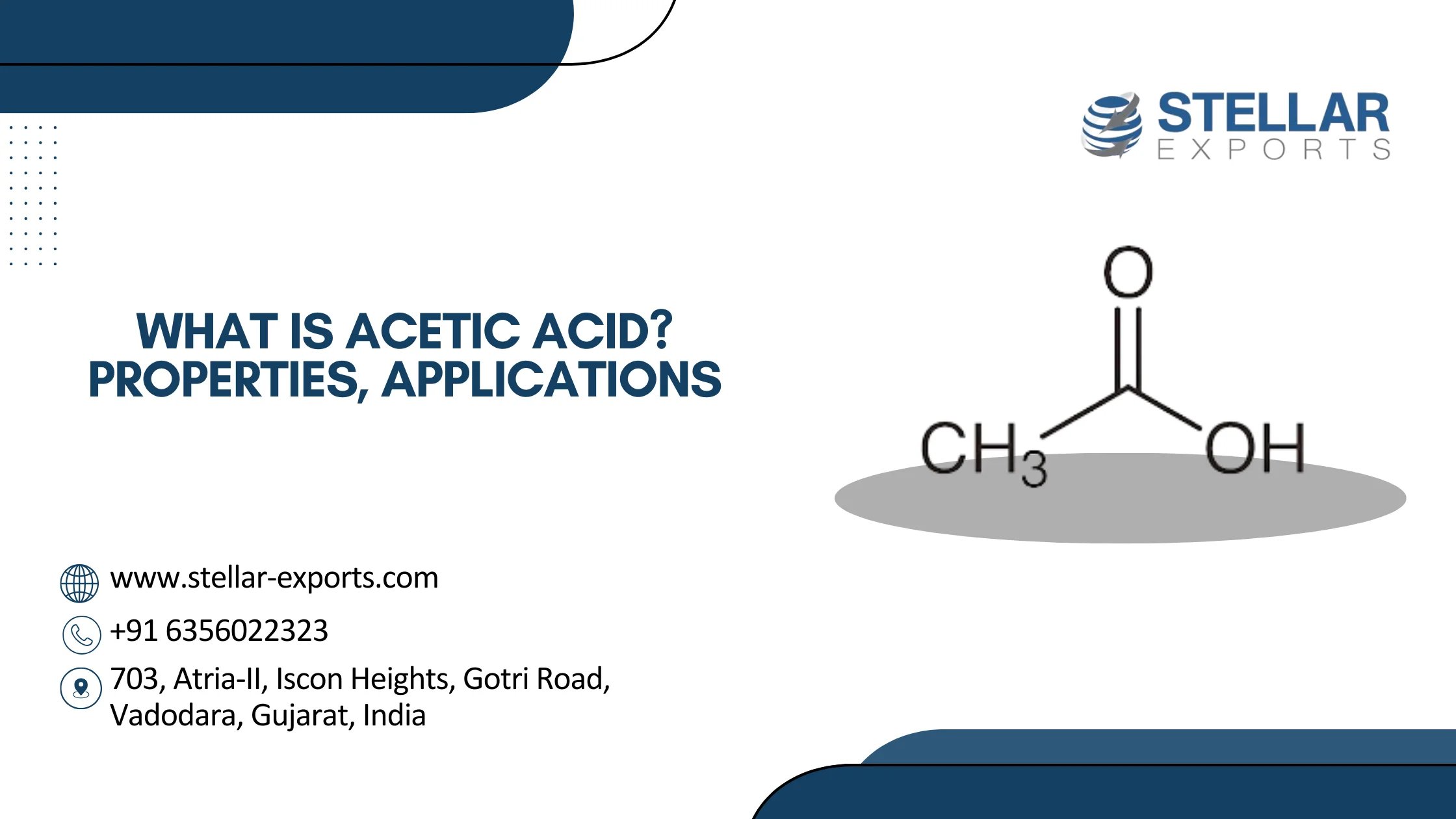
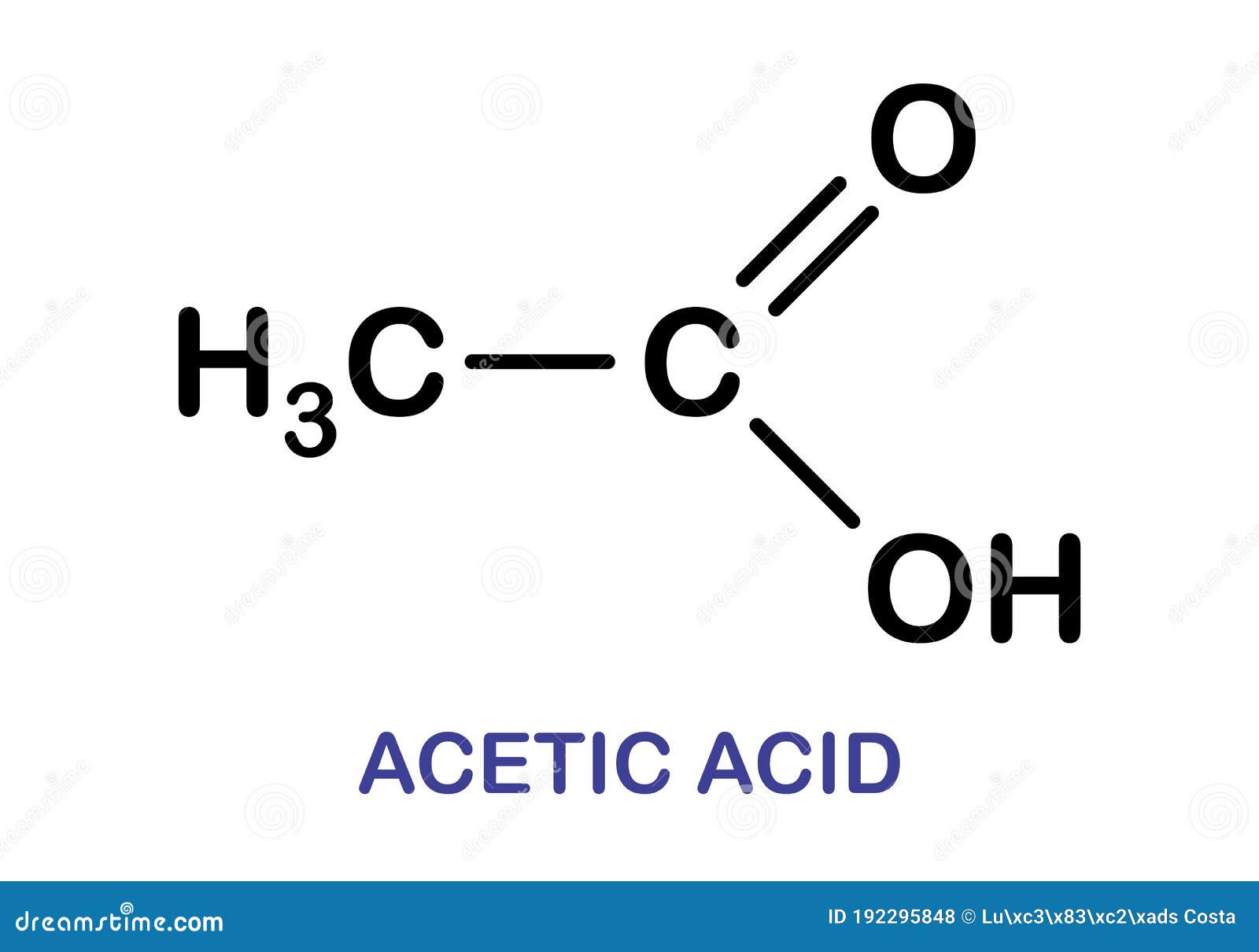
Acetic acid, also known as ethanoic acid, is the second simplest carboxylic acid. Its molecular structure consists of a methyl group (CH₃) attached to a carboxyl group (COOH). In its pure, water-free form—known as glacial acetic acid—it is a colorless liquid that absorbs water from the environment and freezes into needle-like crystals at 16.7°C (62°F). This unique physical transition is the reason for the "glacial" designation, a term that remains a standard in chemical nomenclature in 2026.
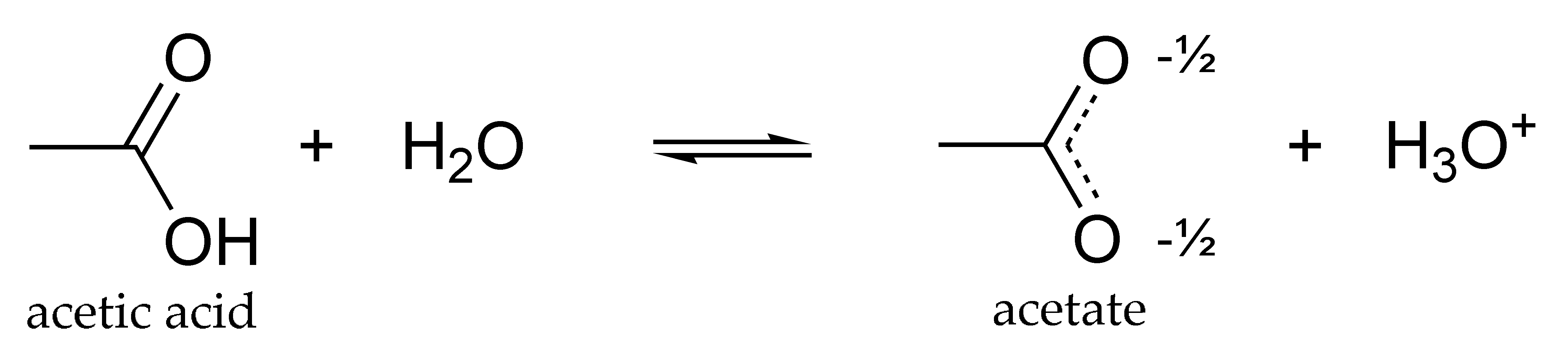
As a weak acid, acetic acid does not fully dissociate in aqueous solutions. Instead, it exists in an equilibrium between the parent molecule and the acetate ion ($CH_3COO^-$). Despite being classified as "weak" in a chemical sense, concentrated acetic acid is highly corrosive to skin and metals. Its acidity is measured by a pKa of 4.76, which makes it an ideal buffering agent for maintaining pH levels in various biochemical and industrial processes.
The polarity of the molecule allows it to act as a versatile solvent. It is miscible with both polar and non-polar substances, including water, ethanol, and diethyl ether. However, it is generally immiscible with higher alkanes like octane. This dual-natured solubility is a key reason why it is used so extensively in the production of purified terephthalic acid (PTA), a precursor for PET plastics.
Industrial Production Methods in 2026
The production of acetic acid has evolved significantly, moving toward higher yields and lower environmental impact. As of 2026, the majority of the world's supply is produced through synthetic means, though biological fermentation remains vital for the food industry.
Methanol Carbonylation (The Cativa and Monsanto Processes)
Approximately 75% of industrial acetic acid is generated through the carbonylation of methanol. In this reaction, methanol and carbon monoxide react in the presence of a metal catalyst to produce acetic acid.
- The Monsanto Process: Historically dominant, this uses a rhodium-based catalyst system. While effective, it requires high water concentrations to stabilize the catalyst.
- The Cativa Process: Developed by BP Chemicals, this process utilizes an iridium catalyst. By 2026, most new facilities prefer this method because it is more sustainable, requires less water, and produces fewer by-products, leading to significant cost savings in purification.
Oxidative Fermentation
For human consumption, legal standards in many jurisdictions require that acetic acid in vinegar be of biological origin. This is achieved through the oxidative fermentation of ethanol by bacteria from the genus Acetobacter. This process occurs in two stages: first, the fermentation of sugars into ethanol (typically using yeast), followed by the bacterial oxidation of ethanol into acetic acid. Modern "submerged culture" techniques allow for large-scale production of high-strength vinegar (up to 20% acidity) within days.
Ethylene Oxidation and Other Pathways
In regions where ethylene is abundant and inexpensive, the Wacker process or direct oxidation of ethylene may be employed. Additionally, some acetic acid is recovered as a by-product of wood carbonization or during the production of polyvinyl alcohol. In 2026, there is an increasing focus on bio-based acetic acid, derived from biomass gasification, as industries push toward "net-zero" carbon footprints.
Major Industrial and Chemical Applications
The demand for acetic acid is driven by several massive downstream industries. Because it is a primary reagent, its market price often serves as a bellwether for the health of the broader chemical sector.
Vinyl Acetate Monomer (VAM) Production
The single largest use of acetic acid—accounting for approximately one-third of global consumption—is the production of Vinyl Acetate Monomer. This involves reacting acetic acid with ethylene and oxygen over a palladium catalyst. VAM is the essential building block for Polyvinyl Acetate (PVA), which is used in:
- Adhesives: Common white glues and industrial wood glues.
- Paints and Coatings: Water-based latex paints benefit from the film-forming properties of VAM derivatives.
- Textile Finishes: Providing stiffness or water resistance to fabrics.
Acetic Anhydride and Cellulose Acetate
Acetic acid is dehydrated to form acetic anhydride, a powerful acetylating agent. This is primarily used to create cellulose acetate, a synthetic textile fiber used in clothing and as the base material for photographic film. Though digital media has reduced the demand for film, the demand for cellulose acetate in biodegradable plastics and cigarette filters remains substantial in 2026.
Ester Production and Solvent Use
Acetic acid is reacted with alcohols to produce esters such as ethyl acetate, n-butyl acetate, and isopropyl acetate. These esters are prized for their pleasant odors and excellent solvency. They are the preferred solvents for printing inks, varnishes, and perfumes. Ethyl acetate, in particular, is widely used as a "green" solvent for decaffeinating coffee beans and tea leaves.
Comparative Specifications of Acetic Acid Grades
The application of acetic acid is strictly dictated by its purity and concentration. The following table outlines the standard grades found in the market today.
| Grade Name | Concentration (approx.) | Primary Use Case | Safety Requirements |
|---|---|---|---|
| Glacial Acetic Acid | 99.5% – 99.8% | Chemical synthesis, PTA production, laboratory reagent. | High: Corrosive, flammable, requires specialized storage. |
| Technical/Industrial | 80% – 95% | Textile dyeing, rubber latex coagulation, scale removal. | Moderate: Significant skin and respiratory irritant. |
| Food Grade (Vinegar) | 4% – 8% | Food preservation, pickling, domestic cleaning. | Low: Generally Recognized as Safe (GRAS). |
| Horticultural Vinegar | 20% – 30% | Non-selective herbicide for weed control. | Moderate: Can cause permanent eye damage if splashed. |
| Reagent Grade (ACS) | >99.7% | Analytical chemistry, pharmaceutical quality control. | High: Controlled environment for precision testing. |
Role in Medicine and Food Science
Beyond the factory floor, acetic acid plays a critical role in healthcare and nutrition. Its antimicrobial properties have been utilized for millennia.
In clinical medicine, acetic acid is a vital tool for cervical cancer screening in low-resource settings. During a procedure known as VIA (Visual Inspection with Acetic Acid), a 3% to 5% solution is applied to the cervix; precancerous cells turn white (acetowhite), allowing for immediate detection and treatment. It is also used in ear drops to treat otitis externa (swimmer's ear) by altering the pH of the ear canal to inhibit bacterial and fungal growth. More information on its medical applications can be found via the World Health Organization (WHO).
In the food industry, acetic acid is regulated as food additive E260. It acts as an acidulant, providing the necessary "tang" to condiments like mustard, ketchup, and mayonnaise. More importantly, it serves as a preservative. By lowering the pH of food products, it inhibits the growth of foodborne pathogens such as Salmonella and Clostridium botulinum, extending the shelf life of pickled vegetables and canned goods.
Safety, Handling, and Environmental Impact
As of 2026, global regulatory bodies like the European Chemicals Agency (ECHA) and OSHA have harmonized the safety standards for acetic acid handling under the GHS (Globally Harmonized System).
Health Hazards
- Inhalation: Vapors are highly irritating to the nose and throat. Chronic exposure can lead to chronic bronchitis.
- Skin Contact: Glacial acetic acid causes severe burns and permanent scarring. Even a 10% solution can cause significant irritation.
- Eye Contact: Splashes can lead to corneal erosion and permanent blindness.
Storage and Compatibility
Acetic acid must be stored away from oxidizers (like chromic acid or nitric acid) and alkaline substances. Because it is corrosive to many metals, including carbon steel, copper, and brass, it is typically stored in stainless steel (316 grade), high-density polyethylene (HDPE), or glass containers. It is also a flammable liquid with a flashpoint of 39°C (102°F), requiring spark-proof storage environments for high-volume glacial concentrations.
Environmental Considerations
Acetic acid is readily biodegradable in both soil and water. In the event of a spill, it does not bioaccumulate in the food chain. However, large-scale industrial spills can cause localized drops in pH that are toxic to aquatic life. Modern industrial facilities in 2026 utilize closed-loop systems to minimize vapor emissions and treat wastewater to neutralize acidity before discharge. Detailed safety data is available through the PubChem database.
Frequently Asked Questions
Is glacial acetic acid the same as white vinegar?
No, while they share the same chemical compound, they differ vastly in concentration. White vinegar typically contains only 5% acetic acid and 95% water. Glacial acetic acid is 99.5% pure or higher. Using glacial acetic acid in place of vinegar for food or cleaning without extreme dilution is dangerous and can cause severe chemical burns.
Why is it called "glacial" acetic acid?
The term "glacial" refers to its freezing point of 16.7°C (about 62°F). In a slightly cool room, pure acetic acid will freeze into solid crystals that resemble ice or glaciers. This physical property was historically used by chemists to verify the purity of the acid; if it didn't freeze at room temperature, it likely contained too much water.
Can acetic acid be used as a weed killer?
Yes, high-concentration vinegar (20% or higher), often labeled as horticultural vinegar, is used as a non-selective herbicide. It works by desiccating the plant tissues on contact. However, it is not systemic, meaning it may not kill the roots of perennial weeds. Users must wear eye protection, as 20% acetic acid can cause immediate and permanent eye damage.
How should a small acetic acid spill be neutralized?
For laboratory or small industrial spills, the acid should be neutralized with a weak base, such as sodium bicarbonate (baking soda) or soda ash. This reaction produces carbon dioxide gas and sodium acetate. Once the bubbling stops, the resulting mixture is usually safe for disposal according to local environmental regulations.
Is acetic acid flammable?
Glacial acetic acid is classified as a flammable liquid. It has a flashpoint of 39°C (102°F) and an auto-ignition temperature of 427°C (800°F). While it is less flammable than solvents like gasoline or acetone, it still requires storage away from open flames, sparks, and high-heat sources to prevent ignition.
Recommendations for Safe Procurement and Use
When sourcing acetic acid in 2026, it is essential to match the grade to the specific task to ensure both safety and cost-effectiveness. For domestic cleaning or food preparation, always stick to commercially prepared, food-grade vinegar. For industrial applications, ensure that the material is stored in compatible stainless steel or plastic vessels to prevent corrosion-related leaks.
If you are transitioning to sustainable manufacturing, investigate the availability of bio-based acetic acid, which has become more accessible in the 2026 market. Always consult the latest Safety Data Sheet (SDS) before handling concentrations above 10%, and ensure that all staff are trained in the use of acid-resistant personal protective equipment (PPE), including nitrile gloves and vapor-filtering respirators.